
Why You Absolutely Must Try Real italian candy
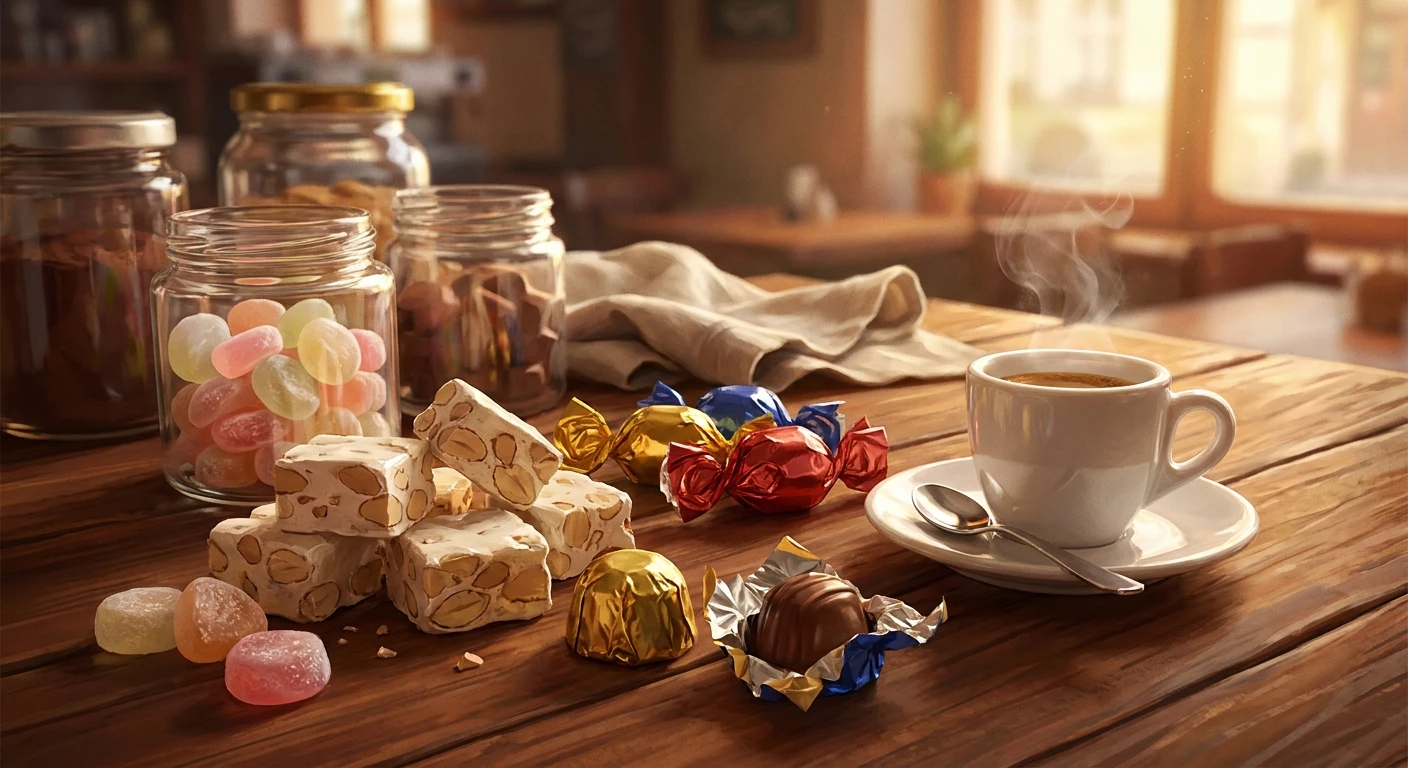
Listen, if you haven’t tried real italian candy yet, you are seriously missing out on a massive flavor upgrade. Forget the artificial, overly sweet stuff you usually grab at the checkout line while waiting at the grocery store. We are talking about centuries of artisan craft packed into tiny, beautiful wrappers. I still remember a few winters ago in Kyiv. The weather outside was brutally cold, minus fifteen degrees easily, and a friend brought over a care package straight from a recent trip to Naples. We sat in my small kitchen, drinking strong dark espresso, and she pulled out a handful of beautifully wrapped Torrone and Gianduiotti. The contrast of the freezing Ukrainian winter outside and the rich, sunny Mediterranean flavors of roasted hazelnuts and citrus melting in my mouth was unreal. It honestly completely changed my perspective on what a sweet treat should be.
I realized right then that the mass-produced stuff just cannot compete. These confections are built on high-quality ingredients, regional pride, and strict traditions. My goal right now is to share exactly why you need these sweets in your pantry. By upgrading your snack game, you treat yourself to genuine culinary art. It is not just about a quick sugar rush; it is an experience, a moment to pause and appreciate actual flavor. We are going to break down exactly what makes these European sweets superior, from their fascinating origins to the literal science of their ingredients. Grab a coffee, sit back, and let me tell you everything you need to know.
The Core Appeal: Taste, Quality, and Finding Your Favorite
Let me break down exactly why these treats are so different. The value proposition here is massive: you are trading empty calories and corn syrup for real honey, pure cocoa butter, roasted nuts, and natural fruit extracts. When you bite into an authentic piece of Torrone from Cremona, you are tasting actual egg whites whipped with local honey and premium toasted almonds. Or take Pastiglie Leone, those tiny, pastel-colored drops from Turin. They are made with real floral extracts and fruit juices, not weird chemical dyes. They dissolve slowly on your tongue, leaving a refreshing, lingering taste. This level of quality means you actually eat less because you are fully satisfied with just one or two pieces. It is the ultimate quality-over-quantity situation.
To help you navigate this massive world of sugar and spice, I put together a quick cheat sheet. Check out this breakdown of some absolute classics:
| Candy Name | Main Flavor Profile | Best Paired With |
|---|---|---|
| Torrone | Sweet honey and intensely roasted nuts | Black tea or a dry dessert wine |
| Pastiglie Leone | Floral, herbal, and sharp citrus notes | Sparkling water to cleanse the palate |
| Gianduiotto | Rich dark chocolate and creamy hazelnut paste | A shot of strong espresso |
Now, if you want to pick out the perfect sweets for yourself, you need a strategy. You cannot just buy randomly. Follow these exact steps:
- Read the ingredient label closely: Real confections should list things like pure honey, sugar, cocoa butter, and high percentages of nuts. If you see high fructose corn syrup as the first ingredient, put it down.
- Check the geographic origin: Look for regional markers. Piemonte is famous for hazelnuts, so chocolate from there is top tier. Sicily is famous for citrus and pistachios. Buy according to the region’s specialty.
- Look at the packaging style: Authentic producers often still use vintage wrapping, beautiful tins, or elegant paper boxes. It is a sign they respect their own history and product.
Seriously, take a few extra minutes to look at what you are buying. It makes a huge difference in the taste and texture you end up experiencing.
The Fascinating History of Confections
The Ancient Origins of Italian Sweets
To truly appreciate what you are eating, you have to look way back. Long before chocolate even arrived in Europe, the southern regions, especially Sicily, were heavily influenced by Arab traders. They brought sugar cane, citrus fruits, and almonds. The earliest sweets were heavily spiced, combining honey, sesame seeds, and almonds into dense, chewy bars. This was the blueprint for modern nougat. Monks in medieval monasteries were actually some of the first true confectioners, creating herbal drops and candied fruits to preserve them for the winter months and use them for medicinal purposes. They knew exactly how to balance sweetness with strong botanical flavors.
The Renaissance and Sugar Evolution
Things really escalated during the Renaissance. When noble families like the Medici gained power, sugar was an ultimate status symbol. It was wildly expensive. Banquet tables in Florence and Venice were covered in massive, elaborate sugar sculptures. Confectioners started experimenting, moving away from purely medicinal sweets to things meant entirely for pleasure. The introduction of cacao from the Americas changed everything. By the time it reached the northern cities like Turin, local artisans began mixing this expensive imported cocoa with the abundant local hazelnuts to stretch the supply. That genius move gave birth to Gianduja, changing the dessert world forever.
The Modern State of Confections in 2026
Here we are in 2026, and the artisan revival is stronger than ever. While mass production dominated the late 20th century, people today want authenticity. Small family-owned factories that have been operating for over a century are finally getting global recognition thanks to online shipping. They are refusing to change their recipes, sticking to traditional copper pots and manual wrapping machines. It is incredible to see these small brands thriving in a modern economy because they absolutely refuse to compromise on their heritage.
The Science of Sugar and Cocoa
The Chemical Magic of Gianduja
You might think it is just chocolate and nuts, but making proper Gianduja is a serious feat of chemistry. When you grind Piedmont hazelnuts, they release specific oils. If you mix these oils with cocoa butter at the wrong temperature, the entire mixture seizes or becomes gritty. The magic happens when the lipid structures of the hazelnut oil successfully emulsify with the cocoa mass. This lowers the overall melting point of the mixture, which is exactly why a piece of Gianduiotto literally melts the second it touches your tongue, much faster than a standard piece of dark chocolate. It is pure lipid chemistry working to create the best texture imaginable.
Temperature Control and Crystallization
Making hard candies and nougat is all about controlling sugar crystallization. If you just boil sugar and water and let it cool, you get a hard, glassy mess. But Italian confectioners manipulate temperature curves meticulously. By adding specific ratios of honey or inverted sugars, they prevent massive crystals from forming. Here are some quick scientific facts behind these treats:
- The Maillard Reaction: When almonds and hazelnuts are roasted for Torrone, the amino acids and reducing sugars react under heat, creating hundreds of new, complex flavor compounds that make the nuts taste savory and deep.
- Sugar Inversion: Adding slight acidity (like lemon juice) to boiling sugar breaks sucrose down into glucose and fructose, which prevents the candy from feeling gritty or sandy in your mouth.
- Cocoa Butter Polymorphism: Artisan chocolate must be tempered, meaning it is heated and cooled to very specific temperatures to ensure the cocoa butter forms ‘Form V’ crystals. This gives the chocolate that satisfying snap and shiny finish.
Your Ultimate 7-Day Tasting Plan
If you want to fully experience the spectrum of these flavors, do not eat them all at once. Spread them out. Here is a killer 7-day tasting menu I put together for you to get the absolute most out of your candy haul.
Day 1: Starting with Classic Torrone
Kick things off with a slice of hard, classic Torrone. Eat it in the mid-afternoon with a cup of hot black tea. The heat of the tea will slightly soften the honey and egg white matrix, making the almonds pop. Take your time chewing; let the honey notes coat your throat.
Day 2: The Citrus Burst of Pastiglie
On day two, grab a tin of mixed citrus Pastiglie. Keep these in your pocket and eat one or two after lunch. They are intensely refreshing and act as a brilliant palate cleanser. The real lemon and orange extracts will wake you right up without any caffeine.
Day 3: Rich Chocolate and Hazelnut Combos
It is time for the heavy hitters. Get a couple of Baci or classic Gianduiotti. Serve them alongside a shot of espresso. The bitter, acidic crema of the coffee cuts perfectly right through the rich, fatty sweetness of the hazelnut paste. It is a legendary pairing.
Day 4: Licorice and Herbal Drops
Try something challenging today. Pure Calabrian licorice is intense, woody, and slightly salty. It is not like the red gummy strings you are used to. Just let a tiny piece dissolve slowly. It is fantastic for digestion and leaves a clean, earthy aftertaste.
Day 5: Soft Fruit Jellies (Gelées)
Switch gears to soft textures. Artisan fruit gelées made with real fruit pulp (like blackberry or apricot) are incredible. They should be coated in fine sugar. Eat these as a mid-morning treat when you need a quick, bright burst of energy.
Day 6: Hard Candies and Espresso Pairings
Grab a high-quality coffee-flavored hard candy, like a pocket espresso drop. These are basically tiny shots of coffee stabilized in sugar. They are perfect for a late afternoon drive or commute when you need a lift but cannot stop for a real barista coffee.
Day 7: The Grand Finale Truffle Tasting
End the week with an artisan chocolate truffle rolled in cocoa powder. Find a quiet moment in the evening, maybe pour a small glass of amaretto or a robust red wine, and just let the truffle melt completely. Reflect on how wildly different these seven days tasted compared to standard supermarket snacks.
Myths vs. Reality
There is a lot of misinformation out there about imported sweets. Let’s clear up some nonsense right now.
Myth: Italian sweets are all just chocolate and nothing else.
Reality: Absolutely false. While they do amazing chocolate, their mastery of honey-based nougats, pure fruit jellies, and botanical hard drops is completely unmatched.
Myth: They are way too expensive for everyday snacking.
Reality: Because the quality is so high, a single piece satisfies your craving. You do not sit and eat a whole bag. Over time, the cost per satisfying snack is actually incredibly reasonable.
Myth: Licorice from Italy tastes exactly like the cheap black jellybeans in the US.
Reality: Night and day difference. Authentic southern Italian licorice is naturally sweet, earthy, and complex, completely free from the overwhelming anise extract used to fake the flavor in cheap candies.
Myth: Hard candies are just pure sugar with no real flavor.
Reality: The traditional ones are packed with real essential oils, herbal extracts, and concentrated fruit juices. They are flavor bombs, not just sweet glass.
Frequently Asked Questions & Final Thoughts
Are these treats usually gluten-free?
Many traditional sweets like Torrone, hard drops, and pure chocolate are naturally gluten-free, but always double-check the label for cross-contamination warnings.
Does authentic Torrone ever go bad?
Honey is a natural preservative. While it will not rot, Torrone can become incredibly rock-hard or lose its fresh nut crunch if left open to humidity. Keep it sealed tightly in a cool place.
Why is Italian licorice so much stronger?
Because they use the actual concentrated root extract of the licorice plant grown in Calabria, rather than diluting it with tons of wheat flour and corn syrup like mass commercial brands do.
What is the absolute best brand for beginners?
You cannot go wrong starting with Perugina for chocolate, or Leone for pastel drops and jellies. They are highly accessible and represent the classic flavor profiles perfectly.
Can I use these sweets in baking?
Yes! Crushed up amaretti, chopped Torrone, or melted Gianduja make absolutely insane additions to brownies, gelato bases, and basic cookie doughs. Experiment with them.
Is Gianduja basically just Nutella?
Nutella was inspired by Gianduja, but commercial spreads use palm oil and less cocoa. Authentic solid Gianduja uses pure cocoa butter and a much higher percentage of premium hazelnuts.
Do they use artificial food dyes?
The top-tier artisan brands strictly avoid artificial colors, opting for natural plant, vegetable, and fruit extracts to achieve their vibrant hues. Always check the ingredients to be sure.
Where can I actually buy the real deal?
Specialty delis, import grocers, and dedicated online European food retailers are your best bets. Avoid third-party sellers on massive marketplaces with unverified reviews to ensure freshness.
So there you have it. You are now fully equipped to navigate this amazing world of sugar, nuts, and chocolate. Stop settling for mediocre treats and start treating your palate with the respect it deserves. Go out, find some authentic packs, and start your own tasting journey today. Trust me, once you experience the real thing, you are never going back. Hit those specialty shops online and grab your favorites right now!
Leave a Reply