
Why I Always Keep Chocolate Covered Almonds on My Desk
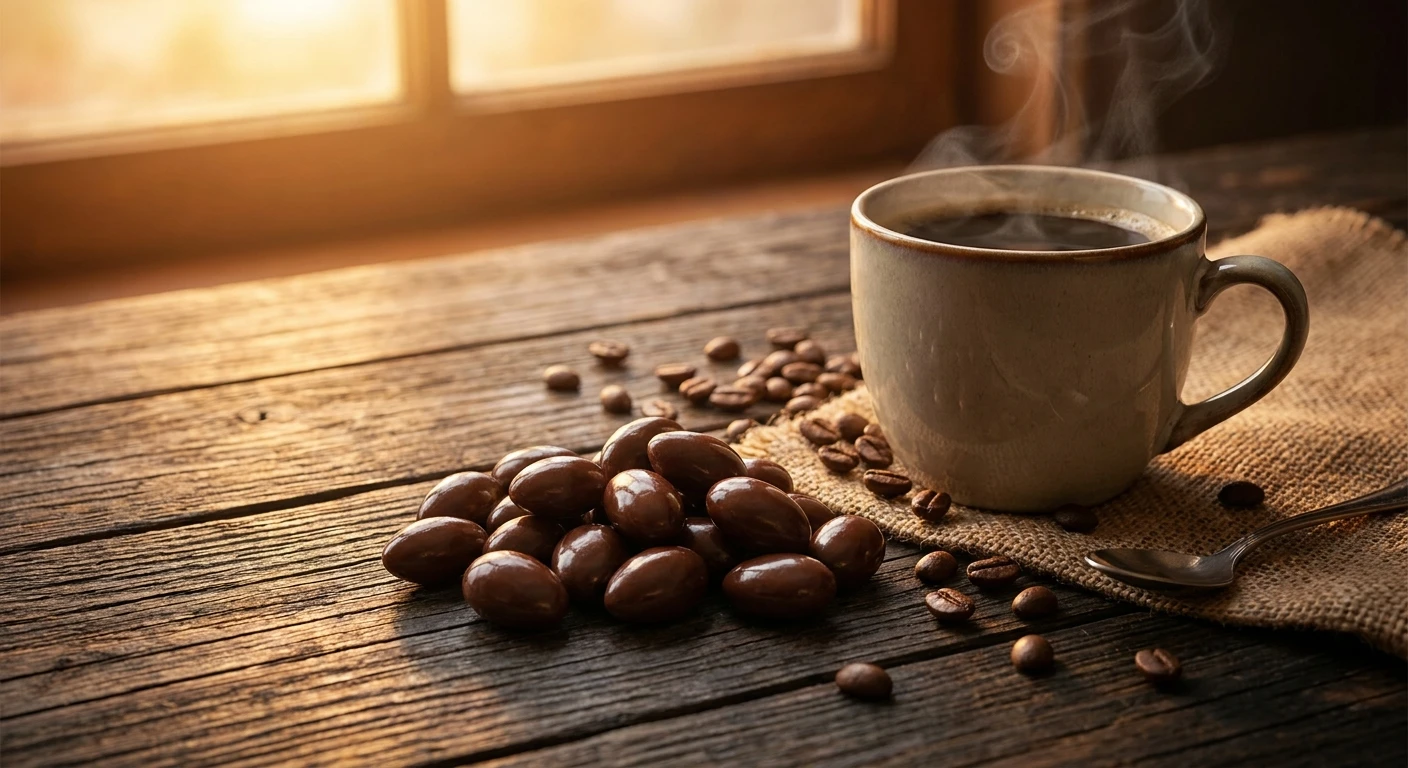
You know I honestly cannot start my workday without a handful of chocolate covered almonds sitting right next to my coffee cup. It is practically a ritual at this point. I remember walking through the cobblestone streets of Lviv during a freezing winter a few years ago. I stopped by a local handmade candy workshop to warm up. Even with all the fancy, elaborate truffles staring at me through the glass, the simple roasted nut coated in rich, dark cocoa was what really caught my eye. The barista handed me a small paper cone filled with these glorious little bites, and the contrast between the intense, slightly bitter shell and the earthy, crunchy center just blew my mind completely.
They aren’t just a snack; they are a perfectly balanced energy source that hits your sweet tooth hard while still actually giving you healthy fats. My core thesis here is simple: you do not need extravagant, complicated pastries when you have a perfectly crafted coated nut. Finding the right balance between genuine indulgence and actual nutrition is what makes this treat so absolutely elite. They give you that quick dopamine hit from the sweetness, but the protein keeps you from crashing an hour later. Honestly, once you start making or finding high-quality versions of these, your whole routine will shift. You will stop buying those sad, waxy store-bought bags immediately.
The Real Magic Behind the Perfect Bite
Listen, there is a massive difference between mass-produced junk and a genuinely well-made batch of these snacks. The core value proposition here is that nutritious meets delicious in the most efficient way possible. Think about it. Example one: it is 3 PM, you are hitting that notorious afternoon slump at work, and you need a quick fix that will not ruin your dinner. A few of these beauties solve the problem instantly. Example two: you need a pre-workout crunch that sits light in your stomach but gives you a quick spike of usable carbohydrates and fat. Again, this snack wins effortlessly.
To really understand what makes them tick, you have to look at how different cocoa percentages interact with the nut itself. I made a quick breakdown for you:
| Chocolate Type | Flavor Profile | Best Paired With |
|---|---|---|
| Dark (70%+) | Intense, slightly bitter, rich and earthy | Black coffee or a bold red wine |
| Milk (45%) | Creamy, very sweet, strong caramel notes | Green tea or a light roast espresso |
| White | Vanilla-forward, buttery, extremely sweet | Matcha or tart, fruity herbal teas |
If you want to pull this off at home and actually get that professional, glossy finish, there is a strict process you have to follow. You can’t just melt a cheap bar and throw the nuts in a bowl. Here is the non-negotiable method:
- Roast the nuts first: You need to bring out the natural oils and ensure maximum crunch. Do not skip this step or your snack will taste stale.
- Temper properly: The snap of the shell is everything. If you skip tempering, you get a dull, melty mess that sticks to your fingers.
- Layer gradually: Patience gives you that perfectly round, thick shell. You have to build it up in stages, letting each thin layer set before adding the next.
A Quick Look Back: How We Got Here
The Ancient Origins of Cacao and Almonds
Let’s talk history for a second because it is actually fascinating. Long before we had shiny candy bags in grocery stores, ancient Mesoamerican cultures were already obsessed with cacao. They consumed it mostly as a bitter, spiced drink. Meanwhile, halfway across the world, almonds were being cultivated in the Mediterranean and the Middle East, prized for their portability and long shelf life. For centuries, these two powerhouse ingredients existed in entirely different worlds, totally unaware of each other.
The European Evolution of Coated Confections
Fast forward to Europe in the 17th and 18th centuries. As global trade routes expanded, sugar became more accessible, and European confectioners started experimenting. They had already been coating nuts in honey and sugar (think early pralines), but once solid chocolate became a thing in the 19th century, somebody had the brilliant idea to combine the two. The panning method was invented, where nuts were tumbled in massive rotating copper bowls while liquid cocoa was slowly poured over them. This created that iconic, uniform layer we all recognize today.
The Modern State of Nut Snacks in 2026
Now that we are solidly in 2026, the snacking trends have shifted massively toward functional, artisanal foods. People are incredibly tired of hyper-processed snacks filled with weird preservatives. The modern iteration of this treat is all about single-origin cacao, ethically sourced nuts, and creative dustings like matcha powder, sea salt, or even spicy chili flakes. It is wild to see how a centuries-old concept has adapted to fit right into our current obsession with clean eating and micro-indulgences.
The Nerd Stuff: Why It Tastes So Good
The Biochemistry of Flavor Pairing
Okay, let me put on my science hat for a minute. Have you ever wondered why this specific combination is so insanely addictive? It comes down to biochemistry and the Maillard reaction. When you roast the nut, amino acids and reducing sugars react to create hundreds of complex flavor compounds. When you pair those roasted, nutty compounds with the pyrazines (the aromatic compounds) found in roasted cocoa beans, your brain basically lights up like a pinball machine. The fats in the cocoa butter also coat your tongue, which slows down the release of the flavor molecules, making the taste linger longer.
Nutritional Synergies Explained Simply
Beyond just tasting incredible, there is a legitimate physiological synergy happening when you eat these two things together. The nutrient profiles actually complement each other perfectly to help your body absorb what it needs without spiking your blood sugar into the stratosphere.
- Antioxidant retention: The dark shell is packed with flavonoids, which protect your cells from oxidative stress, while the nut provides vitamin E, another massive antioxidant.
- Glycemic index stabilization: The fiber and protein in the core drastically slow down the absorption of the sugars from the coating, preventing that horrible mid-afternoon sugar crash.
- Theobromine and caffeine synergy: Cacao contains theobromine, a mild stimulant that increases blood flow and energy gently, completely avoiding the jittery feeling you get from synthetic energy drinks.
The 7-Day Masterclass Plan
Want to make the ultimate batch at home? Forget trying to rush it in an hour. If you want true artisanal quality, you treat it like a project. Here is my personal 7-day method for achieving absolute perfection.
Day 1: Selecting the Perfect Raw Ingredients
You have to start with the best materials. Go to a specialty store and buy raw, unpasteurized nuts if possible. For the coating, pick up a block of high-quality couverture chocolate—at least 70% cacao. Couverture has a higher percentage of cocoa butter, which makes it melt incredibly smoothly and gives you a much better final texture.
Day 2: The Art of the Dry Roast
Preheat your oven to 325 degrees Fahrenheit. Spread your raw nuts out on a baking sheet in a single layer. Roast them for exactly 12 to 15 minutes, tossing them halfway through. You want them fragrant and slightly darkened, but not burnt. Let them cool completely overnight. If they are even slightly warm when you dip them, disaster strikes.
Day 3: Mastering the Tempering Process
This is where most people quit, but you got this. Melt two-thirds of your block over a double boiler until it hits 115 degrees Fahrenheit. Take it off the heat, and stir in the remaining finely chopped third (this is called the seeding method). Stir vigorously until the temperature drops to about 88 degrees. Test it on a piece of parchment paper—if it sets hard and shiny in a few minutes, you nailed it.
Day 4: The First Dipping Session
Toss your cooled, roasted nuts into the tempered bowl. Use a dipping fork to fish them out one by one, tapping off the excess liquid against the side of the bowl. Place them on a silicone mat. This first coat should be very thin. Let them sit at a cool room temperature until completely solid.
Day 5: Adding Creative Dustings and Spices
Once the first layer is hard, you can re-temper your leftover cocoa and do a second dip. While the second layer is still wet and sticky, this is your chance to get creative. Dust them lightly with flaky sea salt, high-grade matcha powder, or even a tiny pinch of cayenne pepper if you like a little heat.
Day 6: Proper Curing and Storage
Do not eat them yet! I know it is tempting. They need a full 24 hours to cure in a cool, dry place (ideally around 65 degrees with low humidity). This allows the cocoa butter crystals to fully stabilize, ensuring they won’t melt instantly the second you touch them.
Day 7: Pairing with Beverages
Finally, the payoff. Brew a fresh cup of whatever you love—pour-over coffee, robust black tea, or even pour a glass of Cabernet. The bitterness of the drink will cut through the sweetness of the candy, elevating the whole experience to a ridiculous level.
Separating Fact from Fiction
People have some wildly inaccurate ideas about this snack. Let me clear up a few things really quickly.
Myth: They are basically just junk food candy.
Reality: If you use dark couverture and a high-quality nut, it is actually a nutrient-dense snack loaded with magnesium, fiber, and healthy monounsaturated fats. The sugar content can be surprisingly low.
Myth: Making them at home requires heavy professional equipment.
Reality: While factories use massive tumbling panning machines, you can get 95% of the same result with a simple glass bowl, a saucepan, a silicone mat, and a little bit of patience.
Myth: You should keep them in the fridge to keep them fresh.
Reality: Absolutely not. The fridge is a damp, humid nightmare for this treat. The moisture will cause the sugar to pull to the surface, creating a grainy white film called sugar bloom. Keep them in a cool, dark cupboard instead.
Rapid Fire FAQ & Final Thoughts
How long do they actually last?
If you store them in an airtight container in a cool pantry, they will easily last up to four weeks without losing any crunch or flavor.
What is the absolute best chocolate to use?
Always go for couverture. My personal favorite sweet spot is around 65% to 70% dark—it provides enough sweetness without masking the roasted flavor of the center.
Can I use salted nuts?
Yes, but be careful. If the nuts are heavily salted, it can overpower the whole bite. I prefer using unsalted and just sprinkling a tiny bit of flaky sea salt on the outside.
Are they vegan?
They definitely can be! Just make sure you are checking the label on your cocoa block to ensure there is no hidden milk powder or butter oil added.
Why does my homemade batch look dull and streaky?
That is called fat bloom, and it happens when you do not temper the cocoa butter correctly. The fat separates and rises to the surface as it cools. It is totally safe to eat, just visually annoying.
Can I freeze them to extend shelf life?
Technically yes, but I do not recommend it. The condensation that forms when they thaw will completely ruin the glossy finish and potentially make the center soggy.
How many should I realistically eat in a day?
A standard healthy portion is about 1 ounce, which roughly translates to 10 to 12 pieces depending on their size. That gives you the nutritional benefits without overloading on calories.
Alright, guys, you officially know everything there is to know about making and enjoying the ultimate batch of chocolate covered almonds. Whether you are grabbing them for a quick energy boost during a busy day in 2026 or taking the time to hand-dip them over the weekend, they truly are the king of snacks. Stop settling for mediocre pantry staples! Go grab some high-quality ingredients, try out my 7-day plan, and let me know how yours turn out!
Leave a Reply