
The Absolute Best Chocolate Fillings for Your Baking Projects
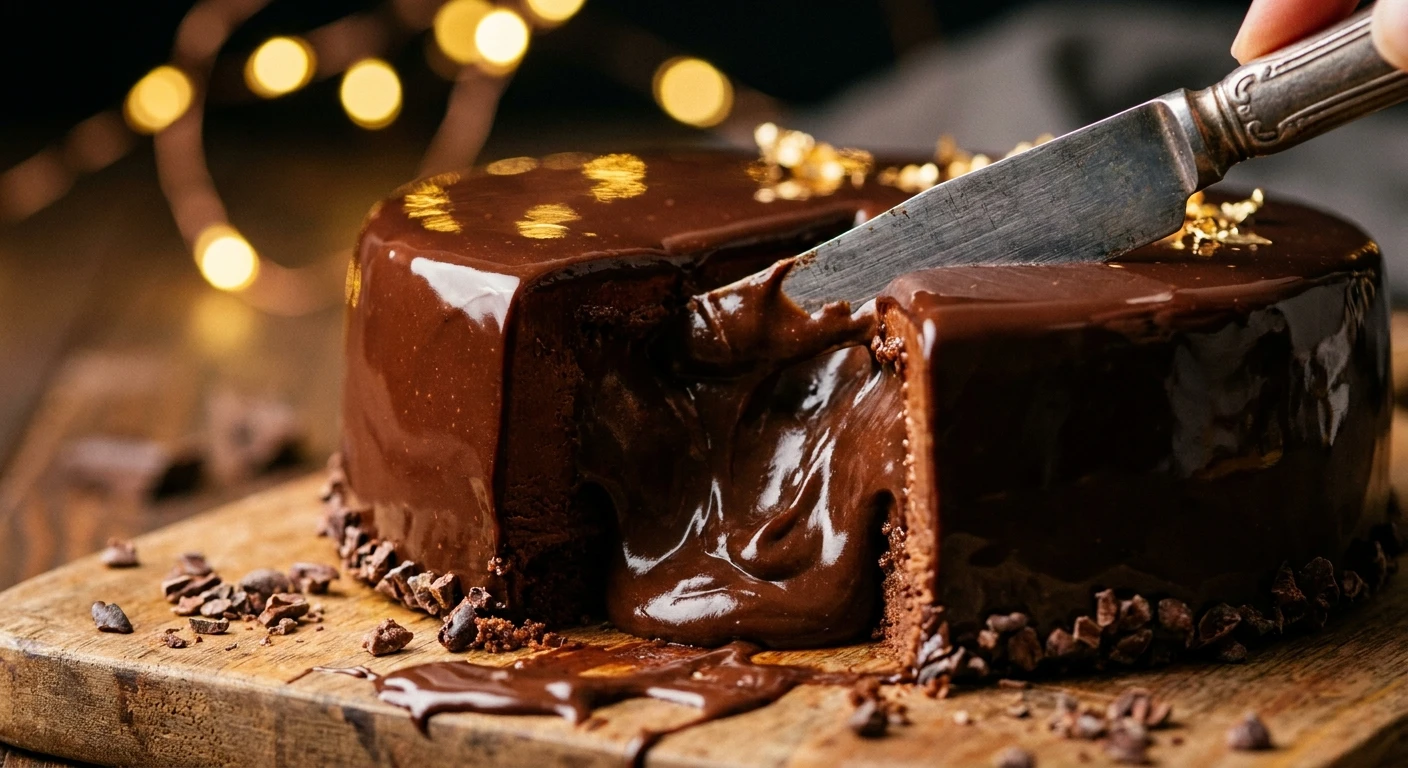
If you want to elevate your homemade desserts from just okay to completely mind-blowing, mastering chocolate fillings is exactly where you start. Honestly, there is nothing quite like slicing into a fresh layer cake and seeing that perfectly smooth, rich, dark center holding everything together. It is the secret weapon of every decent pastry chef. A well-crafted center dictates the moisture, the flavor profile, and the structural integrity of your entire dessert. I vividly remember walking down a cobblestone street in Kyiv’s Podil district a few years ago on a chilly autumn afternoon. I stopped at this tiny, unassuming bakery, drawn in by the overwhelming scent of roasted beans and warm butter. I grabbed a simple-looking tart and sat on a nearby bench. When I took a bite, the center completely caught me off guard—it was this insanely smooth, slightly bitter, perfectly whipped truffle cream that just melted instantly. It wasn’t aggressively sweet; it was pure, unadulterated cocoa perfection. That exact moment completely changed how I look at baking. A plain vanilla sponge or a basic choux pastry is basically just a vehicle for what goes inside it. You need the exact right texture, the precise fat content, and the perfect balance of sweetness to make people pause after their first bite. Whether you are prepping for a simple weekend bake for friends or an elaborate wedding tier, getting your centers right changes the game entirely.
Why You Need to Master Different Textures
Understanding how to manipulate simple ingredients to create drastically different textures is what separates amateurs from true professionals. Listen, you cannot just melt a random bar of grocery store dairy milk and pour it between cake layers—it will harden into a literal brick and ruin the cake when someone tries to cut it with a fork. You need proper emulsions, careful aeration, and deliberate stabilization. Let me give you a couple of clear examples of why this matters. A simple whipped ganache adds immense volume and a luxurious, cloud-like mouthfeel to macarons, while a denser, butter-rich fudge center provides the hardcore structural support needed for a towering, six-tier celebration cake. You adjust the heavy cream ratio depending on whether you want a soft, oozing lava effect for a fondant or a firm, perfectly sliceable layer for an entremet.
Here is a quick breakdown of the most common options you should be working with in your kitchen:
| Type of Filling | Best Used For | Difficulty Level |
|---|---|---|
| Classic Dark Ganache | Macarons, Tartlets, Truffles | Beginner |
| Whipped Milk Chocolate Mousse | Layer Cakes, Eclairs, Cupcakes | Intermediate |
| Praline & Gianduja Blend | Bonbons, Entremets, Choux Pastry | Advanced |
To execute these properly and consistently, you need to set up your kitchen right. You do not need a million expensive gadgets, but you definitely need a few absolute essentials if you want to avoid a grainy, separated mess.
- A highly accurate digital kitchen scale. Measuring by volume (like cups or tablespoons) is basically gambling when it comes to pastry. Grams are the only way to go for consistent results.
- A high-quality immersion blender. This is completely non-negotiable for creating a silky-smooth emulsion without incorporating giant, destructive air bubbles into your mixture.
- A reliable infrared thermometer or a good probe thermometer. Cocoa butter reacts drastically to temperature changes, and guessing will lead to broken, greasy disasters every single time.
Origins of Cacao Centers
Let me take you back a bit to understand where all this comes from. The concept of putting a sweet, soft paste inside a harder shell or a baked good did not just happen overnight. The ancient Mesoamericans were the original masters of cacao, but they strictly drank it. It was a bitter, frothy, ceremonial beverage, often spiced with chili. The idea of solidifying it and turning it into a creamy interior came much later. When the Spanish brought cacao beans back to Europe, it remained a liquid royal drink for centuries. It wasn’t until the industrial revolution that heavy mechanical presses allowed makers to efficiently separate cocoa butter from the cocoa solids, opening the door for actual solid confectionery and smooth interior pastes.
Evolution of European Pastry
By the 19th century, Swiss and French chocolatiers started experimenting wildly with smooth pastes. They quickly realized that by grinding freshly roasted hazelnuts with coarse sugar and combining that oily mass with cocoa, they could create a highly stable, completely delicious paste. This was the birth of gianduja. Around the exact same time, a happy accident in a bustling French kitchen supposedly led to the creation of ganache when a clumsy apprentice accidentally spilled boiling hot cream over chopped couverture. Instead of throwing it away in a panic, the head chef angrily stirred it, quickly realizing it created a luscious, highly stable emulsion that was absolutely perfect for stuffing pastries.
The Modern State of Dessert Centers
Right now, the pastry scene is absolutely wild. Pastry chefs around the globe are pushing culinary boundaries like never before. They are incorporating totally unexpected savory elements like white miso, aged soy sauce, and black garlic into their sweet creations to add umami depth. By the time we hit 2026, the global baking trend has shifted massively toward single-origin beans and plant-based, dairy-free creams. People want to genuinely taste the actual terroir of the bean—whether it’s the bright, fruity, acidic notes of Madagascan cacao or the deep, earthy, tobacco-like tones of Ecuadorian beans. The focus is entirely on pure, clean ingredients rather than overwhelming refined sweetness.
The Science of Emulsions
Okay, let’s talk about what is actually happening in the bowl when you mix these ingredients. Making a smooth paste is fundamentally an intense exercise in chemistry and physics. You are creating an emulsion, which essentially means you are forcefully binding two things that naturally hate each other—fat and water—to live together harmoniously. The fat comes directly from the cocoa butter and dairy cream, while the water content comes from the liquid naturally present in the cream or the fresh fruit purees you might be using. If your ratios are off by even a few percentage points, or if you agitate the mixture at the wrong temperature, the delicate emulsion instantly breaks. You end up with a grainy, horrific, separated mess with a pool of yellow oil just floating on top. Using an immersion blender helps physically break the fat molecules down into microscopic droplets, dispersing them perfectly evenly throughout the water phase, creating a stable matrix.
Temperature Control and Crystallization
When you are working with these ingredients, temperature is literally everything. Cocoa butter is polymorphic, meaning its fat crystals can actually set in multiple different physical shapes depending entirely on how fast or slow it cools down.
- Fat Content: Your couverture needs at least 31% cocoa butter for a genuinely smooth mouthfeel. Standard grocery store chips contain artificial stabilizers that actively prevent proper melting and emulsification.
- Melting Points: Form V crystals (the precise ones you want for a snappy chocolate shell) melt at around 34°C (93°F). For soft interior centers, you actually want a lower melting point so it dissolves instantly the second it touches the tongue.
- Water Activity (aw): This scientific metric is crucial for shelf life. Free water in your mixture actively breeds mold and bacteria. Introducing invert sugars like glucose syrup or trimoline drastically lowers the water activity, keeping your beautiful pastries fresh and completely safe at room temperature for several days.
Day 1: The Basic Emulsion
Let’s do a 7-day masterclass to get you comfortable. Start your week by mastering the classic 1:1 dark ganache. Heat exactly 200g of high-quality heavy cream in a small saucepan and pour it directly over 200g of finely chopped 60% dark couverture in a heatproof bowl. Let it sit totally undisturbed for one full minute to allow the heat to penetrate. Then, using a silicone spatula, stir very slowly starting strictly from the center outwards. Do not ever use a whisk; whisking forces unwanted air into the mixture, which ruins the dense, velvety texture you are going for.
Day 2: The Aeration Technique
Now that you have the basic dense version down perfectly, let’s make a much lighter whipped version. Change your ingredient ratio to 1 part couverture to exactly 2 parts heavy cream. Perform the exact same pouring and emulsifying technique. Once mixed smoothly, cover the surface directly with plastic wrap and chill the entire mixture completely in the fridge overnight. The very next day, take it out and whip it gently with an electric hand mixer until it barely holds medium peaks. It is now absolutely perfect for generously piping onto massive cupcakes.
Day 3: Nut Praline Infusions
Take a jar of incredibly high-quality, freshly ground hazelnut praline paste. Fold a generous, heaping spoonful directly into yesterday’s base recipe. The natural, roasted oils from the nuts will significantly soften the final set of the cream, creating a spectacularly rich, fudgy interior that perfectly mimics the inside of a famous, expensive, gold-wrapped commercial truffle.
Day 4: Fruit Puree Substitutions
Let’s completely swap out the dairy cream for something much brighter. Heat up a vibrant, highly acidic passionfruit puree instead of heavy cream. Pour this hot, tart liquid over a bowl of high-quality white chocolate (which is inherently sweeter and balances the aggressive acid perfectly). The resulting center is incredibly vibrant, tangy, and cuts through any heavy sponge cake beautifully.
Day 5: Adding Texture and Crunch
Smooth is obviously great, but textural contrast is substantially better. Fold in a handful of feuilletine flakes (crispy, ultra-thin crepe shards) or heavily roasted cacao nibs directly into your set mixture just moments before piping it into your cake layers. It gives a completely surprising crunch that single-handedly elevates the whole dessert from homemade to bakery-level.
Day 6: Caramel Blends
Make a traditional dry caramel by carefully melting granulated sugar in a wide saucepan until it reaches a deep, smoking amber color. Carefully deglaze this dangerously hot sugar with warm heavy cream, whisking frantically. Then, pour that freshly made boiling caramel-cream over a bowl of milk couverture. A massive pinch of flaky sea salt right at the end here is absolutely mandatory to cut the intense, cloying sweetness.
Day 7: The Masterpiece Assembly
It’s finally time to put it all together. Bake your absolute favorite dark, moist sponge cake. Level the layers perfectly. Smear the crunchy praline paste right on the bottom, pipe a thick, protective border ring of the dark ganache to act as a dam, and fill the entire center cavity with the tangy passionfruit blend. You now have a highly complex, multi-textured, professional-level dessert sitting right on your own kitchen counter.
Myth: You can just melt baking chips for a quick center.
Reality: Standard store-bought baking chips have anti-caking agents, thickeners, and significantly lower fat percentages specifically meant to hold their physical shape in a 400-degree oven. They will result in a thoroughly grainy, clumpy, waxy texture that feels awful in the mouth. Always invest in high-quality couverture blocks or professional callets.
Myth: Seized chocolate is completely ruined and must go in the trash.
Reality: If your mixture seizes up aggressively due to a tiny, accidental drop of water, you can actually save it by adding vigorously boiling water a single teaspoon at a time and whisking frantically until it completely smooths out again. It definitely won’t work for snappy tempering anymore, but it’s totally, 100% fine for a soft cake interior.
Myth: Ganache needs to be shoved in the refrigerator immediately.
Reality: A properly emulsified mixture with the correct sugar and fat content can sit safely at average room temperature for a couple of days without going bad. Refrigerating it too rapidly can cause heavy condensation, introducing unwanted water and completely ruining the smooth texture.
Myth: White chocolate behaves exactly like dark when making recipes.
Reality: White varieties have zero actual cocoa solids and drastically higher sugar and dairy content. It burns exponentially faster and requires significantly less liquid when formulating a recipe, otherwise, it will turn into soup.
Can I use regular milk instead of heavy cream?
Absolutely not. Regular milk has far too much water and not nearly enough fat. Your final mixture will be extremely runny, lacking structure, and simply won’t set up properly, no matter how long you chill it.
Why did my beautiful mixture suddenly split?
Usually, the liquid cream was way too hot when poured, literally cooking the cocoa solids, or you impatiently stirred it way too aggressively before the temperatures had a chance to gently equalize in the bowl.
How do I fix a horribly split emulsion?
Do not panic. Add a tiny splash of freezing cold heavy cream and use your trusty immersion blender, forcing a powerful vortex to aggressively bring the fat and water molecules back together.
Can I successfully freeze these mixtures for later?
Yes! Most high-fat centers freeze beautifully and securely for up to three full months. Just ensure you thaw them very slowly in the fridge overnight rather than blasting them in a microwave.
What is the absolute best cocoa percentage to use for beginners?
For a perfectly balanced, deeply flavorful, but not-too-sweet cake interior, stick to a solid percentage somewhere strictly between 55% and 65%.
Can I easily make these recipes vegan?
Absolutely. High-quality, full-fat canned coconut milk or professional barista oat cream works as a truly brilliant, seamless 1:1 substitute for heavy dairy cream.
Does the ambient temperature of my kitchen actually matter?
Huge yes. Working in a boiling hot, humid kitchen in the middle of summer will make it incredibly difficult for the delicate cocoa butter to crystallize properly, leading to endless frustration.
Wrapping this all up, getting highly comfortable with these advanced techniques simply takes a bit of dedicated practice, patience, and strict attention to detail. Once you genuinely nail the precise temperatures and basic ratios, you unlock a completely new, exciting level of baking. Grab your digital kitchen scale right now, order some high-quality couverture online, and start experimenting wildly with these recipes today! Let me know how your next massive cake project turns out.
Leave a Reply