
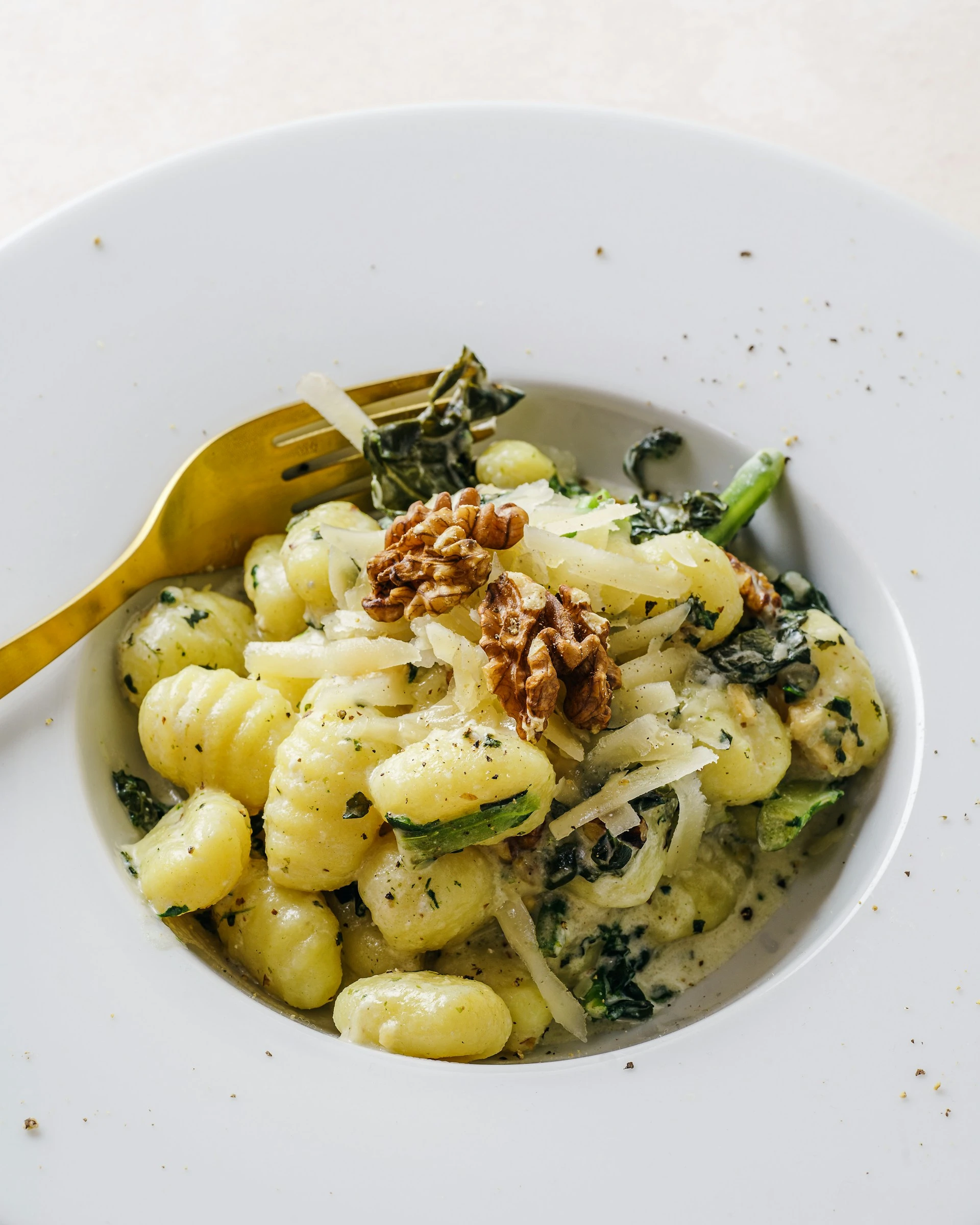
Gnocchi Maison: Secrets to Authentic Homemade Pasta
There is something about a bowl of warm, pillowy gnocchi that just hits differently. Maybe it is the way they melt in your mouth or how they carry a sauce better than almost any other pasta. If you have ever tried making them at home and ended up with something more like a gummy rubber ball than a light cloud, do not worry. You are definitely not alone. Honestly, it happens to the best of us.
Making gnocchi is a bit like a science experiment where the variables are potatoes, flour, and a whole lot of patience. But once you get the hang of it, you will never want to go back to those vacuum-sealed packs from the grocery store. Seriously, those store-bought ones are basically edible erasers compared to the real deal. In a place like Canada, where we crave comfort food for about eight months of the year, mastering this is basically a survival skill.
The Great Potato Debate
The most important thing to get right is the potato. You cannot just grab any bag of spuds and expect magic. For gnocchi, you want a potato that is starchy and dry. In Canada, your best bet is almost always a Russet. Why? Because they have less water. Water is the enemy of a light gnocchi. If your potatoes are waxy, like red or new potatoes, they will hold too much moisture, and you will end up adding way too much flour to compensate. Know what? That is exactly how you get “sinkers” instead of “floaters.”
And here is a pro tip: bake your potatoes instead of boiling them. When you boil them, they soak up water. When you bake them on a bed of coarse salt, the moisture escapes as steam, leaving you with a dry, fluffy interior. It takes longer, sure, but the results are worth the extra hour. Just prick them with a fork and let the oven do the heavy lifting.
Ingredients and Ratios
The beauty of gnocchi is its simplicity. You only need a few things, but they have to be high quality. Most traditional recipes will tell you to use “00” flour, which is super fine. If you can find it at a local Italian grocer in Toronto or Montreal, grab it. If not, all-purpose flour works just fine. Just do not overwork it. Seriously, treat that dough like a fragile secret.
Here is a quick look at what you will need for a solid batch that feeds four hungry people:
| Ingredient | Quantity | Note |
|---|---|---|
| Russet Potatoes | 1 kg | About 3-4 medium ones |
| Flour | 250g – 300g | Add slowly as needed |
| Egg | 1 large | Helps bind everything |
| Salt | 1 tsp | For the dough |
How to Handle the Dough Without Losing Your Mind
Once your potatoes are cooked and still warm, you need to mash them. Но ось нюанс: do not use a regular masher. You want a potato ricer. It makes the potato come out like little strands of snow, which keeps the dough light. If you over-mash them into a sticky paste, you have already lost the battle. Honestly, it is all about air.
Mix in your flour and egg gently. This is not bread; you are not trying to develop gluten. You want to fold it until it just comes together. If you knead it like a pizza dough, it will get tough. The dough should feel a bit tacky but not stick to your hands. It is a fine line, but you will feel it.
- Dust your work surface with plenty of flour so things do not get messy.
- Roll the dough into long ropes about the thickness of your thumb.
- Cut them into small bite-sized pieces with a bench scraper or a knife.
- Use a fork or a gnocchi board to create ridges. These are not just for looks; they hold the sauce!
Cooking and Serving
Cooking gnocchi is the easiest part, but it moves fast. Get a big pot of salted water boiling. Drop them in, and as soon as they float to the surface, they are done. This usually takes about 2 to 3 minutes. Have your sauce ready in a pan nearby so you can toss them in immediately. Do not let them sit in a colander, or they will stick together faster than you can say “mamma mia.”
What kind of sauce? Well, that depends on your mood. A simple brown butter and sage sauce is incredible because it lets the potato flavor shine. If you want something heartier, a slow-cooked lamb ragu or a classic tomato basil sauce works wonders. In the cold Canadian winter months, a creamy gorgonzola sauce is basically a hug in a bowl.
Why Texture Is Everything
The difference between “okay” gnocchi and “restaurant-quality” gnocchi is almost entirely in the texture. It should be delicate. When you bite into it, it should give way without any resistance. If it feels chewy, you probably added too much flour or worked the dough too hard. It is a common mistake, so do not beat yourself up if the first batch is a bit “heavy.”
It is also worth noting that gnocchi does not keep very well once it is made into dough. You want to cook it pretty much right away. If you need to make it ahead of time, you can freeze them on a tray and then toss them into a bag once they are frozen solid. Just cook them straight from frozen when you are ready.
| Style | Best Sauce Pairings | Vibe |
|---|---|---|
| Classic Potato | Brown Butter & Sage | Elegant and light |
| Ricotta Gnocchi | Tomato & Basil | Fast and fluffy |
| Spinach Gnocchi | Creamy Gorgonzola | Rich and earthy |
Common Mistakes to Avoid
We have all been there. You follow a recipe and it still goes sideways. Here are a few things that usually go wrong:
- Too much flour: This makes them heavy. Use the minimum amount needed to stop them from sticking.
- Cold potatoes: If the potatoes cool down too much before you add the flour, they won’t incorporate well.
- Overcrowding the pot: Cook them in batches. If you dump 50 gnocchi in at once, the water temperature drops and they turn into mush.
The Cultural Connection
In many Italian-Canadian households, making gnocchi is a Sunday tradition. It is a slow process that involves the whole family. One person peels, one rices, another cuts. It is as much about the conversation as it is about the food. Even if you are making it solo, there is something meditative about the process. It forces you to slow down and just be in the moment. Plus, your kitchen will smell like a dream.
And let’s be honest, in the middle of a Canadian winter, there is nothing better than a kitchen that smells like roasted potatoes and simmering sauce. It is the ultimate comfort food that warms you from the inside out. It is better than any takeout, and honestly, cheaper too.
Gnocchi Varieties Beyond the Potato
While potato is king, you can definitely experiment once you have the basics down. Gnocchi nudi (or “naked” gnocchi) are made with ricotta and spinach instead of potatoes. They are even lighter and faster to make because you don’t have to wait for potatoes to bake. They are basically the insides of a ravioli served as a dumpling. Pretty cool, right?
- Ricotta Gnocchi: Use drained ricotta for a super fast weeknight dinner.
- Sweet Potato Gnocchi: Adds a nice sweetness that pairs great with spicy sausage.
- Pumpkin Gnocchi: Perfect for the fall, especially with a bit of cinnamon and sage.
Tools of the Trade
You do not need a lot of fancy equipment, but a few things make life a lot easier. A potato ricer is non-negotiable if you want that perfect texture. A bench scraper is also super handy for cutting the dough and cleaning up your floury workspace afterward. And if you want those professional-looking grooves, a small wooden gnocchi board is a cheap and fun tool to have in your drawer. If you don’t have one, just use a fork. It works fine!
Don’t sweat it if they don’t look perfect. The “rustic” look is part of the charm. As long as they taste good, no one is going to care if one is slightly bigger than the other. In fact, it just proves they are handmade! That is what makes them “gnocchi maison,” after all.
Getting the Seasoning Right
Don’t forget to season every layer. Salt the potato water if you boil them (though we talked about baking being better). Salt the dough. And most importantly, salt the water you cook the gnocchi in. It should taste like the sea. Since the gnocchi only spends a few minutes in the water, this is your last chance to get flavor into the pasta itself. A little pinch of nutmeg in the dough also adds that classic Italian vibe.
Storing and Freezing
If you find yourself with a mountain of gnocchi, don’t worry. They freeze beautifully. Lay them out on a baking sheet lined with parchment paper, making sure they aren’t touching. Put the whole tray in the freezer for about an hour. Once they are hard, you can throw them into a freezer bag. They will stay good for a couple of months. When you’re ready to eat, don’t thaw them-just drop them straight into boiling water. Easy peasy.
The Final Toss
The “finish” in the pan is where the magic happens. Instead of just pouring sauce over the gnocchi on a plate, add the cooked gnocchi to your sauce pan with a splash of the starchy cooking water. Toss it gently over medium heat. The starch in the water helps the sauce emulsify and cling to the ridges of the gnocchi. You’ll get that glossy, restaurant-style finish that makes everyone think you’ve been taking secret cooking classes.
So, next time you’re thinking about a cozy dinner, skip the box and try making them yourself. It might take a try or two to get the “cloud” texture down, but honestly, even the mistakes are usually pretty tasty. Just keep the flour light, the potatoes dry, and the wine flowing. It is all about the process, anyway.
What kind of potatoes are best for gnocchi?
You definitely want to go with starchy potatoes like Russets. They have a high starch content and low moisture, which is the secret to getting that light, fluffy texture. Stay away from waxy red potatoes if you can help it, as they can make the dough gummy.
Do I really need a potato ricer?
Honestly, if you want that pillowy texture, yes. A ricer ensures there are no lumps and keeps the potato light and airy. If you use a regular masher, you risk overworking the starch and ending up with heavy, dense gnocchi.
Why did my gnocchi fall apart in the water?
This usually happens if there isn’t enough binder (flour or egg) or if the potatoes were too wet. If your dough feels too soft, add a tiny bit more flour. Also, make sure your water is at a gentle boil, not a violent one, so it doesn’t break the delicate gnocchi apart.
Can I make the dough in advance?
It is not the best idea. The potato dough can start to oxidize and turn a weird grey color, and it often gets sticky as it sits. It is best to shape and cook them immediately, or freeze them right after shaping if you need to save them for later.
Is it better to bake or boil the potatoes?
Baking is the pro move. Boiling introduces too much water into the potato, which means you’ll need more flour, resulting in tougher gnocchi. Baking them on a bed of salt draws out the moisture and gives you the best base for a light dough.
What is the secret to the ridges?
Those ridges aren’t just for decoration-they’re sauce traps! You can use a gnocchi board or just the back of a fork. The key is a light touch. Just roll the piece of dough over the tines to create a little indent and a small hollow on the back.
Can I make gnocchi without eggs?
You can! Traditional “gnocchi di patate” often uses just potato and flour. However, adding an egg makes the dough much easier to work with, especially for beginners. It acts as a safety net to keep everything together while cooking.
Conclusion
Making gnocchi at home is one of those skills that feels like a superpower once you master it. It is cheap, uses basic pantry staples, and tastes a million times better than anything you can buy at the store. Remember to keep things simple: choose the right potatoes, don’t overwork the dough, and trust your hands. Whether you’re tossing them in a simple butter sauce or a rich meat ragu, the effort you put into making them from scratch will show in every bite. Happy cooking, and don’t forget the parmesan!
Leave a Reply