
The Secret to Perfect Fried Peppers
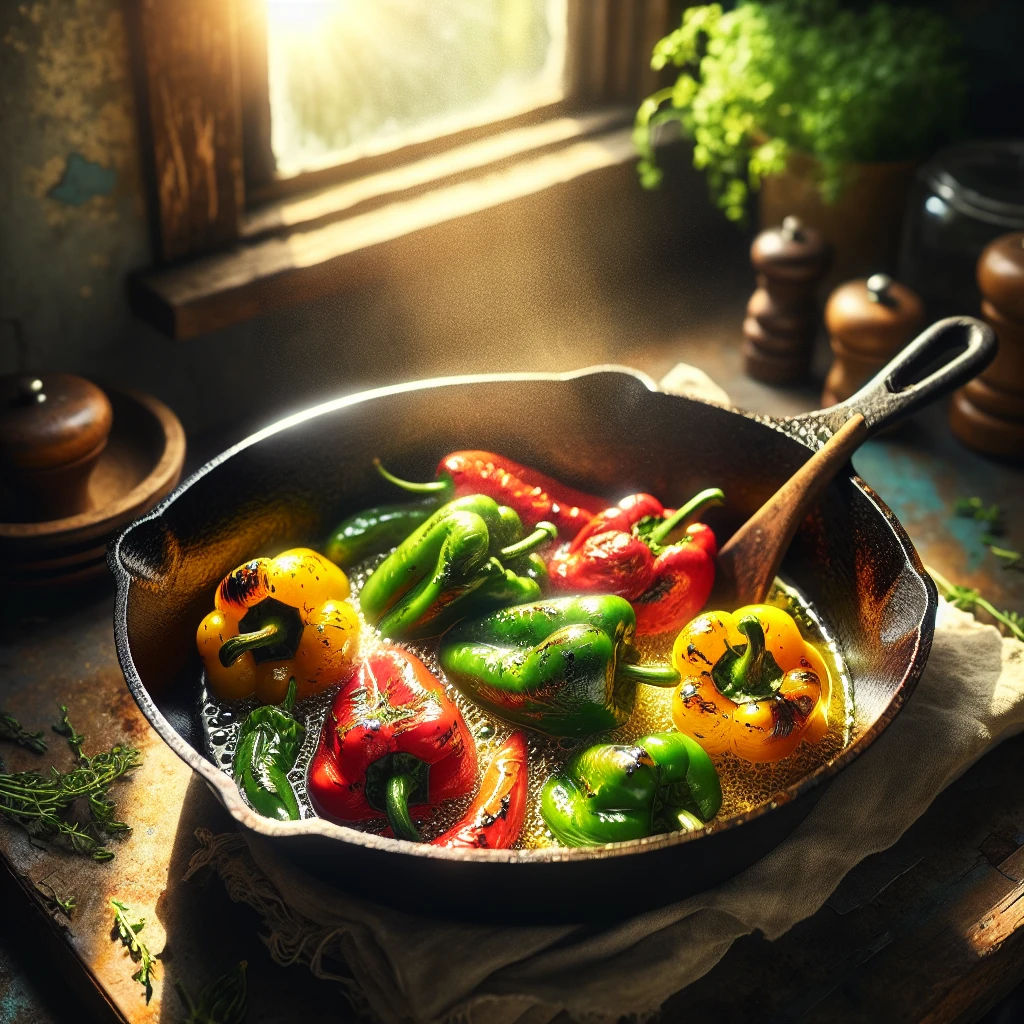
Have you ever wondered why perfectly fried peppers taste so much better at a rustic countryside bistro than they do when you try making them in your own kitchen? The answer lies in the technique. Last summer, while visiting my grandmother in a small, quiet village near Poltava, Ukraine, I watched her toss freshly picked, vibrant bell peppers into a heavy, well-seasoned cast-iron skillet directly over an open wood fire. The sound of the immediate, aggressive sizzle, followed by the intoxicating aroma of charring skins mixing with rich, golden sunflower oil, completely changed my perspective on this seemingly basic dish. It wasn’t just a side dish; it was a masterclass in flavor extraction.
Getting that perfect blistered exterior and juicy, tender interior without turning your kitchen into an oil-splattered disaster zone requires a bit of finesse. Nobody wants a soggy, unappealing, oil-logged mess on their dinner plate. You want bright, eye-catching colors, intensely bold and sweet flavors, and a texture that offers a satisfying snap before melting in your mouth. We are skipping the unnecessary fluff and getting straight into the exact methods you can use to replicate that grandmother-level culinary magic right in your modern home. By following these highly specific steps, you will easily elevate a humble, everyday vegetable into a show-stopping appetizer or the absolute star of your weekend dinner table. Grab your favorite skillet, and let’s get cooking.
The Core Mechanics of Frying Capsicums
When you take a fresh pepper and introduce it to smoking hot oil, a rapid, beautiful chemical reaction takes place. The intense, sudden heat aggressively breaks down the complex cellular walls and natural sugars of the vegetable. This creates a deeply caramelized, savory edge that perfectly balances out the slight, natural bitterness of the vegetable’s skin. This isn’t just basic cooking; it is precision flavor extraction. Why should you spend time mastering this specific technique? First, it acts as the absolute ultimate flavor booster for otherwise bland meals. Imagine topping a plain, boring bowl of white rice with freshly blistered shishitos—it is an instant gourmet upgrade. Second, it is a massive time saver. You get incredibly complex, restaurant-quality results in well under ten minutes.
| Pepper Type | Optimal Frying Heat Level | Resulting Flavor Profile |
|---|---|---|
| Sweet Bell Peppers | Medium-High | Incredibly sweet, mild, thick, and juicy |
| Shishito / Padrón | High (Quick, Aggressive Sear) | Smoky, earthy, with occasional sharp spice |
| Jalapeño / Serrano | Medium (Slow Blister) | Sharp, deeply spicy, robust, and savory |
To guarantee success every single time, you absolutely must follow these three non-negotiable rules for pan-frying:
- Choose the absolute right pan: A heavy-bottomed cast iron skillet or carbon steel pan is required for retaining the necessary high heat. Flimsy aluminum pans will drop in temperature the second the vegetables hit the metal, resulting in steaming rather than frying.
- Control the moisture aggressively: Wet vegetables immediately equal steamed, mushy vegetables. Always wash your produce, but dry them obsessively with paper towels before they ever touch the hot oil to prevent dangerous splattering and ensure a crispy skin.
- Never overcrowd the cooking space: Give the vegetables plenty of space to breathe in the pan. If they are piled on top of each other, they will simply boil in their own released juices rather than developing those beautiful, dark blister marks.
Now, in 2026, we are seeing a massive shift in home kitchens towards using high-smoke-point avocado oil for this exact application. It handles the blistering temperatures beautifully without breaking down or smoking out your entire apartment, leaving you with purely the flavor of the vegetable itself.
The Deep Historical Roots
Ancient Origins in the Americas
The story of roasting and cooking capsicums over high heat dates back thousands of years to Central and South America. Indigenous tribes discovered early on that applying intense fire to these wild plants unlocked a sweetness that raw consumption simply could not provide. Using primitive, flat, heated stones placed over hot coals, they would dry-roast or lightly fry the native varieties. This ancient technique was essential not just for immediate flavor, but for preservation, allowing the tribes to store the cooked, dried flesh for harsher seasons. It was a foundational culinary pillar for entire civilizations long before European contact.
The Great European Evolution
When Spanish and Portuguese explorers finally brought these seeds back across the Atlantic, the culinary landscape of Europe changed forever. The Mediterranean climates of Spain and Italy proved to be the absolute perfect environment for growing these plants. Local cooks quickly adopted their traditional frying methods to this new, exotic ingredient. Suddenly, dishes like Italian peperonata or the iconic Spanish Padrón peppers were born in rustic, countryside kitchens. It became the ultimate peasant food—cheap to grow, highly abundant during the late summer months, and incredibly delicious when tossed in the newly pressed olive oil of the region. Frying them was the fastest way to feed a hungry family returning from the fields.
The Modern Culinary State
Fast forward to the modern era, and the humble fried pepper has transitioned from a rustic, rural necessity into a highly sought-after gourmet staple in high-end bistros around the globe. From cozy neighborhood tapas bars to sprawling, Michelin-starred tasting menus, the simple act of blistering a pepper in hot oil commands respect. Chefs have realized that you cannot fake the complex, smoky sweetness that this technique provides. It is universally loved because it bridges the gap between comforting home cooking and elevated dining. It serves as a beautiful reminder that sometimes, the oldest, simplest methods of preparing food are still undeniably the best.
The Scientific Mechanics of the Sear
The Maillard Reaction Explained
When you drop a pepper into a pan of shimmering oil, you are triggering one of the most important chemical processes in all of cooking: the Maillard reaction. This is the intricate reaction between amino acids and reducing sugars that occurs under high heat (typically above 285°F or 140°C). As the exterior skin heats up rapidly, these compounds rearrange themselves into hundreds of brand new, highly complex flavor molecules. This is exactly what gives the blistered, blackened skin its distinctive, irresistible umami flavor. It isn’t just burning; it is the deliberate construction of savory flavor profiles at a microscopic level. Without this reaction, the vegetable remains intensely grassy and one-dimensional.
Nutritional Retention and Bioavailability
A major concern people have is whether subjecting vegetables to such extreme heat destroys their nutritional value. Surprisingly, flash-frying is highly efficient. Because the cooking process is so incredibly fast, a massive amount of the water-soluble Vitamin C remains entirely intact within the fleshy walls of the vegetable, far more than if you were to boil or slow-roast them for an hour. Furthermore, cooking them in high-quality fats actually enhances the bioavailability of fat-soluble nutrients like Vitamin A and Vitamin E, allowing your body to absorb them much more efficiently.
- The extreme heat creates microscopic fissures in the tough outer skin, allowing the cooking oil to penetrate slightly and soften the inner flesh rapidly without turning it to mush.
- Capsaicin, the active compound responsible for the heat in spicy varieties, binds highly effectively to cooking oils. This actually mellows out the extreme spice levels, making fiery varieties much more palatable.
- Flash frying at the optimal temperature of 375°F (190°C) instantly seals the exterior, significantly preventing excess oil absorption and keeping the final dish remarkably light and non-greasy.
The 7-Day Fried Pepper Flavor Guide
To truly master this technique, you need to experience how versatile it can be. Here is a robust, actionable seven-day menu plan to help you explore the incredible range of flavors you can achieve in your own kitchen.
Day 1: Classic Garlic and Olive Oil
Start your journey with the undisputed classic. Slice bright red and yellow bell peppers into thick strips. Heat extra virgin olive oil in your skillet over medium heat, add the strips, and let them sit undisturbed until dark blisters form. Toss in a few heavily smashed garlic cloves during the last two minutes of cooking. The garlic will perfume the oil, coating the sweet strips in a deeply savory, aromatic gloss. Serve this simply with a piece of crusty bread.
Day 2: Smoky Spanish Padróns
For day two, we go traditional Spanish tapas style. Get a batch of whole, fresh Padróns (or shishitos if you can’t find them). Heat your cast-iron skillet until it is literally smoking. Add a high-smoke-point oil, toss in the whole vegetables, and shake the pan aggressively for exactly three minutes. The skins should pop and char beautifully. Remove them from the heat and immediately shower them in coarse, crunchy sea salt. Eat them by the stem.
Day 3: The Asian-Inspired Soy Glaze
Take things in a completely different direction. Pan-fry a batch of whole shishitos exactly as you did on day two, but the moment you pull the skillet off the heat, toss them in a quick mixture of dark soy sauce, a few drops of toasted sesame oil, and a dash of rice vinegar. The residual heat of the pan will reduce the liquids into a sticky, sweet, and savory glaze. Top with toasted white sesame seeds for an incredible crunch.
Day 4: Spicy Jalapeño Coins for Tacos
It is time to bring the heat. Slice fresh, firm jalapeños into thick, quarter-inch coins. Fry them in a small amount of neutral oil over medium heat. You want to cook them slower so the thick flesh softens and the edges get perfectly browned and caramelized. This process significantly tames their aggressive bite while enhancing their underlying sweetness. Pile these charred coins high on top of your favorite beef or chicken tacos for an unparalleled flavor upgrade.
Day 5: Sweet and Sour Agrodolce
Let’s dive into Italian-inspired sweet and sour notes. Fry large chunks of sweet green and red bells until they are deeply blistered and completely soft. Turn the heat down to low, and splash in two tablespoons of high-quality red wine vinegar along with a heavy pinch of white sugar. Let this mixture bubble, reduce, and coat the vegetables in a syrupy, tangy glaze. This agrodolce style is absolutely phenomenal when served alongside rich, roasted pork or grilled sausages.
Day 6: The Ultimate Breakfast Hash
Don’t limit this technique to just dinners. Dice up any leftover raw peppers you have in your crisper drawer. Fry them aggressively in butter or oil until crispy on the edges, then toss in diced, pre-boiled potatoes and diced onions. Press everything down into the skillet to form a beautiful, crispy crust. Crack a fresh egg directly over the top of the hash, cover for two minutes, and enjoy the ultimate savory weekend breakfast.
Day 7: The Grand Pepper Medley
Combine everything you have learned into one massive, colorful weekend side dish. Mix thick slices of sweet bells, halved jalapeños, and whole shishitos. Fry them in batches to ensure you don’t overcrowd the pan, getting perfect caramelization on every single piece. Toss them all together in a large serving bowl with a squeeze of fresh lemon juice, a drizzle of your best olive oil, and lots of flaky salt. It is a stunning, vibrant dish that celebrates the vegetable in all its forms.
Myths vs. Reality
Myth: You absolutely need a massive, messy deep fryer to make good crispy peppers at home.
Reality: A shallow pan fry in a standard, heavy-bottomed skillet works perfectly. It uses significantly less oil, is much safer, and actually provides better, more uneven charring which adds character and texture to the final dish.
Myth: Frying completely destroys all the healthy nutrients and vitamins in the vegetable.
Reality: Fast, high-heat flash-frying actually retains most of the delicate Vitamin C, while simultaneously making fat-soluble vitamins (like A and E) much easier for your digestive system to absorb.
Myth: Only extremely spicy varieties are worth the effort of pan-frying.
Reality: Sweet, thick-walled bell peppers develop incredibly complex, deep caramelization when subjected to high heat, transforming their flavor profile so drastically that they almost taste like savory vegetable candy.
Myth: You must meticulously remove all the seeds and white membranes before cooking.
Reality: For many smaller varieties like shishitos, padróns, and even small jalapeños, cooking and eating them entirely whole with the seeds completely intact is deeply traditional, absolutely safe, and highly delicious.
Frequently Asked Questions & Final Thoughts
Can I use standard butter instead of cooking oil?
Regular butter contains milk solids that will burn rapidly at the high temperatures required for blistering. If you want a buttery flavor, strictly use clarified butter (ghee) or stick to high-smoke-point oils.
Do I need to peel off the charred skin before eating?
Absolutely not. The blistered, blackened skin is the entire point of the dish. It adds fantastic textural contrast and a deeply complex, smoky flavor profile that you simply cannot get otherwise.
How long do they stay perfectly crispy?
Because of their high internal water content, they will soften quite quickly as they cool down on the plate. For the absolute best crunch, you need to serve and eat them immediately right out of the hot pan.
Can I safely reheat them the next day?
Yes, but avoid the microwave at all costs as it will turn them to total mush. Reheat them quickly in an air fryer set to 400°F or toss them back into a screaming hot, dry skillet for two minutes.
Are pan-fried peppers considered Keto-friendly?
Yes, absolutely. They are naturally very low in carbohydrates and, when cooked in healthy, high-quality fats like avocado or olive oil, they fit perfectly into a strict ketogenic lifestyle.
Should I cover the pan with a lid while they cook?
Never. Covering the pan heavily traps the evaporating steam inside. This will instantly ruin the crispiness, and you will end up boiling the vegetables instead of frying them.
What is the absolute best salt to use for finishing?
A large, flaky sea salt (like Maldon) applied generously right after they leave the pan and are still glistening with oil. The large flakes provide a satisfying, salty crunch that elevates the whole experience.
Mastering this incredibly simple yet highly rewarding cooking method will fundamentally change the way you approach vegetable side dishes. You no longer have to settle for boring, steamed greens or bland, raw side salads. By understanding the intense relationship between high heat, quality oil, and fresh produce, you unlock a completely new tier of home cooking. So, dust off your heaviest cast-iron skillet, head to your local market to pick up the freshest, most vibrant peppers you can find, and put this guide to the test tonight. Drop a comment below and let me know which of the seven days turned out to be your absolute favorite!
Leave a Reply