

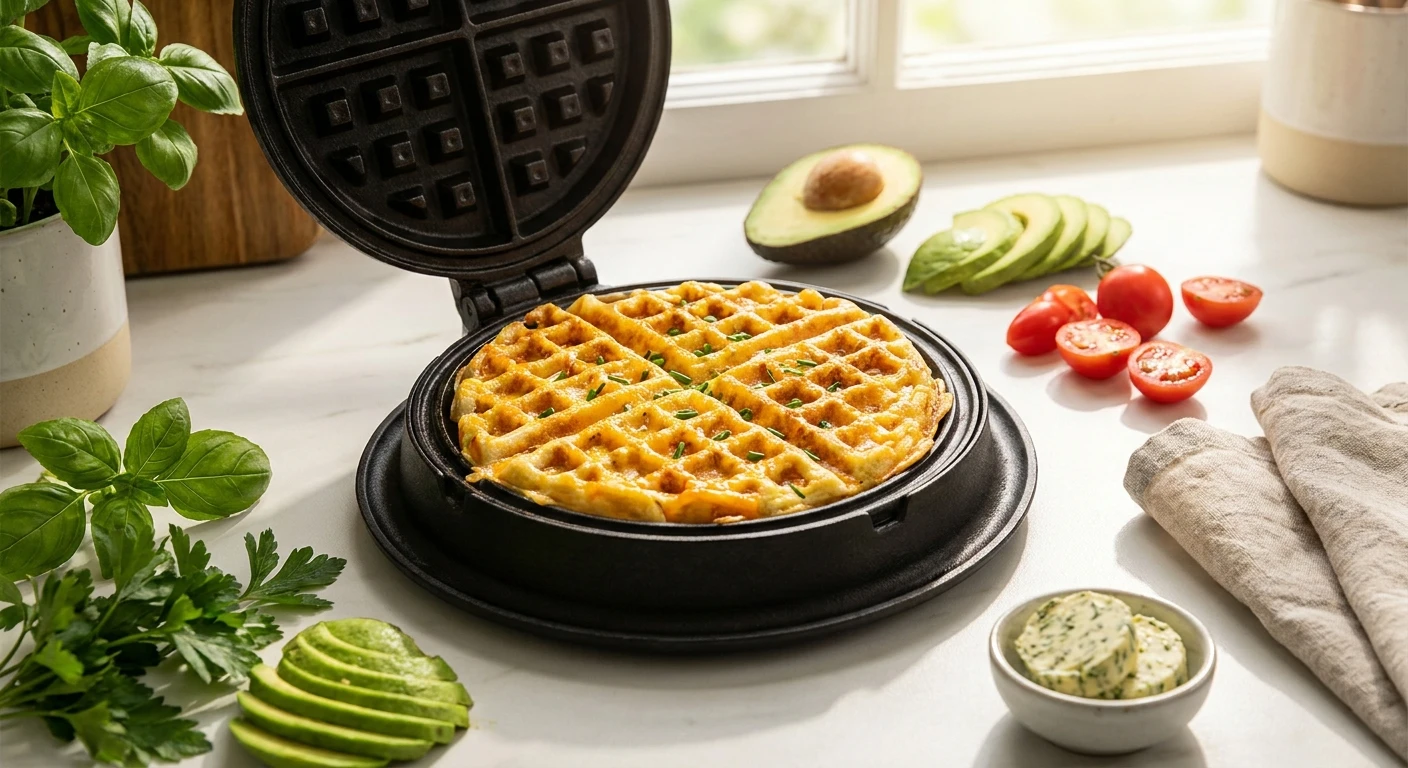
Cooking Innovations That Are Not a Waffle
When you pull out that grid-patterned kitchen appliance, creating something that is literally not a waffle might seem completely counterintuitive. However, repurposing this common household gadget has become one of the smartest culinary moves for home chefs everywhere. The fundamental premise is incredibly simple: you have a high-heat, dual-sided press that maximizes surface area and creates delightfully crisp edges on whatever sits between its heavy plates. Why limit yourself to a basic flour, egg, and milk batter? By expanding your perspective, you unlock an entire universe of quick meals, snacks, and gourmet desserts. From savory egg-and-cheese mixtures to pre-made doughs and repurposed holiday leftovers, the grid iron is capable of transforming standard ingredients into heavily textured, satisfying bites. Our goal is to outline exactly how you can maximize this appliance’s daily utility without ever pouring a traditional liquid batter. You will learn the fascinating science behind the crust, the historical evolution of these alternative cooking methods, and a foolproof, day-by-day plan to test out entirely new culinary boundaries right on your kitchen counter.
Understanding the Magic of Alternative Iron Recipes
The core benefit of cooking something that bypasses traditional batter lies in the sheer efficiency and texture control provided by a dual-sided heating mechanism. The value proposition here is undeniable. First, the appliance applies direct, conductive heat to both the top and bottom of your food simultaneously. This drastically reduces overall cooking time compared to a conventional oven or a standard stovetop skillet. Second, the iconic grid pattern increases the food’s surface area, which means more crispy, caramelized edges per bite.
Read also: The Ultimate Pizza Sandwich Guide; Ultimate Guide to Perfect Pizza Bites at Home.
Consider the following prime examples of this culinary technique. A simple mixture of shredded mozzarella and a beaten egg transforms into a rigid, bread-like structure ideal for hearty sandwiches. Croissant dough, rolled in coarse sugar and pressed, caramelizes into a flaky, sweet pastry that rivals any high-end bakery treat. Even leftover mashed potatoes mixed with scallions compress into a golden, crunchy potato cake that stays delightfully soft and fluffy in the center.
Top Reasons to Diversify Your Iron Cooking:
- Unmatched convenience and speed, as the dual plates cut cooking times in half while eliminating the need to carefully flip delicate items with a spatula.
- Incredible texture control, producing a superior ratio of crispy exterior to soft interior thanks to the deep grid indentations.
- Endless dietary adaptability, allowing you to easily substitute traditional flours with low-carb, gluten-free, or high-protein alternatives that hold together perfectly under intense pressure.
- Minimal cleanup, as most modern plates feature a non-stick coating and keep any splatters fully contained within the closed unit.
| Creation Name | Base Ingredients | Primary Flavor Profile |
|---|---|---|
| The Classic Chaffle | Shredded Cheese & Whole Eggs | Savory, Salty, Rich |
| The Bakery Croffle | Laminated Croissant Dough | Buttery, Sweet, Flaky |
| The Grid Hashbrown | Shredded Potatoes & Oil | Earthy, Crispy, Savory |
| The Pressed Cinnamon Roll | Pre-packaged Cinnamon Dough | Spiced, Syrupy, Warm |
By looking at these practical examples, it becomes instantly clear that limiting your appliance to standard breakfast fare is a massive missed opportunity for quick, delicious meals.
The Fascinating Background of Iron Innovations
Origins of the Heated Press
Long before modern electricity hit the kitchen, cooks used long-handled cast iron plates to press batter over open hearth flames. However, human ingenuity rarely stops at the intended use of a single tool. Early historical culinary records show cooks pressing flatbreads, early variations of grilled cheese sandwiches, and compressed minced meats in similar hinged devices to cook them rapidly from both sides. The concept of utilizing a hinged iron press to cook foods outside of the standard batter spectrum is practically ancient, rooted deeply in the basic human desire for kitchen efficiency and optimal heat retention.
Evolution from Sweet to Savory
As the electric appliance became a staple in mid-twentieth-century households, its uses began to fracture into distinct categories. College students living in dormitories notoriously utilized their limited appliances to cook bacon, press deli sandwiches, and heat up frozen convenience foods. This sheer necessity bred culinary invention. Fast forward to the intense low-carb dietary movements of the 2010s, and the famous “chaffle” exploded into mainstream popularity. People quickly realized that melting cheese combined with egg proteins created a sturdy, bread-like vehicle for sandwiches without requiring any wheat or grains. This massive shift proved that the appliance was entirely capable of handling heavy proteins and fats, changing the narrative from a single-use tool into a versatile savory powerhouse.
The Modern State of Grid Hacks
Today, viral food trends continually showcase culinary creators throwing practically everything into their countertop presses. Street food vendors across South Korea popularized the croffle, elevating a simple kitchen hack into a highly sought-after commercial dessert phenomenon. In modern domestic kitchens everywhere, the appliance is routinely utilized to reheat leftover pizza slices, press fresh falafel dough, and crisp up marinated tofu blocks. The modern state of this technique proves that boundaries in cooking are largely psychological; if the ingredient fits securely on the plate and benefits from direct, searing heat, it is completely viable for your next meal.
The Science Behind the Perfect Press
The Maillard Reaction in Confined Spaces
When you close the heavy lid on an alternative ingredient, a complex scientific process begins immediately. The Maillard reaction, a fundamental chemical reaction between amino acids and reducing sugars that gives browned food its distinctive flavor, accelerates exponentially in a closed, pressurized environment. Because the heavy metal plates make direct, continuous contact with the food, thermal energy transfers rapidly. The deep grid pattern creates micro-zones of extremely high heat, causing the surface fats and proteins to sear quickly before the internal moisture completely evaporates. This creates a highly desirable, robust crust that actively seals in flavor, making it perfectly possible to crisp up a raw hash brown in minutes rather than waiting for a standard oven to slowly dry it out.
Moisture Evaporation and Structural Integrity
One of the major challenges in cooking alternative batters or heavy doughs is effectively managing internal moisture. When you press raw, wet ingredients in a closed iron, the steam generated by the rapidly heating food needs somewhere to go safely. Most modern appliances feature small, strategic vents specifically designed to release this excess steam, preventing the food from simply boiling in its own trapped juices. This heavily controlled evaporation is precisely what allows an egg and cheese mixture to puff up and stabilize into a firm, reliable structure. If the steam could not safely escape, the mixture would remain unpleasantly soggy and fall apart immediately upon removal.
Fascinating Scientific Facts About Iron Cooking:
- Direct conductive heat transfer cooks food almost twice as fast as the ambient convective heat found in standard household ovens.
- The grid design increases the total exposed surface area of the food by up to fifty percent, drastically multiplying the total amount of crispy crust.
- Gelatinization of starches in items like potatoes or raw croissant dough happens rapidly due to the intense, localized pressure from the heavy lid.
- Cheese acts as an exceptional structural binder because its casein proteins coagulate quickly under high heat, forming a tight, sturdy matrix that mimics bread.
- Controlled steam release effectively prevents the internal temperature of the food from exceeding the boiling point of water, ensuring the center remains soft and tender while the outside thoroughly crisps.
A 7-Day Plan for Alternative Culinary Experiments
Day 1: The Savory Keto Chaffle
Start your culinary journey with the absolute cornerstone of modern appliance hacks. Whisk together one large egg and a half-cup of freshly shredded mozzarella cheese. Pour the thick mixture directly onto the preheated, lightly greased bottom plate. Close the lid securely and wait exactly three to four minutes until the visible steam stops rising entirely from the edges. You will be left with a golden, crispy disc that acts as the perfect structural vehicle for a breakfast sandwich, utilizing zero traditional flour while providing immense, rich flavor.
Day 2: The Flaky Bakery Croffle
Transition smoothly into sweet territory by utilizing pre-made, raw croissant dough from the grocery store. Roll the delicate dough tightly, coat the exterior lightly with coarse raw sugar, and place it directly into the center of the hot iron. The intense, surrounding heat causes the layers of butter within the dough to instantly steam, dramatically puffing up the pastry while the coarse sugar aggressively caramelizes into a hard, glass-like crust on the exterior.
Day 3: The Smashed Potato Hash
Skip the messy frying pan entirely and utilize your press for the ultimate crispy potato experience. Take thawed, pre-shredded hash browns, manually squeeze out all excess moisture using a towel, and toss them thoroughly with a little olive oil, salt, and black pepper. Press them firmly into the hot plates. The dual heat crisps both sides evenly, locking the potato starches together and entirely saving you from the dreaded task of trying to flip a fragile potato pancake on a flat stove.
Day 4: Leftover Stuffing Reinvention
Take your standard holiday leftovers to an entirely new level of enjoyment. Mix cold, leftover bread stuffing with a single beaten egg to add necessary moisture and structural binding. Press a hearty mound of the mixture in the heated iron until it turns deep brown and distinctly crispy. This simple technique creates a savory, highly textured base that pairs absolutely perfectly with a generous pour of warm gravy or sliced roasted turkey.
Day 5: The Cinnamon Roll Hack
Purchase a standard refrigerated tube of raw cinnamon roll dough. Place a single raw roll directly into the center of the hot grid and press down firmly with the lid. Within three short minutes, the dense dough will bake entirely through, featuring deeply caramelized sugar ridges along the grid lines. Top it immediately with the included icing, which will melt beautifully down into the hot grid pockets for a spectacular, instant evening dessert.
Day 6: The Mess-Free Omelet
Whisk two large eggs with finely chopped bell peppers, diced onions, and a generous sprinkle of sharp cheddar cheese. Pour the mixture carefully onto the lower plates, ensuring you do not overfill past the bottom rim. Close the lid and let the intense ambient heat cook the eggs completely through in under two minutes. You end up with a perfectly folded, deeply grooved omelet that requires absolutely no flipping and practically zero morning cleanup.
Day 7: The Crispy Rice Press
Mix leftover cooked white rice with a dash of savory soy sauce and a few fragrant drops of toasted sesame oil. Press the sticky rice mixture firmly into the hot appliance. The abundant starches in the rice will toast rapidly, creating a savory, crunchy rice cake that is wildly similar to the beloved scorched rice found at the bottom of a traditional hot stone bowl. Top the finished disc with spicy mayo and freshly sliced avocado.
Common Myths and Kitchen Realities
Myth: You will permanently ruin your appliance if you use anything other than standard liquid batter.
Reality: Modern non-stick plates are incredibly durable and specifically designed to handle high heat and fats. As long as you actively avoid using sharp metal utensils that scratch the delicate coating, cooking cheese, raw dough, or shredded potatoes is completely safe.
Myth: Everything you press will instantly stick and burn heavily to the plates.
Reality: Items like cheese and croissant dough contain more than enough natural fats to self-lubricate the plates during the cooking process. Sticking usually only happens if you try to forcefully open the lid too early before a proper crust has successfully formed.
Myth: Alternative foods take significantly longer to cook than liquid batters.
Reality: Because you are actively utilizing intense conductive heat from two sides simultaneously, most alternative foods actually cook faster than they would in an ambient oven or a traditional skillet.
Myth: The appliance is completely impossible to clean if you cook savory foods.
Reality: A damp paper towel placed carefully between the warm plates easily steams away any residual cheese or grease in mere seconds.
Frequently Asked Questions & Conclusion
Can I press a regular deli sandwich?
Yes, your appliance functions beautifully as a makeshift panini press, rapidly crisping the exterior bread and thoroughly melting the cheese inside.
Do I need to adjust the temperature settings?
If your appliance has an adjustable dial, medium-high is generally ideal for most cooking hacks. Too low, and food will not crisp; too high, and the exterior will burn before the inside finishes cooking.
How do I clean stubborn, burnt cheese off the grid?
Unplug the unit entirely, let it cool slightly, and place a damp kitchen towel inside. Close the lid and let the residual heat gently steam the debris loose, then wipe it away effortlessly.
Are sweet croffles naturally gluten-free?
No, standard commercial croissant dough contains heavy wheat flour. You must specifically source gluten-free laminated dough to create a safe, gluten-free croffle.
Can I easily freeze and reheat chaffles?
Absolutely. They survive the freezing process wonderfully. To reheat, simply pop them directly into a standard pop-up toaster until they are fully warm and crispy again.
Is cooking raw eggs directly on the plates actually safe?
Yes, the appliance easily reaches operating temperatures well above the required threshold to safely cook raw eggs and eliminate potential foodborne pathogens.
What type of oil spray works best for non-batter foods?
Pure avocado oil or standard commercial cooking spray works great. Avoid heavy, unrefined oils that have a terribly low smoke point, as they can quickly turn bitter and sticky.
Can I use pre-packaged raw cookie dough?
Yes, pressing a standard scoop of refrigerated cookie dough yields a crispy-edged, soft-centered dessert in less than half the regular baking time of a conventional oven.
Will wet vegetables completely ruin the cooking process?
Excess moisture strictly prevents proper crisping. Always vigorously squeeze the water out of shredded vegetables like potatoes or zucchini before pressing them.
Can I successfully make falafel using this specific method?
Yes, pressing a raw, seasoned falafel mixture creates a fantastic, genuinely healthy alternative to deep-frying, though it will naturally possess a slightly denser internal texture.
In conclusion, realizing that you can effortlessly cook amazing foods that are not a waffle completely revolutionizes your daily approach to quick, highly satisfying meals. The appliance sitting quietly in your kitchen cabinet is a wildly versatile engine of culinary creativity, fully capable of handling everything from savory cheese breads to flaky bakery desserts. It is officially time to step outside the standard breakfast routine and start experimenting. Dust off your iron, grab some entirely unexpected ingredients, and drastically elevate your daily cooking game today!



Leave a Reply