

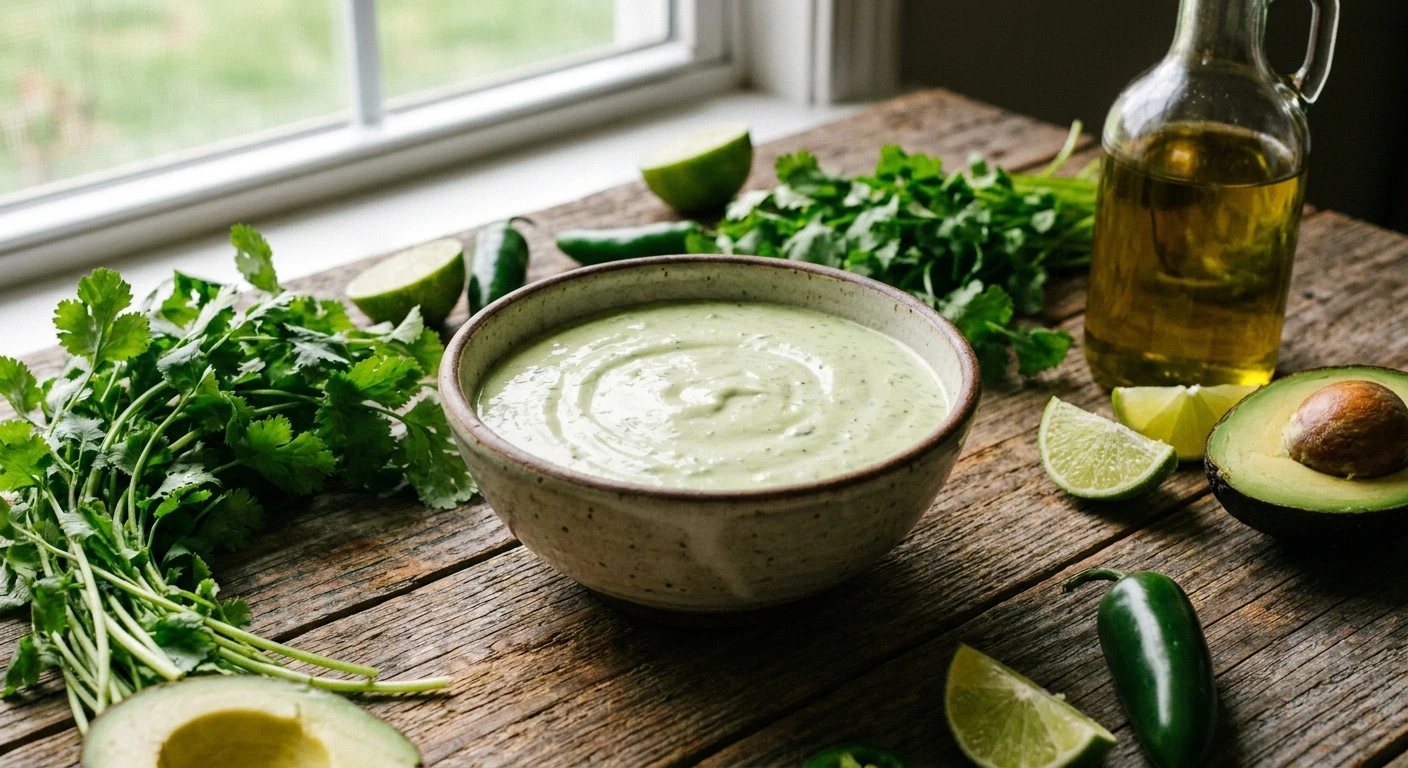
Perfecting Avocado Lime Ranch Dressing at Home
Creating the perfect avocado lime ranch dressing requires balancing the rich, buttery texture of ripe avocados with the sharp, acidic bite of fresh citrus. This vibrant green sauce serves as a highly versatile condiment that upgrades everything from simple side salads to complex grilled protein dishes. The key to mastering this recipe lies in understanding the foundational elements of traditional ranch and enhancing them with fresh, whole-food ingredients. Unlike store-bought versions that rely heavily on artificial stabilizers and preservatives, crafting this dressing from scratch guarantees a robust flavor profile. The natural fats present in the avocado blend seamlessly with buttermilk and mayonnaise, creating a luxurious emulsion that clings perfectly to leafy greens. Adding a generous squeeze of fresh lime juice not only brightens the overall taste but also acts as a natural preservative, preventing the avocado from oxidizing and turning brown. This dynamic combination of herbaceous dill, pungent garlic, savory onion powder, and zesty lime creates a condiment that bridges the gap between classic American comfort food and bright Tex-Mex flavors.
To fully appreciate the culinary mechanics of this dressing, you need to look at how the ingredients interact. The rich lipid profile of the avocado replaces a significant portion of the oil or mayonnaise typically found in standard recipes. This substitution lowers the overall saturated fat content while introducing beneficial monounsaturated fats. Moreover, the addition of lime juice introduces citric acid, which cuts through the heavy dairy elements, leaving a clean, refreshing finish on the palate. Here is a breakdown of how this variation compares to other popular salad dressings.
Read also: Buffalo Ranch Sauce: The Ultimate Spicy Condiment Guide; The Meilleur Marinade Pour Steak Au Monde Formula.
| Dressing Type | Base Ingredients | Flavor Profile & Culinary Use |
|---|---|---|
| Standard Traditional Ranch | Buttermilk, mayonnaise, dill, garlic | Heavy, creamy, herbaceous. Best for standard salads and dipping fried foods. |
| Avocado Lime Ranch Dressing | Avocado, buttermilk, lime juice, herbs | Bright, creamy, zesty. Ideal for tacos, wraps, and southwest grain bowls. |
| Cilantro Lime Vinaigrette | Olive oil, lime juice, fresh cilantro | Light, acidic, sharp. Perfect for delicate greens and marinating meats. |
Utilizing this dressing offers multiple culinary advantages. First, it acts as a dual-purpose ingredient; it works flawlessly as a thin drizzle for salads and can be easily adjusted into a thick dip for vegetable platters. Second, it provides an excellent way to use up avocados that are slightly overripe and too soft for slicing. To achieve the perfect consistency every single time, follow these essential preparation steps:
- Select the right fruit: Use a Hass avocado that yields slightly to gentle pressure. Hard avocados will leave chunks, while overly mushy ones may impart a bruised, bitter taste.
- Balance the acidity: Start with one tablespoon of fresh lime juice per avocado half. Taste the mixture before adding more, as the acidity of limes can vary significantly from season to season.
- Process thoroughly: Use a food processor or high-speed blender rather than mashing by hand. Blending ensures the cellular walls of the avocado break down completely, releasing their oils into the dairy base for a silky smooth finish.
- Allow flavor development: Let the blended dressing rest in the refrigerator for at least thirty minutes before serving. This resting period allows the dried spices and fresh herbs to hydrate and release their essential oils into the fat base.
Origins of Classic Ranch
The foundation of our vibrant green dressing dates back to the early 1950s. A plumber-turned-cowboy named Steve Henson began serving a unique buttermilk dressing to guests at his dude ranch, the Hidden Valley Guest Ranch, located in Santa Barbara County, California. His original concoction relied on a simple dry mix of salt, black pepper, garlic powder, onion powder, and dried herbs, which was then reconstituted with equal parts mayonnaise and buttermilk. This creation quickly became a national phenomenon, setting the standard for American condiments. The rich, herbaceous flavor profile proved incredibly versatile, moving rapidly from a simple salad topping to a universal dipping sauce for pizza, wings, and vegetables.
Evolution into Tex-Mex Variations
As culinary borders became more fluid in the late twentieth century, chefs in the American Southwest began experimenting with traditional recipes by infusing them with local ingredients. The integration of Mexican flavor profiles into American comfort food led to the birth of Tex-Mex cuisine. Cooks started incorporating fresh cilantro, jalapeños, and lime juice into standard dairy bases to cut the richness and add a regional flair. The avocado, a staple of Mexican gastronomy revered for its creamy texture and mild, nutty flavor, was a natural addition. By blending the fruit directly into the buttermilk base, chefs created a hybrid sauce that honored the comforting familiarity of Henson’s original creation while introducing a bright, acidic complexity.
The Modern State of Avocado Condiments
Today, this specific flavor combination has transcended regional kitchens to become a staple in fast-casual dining and modern gastronomy. Major restaurant chains have capitalized on the demand for healthier, more flavorful condiment options by introducing their own versions of this zesty dressing. The modern consumer’s shift towards whole-food ingredients and healthy fats has cemented the popularity of avocado-based sauces. In contemporary kitchens, the dressing is often customized with additional functional ingredients, such as Greek yogurt for extra protein or jalapeño for a thermogenic spice kick, proving that this culinary fusion is both resilient and highly adaptable.
Emulsion Science in Dressings
Creating a stable dressing requires mastering the science of emulsion—the process of forcing two immiscible liquids, such as oil and water, to combine perfectly. In a traditional vinaigrette, this bond is temporary and will separate over time. However, this creamy dressing relies on a permanent emulsion. The egg yolks present in the mayonnaise contain lecithin, a powerful natural emulsifier. When processed with the water content of the buttermilk and the natural oils of the avocado, the lecithin coats the microscopic oil droplets, preventing them from coalescing and separating. The mechanical shearing force of a blender breaks these droplets down to a microscopic size, resulting in a thick, velvety mouthfeel that clings efficiently to food surfaces without turning watery.
Preventing Avocado Oxidation
One of the greatest challenges in working with fresh avocados is their rapid enzymatic browning. Avocados contain an enzyme called polyphenol oxidase. When the flesh is exposed to oxygen, this enzyme catalyzes the oxidation of phenolic compounds into quinones, which then polymerize to form brown pigments called melanins. To halt this process, culinary science relies on acidulation. The addition of fresh lime juice introduces ascorbic acid (Vitamin C) and citric acid into the mixture.
- Ascorbic Acid Function: It acts as a primary antioxidant, reacting with oxygen before the polyphenol oxidase can, thereby preserving the bright green color of the dressing.
- pH Alteration: The citric acid lowers the overall pH of the dressing below 4.0. Polyphenol oxidase requires a neutral pH to function optimally; the highly acidic environment effectively denatures the enzyme, shutting down the browning process.
- Lipid Stabilization: The specific fatty acid profile of the Hass avocado, which consists of roughly 71 percent monounsaturated fatty acids (primarily oleic acid), provides a highly stable fat structure that resists rancidity when properly chilled and acidified.
- Dairy Protein Coagulation: The interaction between the lime’s acidity and the casein proteins in the buttermilk slightly thickens the mixture, creating a more viscous, clingy texture ideal for coating salad greens evenly.
To maximize the utility of your freshly made batch, follow this comprehensive 7-Day Plan to incorporate the dressing into diverse, flavorful meals throughout the week.
Day 1: The Classic Taco Salad
Begin the week by utilizing the dressing in its most natural habitat. Construct a hearty salad using crisp romaine lettuce, black beans, roasted corn, diced tomatoes, and seasoned ground beef or turkey. Drizzle a generous portion of the dressing over the top. The acidity of the lime cuts through the heavy seasoning of the meat, while the creamy avocado base binds the loose ingredients together, acting as a cohesive flavor bridge.
Day 2: Dipping Sauce for Veggies
As the dressing sits in the refrigerator, its flavors will deepen and the texture will slightly thicken. On the second day, use it as a robust dipping sauce for a raw vegetable platter. Carrot sticks, celery, bell pepper strips, and cucumber slices benefit immensely from the herbaceous punch. This application highlights the dill and garlic notes, making raw vegetables significantly more appealing and palatable.
Day 3: Grilled Chicken Marinade
The buttermilk and lime juice in the dressing make it an exceptional tenderizing marinade for poultry. Coat boneless, skinless chicken breasts in a thin layer of the dressing and let them rest for at least two hours before grilling. The lactic acid from the buttermilk and the citric acid from the lime work together to gently break down the protein structures in the meat, resulting in incredibly juicy, flavorful grilled chicken.
Day 4: Breakfast Burrito Booster
Elevate your morning routine by substituting standard sour cream with your homemade dressing. Scramble eggs with a handful of spinach and sharp cheddar cheese, wrap them in a warm flour tortilla, and add a heavy spoonful of the sauce. The bright citrus notes awaken the palate, while the healthy fats provide sustained energy for the day ahead.
Day 5: Loaded Baked Potato Drizzle
A classic baked russet potato often relies on butter and heavy sour cream. Swap these out for the avocado-based dressing. Top the hot potato with steamed broccoli, scallions, and crispy bacon bits, then pour the dressing over the top. The heat of the potato slightly warms the sauce, releasing the aromatic compounds of the garlic and onion powder into the steam.
Day 6: Spicy Shrimp Tacos
Seafood and citrus are a classic culinary pairing. Sauté fresh shrimp with smoked paprika and cumin, then load them into charred corn tortillas with a simple cabbage slaw. Use the dressing as a finishing crema. The cooling nature of the dairy and avocado perfectly counterbalances the heat of the spices, while the lime enhances the natural sweetness of the shrimp.
Day 7: Sandwich and Wrap Spread
On the final day, the dressing will be at its thickest. Use it as a functional moisture barrier for sandwiches and wraps. Spread a thick layer on toasted sourdough or a whole wheat wrap before adding deli turkey, provolone cheese, and fresh sprouts. The fats in the sauce prevent the bread from absorbing moisture from the vegetables, keeping your lunch structurally sound and packed with flavor.
Myth: The dressing will turn brown and unappetizing within a few hours.
Reality: Thanks to the high concentration of citric and ascorbic acid from the fresh lime juice, the enzymatic browning process is severely inhibited. When stored in an airtight container in the refrigerator with a piece of plastic wrap pressed directly against the surface, it will remain vibrantly green for up to four days.
Myth: You must use mayonnaise to achieve a traditional ranch flavor.
Reality: While mayonnaise is traditional, the rich, buttery fat content of a ripe Hass avocado provides more than enough lipid structure to create a creamy emulsion. You can easily substitute Greek yogurt or sour cream for the mayonnaise to increase the protein content while maintaining the classic, luxurious texture.
Myth: This sauce is strictly limited to Mexican or Tex-Mex cuisine.
Reality: The core flavor profile relies on universally appealing herbs like dill, parsley, and chives. The addition of avocado and citrus simply enhances these notes. It functions brilliantly across multiple cuisines, pairing just as well with a classic American cheeseburger or roasted Mediterranean vegetables as it does with a plate of nachos.
How long does homemade avocado lime ranch dressing last?
When stored properly in a highly sanitized, airtight glass jar in the coldest part of your refrigerator, this homemade sauce will maintain peak freshness and optimal flavor for up to four or five days.
Can I freeze this dressing for later use?
Freezing is not recommended. The cellular structure of the avocado will rupture upon freezing, and the dairy emulsion will break when thawed, resulting in a separated, watery texture that cannot be fully restored by blending.
Is it possible to make this recipe completely vegan?
Yes, the dairy components can be easily substituted. Use a high-quality vegan mayonnaise and create a dairy-free buttermilk by mixing unsweetened almond or oat milk with a splash of apple cider vinegar to replicate the required acidity and creaminess.
What should I do if my dressing turns out too thick?
The water content of avocados can vary. If your mixture is too thick to drizzle, simply add regular milk, buttermilk, or even cold water one tablespoon at a time, pulsing the blender until you reach the desired pourable consistency.
Why does my dressing taste slightly bitter?
Bitterness usually stems from two sources: using an unripe, hard avocado or over-blending extra-virgin olive oil if you added it. Always ensure your fruit is soft and yielding, and rely primarily on the avocado and dairy for your fat base rather than heavy oils.
Can I use bottled lime juice instead of fresh limes?
While bottled juice will provide the necessary acidity to prevent browning, it undergoes a pasteurization process that destroys the volatile aromatic compounds found in fresh citrus. For the brightest, cleanest flavor, always squeeze fresh limes.
Does this dressing work well as a marinade for red meat?
Absolutely. The combination of dairy enzymes and citrus acids makes it an excellent tenderizer for tougher cuts of beef like flank or skirt steak. Marinate the meat for up to twelve hours before wiping off the excess and grilling over high heat.
How can I make the dressing spicier?
To elevate the heat profile, blend in half of a fresh jalapeño (with the seeds removed for mild heat, or kept in for maximum spice) or add a pinch of cayenne pepper during the initial processing stage.
In conclusion, mastering this avocado lime ranch dressing offers a massive upgrade to your daily culinary repertoire. By understanding the simple science behind emulsions and acidity, you can consistently produce a vibrant, flavorful sauce that outperforms anything found in the condiment aisle. Stop relying on uninspired, preservative-heavy bottled dressings. Grab some fresh avocados, squeeze a few limes, and blend up a batch today to instantly elevate your next meal.



Leave a Reply