

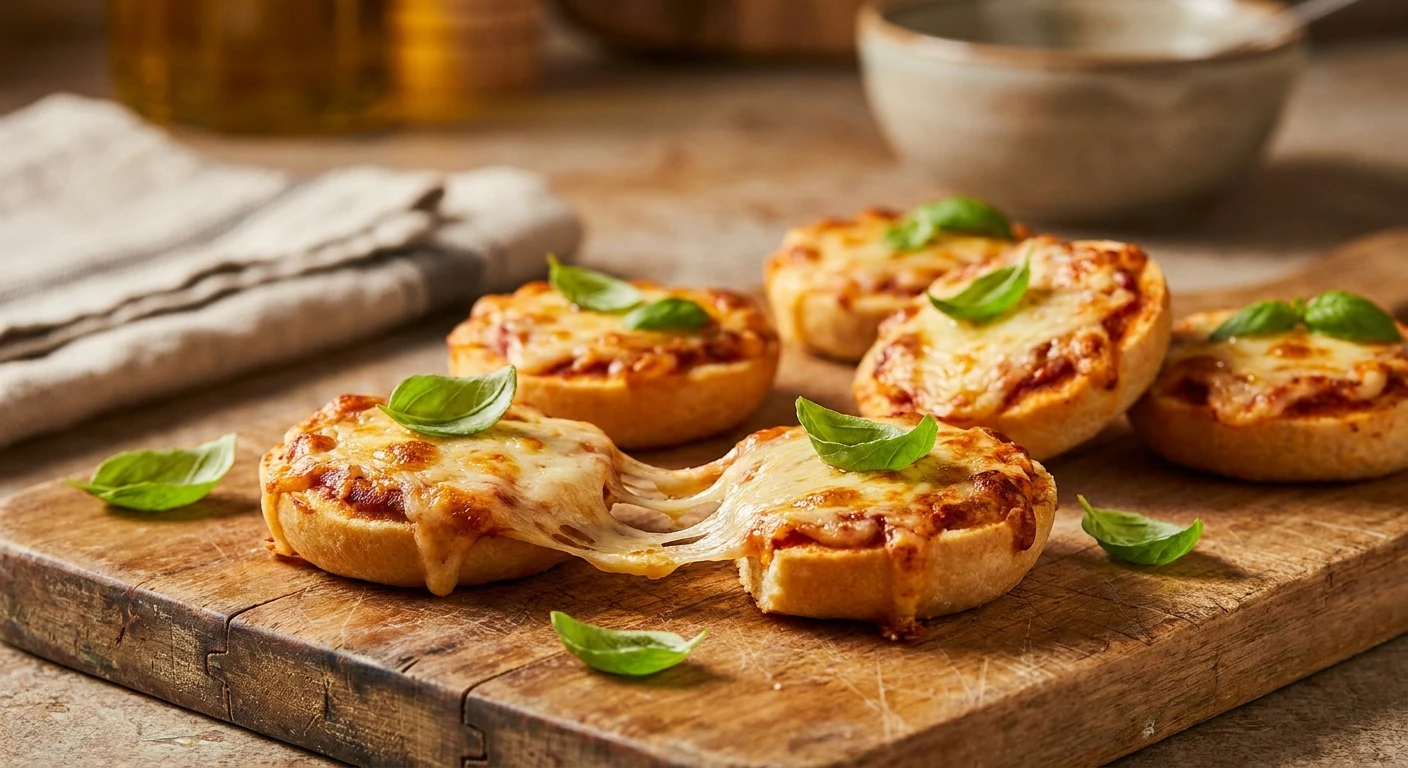
Why You Need to Make Homemade pizza bites Right Now
If you are looking for the ultimate crowd-pleasing snack, nothing quite compares to a hot, cheesy batch of freshly baked pizza bites. You know exactly what I am talking about: those miniature pockets of golden dough, filled with rich tomato sauce and melting mozzarella, that absolutely steal the show at any gathering. Whether you are prepping for a weekend game day, packing a quick lunch for the kids, or just craving a savory midnight snack, these little wonders are the perfect solution. The beauty of scaling down a traditional Italian pie into a bite-sized format is that you get the ideal ratio of crust to filling in every single mouthful. Instead of dealing with floppy slices or messy toppings sliding off, you get a perfectly contained, structurally sound flavor bomb. We are going to break down exactly how you can master these snacks in your own kitchen, ditching the store-bought frozen boxes full of preservatives for fresh, vibrant ingredients. From understanding the optimal hydration levels of your dough to choosing the right blend of cheeses that will give you that iconic stretch without turning into a greasy puddle, you are about to become an absolute expert at crafting these miniatures. Get ready to elevate your snacking game entirely, because once you realize how simple and rewarding it is to bake your own customizable savory pastries, you will never look at the frozen food aisle the same way again.
The Core Mechanics of Creating the Perfect Bite
Let us get straight to the point: the anatomy of a truly exceptional miniature snack comes down to balancing moisture, heat, and structure. You might think you can just wrap some cheese and sauce in leftover dough and throw it in the oven, but that usually results in a soggy bottom or a catastrophic cheese explosion where your filling ends up burned onto the baking sheet. To prevent this, you need to understand the value of proportion. The ideal miniature pastry offers strict portion control, incredibly rapid cooking times compared to a full-sized pie, and endless opportunities for customization. For instance, if you have picky eaters at home, you can easily make half a batch with plain cheese and the other half packed with spicy pepperoni or roasted vegetables. It is the ultimate customizable meal prep hack.
Read also: Crispy Mozzarella Cheese Balls: The Ultimate Snack Recipe; The Ultimate Pizza Sandwich Guide.
| Dough Type | Average Baking Time | Expected Crunch Level |
|---|---|---|
| Commercial Puff Pastry | 12-15 minutes at 400F | Extremely High and Flaky |
| Traditional Yeast Dough | 15-20 minutes at 425F | Medium, Chewy and Sturdy |
| Alternative Cauliflower Crust | 18-22 minutes at 375F | Low to Medium, Dense |
To guarantee success every single time you bake, you need to follow three non-negotiable rules for assembly and baking. Skipping these steps is the main reason most amateur attempts end up looking like deflated balloons.
- Control your moisture levels: Standard canned tomato sauce contains too much water. You must cook down your marinara or use a specialized thick pizza paste to prevent the internal steam from turning the dough into a mushy paste from the inside out.
- Select low-moisture cheese: Fresh mozzarella is fantastic for a Neapolitan pie, but it is a disaster for enclosed pastries. Always grate your own low-moisture, part-skim mozzarella block. Pre-shredded bags are coated in anti-caking agents that ruin the melting dynamic.
- Master the crimping seal: When folding your dough over the filling, you cannot just pinch it lightly. You must press the edges firmly, ideally using the tines of a fork, and poke a tiny microscopic vent hole at the top of each piece to let excess steam escape.
The Origins of Miniature Baked Snacks
To truly appreciate what you are baking, we need to trace the lineage of these snacks. The concept of wrapping savory ingredients in bread dough is as old as baking itself, but the specific DNA of our favorite bite-sized treats traces back to southern Italy. The original blueprints were the calzone and the panzerotti. Cooks in Naples and Puglia would take leftover scraps of bread dough, stuff them with whatever cheese and cured meats were lying around, and either bake or fry them. This was the ultimate working-class street food—portable, calorie-dense, and highly satisfying.
The Evolution of Frozen Appetizers
Fast forward to the late 20th century in the United States, and the food industry experienced a massive shift toward convenience. The rise of the home microwave in the 1980s and 1990s created an insatiable demand for frozen snacks that could go from the freezer to the plate in two minutes. Food scientists figured out how to flash-freeze miniature dough pockets filled with modified cheese and sauce that could withstand the aggressive, uneven heating of microwave radiation. While these commercial products became an iconic staple of childhood after-school snacking and late-night college dorm meals, they sacrificed texture and authentic flavor for sheer convenience.
The Modern State of Bite-Sized Pizza
Today, we are seeing a massive renaissance in home baking, heavily driven by social media food communities. People have realized that recreating these nostalgic childhood snacks using high-quality ingredients yields a vastly superior product. The modern approach combines the convenience of the 1990s frozen snack with the artisanal quality of a traditional Italian pizzeria. Home cooks are experimenting with sourdough discard wrappers, high-protein flour blends, and gourmet fillings like truffle oil, prosciutto, and hot honey. It is a complete elevation of a humble snack into something you would proudly serve at an upscale dinner party or a holiday gathering.
The Maillard Reaction in Dough
Let us talk about the science of why these taste so incredibly good. When you slide a tray of dough pockets into a hot oven, you are kicking off a complex chemical process called the Maillard reaction. This happens when amino acids and reducing sugars in the flour and tomatoes are subjected to high heat, usually starting around 300 degrees Fahrenheit. This reaction is what gives the crust that beautiful golden-brown color and creates hundreds of new flavor compounds that register as savory, nutty, and roasted to your palate. Because these snacks are small, they have a massive surface-area-to-volume ratio, meaning you get a significantly higher percentage of that delicious, browned crust in every bite compared to a standard slice.
Cheese Melt Dynamics and Emulsions
The interior of your snack is governed by a completely different set of thermodynamic rules. Cheese is essentially a fragile emulsion of water, fat, and dairy proteins, specifically casein. When exposed to heat, the protein matrix relaxes, allowing the fat and water to flow. If the heat is too intense or the cheese has too much moisture, the emulsion breaks, leaving you with a split, oily mess. Here is exactly what happens scientifically inside that dough pocket:
- Starch Gelatinization: At approximately 150 degrees Fahrenheit, the starches in the dough absorb water from the sauce and swell, setting the internal structure.
- Steam Pressure Buildup: As the internal temperature crosses the boiling point of water, steam rapidly expands. If your dough lacks elasticity or a proper vent, this pressure causes a structural blowout.
- Protein Network Stretching: The gluten strands in your wrapper stretch like microscopic balloons to contain the expanding gases, creating the chewy texture we love.
- Casein Protein Alignment: When you bite into the hot snack and pull it away, the long, stringy casein proteins align parallel to each other, creating that highly sought-after cheese pull aesthetic.
Day 1: Classic Pepperoni and Cheese
Kicking off our seven-day snacking plan, we start with the undisputed heavyweight champion. Roll out your standard yeast dough, punch out two-inch circles, and add a half-teaspoon of reduced marinara. Place exactly three mini pepperonis and a heavy pinch of low-moisture mozzarella inside. Fold into a half-moon, crimp aggressively with a fork, and bake at 425 degrees Fahrenheit for 14 minutes. The fat from the pepperoni will render slightly into the cheese, creating a rich, deeply savory interior.
Day 2: Vegetarian Pesto and Spinach
Time to lighten things up. Swap the heavy tomato sauce for a vibrant, herbaceous basil pesto. Squeeze all the excess water out of some thawed frozen spinach and mix it with ricotta and parmesan. This filling has less moisture, meaning your dough will get extra crispy. These pair phenomenally well with a side of warm marinara for dipping, balancing the rich garlic and pine nut flavors of the pesto.
Day 3: BBQ Chicken and Red Onion
Grab some leftover shredded chicken breast and toss it in your favorite smoky barbecue sauce. Add a pinch of finely diced red onion and smoked gouda cheese instead of mozzarella. The gouda melts beautifully and adds a campfire-like depth to the sweet and tangy barbecue sauce. Make sure to chop the chicken very finely so it does not pierce the dough when you are folding it over.
Day 4: Four-Cheese Garlic Herb
For the purists who just want pure, unadulterated dairy joy, mix shredded mozzarella, provolone, asiago, and a tiny bit of cream cheese to bind it all together. Before baking, brush the exterior of the dough with melted butter mixed with minced garlic and dried oregano. These come out looking and tasting like miniature garlic bread pillows wrapped around a molten cheese core.
Day 5: Spicy Sausage and Jalapeno
Let us turn up the heat. Brown some spicy Italian sausage and drain the fat completely. Mix the sausage crumbles with pickled jalapeno rings and sharp cheddar cheese. The acid from the pickled peppers cuts right through the richness of the sausage and cheese. Keep a glass of cold milk nearby, because these pack a serious punch.
Day 6: Hawaiian Style Pineapple and Ham
Yes, we are going there. Dice your ham into tiny cubes and chop your pineapple even smaller. The crucial step here is to pat the pineapple pieces completely dry with a paper towel before assembling. If you skip this, the pineapple juice will turn your dough into a soggy mess. Pair this with a slightly sweeter tomato sauce for that classic island contrast.
Day 7: Dessert Variations with Cinnamon and Ricotta
We are finishing the week with something sweet. Take the exact same dough, but fill it with sweet ricotta mixed with vanilla extract, chocolate chips, and a dash of cinnamon. Once they come out of the oven, toss them immediately in melted butter and roll them in cinnamon sugar. They taste like a hybrid between a cannoli and a fresh doughnut.
Debunking Common Baking Myths
There is a lot of bad advice out there regarding homemade savory pastries. Myth: You absolutely need a heavy stone or steel to get a crispy crust. Reality: While a stone helps for large pies, a standard aluminum baking sheet preheated in your oven works perfectly for small items because they require far less thermal mass to cook through. Myth: Store-bought refrigerated dough ruins the flavor profile completely. Reality: High-quality refrigerated dough actually undergoes a slow, cold fermentation process in the tube, which develops a fantastic yeasty flavor and yields excellent, consistent results. Myth: You can just microwave them for the same texture if you are in a hurry. Reality: Microwaves excite water molecules, steaming the dough from the inside out, which guarantees a chewy, rubbery, and soggy exterior every single time. Myth: These are purely junk food meant for teenagers. Reality: By utilizing whole wheat flour, loading them with fresh vegetables, and controlling the cheese portions, they easily become a highly balanced, nutritionally dense meal option.
Can I freeze homemade pizza bites?
Absolutely. The best method is to bake them completely, let them cool to room temperature on a wire rack, and then freeze them in a single layer on a baking sheet before transferring them to an airtight bag. They will last for up to three months.
What is the best dipping sauce?
While ranch dressing and garlic butter are massive favorites, a warm, thick marinara sauce heavily spiked with fresh basil and crushed red pepper flakes provides the best acidic contrast to the rich cheese filling.
How do I prevent the cheese from leaking out?
Ensure your dough is not rolled too thin, avoid overfilling the pockets, and always use a fork to aggressively crimp the edges together. Brushing a tiny bit of water on the dough edges before sealing acts like edible glue.
Can I make these in an air fryer?
Yes, air fryers are phenomenal for these snacks. Cook them at 380 degrees Fahrenheit for about 8 to 10 minutes, making sure to leave plenty of space between each piece for maximum air circulation and crunch.
Are they gluten-free adaptable?
They certainly are. You can use a commercial gluten-free pizza flour blend, or alternatively, use a fathead dough made from melted mozzarella and almond flour, which holds together brilliantly for small shapes.
What is the ideal oven temperature?
High heat is your best friend here. Aim for 425 degrees Fahrenheit. The goal is to cook the dough quickly and crisp the exterior before the internal cheese has time to completely liquefy and boil out.
How long do they last in the fridge?
If stored in an airtight glass container, they will easily last for up to five days. To reheat them, throw them back in an oven or toaster oven for five minutes to restore the original crispy texture.
Wrapping Up Your Culinary Adventure
Creating your own customized batch of these incredible snacks is one of the most rewarding and straightforward baking projects you can undertake. You now have the scientific knowledge, the historical context, and a full week of flavor combinations to test out in your own kitchen. Say goodbye to the lackluster, freezer-burnt boxes from the grocery store and take full control of your ingredients. Grab your flour, shred your cheese, and start rolling out some dough today. Be sure to share your own wild flavor experiments and let everyone know which combination became your absolute favorite!



Leave a Reply