

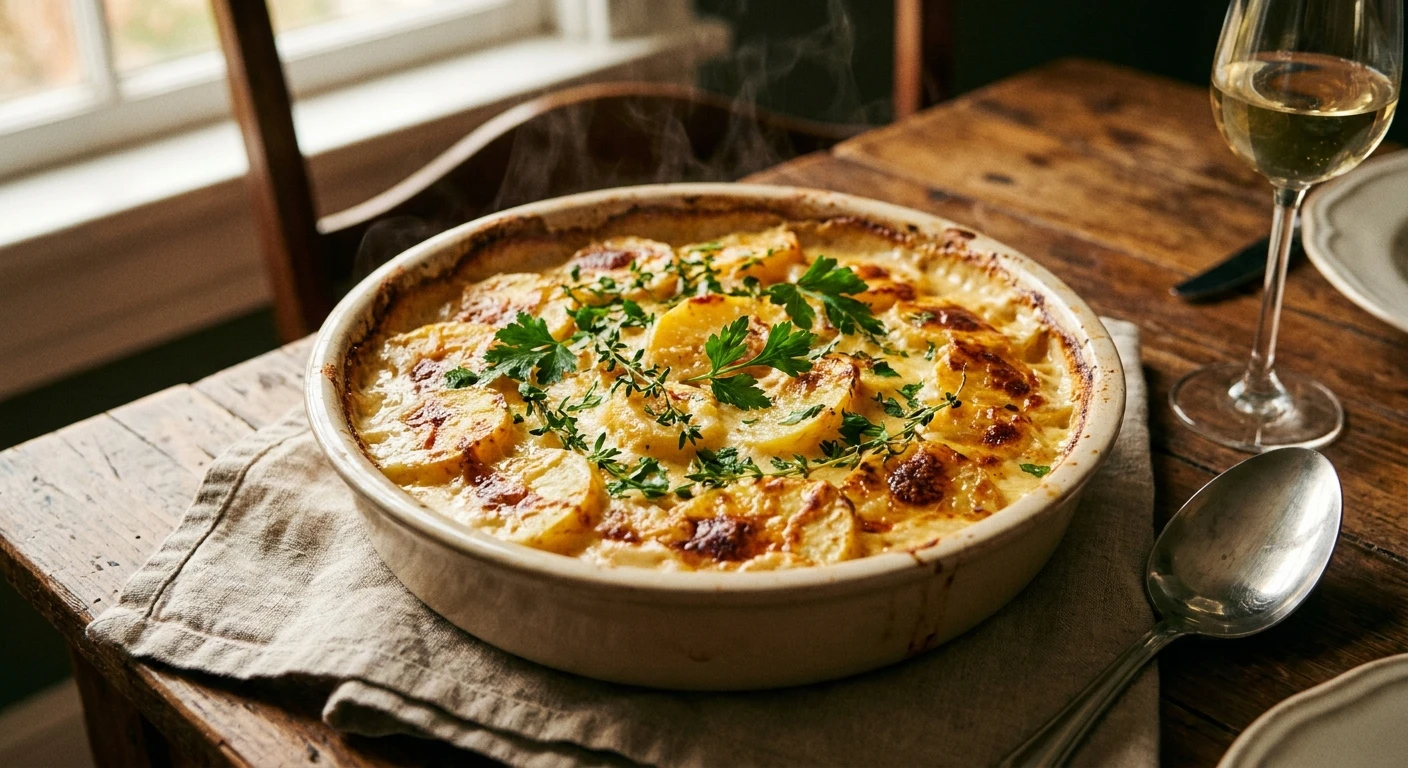
Costco Scalloped Potatoes: The Complete Consumer Guide
When planning a large family gathering or searching for the ultimate comfort side dish, Costco scalloped potatoes consistently emerge as a top-tier choice for smart shoppers. This massive, ready-to-bake deli item offers an unparalleled combination of convenience, rich flavor, and sheer volume. Preparing a traditional potato gratin from scratch requires peeling, uniform slicing, creating a roux, and simmering a delicate cream sauce. The pre-packaged version eliminates hours of kitchen labor while delivering a consistent, crowd-pleasing result. Shoppers rely heavily on these prepared trays during major holidays, weekend barbecues, and busy weeknight dinners where a hearty side dish is mandatory but time is strictly limited.
The core appeal lies in the meticulously layered thin potato slices submerged in a rich, savory cream sauce, heavily topped with a blend of shredded cheeses. Consumers appreciate the direct transition from the store refrigerator to the home oven without needing extra mixing bowls or specialized kitchen equipment. Understanding exactly how to handle, bake, and repurpose this substantial deli tray ensures you get the absolute maximum value for your grocery budget. By following optimal heating protocols and creative leftover strategies, this single purchase can effortlessly anchor multiple meals throughout the week.
Read also: Classic Pork Chop Supreme Recipe Guide; How to Cook a Whole Salmon Perfectly Every Time.
Maximizing Value and Perfecting the Bake
To fully appreciate the utility of this massive side dish, you have to look at the structural benefits and potential drawbacks. A three-pound tray of rich carbohydrates and dairy is incredibly heavy and dense, meaning it requires specific thermal handling to cook properly without burning the edges or leaving the center ice-cold. The value proposition is clear: you pay a fraction of the cost compared to restaurant-prepared sides, and you gain enough food to comfortably serve an entire dinner party. However, successfully executing the dish requires understanding the nuances of your home oven and making slight adjustments to the standard package instructions.
Many consumers find that adding a few personalized touches elevates the commercial product to a seemingly homemade status. For example, incorporating freshly cracked black pepper, a sprinkle of smoked paprika, or folding in diced pancetta before baking can dramatically enhance the flavor profile. Below is a breakdown of the primary attributes of the dish, followed by a professional protocol for baking.
| Attribute | Advantage | Ideal Pairing |
|---|---|---|
| Volume and Size | Feeds 8-10 people easily, making it highly cost-effective for large groups. | Holiday roast beef or whole baked ham. |
| Pre-Mixed Cream Sauce | Eliminates the risk of a broken or lumpy homemade béchamel sauce. | Grilled chicken breast or pork chops. |
| Aluminum Baking Tray | Zero cleanup required for the baking vessel; highly conductive for even heat. | Steamed green beans or roasted asparagus. |
To achieve the perfect texture—a bubbling, creamy interior with a deeply browned, crispy top layer—follow these mandatory preparation steps:
- Preheat with precision: Ensure your oven is fully preheated to 375 degrees Fahrenheit (190 degrees Celsius). A cold start will result in a gummy sauce and unevenly cooked potatoes.
- Utilize the foil tent method: Cover the tray tightly with aluminum foil for the first 40 to 45 minutes of baking. This traps steam, ensuring the thick slices of potato cook through completely without the cheese topping burning into a bitter crust.
- Execute the final broil: Remove the foil for the remaining 15 to 20 minutes to allow the moisture to evaporate slightly and the cheese to undergo the Maillard reaction. For an artisan finish, turn on the broiler for the absolute final two minutes, watching constantly to prevent charring.
The Origins of Scalloped Potatoes
The concept of slicing root vegetables thinly and baking them in a rich dairy sauce dates back centuries, originating primarily in England and France. The term “scalloped” likely derives from the Old English word “collop,” which originally referred to a thin slice of meat. Over time, the culinary definition shifted to describe vegetables, primarily potatoes, cut uniformly thin and baked in a casserole format. Traditionally, a classic scalloped potato recipe did not include cheese, relying entirely on heavy cream, milk, butter, and the natural starches of the potato to form a thick, cohesive sauce. However, modern commercial interpretations have heavily blurred the lines between a traditional scallop and a French gratin dauphinois, which generously utilizes cheese.
Evolution of Pre-Packaged Deli Sides
The late 20th century saw a massive shift in grocery store logistics, moving away from simple raw ingredients toward highly prepared, value-added products. Warehouse clubs revolutionized this concept by scaling up the portion sizes dramatically. The engineering behind these giant deli trays required extensive testing to ensure that raw or par-cooked potatoes would not oxidize and turn gray while sitting in a refrigerator case. Food scientists developed specific blanching methods and sauce formulations that stabilized the product, allowing families to buy a fresh, restaurant-quality side dish that could sit safely in a fridge for a few days before baking.
The Modern State of Bulk Comfort Foods
Today, the prepared foods section is a major revenue driver for warehouse retailers. The massive trays of potatoes, macaroni and cheese, and stuffed salmon are designed to act as “loss leaders” or high-value anchors that draw shoppers into the store. The modern consumer expects immediate convenience without sacrificing the sensory experience of a home-cooked meal. By providing a product that bubbles away in the oven, filling the kitchen with the aroma of roasting dairy and garlic, the retailer successfully bridges the gap between fast food and traditional domestic cooking.
The Chemistry of Cream and Starch
Baking a dense tray of dairy and potatoes is essentially an exercise in complex food chemistry. When heat is applied, the starch granules within the thin slices of potato begin to swell and absorb the surrounding liquid. Around 150 degrees Fahrenheit, these granules undergo gelatinization. They burst open, releasing long chains of amylose and amylopectin molecules into the cream mixture. This natural release of starch acts as a powerful thickening agent, transforming a watery milk bath into a velvety, cohesive sauce that clings to every slice. If the oven temperature is too low, this gelatinization process is incomplete, resulting in a watery, soupy base.
Preserving Texture in Prepared Foods
Maintaining the structural integrity of the potato slices while they sit submerged in liquid requires specific processing techniques. Commercially prepared versions often utilize specific varieties of potatoes that possess a balanced starch-to-moisture ratio, preventing them from turning into mush during their shelf life.
- Enzymatic browning prevention: Potatoes naturally contain polyphenol oxidase, an enzyme that turns the flesh brown when exposed to oxygen. A brief blanching process deactivates this enzyme prior to packaging.
- Emulsion stability: The cream sauce contains natural emulsifiers derived from the dairy proteins, preventing the butterfat from separating entirely and forming a greasy oil slick on top of the dish.
- Maillard Reaction dynamics: The high heat at the end of the baking cycle causes the amino acids and reducing sugars in the cheese to react, creating hundreds of new flavor compounds and the highly desirable golden-brown crust.
7-Day Repurposing Menu
A standard warehouse tray contains enough food to overwhelm a small family if eaten exclusively as a side dish. To prevent food fatigue and eliminate waste, a strategic plan for repurposing the leftovers is essential. Here is a practical, step-by-step daily guide to consuming the entire tray efficiently.
Day 1: The Initial Bake
Serve the freshly baked dish exactly as intended. Pair a generous scoop of the bubbling potatoes with a lean protein like roasted chicken or a grilled steak. The contrast between a simple, unadorned protein and the heavily enriched, creamy potatoes creates a perfectly balanced introductory meal.
Day 2: The Leftover Breakfast Hash
Cold, cooked scalloped potatoes solidify as the starch sets up overnight. Scoop out a portion, chop it roughly, and press it into a hot, oiled cast-iron skillet. The pre-cooked potatoes and cheese will quickly form a deeply caramelized, crispy hash. Top this aggressive sear with two fried eggs and a dash of hot sauce for a robust morning meal.
Day 3: Creamy Potato Soup Base
Take another portion of the chilled leftovers and transfer them into a blender or a heavy-bottomed pot. Add two cups of chicken or vegetable broth and blend or mash thoroughly. Heat the mixture gently. The pre-existing cream and starches will instantly yield a thick, flavorful potato soup. Garnish with fresh chives and crumbled bacon.
Day 4: Potato and Meat Casserole
Layer the remaining potatoes into a smaller baking dish. Add cooked ground beef, leftover shredded chicken, or diced ham between the layers. Top with a fresh handful of cheddar cheese and bake until thoroughly heated. This stretches a small amount of potatoes into a massive, filling standalone dinner.
Day 5: Pan-Fried Potato Cakes
Mash a small portion of the cold leftovers with a single raw egg and a handful of flour or breadcrumbs to act as a binder. Form the mixture into thick patties. Fry them in a shallow layer of vegetable oil until both sides are intensely crisp. Serve these savory potato cakes alongside a crisp green salad.
Day 6: Savory Pie Filling
Use store-bought pie crust or puff pastry to create small hand pies or a rustic galette. Use the last substantial scoops of the scalloped mixture as the interior filling. The dense, cheesy texture prevents the pastry from becoming soggy, resulting in a highly portable, savory pastry perfect for lunchboxes.
Day 7: Safe Disposal and Composting
By day seven, any minute remnants adhering to the original foil tray have exceeded their safe refrigerated lifespan. Scrape out any unusable tiny bits into a designated compost bin (if your local facility accepts dairy-heavy compost) or discard them safely. Rinse the aluminum tray thoroughly and place it in the recycling bin, completing the zero-waste lifecycle.
Common Misconceptions
Myth: Pre-packaged deli sides use artificial plastic cheese that cannot melt properly.
Reality: The ingredient labels for these premium warehouse trays list genuine cheddar, mozzarella, and parmesan cheeses. These real dairy products melt flawlessly and provide authentic flavor, completely avoiding the synthetic textures found in cheaper, shelf-stable canned products.
Myth: You can drastically speed up the cooking process by microwaving the entire aluminum tray.
Reality: Microwaving large aluminum trays is a severe fire hazard. Even if transferred to a glass dish, microwaving dense raw potatoes results in an uneven, rubbery texture and destroys the possibility of a crispy crust. Oven baking is an absolute necessity.
Myth: Adding extra liquid to the tray before baking prevents it from drying out.
Reality: The commercial ratio of liquid to starch is precisely calculated. Adding extra milk or water will overpower the starch’s ability to thicken, leaving you with a watery, unappetizing soup rather than a cohesive side dish.
Frequently Asked Questions
Can you freeze them?
Freezing is not recommended for this specific dish. The freezing and thawing process breaks the emulsion of the cream sauce and irreversibly damages the cellular structure of the potatoes, resulting in a grainy, watery mess upon reheating.
How long do they last in the fridge?
When properly sealed with plastic wrap or transferred to an airtight container, the baked leftovers will remain safe and palatable in the refrigerator for up to four to five days.
Are they gluten-free?
While potatoes and dairy are naturally gluten-free, the specific thickening agents or facility cross-contamination risks mean you must read the exact package label. Some commercial sauces use wheat flour as a roux base.
Do they contain artificial flavors?
Premium warehouse club versions generally rely on real butter, garlic, salt, and cheese for flavor, avoiding artificial chemical flavorings. Always verify the current ingredient list printed on the price sticker.
Can I add extra cheese?
Yes. Adding a fresh layer of gruyere or sharp cheddar during the final fifteen minutes of baking will create an even richer, thicker crust without negatively impacting the underlying bake time.
What is the exact baking temperature?
The standard recommendation is 375 degrees Fahrenheit. Attempting to bake them at a lower temperature to save time concurrently with another dish usually results in undercooked, crunchy potato centers.
How many people does one tray feed?
A standard three-to-four pound tray yields approximately 8 to 12 generous side-dish portions, depending heavily on the size of the main protein being served alongside it.
Conclusion
Mastering the preparation of Costco scalloped potatoes elevates a simple grocery run into a guaranteed culinary success. By respecting the necessary baking times, understanding the basic food science at play, and utilizing creative leftover strategies, you maximize both flavor and financial value. Do not let the massive size of the tray intimidate you. Armed with these techniques, you are fully equipped to handle this heavy-duty comfort food. Head to the deli section on your next shopping trip, secure a tray, and transform your weekly meal rotation immediately.



Leave a Reply