

Why You Absolutely Need red pepper pesto Right Now
Listen, if you haven’t tasted a genuinely homemade red pepper pesto yet, you are honestly missing out on one of the greatest flavor upgrades possible for your everyday cooking. I am telling you this as a friend who spends way too much time experimenting in the kitchen: this sauce changes everything. It is smoky, sweet, rich, and packs a massive punch of savory goodness that standard basil varieties just cannot match.
Let me tell you a quick story. Last summer, I was visiting my family back in Kyiv, and my grandma handed me a jar of something glowing bright orange. At first glance, I assumed it was our classic traditional adjika. But nope. She had taken a massive harvest of sweet bell peppers from her dacha, roasted them over an open fire until they were totally blistered, and blended them up with toasted walnuts, fresh garlic, and hard cheese. She accidentally created a Mediterranean-Ukrainian hybrid masterpiece. I grabbed a spoon, took one bite, and my mind was completely blown. Now that we are navigating through 2026, where everybody is obsessed with cooking at home and finding shortcuts to massive flavor, this specific sauce has become my ultimate secret weapon.
This isn’t just another condiment to sit in the back of your fridge. It is a versatile, dynamic powerhouse that brings life to the dullest of meals. Whether you are tossing it with pasta, spreading it on toasted sourdough, or using it as a marinade, you will quickly find yourself making double batches just to keep up with your own cravings.
The Core Mechanics of Building Massive Flavor
So, what makes this specific sauce so much better than the jarred stuff you find at the local grocery store? It all comes down to controlling the moisture and maximizing the caramelization of the vegetables. When you roast sweet bell peppers, you are doing more than just cooking them. You are actively evaporating their high water content, which concentrates their natural sugars and creates a beautiful, smoky depth.
The value proposition of making this at home is absolutely insane. First, it is ridiculously cost-effective compared to buying premium imported sauces. Second, you control the quality of the olive oil and the freshness of the nuts. For example, if you use a high-quality extra virgin olive oil, the floral notes of the oil will beautifully complement the smokiness of the peppers. As another example, swapping out expensive pine nuts for toasted walnuts or almonds gives the sauce a rustic, hearty texture that clings perfectly to your favorite rigatoni or serves as a thick, luscious sandwich spread.
To give you a clear picture of where this sits in the grand hierarchy of sauces, check out this breakdown:
| Sauce Type | Base Ingredient | Best Use Case |
|---|---|---|
| Classic Genovese | Fresh Basil & Pine Nuts | Light Summer Pasta & Caprese |
| Red Pepper Pesto | Roasted Bell Peppers | Hearty Sandwiches & Roasted Meats |
| Pesto Rosso | Sun-Dried Tomatoes | Rich Bakes & Savory Dips |
If you want to nail the perfect texture every single time, you have to follow a few non-negotiable rules. I have ruined enough batches to know exactly what goes wrong, so pay close attention to these steps:
- Roast until entirely black: Do not be afraid of the char. The skin needs to be completely blistered and blackened. This ensures the flesh underneath is steamed, soft, and infused with smoky flavor.
- Steam for easy peeling: The second those peppers come out of the oven, throw them into a bowl and cover it tightly with plastic wrap or a lid. The trapped steam loosens the burnt skin, making it slide right off without you having to rinse away the precious natural oils under the tap.
- Pulse, do not puree: You want texture. If you run your food processor on high speed for too long, you end up with baby food. Pulse the ingredients in short bursts until everything is combined but still retains a rustic, chunky bite.
- Toast your nuts: Raw nuts taste flat. Throw your walnuts or almonds into a dry skillet for five minutes until they smell fragrant. The heat releases their essential oils, instantly upgrading the entire flavor profile of the final dish.
Origins of the Roasted Pepper Sauce
To really appreciate what you are eating, we have to look back at how this sauce came to exist. The concept of crushing ingredients together using a mortar and pestle is ancient, originating heavily in Genoa, Italy, where the traditional basil version was born. The word itself literally comes from the Genoese verb ‘pestâ’, which simply means to pound or crush. However, bell peppers are completely native to the Americas. They did not even exist in Europe until the late 15th and early 16th centuries. When Spanish and Portuguese explorers brought these vibrant, sweet fruits back across the Atlantic, it took a long time for local culinary traditions to fully embrace them.
Evolution Across Europe
As sweet peppers gradually made their way through Spain and into the broader Mediterranean basin, resource-strapped farmers realized that roasting them over wood fires was the best way to preserve them and enhance their flavor. In regions like Calabria and Sicily, where bold, sunny flavors dominate the cuisine, cooks started substituting the delicate basil leaves of the north with these robust, sweet roasted peppers. They combined them with whatever local nuts were available, typically almonds, and blended them with sheep’s milk cheese to create something entirely new and incredibly satisfying.
The Modern State of Pepper Pastes
Fast forward to the modern culinary scene, and we are seeing a massive resurgence in rustic, ingredient-focused cooking. Chefs and home cooks alike are realizing that you do not need thirty ingredients to make something taste phenomenal. The modern iteration of this sauce often blends boundaries, incorporating smoked paprika from Spain, specific hard cheeses from Italy, and even a splash of sherry vinegar to balance the sweetness. It is a brilliant example of how global ingredients seamlessly merge into beloved, timeless techniques.
The Maillard Reaction in Roasting
Let us get slightly nerdy for a minute because understanding the science behind the flavor makes you a significantly better cook. When you throw a raw bell pepper under a broiler, you kick off the Maillard reaction. This is a complex chemical reaction between amino acids and reducing sugars that gives browned food its distinctive flavor. Bell peppers are surprisingly high in natural fructose. As the intense heat attacks the surface of the pepper, the cellular walls break down, moisture forcefully evaporates, and those raw sugars undergo rapid caramelization. This completely alters the chemical makeup, shifting the flavor from crisp and green to deep, savory, and intensely sweet.
Emulsion Mechanics of Olive Oil and Nuts
Now, think about what happens inside your food processor. You are essentially trying to mix the water-based juice of the roasted pepper with pure liquid fat—extra virgin olive oil. Normally, oil and water vehemently refuse to mix, eventually separating into two distinct layers. This is where your nuts and hard cheese step in to save the day. They act as mechanical emulsifiers. The physical friction of the ground nut particles, combined with the proteins in the cheese, traps the microscopic droplets of olive oil and pepper juice together, forming a stable, creamy suspension.
- Capsanthin presence: The brilliant red color comes from capsanthin, a powerful antioxidant carotenoid that becomes significantly more bioavailable when cooked with fat (like olive oil).
- Lipid binding: The saturated fats in the cheese and the unsaturated fats in the nuts create a physical matrix that prevents the sauce from splitting, giving you that luxurious mouthfeel.
- Flavor compound extraction: Garlic contains alliin and the enzyme alliinase. Crushing the garlic before adding it to the acid of the pepper juice maximizes the production of allicin, the compound responsible for that sharp, spicy kick.
Day 1: The Ultimate Linguine Toss
Let’s kick off your week with the absolute classic. Boil up a massive pot of heavily salted water and drop in some high-quality linguine. While the pasta cooks, warm up a generous scoop of your freshly made sauce in a large skillet. Before you drain the pasta, scoop out half a cup of the starchy pasta water. Toss the hot linguine directly into the skillet, add a splash of the water, and vigorously stir. The starch binds with the oil in the sauce, creating a glossy, thick coating that hugs every single strand perfectly.
Day 2: Upgrading Your Turkey Sandwich
Say goodbye to boring mayonnaise. For lunch on day two, grab two thick slices of fresh sourdough bread and toast them lightly. Slather a thick layer of your red sauce on both sides. Pile on thinly sliced roasted turkey breast, a handful of peppery arugula, and some sharp provolone cheese. The sweetness of the roasted pepper cuts right through the richness of the cheese and meat, making every bite incredibly dynamic.
Day 3: Pizza Base Upgrade
Forget standard tomato sauce tonight. Stretch out a ball of fresh pizza dough and spread an even layer of your roasted pepper mixture right to the edges. Top it with torn pieces of fresh mozzarella, a few thin slices of red onion, and maybe some spicy Italian sausage if you eat meat. Bake it on a screaming hot pizza stone until the crust is blistered. The edges of the sauce will caramelize beautifully in the oven.
Day 4: Roasted Veggie Dip
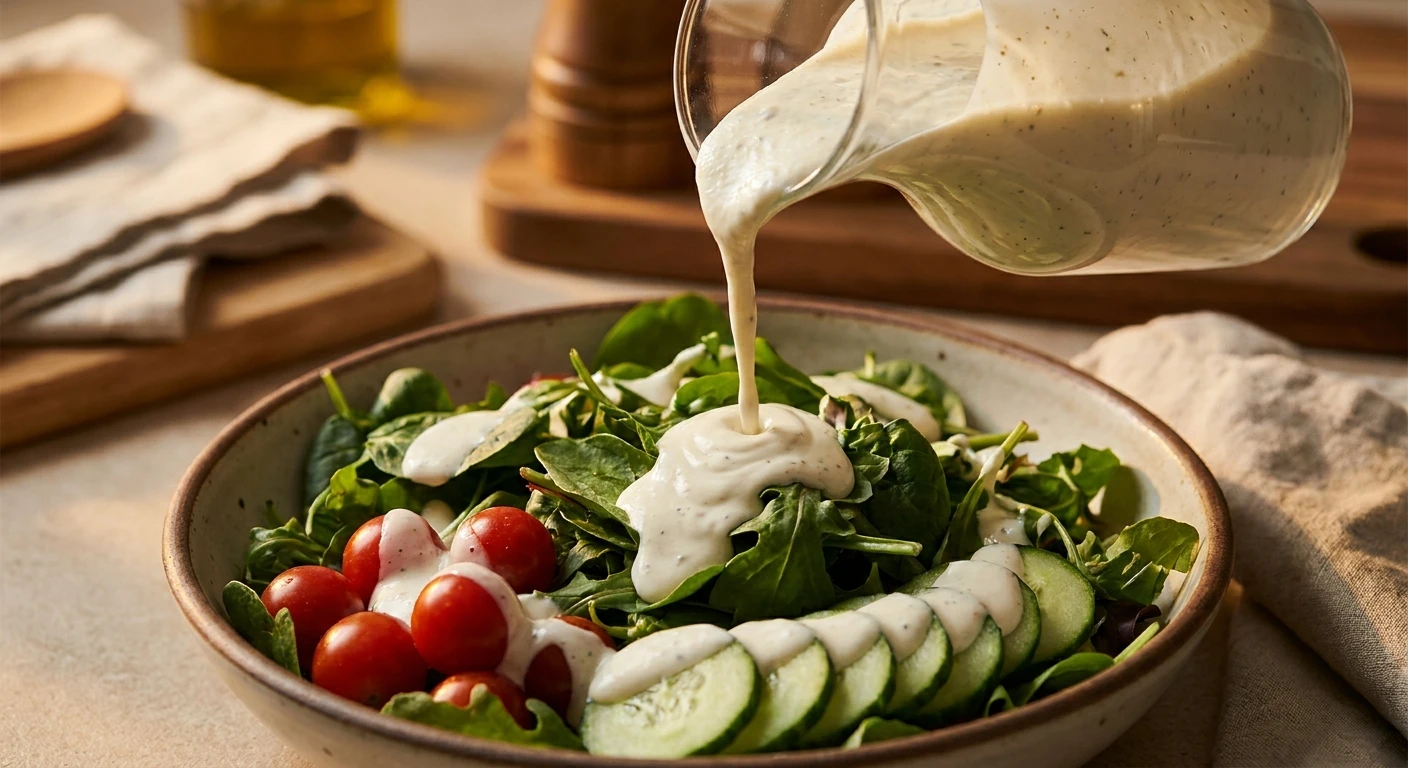
By day four, you might want something slightly lighter. Cut up a massive platter of raw cucumbers, carrots, and celery. Take your remaining sauce and mix it 50/50 with some full-fat Greek yogurt or sour cream. You instantly have a creamy, savory, smoky dip that absolutely blows store-bought ranch dressing out of the water. It is healthy, heavily flavored, and takes roughly ten seconds to prepare.
Day 5: Soup Swirl
If you are making a simple minestrone, tomato, or even a basic chicken noodle soup, you need a flavor booster at the end. Right before serving, drop a huge tablespoon of the red pepper mixture directly into the center of the bowl. Do not stir it in completely right away. Let the heat of the broth slowly melt the cheese and oil out of the paste, creating beautiful, flavorful ribbons throughout your soup bowl.
Day 6: Marinade Magic
Because this mixture is packed with acid, salt, and oil, it functions as a phenomenal marinade. Take a few chicken breasts or thick cuts of white fish, coat them completely in the sauce, and let them sit in the fridge for a couple of hours. When you grill or bake them, the nuts and cheese form a beautiful, crispy crust on the outside while the oil keeps the protein incredibly juicy on the inside.
Day 7: Savory Breakfast Scramble
Finish the week strong. Crack three eggs into a bowl, add a pinch of salt, and whisk aggressively. Melt some butter in a non-stick pan, pour in the eggs, and turn the heat down low. Right as the eggs start to form soft curds, fold in two tablespoons of your sauce. The residual heat warms the garlic and cheese perfectly without overcooking the eggs, giving you a restaurant-quality breakfast in literally three minutes.
Separating Fact From Fiction
Myth: It is way too spicy for kids or people with sensitive stomachs.
Reality: Sweet red bell peppers contain absolutely zero capsaicin, which is the chemical compound that makes chili peppers hot. This sauce is entirely sweet, savory, and smoky, with no painful heat whatsoever unless you specifically choose to add chili flakes yourself.
Myth: Making it from scratch takes too much time and effort.
Reality: While roasting the peppers takes about 30 minutes of totally passive oven time, the actual active preparation is under five minutes. You literally just throw everything into a food processor and press a button.
Myth: You have to use expensive pine nuts.
Reality: Pine nuts are traditional for basil versions, but roasted red peppers pair significantly better with the robust, earthy flavor of toasted walnuts or almonds, which are much cheaper and easier to find.
Can I freeze this sauce?
Yes, absolutely. Spoon it into an ice cube tray, freeze solid, and then transfer the cubes to a freezer bag. You can pull out exact portions whenever you need a quick flavor boost for a meal.
Do I really have to peel the peppers?
Honestly, yes. The charred skin becomes papery, bitter, and unpleasant when blended. Taking three minutes to peel the blistered skin ensures a sweet, smooth, luxurious final product.
Are jarred roasted peppers an acceptable substitute?
If you are in a massive rush, yes. Just be sure to drain them completely and pat them very dry with paper towels, otherwise your final sauce will end up watery and completely lack depth.
Which cheese is the absolute best to use?
Pecorino Romano is incredible because its sharp, salty, sheep’s milk profile balances the intense sweetness of the peppers. Standard Parmigiano-Reggiano is a very close second.
Is there a good vegan alternative?
Definitely. Swap the hard cheese out for two tablespoons of nutritional yeast to maintain that savory, umami-rich, cheesy flavor profile without using any dairy products.
How long will this last in the fridge?
If you pack it into an airtight glass jar and pour a thin layer of olive oil over the top surface to block oxygen from hitting the sauce, it will easily last for a week to ten days.
Can I use green bell peppers instead?
I highly advise against it. Green peppers are unripe, meaning they contain far less natural sugar and have a slightly bitter, grassy flavor that does not caramelize or sweeten well when roasted.
Can I add fresh herbs?
A small handful of fresh basil or parsley tossed into the food processor adds a fantastic bright, green note that cuts through the rich smokiness perfectly.
We are flying through 2026, and there has never been a better time to elevate your home cooking game. Ditch the bland, store-bought jars and take control of your kitchen. Grab some fresh bell peppers, fire up your oven, and blend up a batch of this magnificent sauce today. Your future meals will thank you!
Leave a Reply