

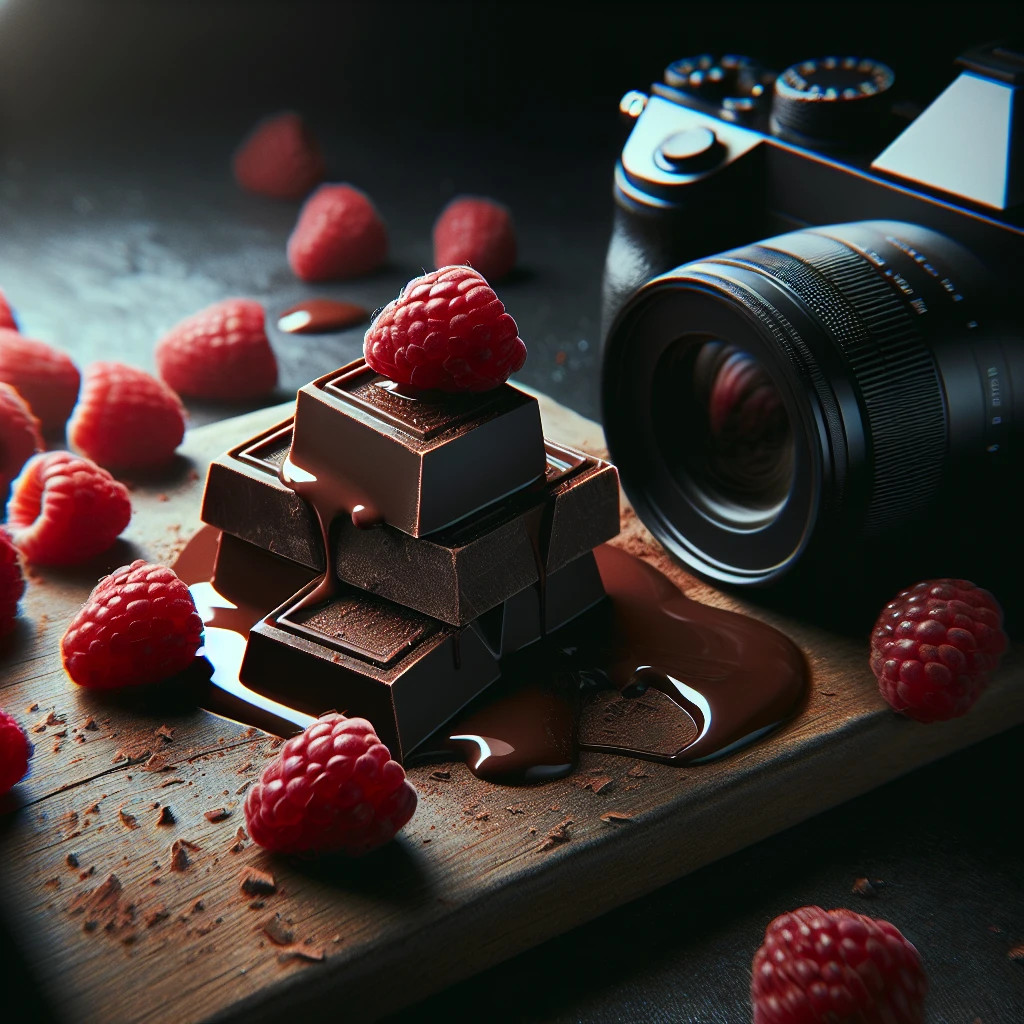
The Magic Behind Raspberry Chocolate
Ever wonder why your taste buds completely short-circuit in the best way possible when tart berries meet rich cocoa? Let’s talk about raspberry chocolate. I still remember walking down the cobblestone streets of Lviv, right near the famous Lviv Handmade Chocolate shop, when a local artisan handed me a dark cocoa truffle generously dusted with freeze-dried pink berries. That single bite shifted my entire perspective on desserts. It wasn’t just candy; it was a full sensory experience. The sharp, fruity acidity cutting straight through the heavy, velvety bitterness of a 70% dark cocoa blend is simply unmatched.
You get the deep, grounding comfort of cocoa and the loud, zesty wakeup call of summer berries all at once. Whether you are baking an elaborate weekend tart, selecting a luxury bar for a birthday gift, or just hoarding sweet snacks in your pantry for late-night cravings, understanding what makes this pairing work so incredibly well elevates the whole experience. I am going to walk you through exactly why this specific combination dominates the global pastry scene, how it evolved over decades, and the actual biochemical science behind that flavor explosion. Grab a cup of coffee, maybe a small truffle, and let’s get right into the delicious details of this iconic flavor duo. It is time you know exactly what you are eating.
The Core Balance of Flavor
You might think mixing fruit and cocoa is just a random culinary experiment meant to make things look pretty, but there is a highly precise reason raspberry chocolate works so incredibly well on the palate. The core benefit of this pairing lies entirely in flavor balancing and contrast. Cocoa, especially dark and heavily roasted varieties, naturally carries bitter, earthy notes combined with a very high fat content from the cocoa butter. When you introduce a bright, acidic, and slightly sweet element like a fresh or freeze-dried berry, it slices right through that heavy richness, stopping your mouth from feeling overwhelmed.
Think about a dense, intensely fudgy brownie. Eating a huge slice of it on its own can easily cause palate fatigue after just a few bites. But if you add a sharp, tangy berry compote on top, suddenly every single bite tastes fresh and vibrant. Or, consider a premium white cocoa bar infused with pink berry dust. The intense, buttery sweetness of the white base is tamed entirely by the sharp acidity of the fruit, making it highly addictive rather than cloyingly sweet.
Let’s compare the main types of bases you will typically find paired with this fruit:
| Base Type | Flavor Profile | Best Use Case |
|---|---|---|
| Dark (70%+) | Earthy, intense, highly astringent | Sophisticated desserts, red wine pairings |
| Milk (40%) | Creamy, sweet, very mellow | Casual snacking, kid-friendly treats |
| White (30% butter) | Extremely sweet, milky, buttery | Truffle fillings, visually stunning dessert barks |
If you want to master creating or selecting the perfect treat, keep these three essential rules in mind:
- Always check the fruit format. Freeze-dried pieces offer a much better crunch and intense flavor without messing up the delicate temper of your cocoa base.
- Pay attention to the percentage. A 60-70% dark base provides the most ideal contrast to the natural tartness of the berry, creating perfect harmony.
- Store it properly. Keep your bars away from direct sunlight, heat, or heavy humidity. The fruit pieces can easily absorb moisture from the air and become incredibly chewy and unpleasant.
Origins of the Pairing
Combining fruits with cocoa isn’t a completely new concept, though the specific rise of raspberry chocolate took quite a while to perfect. Early Mesoamerican cultures consumed cacao mostly as a bitter, spicy drink, often infused with chili and vanilla, whipped into a thick froth. It wasn’t until Europeans started heavily sweetening cocoa and experimenting with solid forms in the 19th century that fruit inclusions became a real possibility. Initially, citrus fruits like orange were the default choice because their strong essential oils were incredibly easy to extract and blend into a stable fat. Berries, however, were notoriously tricky. Their high water content consistently caused solid bars to seize, separate, or spoil prematurely, frustrating early chocolatiers.
The Evolution of Freeze-Drying
The real culinary game-changer arrived with the rapid advancement of commercial freeze-drying technology in the mid-20th century. By completely removing the water in a vacuum while entirely preserving the cellular structure, natural vibrant colors, and intense flavor of the fruit, pastry chefs finally had the perfect ingredient. You no longer had to rely on artificial, synthetically colored syrups that tasted uncomfortably like cough medicine. Artisans could fold crispy, vividly pink berry chunks directly into perfectly tempered vats without ruining the crystalline structure of the cocoa butter. This leap in food tech changed everything for fruit-based confections.
The Modern State of Artisanal Confections
Fast forward to our current culinary landscape. As of 2026, the demand for sophisticated, visually striking, and naturally flavored confections has completely revolutionized the premium dessert market. Modern consumers absolutely demand ingredient transparency, bold, unapologetic flavors, and massive aesthetic appeal. Ruby chocolate made a massive splash a few years ago with its natural pink hue, but true, authentic raspberry chocolate remains the undisputed champion of the high-end dessert aisle. From massive commercial brands introducing limited-edition spring bars to tiny independent patisseries crafting hand-painted bonbons filled with fresh berry ganache, this specific flavor profile represents the pinnacle of modern dessert engineering. It perfectly bridges the gap between classic, nostalgic comfort food and high-end, innovative culinary artistry.
The Chemistry of Astringency and Fat
Let’s talk about the actual food science happening right on your tongue. When you eat raspberry chocolate, you are experiencing a masterclass in organic chemistry. Cocoa contains complex chemical compounds, primarily alkaloids like theobromine and various polyphenols, which actively contribute to its signature bitterness and astringency. Astringency is that dry, slightly puckering sensation you feel in your mouth, very similar to sipping an over-steeped cup of black tea or a heavily tannic red wine. Cocoa butter, the fat mechanically pressed from the bean, thickly coats the palate. When you introduce the organic acids naturally found in raspberries—specifically citric acid and malic acid—a beautiful biochemical reaction occurs. The acid effectively cuts straight through the lipid layer (the fat) on your tongue, rapidly cleansing the palate and instantly resetting your taste receptors for the next bite.
Flavor Volatiles and Olfactory Receptors
The aroma of the treat is just as crucial as the physical taste. Raspberries contain a very specific chemical compound called ‘raspberry ketone’ (scientifically known as 4-(4-hydroxyphenyl)butan-2-one). This highly volatile compound actually travels up your retronasal passage while you chew, actively signaling your brain that you are consuming something incredibly fresh, bright, and fruity. Paired directly with the hundreds of rich volatile compounds developed during the complex Maillard reaction of roasting cacao beans, your brain perceives a phenomenally complex and layered flavor profile.
Here is a simplified breakdown of the specific scientific mechanics at play when you take a bite:
- Lipid interactions: Cocoa butter naturally melts precisely at normal human body temperature (around 34°C to 38°C), effectively releasing the encapsulated berry ketones at the exact moment the texture transitions from solid to liquid.
- pH Balancing: The low pH (high acidity) of the berry thoroughly neutralizes the heavy, alkaline nature of heavily processed Dutch cocoa, creating a very neutral, deeply pleasing finish.
- Textural contrast: The tiny seeds and dehydrated, freeze-dried cells of the fruit provide excellent mechanical stimulation to the teeth and gums, triggering a highly satisfying crunch that contrasts heavily with the smooth, silky melting phase of the fat crystals.
Your 7-Day Raspberry Chocolate Plan
Ready to actively integrate this magical combination into your daily routine? You definitely don’t have to wait for Valentine’s Day or a special anniversary to enjoy it. Here is a highly actionable, deliciously planned 7-day culinary guide to fully experience the entire, wonderful spectrum of raspberry chocolate delights right at home.
Day 1: The Breakfast Upgrade
Start your busy week by immediately upgrading your normal morning routine. Make a warm, comforting bowl of steel-cut oatmeal. Toss in a generous handful of fresh tart berries and a tablespoon of raw, crunchy cacao nibs. The gentle heat from the oats will slightly melt the nibs, actively releasing an intense, earthy aroma that wakes up your senses far better than a standard espresso.
Day 2: The Mindful Midday Snack
Keep things incredibly simple today. Grab a high-quality 70% cocoa bar heavily infused with freeze-dried fruit pieces. Break off exactly two squares. Sit down, eliminate distractions, and let them melt extremely slowly on your tongue to fully appreciate the contrasting textures, the bright acidity, and the perfect snap of the tempering.
Day 3: The Beverage Route
It is time to drink your dessert. Brew a rich, thick, dark hot cocoa using whole milk or a creamy oat milk alternative. Add a single tablespoon of natural, high-quality, seedless berry syrup or puree. Stir it vigorously until it foams. Top the mug with a tiny pinch of flaky sea salt to vastly enhance both the sweetness of the milk and the fruitiness of the syrup.
Day 4: The Baking Experiment
Bake a classic, foolproof batch of fudge brownies. Right before putting the heavy pan into the hot oven, press a dozen or so fresh berries very gently into the top layer of the batter. As they bake, the heat will cause them to burst and create little, sticky pockets of tangy jam scattered completely throughout the dense, fudgy crust.
Day 5: The Healthy Yogurt Parfait
Layer plain, unsweetened Greek yogurt with generous amounts of dark chocolate shavings, a heavy drizzle of local raw honey, and crushed fresh fruit. The natural probiotics and high protein content in the yogurt make this an incredibly healthy but highly indulgent-feeling breakfast or late-night snack that won’t ruin your sleep.
Day 6: The Sophisticated Dessert
Try your hand at a homemade, rustic ganache. Heat heavy cream until steaming, pour it directly over a bowl of semi-sweet chips, let it sit, and then whisk it until completely smooth and glossy. Fold in a splash of berry liqueur (something like a high-end Chambord). Chill it in the fridge until firm, then roll the mixture into messy, delicious rustic truffles dusted with cocoa powder.
Day 7: The Savory Twist
Let’s get a bit wild for dinner. Make a rich, intensely dark mole sauce to serve over roasted chicken or grilled root vegetables. Add a tiny handful of deeply mashed fresh tart berries right at the very end of the simmering process. The fruit actively adds an incredible depth and bright acidity to the savory, spicy, deep cocoa flavors of the traditional sauce.
Separating Myths from Reality
People have a lot of strange misconceptions about this particular flavor pairing. Let’s clear up the confusion immediately so you can snack smarter and bake better.
Myth: Mixing fruit with cocoa magically makes the treat much healthier and lower in calories.
Reality: While you absolutely do get some fantastic antioxidants and vitamins from the fruit itself, commercially produced bars still contain very high amounts of refined sugar and heavy fat. The berry strictly adds wonderful flavor and texture, not a magic diet pill.
Myth: Fresh fruit is always better to use when making homemade bars or solid truffles.
Reality: Fresh fruit contains far too much water. If you try to mix fresh juice or wet puree directly into melted cocoa without proper professional ganache techniques, the fat will seize immediately, turning into a grainy, dull, ruined mess. You must always use freeze-dried pieces for solid bars.
Myth: White cocoa isn’t real, so it shouldn’t be paired with high-quality tart fruits.
Reality: White varieties are authentically made from pure, pressed cocoa butter. Because it lacks the dark, earthy solids, it actually provides the absolute purest, cleanest, and most unobtrusive canvas for sharp, bright fruit acids to shine beautifully.
Frequently Asked Questions
Does raspberry chocolate expire quickly?
Yes, the natural cocoa butter can oxidize and the freeze-dried fruit pieces can completely lose their signature crunch over time if exposed to air. Always consume it within 6 to 12 months for the absolute best results.
Can I use frozen berries for baking my brownies?
Absolutely. Just make sure you do not thaw them first, or they will bleed far too much moisture directly into your batter, creating a soggy bottom.
Why is my melted homemade mixture seizing up?
You most likely introduced water into the bowl. Even a tiny, microscopic drop of moisture from fresh fruit, steam, or a wet spatula can cause the delicate cocoa butter to separate and seize permanently.
What type of wine pairs best with this treat?
A beautiful ruby Port or a deeply fruity, jammy Zinfandel perfectly complements the dark, tart, and heavy notes of the confection without clashing.
Is this treat safe to give my dogs?
No! Cocoa naturally contains theobromine, which is highly toxic to dogs and cats. Keep these delicious treats strictly reserved for human consumption.
Can I successfully make it totally sugar-free?
Yes, you can easily use baking bars sweetened naturally with stevia, erythritol, or monk fruit, paired seamlessly with naturally tart, completely unsweetened freeze-dried fruit pieces.
What is the absolute best way to store my bars?
Always keep it tightly sealed in a cool, dark place perfectly maintained around 18°C (65°F). Strictly avoid the refrigerator, which introduces moisture and causes an ugly white sugar bloom on the surface.
There you have it—your complete, detailed blueprint to fully mastering the incredible, dynamic world of raspberry chocolate. From its ancient and scientific roots to your own wild kitchen experiments, this is a highly versatile flavor profile that simply never gets old. Go grab a high-quality bar right now, try to consciously pinpoint those specific bright acidic and deep earthy notes as it melts, and be sure to share your own tasting experience below!
Leave a Reply