

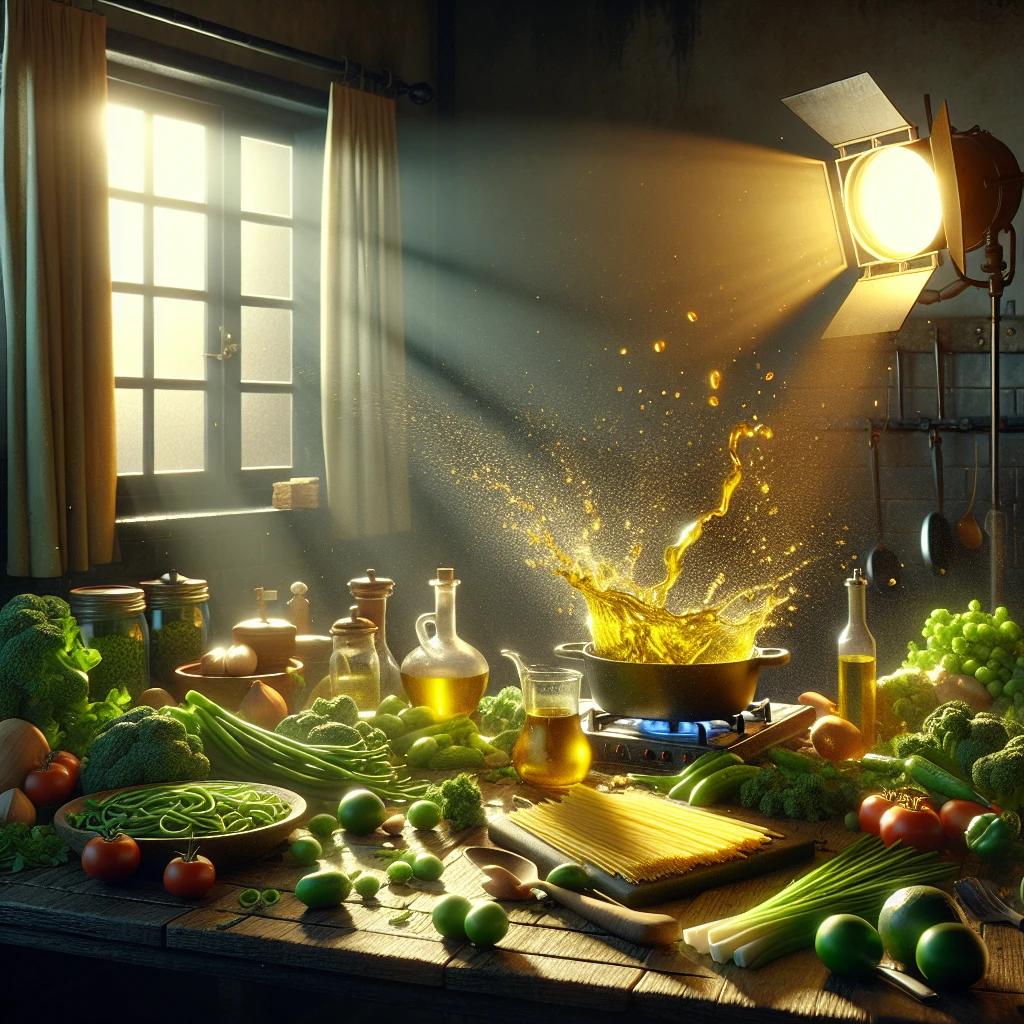
Why You Need to Try Rapini Pasta Right Now
Have you ever taken a bite of a meal and felt an immediate, undeniable connection to generations of rustic culinary tradition? Making an authentic rapini pasta does exactly that. Honestly, if you have not tried tossing these peppery, earthy greens with perfectly cooked al dente noodles, you are seriously missing out. I still vividly remember the first time I tasted a true, unadulterated variation of it. I was hanging out at a small, unassuming Ukrainian-Italian fusion popup near the Podil district in Kyiv. The chef had decided to substitute some local, sharply flavored greens alongside imported Italian rapini, tossing the whole mixture with incredibly thick olive oil, generous heaps of crushed garlic, and perfectly chewy homemade orecchiette. It completely blew my mind. I immediately went home, bought the freshest ingredients I could find, and started testing my own variations of the recipe.
The robust, slightly bitter bite of the vegetable cuts right through the rich, starchy sauce in a way that feels perfectly balanced. It is the ultimate comfort food that does not make you feel overly sluggish afterward. You get a massive hit of vitamins, a sharp punch of garlic, and the intensely satisfying chew of high-quality carbohydrates all in one simple bowl. Plus, the whole thing comes together so quickly, it is honestly faster than waiting for a delivery driver to show up at your door.
The Core Mechanics of a Perfect Rapini Pasta
Listen, understanding how to balance bold flavors is absolutely everything when you are dealing with strong, uncompromising ingredients. The sheer magic of rapini pasta lies in the aggressive, beautiful contrast between bitter, salty, spicy, and rich elements. When you take the time to slowly sauté the chopped greens in a generous pool of extra virgin olive oil infused with toasted garlic and fiery chili flakes, you create a foundation that is undeniably powerful. Then, you bring in the starchy, heavily salted pasta water. This liquid acts as a bridge, binding the fat and the natural vegetable juices together, creating a remarkably creamy sauce without requiring a single drop of cream or butter. It is pure, unadulterated culinary mechanics at work.
To give you a clearer idea of how this specific ingredient stacks up against its popular cousins in the local produce aisle, check out this quick comparison:
| Vegetable Type | Bitterness Level | Best Culinary Application |
|---|---|---|
| Rapini (Broccoli Rabe) | High and peppery | Sautéed with heavy garlic, mixed heavily into rustic pasta dishes |
| Regular Broccoli | Very Low | Roasted with cheese, steamed, or baked into heavy casseroles |
| Broccolini | Mild to Medium | Lightly grilled, tossed in bright citrus stir-fries |
The core value of choosing this specific bitter green over something milder is totally two-fold. First, it forces you to season the dish aggressively, which inherently builds a restaurant-quality flavor profile. Think about how a few chopped anchovies can melt seamlessly into the hot oil to provide an intense umami backbone, or how toasted breadcrumbs scattered on top give the final plate a phenomenal crunch. Second, it is incredibly nutrient-dense, turning what could be a heavy carb-loaded meal into a wonderfully balanced, health-conscious dinner.
If you genuinely want to pull this off flawlessly at home, you need to follow these non-negotiable rules when shopping:
- Look closely for bright, firm, deeply green leaves. If you see any yellowing little flowers or noticeably wilted stems, put the bunch back immediately.
- Always buy much more than you think you will actually need. The raw greens cook down drastically, almost exactly like spinach, so a massive, intimidating bunch magically turns into just enough for two standard portions.
- Check the overall stem thickness. Thinner stems cook significantly faster and are generally much more tender, whereas massive, thick tree-like stalks require heavy peeling or a very long blanching process to become pleasant to eat.
History and Origins of Rapini Pasta
Early Agricultural Roots in the Mediterranean
To really appreciate what is sitting in your bowl, we have to look back at where it all started. The agricultural roots of this dish run incredibly deep in the sun-drenched soils of Southern Italy, particularly in regions like Puglia and Campania. Historically, the peasant class, or ‘cucina povera’ (poor kitchen), relied heavily on whatever crops grew easily and abundantly in the harsh, dry climates. Rapini, known locally as cime di rapa, was a hardy, resilient plant that flourished where delicate greens simply withered away. The farmers realized that boiling these tough, bitter stalks alongside their daily rations of homemade pasta not only softened the aggressive flavor but also stretched their limited food supplies into hearty, fulfilling meals.
The Italian-American Evolution
When massive waves of Southern Italian immigrants made their way across the Atlantic to North America in the late 19th and early 20th centuries, they naturally brought their beloved seeds and culinary traditions with them. However, they had to adapt. Ingredients were different, and the soil yielded slightly different flavor profiles. In the bustling neighborhoods of New York, Philadelphia, and Boston, the classic pairing of orecchiette and cime di rapa slowly evolved. It became heavier, often accompanied by massive, fennel-spiced Italian sausages. This meat-heavy addition helped balance the aggressive bitterness of the greens for the American palate, cementing the dish as a beloved Sunday dinner staple in Italian-American households across the country.
The Modern Culinary State in 2026
Now that we are navigating the fast-paced food trends of 2026, hyper-regional ingredients like this are becoming massive staples everywhere from high-end bistros to fast-casual dining spots. People are stepping completely away from overly processed convenience foods and gravitating back toward bold, authentic, single-ingredient-focused cooking. The 2026 culinary landscape is deeply obsessed with functional eating—getting maximum flavor and maximum nutrition out of a single pan. As a result, rapini pasta has seen a massive resurgence online, championed by home cooks who want an affordable, visually stunning meal that carries the weight of history but cooks in under twenty minutes.
The Science of Bitterness and Flavor
The Chemical Breakdown of Glucosinolates
Let’s talk about the actual science happening in your skillet. The sharp, distinctive bitterness of the vegetable is entirely driven by a group of organic sulfur-containing compounds called glucosinolates. When you chop the leaves and stems, you are essentially rupturing the plant’s cell walls. This physical damage releases an enzyme called myrosinase, which immediately reacts with the glucosinolates to form pungent, spicy molecules known as isothiocyanates. This is the exact same chemical defense mechanism that gives mustard and horseradish their fiery kick. When you plunge the greens into boiling water during the blanching phase, you rapidly deactivate the myrosinase enzyme, which permanently locks the bitterness at a manageable level. If you skip blanching, you are eating the plant’s full, unbridled chemical defense system.
The Maillard Reaction and Starch Emulsion
The other major scientific factor at play is the physical emulsion of the sauce. Oil and water naturally repel each other, right? But when you introduce the starchy pasta water into the hot olive oil, you change the physical structure of the liquids. The sheer mechanical action of vigorously tossing the noodles forces the starch granules—which have swollen and burst during boiling—to trap the fat droplets in suspension. This creates a velvety, opaque sauce that clings beautifully to the little ear-shaped pasta.
- The vegetable contains extremely high levels of vitamins A, C, and K, contributing vastly to long-term cellular health and immune function.
- The released isothiocyanates have been widely documented in scientific literature to possess powerful antioxidant and defensive properties within the human body.
- Pasta water acts as a natural, entirely vegan thickening agent because the amylose starches stabilize the volatile oil-based garlic sauce.
- Sautéing garlic slowly prevents the allicin from turning incredibly bitter, maintaining a sweet, roasted profile that complements the greens.
Your 7-Day Rapini Pasta Mastery Plan
Day 1: Gathering and Inspecting the Ingredients
Your journey begins at the market. Spend your first day hunting down the absolute best ingredients you can find. Grab two large bunches of the freshest rapini, a block of genuine Pecorino Romano, high-quality extra virgin olive oil, and a bag of bronze-die extruded orecchiette. Bronze-die pasta has a rough, dusty surface that physically grips the sauce much better than the smooth, cheaply made alternatives.
Day 2: Mastering the Blanching Technique
Before you even try to make the full dish, practice taming the greens. Wash them thoroughly, chop off the extremely tough bottom inch of the stalks, and drop them into heavily salted, rapidly boiling water for exactly two minutes. Shock them immediately in a bowl of ice water. Taste a piece. Notice how the sharp, aggressive bitterness has mellowed into an earthy, pleasant peppery flavor. This is your baseline.
Day 3: The Garlic and Oil Infusion
Today is all about the aromatic base. Heat a quarter cup of olive oil over medium-low heat and add four smashed garlic cloves alongside a hefty pinch of red pepper flakes. Let it sizzle very gently. You want the garlic to turn a soft, golden blonde, not dark brown. If it burns, throw it out and start over. This infused oil is the absolute lifeblood of the entire dish.
Day 4: Cooking the Perfect Orecchiette
Pasta cooking is an art. Boil your water, salt it until it tastes like the sea, and drop the noodles. Cook them exactly one minute less than the package instructions indicate. They need to be fiercely al dente because they will finish cooking directly in the skillet with the greens and the oil. Reserve a full mug of the starchy cooking water before you drain them.
Day 5: The Emulsion Technique
Now, bring it all together. Put your infused garlic oil back on medium heat, toss in your blanched greens, and stir violently. Add the undercooked pasta directly into the pan, followed by a splash of your reserved pasta water. Toss the pan continuously. Watch closely as the watery oil magically transforms into a thick, glossy, luxurious coating that hugs every single noodle perfectly.
Day 6: Plating Like a Professional
Presentation changes the way food tastes. Serve your creation in a wide, shallow bowl to keep it warm. Drizzle a tiny amount of raw, high-quality olive oil right over the top for a fresh grassy finish. Grate a snowy mountain of Pecorino Romano over the hot pasta so it begins to melt instantly. Serve it immediately while the steam is still rising.
Day 7: Creative Variations and Pairings
Once you know the rules, you can break them. Try crumbling a spicy Italian sausage into the pan during the garlic phase. Toss in some toasted pine nuts or crispy breadcrumbs for a dramatic textural contrast. Squeeze a fresh lemon over the finished plate to add a bright, acidic high note that cuts right through the rich olive oil.
Common Myths About Rapini Pasta
Myth: The greens are entirely too bitter to be enjoyed by picky eaters.
Reality: The perceived bitterness is entirely a result of poor cooking techniques. Proper blanching in heavily salted water neutralizes the harsh chemical compounds, leaving behind a complex, deeply satisfying flavor profile that most people end up craving.
Myth: You have to use tons of expensive cheese to make it taste good.
Reality: While cheese is fantastic, traditional recipes in Southern Italy often skipped the cheese entirely, relying instead on toasted breadcrumbs fried in garlic oil to provide texture, saltiness, and savory depth.
Myth: You can easily substitute regular broccoli without any noticeable difference.
Reality: Standard broccoli belongs to a completely different branch of the Brassica family. It lacks the peppery bite and leafy texture that makes this specific dish work. Substituting it completely ruins the intended flavor balance.
Myth: The sauce needs heavy cream to become thick and cohesive.
Reality: Adding cream to this dish is considered a culinary crime in many Italian households. The thickness comes purely from the vigorous emulsion of starch-rich pasta water and good olive oil.
Frequently Asked Questions
Can I use regular broccoli if I cannot find the specific greens?
Honestly, you can, but it becomes a totally different dish. Regular broccoli is much sweeter and milder. If you must substitute, try using a mix of broccolini and arugula to somewhat mimic that signature peppery bite.
Is this traditional rapini pasta considered completely vegan?
Yes, at its absolute core, the base recipe is naturally vegan. It is just pasta, greens, garlic, oil, and chili flakes. Simply omit the optional cheese topping or anchovies to keep it strictly plant-based.
How do I reliably reduce the intense bitterness?
The secret is all in the boiling water. Blanch the greens for two to three minutes in water that is heavily seasoned with salt before you sauté them. The salt helps draw out the bitter compounds efficiently.
What kind of pasta shape works the absolute best?
Orecchiette (little ears) is the undisputed king here. The cup-like shape acts as a tiny bowl, catching the chopped leaves, the garlic oil, and the spicy juices so every bite is fully loaded.
Can I store the leftovers for the next day?
You can keep them in an airtight container in the fridge for up to three days. However, be aware that the oil might solidify. Just reheat it gently in a skillet with a tiny splash of fresh water to wake the sauce back up.
Do I absolutely need to add the spicy chili flakes?
You do not have to, but highly recommend it. The gentle heat from the red pepper flakes creates a necessary contrast that distracts the palate from the natural bitterness of the leaves.
How long does making the sauce actually take?
If you have your ingredients chopped and ready to go, the entire sautéing and sauce-building process takes less than ten minutes. It perfectly matches the boiling time of the dried pasta.
What is the final secret to the perfect plate?
Never skip reserving the pasta water. It is the single most critical ingredient for binding the dish together. Without it, you just have greasy noodles sitting on top of wet vegetables.
So, there you have it. You now possess the full, unbridled mechanics, the deeply rooted history, and the exact step-by-step methodology to master rapini pasta right in your own kitchen. It is bold, it is unapologetically flavorful, and it is exactly what you need to break out of your standard weeknight dinner rut. Grab your skillet, hit the local market for the freshest greens you can find, and give this timeless classic a try tonight!
Leave a Reply