

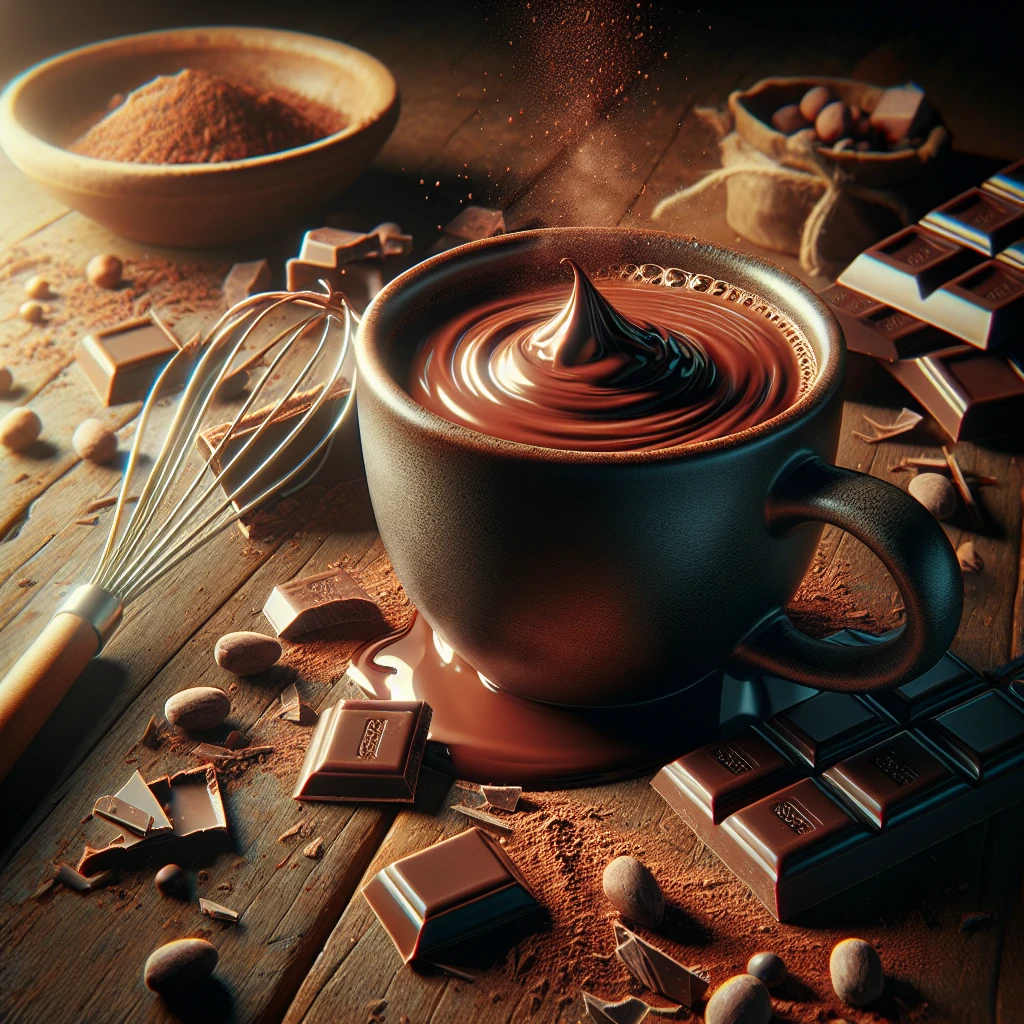
The Ultimate Guide to Authentic Belgian Hot Chocolate
Have you ever wondered why a steaming cup of genuine belgian hot chocolate tastes like a warm hug for your soul, completely putting those sad, instant powder packets to shame? You know exactly what I am talking about. The moment you take that first sip, the rich, velvety texture coats your palate, and the deep cocoa flavors instantly elevate your mood. Making real belgian hot chocolate at home is actually much easier than you might think, and it completely changes the way you experience cozy evenings.
I still clearly remember my very first trip to Brussels. It was a freezing December afternoon, the kind of cold that bites at your fingers and toes. Seeking refuge, I ducked into a tiny, unassuming corner cafe tucked away near the stunning Grand Place. The barista did not hand me a paper cup filled with watery, artificial sweetness. Instead, she presented a beautiful ceramic mug accompanied by a tiny whisk and a generous sideplate of pure chocolate callets. The ritual of melting the solid chocolate directly into the steaming milk was mesmerizing. That specific moment ruined powdered mixes for me forever, and I have been chasing that exact standard of quality ever since.
In this comprehensive breakdown, I am going to walk you through exactly how you can recreate that exact Brussels cafe magic right in your own kitchen. You will learn the science, the history, and the foolproof method to achieve absolute perfection.
When we talk about the core mechanics of a proper chocolate beverage, we have to establish a baseline of quality. Authentic belgian hot chocolate relies heavily on the physical melting of premium couverture chocolate, rather than dissolving alkalized cocoa solids. This fundamental difference alters the entire chemical structure of the drink. Because you are incorporating the actual cocoa butter from the chocolate bars or callets into the hot dairy, you naturally create a luxurious emulsion. The resulting liquid is dramatically thicker, glossier, and infinitely more satisfying.
To truly grasp the massive gap in quality, let us compare the three main categories of chocolate drinks available to consumers today.
| Beverage Category | Base Ingredients Used | Texture and Flavor Profile |
|---|---|---|
| Belgian Hot Chocolate | Solid couverture callets or bars, whole milk, cream | Rich, velvety, complex notes of roasted cocoa and vanilla |
| Instant Supermarket Cocoa | Alkalized cocoa powder, refined sugar, powdered milk | Thin, watery, intensely sweet, flat flavor |
| European Drinking Chocolate | Melted ganache, heavy cream, minimal milk | Extremely thick (pudding-like), decadent, heavy |
The value proposition of switching to the authentic method is massive. First, consider the hospitality aspect. Serving this to dinner guests instantly elevates a casual gathering into a memorable, premium experience. Second, consider personal well-being. A small, nutrient-dense cup made from 70% dark chocolate offers genuine comfort and satisfaction, preventing the sugar crashes associated with cheap alternatives.
Here are the top three reasons you absolutely need to upgrade your cozy drink game right now:
- Superior Fat Content: Natural cocoa butter provides a mouthfeel that artificial thickeners simply cannot replicate.
- Better Bean Sourcing: Authentic callets generally use higher-grade, ethically sourced cocoa beans compared to mass-market powders.
- Customizable Sweetness: By starting with pure dark chocolate, you maintain complete control over how much added sugar goes into your mug.
The Ancient Origins of Cacao
Long before it became a sweet, comforting treat in European cafes, cacao was a sacred, bitter, and spicy beverage consumed by ancient Mesoamerican civilizations. The Mayans and Aztecs revered the cacao bean, grinding it by hand and mixing it with water, chili peppers, and cornmeal. This early concoction was incredibly frothy and was often reserved for nobility, warriors, and sacred rituals. It was entirely unrecognizable from the sweet dairy beverages we consume today, serving more as an energy-boosting elixir than a dessert.
Evolution in the Belgian Chocolate Making Scene
When Spanish explorers eventually brought cacao back to Europe, it slowly transitioned from a bitter medicine into a sweetened luxury for the elite. However, it was not until the industrial revolution and the specific innovations happening in Belgium that the modern concept of premium chocolate began to take shape. In 1857, Jean Neuhaus opened a pharmacy in Brussels where he famously coated his medicines in a layer of chocolate to make them more palatable. This spirit of innovation led to the invention of the praline and established Belgium as the absolute epicenter of high-quality couverture chocolate manufacturing.
The Modern State of Cocoa Drinking
Now that we are deep into 2026, the global appreciation for artisanal chocolate consumption has reached an all-time peak. Consumers are actively rejecting ultra-processed foods in favor of single-origin, transparently sourced ingredients. Today’s premium cafes often feature dedicated chocolate menus, allowing patrons to select their preferred cocoa percentage and origin region. The modern belgian hot chocolate experience blends traditional craftsmanship with contemporary dietary preferences, offering oat-milk alternatives and advanced spice pairings while strictly maintaining the integrity of the cocoa butter emulsion.
The Chemistry of Emulsification
Creating the perfect cup is actually an exercise in basic food science. When you melt solid chocolate into hot milk, you are forcing two uncooperative elements—fat (cocoa butter) and water (from the milk)—to play nicely together. This is where the magic of emulsification comes in. High-quality Belgian chocolate contains natural emulsifiers, primarily soy or sunflower lecithin, which help bind the fat molecules to the liquid molecules. If you do not whisk aggressively enough, or if the temperature is wrong, the emulsion breaks. A broken emulsion results in an unappetizing greasy film of cocoa butter floating at the top of your mug, while the heavier cocoa solids sink to the bottom.
Why Melting Temperatures Matter
Heat management is arguably the most critical technical skill you need to master. Chocolate is highly temperamental due to the crystalline structure of cocoa butter. If you expose couverture chocolate to direct, aggressive heat, the sugar particles will burn, and the cocoa solids will seize into a grainy, horrific mess. Gentle, indirect heating allows the polymorphic crystals in the cocoa butter to melt smoothly, retaining the signature glossy finish and complex aromatic compounds.
- Cocoa butter generally melts right around human body temperature (34–38 degrees Celsius), making it physically comforting to consume.
- Pure dark chocolate contains significant amounts of theobromine, a naturally occurring alkaloid that acts as a gentle, sustained stimulant without the severe crash associated with high-dose caffeine.
- High-quality cocoa is packed with natural flavonoids, which scientific studies consistently link to improved vascular health and lowered blood pressure.
- Proper aeration (whisking) traps microscopic air bubbles in the fat matrix, fundamentally altering how your tastebuds perceive the flavor density.
Step 1: Selecting the Right Callets
The foundation of your beverage relies entirely on the quality of your chocolate. Do not buy standard baking chips from the supermarket; they contain stabilizers meant to hold their shape in the oven, which prevents them from melting smoothly. Instead, source authentic Belgian couverture callets. A 54% to 70% dark chocolate is the ideal sweet spot for most palates, balancing intense cocoa flavor with just enough underlying sweetness.
Step 2: Choosing Your Dairy or Plant Base
Whole milk is the traditional gold standard because the dairy fat complements the cocoa butter perfectly. However, if you prefer plant-based options, creamy oat milk or full-fat coconut milk are fantastic alternatives. Avoid skim milk entirely; the lack of fat will leave the final drink feeling incredibly hollow and distinctly watery on the tongue.
Step 3: The Slow Heating Process
Pour your chosen liquid base into a heavy-bottomed saucepan. Place it over medium-low heat. You want to bring the milk to a gentle simmer, looking for tiny bubbles forming exclusively around the edges of the pot. Never let the milk reach a rolling boil, as this will scald the natural milk sugars and introduce an unpleasant, burnt flavor profile to your final drink.
Step 4: The Art of Whisking and Aeration
Once the milk is hot, remove the saucepan entirely from the heat source. Add your chocolate callets all at once. Let them sit completely undisturbed for about sixty seconds so they can gently soften. Then, grab a wire whisk and begin stirring vigorously. You want to agitate the mixture strongly to force a tight, glossy emulsion, incorporating a small amount of air for a lighter mouthfeel.
Step 5: Balancing the Sweetness Profile
Taste your mixture at this stage. Depending on the cocoa percentage of your chosen callets, you might want to adjust the sweetness. If it is too bitter, add a tiny splash of maple syrup, a pinch of brown sugar, or even a teaspoon of quality vanilla extract. Remember, it is always easier to add sweetness later than to try and mask an overly sugary base.
Step 6: Adding Aromatic Enhancers
This is where you can personalize your masterpiece. A tiny pinch of flaky sea salt is absolutely mandatory, as it dramatically enhances the chocolate flavor. Beyond that, consider adding a dash of ground cinnamon, a whisper of freshly grated nutmeg, or even a tiny pinch of cayenne pepper if you want to pay homage to the ancient Mesoamerican origins.
Step 7: Serving and Garnishing Like a Pro
Pour the incredibly hot, rich liquid into pre-warmed ceramic mugs. Do not skip warming the mugs; pouring hot liquid into cold ceramic immediately drops the temperature and dulls the flavor. Garnish with a dollop of unsweetened whipped cream, some extra chocolate shavings, or a homemade marshmallow. Serve immediately while the emulsion is at its absolute peak stability.
Myth: You can just microwave standard chocolate chips in a mug of milk.
Reality: Microwaving dairy and chocolate together aggressively usually results in scorched milk proteins and seized, grainy chocolate. Standard chocolate chips also contain anti-caking agents that ruin the velvety texture you are trying to achieve.
Myth: Authentic hot chocolate is just melted candy bars.
Reality: Commercial candy bars are packed with excess sugar, vegetable oils, and artificial waxes. A proper recipe uses pure couverture chocolate, which relies strictly on genuine cocoa butter for its texture.
Myth: Making it with water ruins the flavor completely.
Reality: While milk adds creaminess, many professional chocolatiers actually prefer using a hot water ganache method. Water acts as a neutral canvas, allowing the subtle, fruity, and acidic notes of single-origin beans to shine brightly.
Myth: It is way too heavy to drink frequently.
Reality: Portion size is the key factor here. In Europe, this rich beverage is traditionally served in very small cups (similar to espresso). A four-ounce serving provides intense satisfaction without feeling overly heavy or gluttonous.
Can I use white chocolate for this recipe?
Yes, absolutely. However, keep in mind that white chocolate contains no cocoa solids, only cocoa butter. It is naturally much sweeter, so you should pair it with a pinch of salt and perhaps some tart raspberry powder to balance the flavor profile.
What is the absolute best cocoa percentage to use?
For a crowd-pleasing classic flavor, stick between 54% and 60%. If you genuinely love dark, bitter, intense flavors, push it up to 70% or even 80%. Going beyond 80% often requires adding supplemental sugar to remain palatable.
Do I need an expensive espresso machine milk steamer?
Not at all. While a steam wand does create a beautiful micro-foam, a heavy-bottomed saucepan on a standard stovetop paired with a vigorous hand whisk works flawlessly.
How long does the leftover mixture keep in the fridge?
You can store leftover liquid safely in an airtight container in the refrigerator for up to four days. It will solidify into a pudding-like state. Gently reheat it on the stove over low heat, whisking constantly to restore the emulsion.
Is this beverage naturally gluten-free?
Pure cocoa butter, cocoa solids, and dairy are naturally gluten-free. However, you must always verify the specific packaging of your chocolate callets to ensure there is no cross-contamination during the manufacturing process.
Can I easily make this recipe completely dairy-free?
Definitely. Swap the whole milk for a high-quality barista-blend oat milk or full-fat canned coconut milk. Just ensure your dark chocolate callets are strictly dairy-free, as some dark chocolates are processed on shared equipment.
What unique toppings go best with the final drink?
Beyond the classic marshmallows, try dusting the top with finely crushed peppermint candies, a drizzle of salted caramel sauce, toasted coconut flakes, or a splash of orange liqueur for an adult variation.
Creating a truly authentic belgian hot chocolate experience is about slowing down and appreciating the raw ingredients. By ditching the processed powders, understanding the basic science of emulsification, and taking the time to slowly melt premium callets, you transform a simple beverage into an extraordinary daily luxury. Grab a bag of high-quality dark couverture, heat up your favorite milk, and start whisking today. Your cozy evenings will never be the same again.
Leave a Reply