

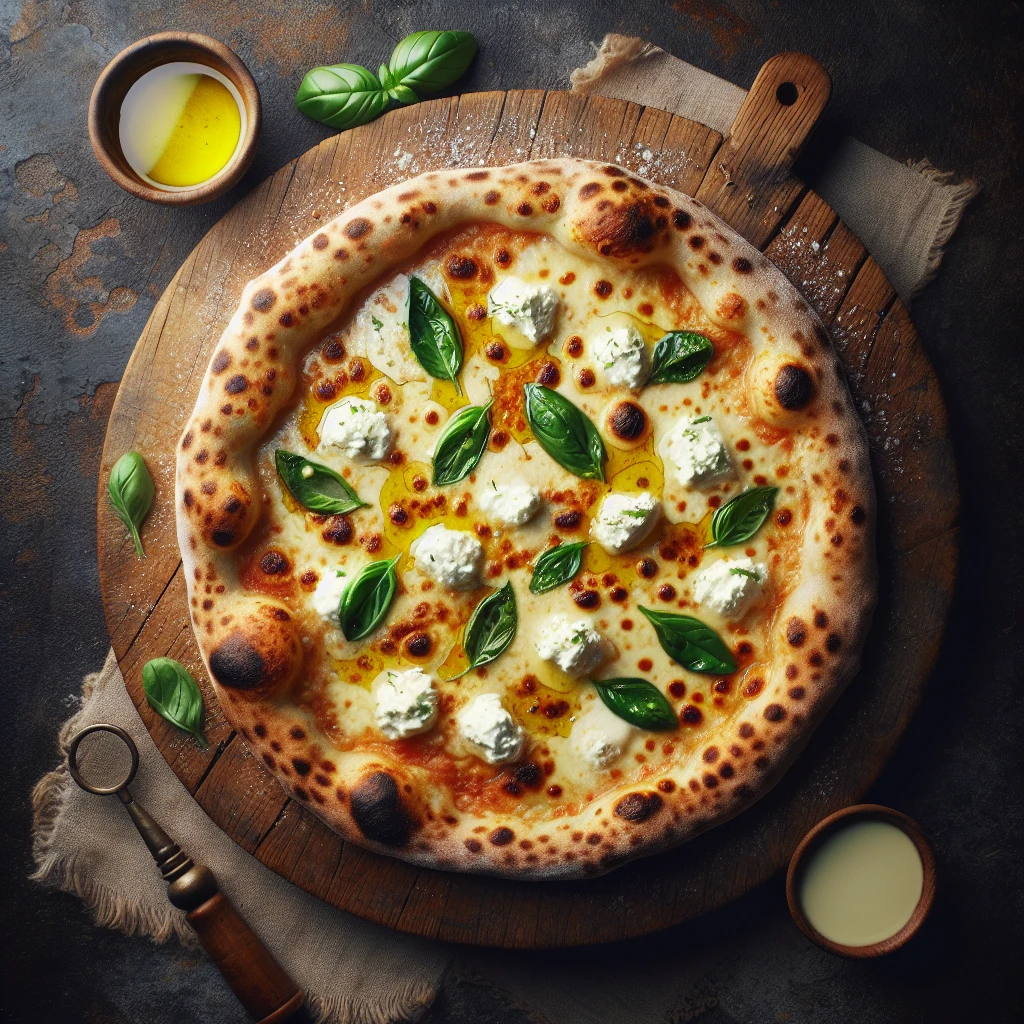
Why Pizza Blanche Will Completely Change Your Baking Game
Have you ever wondered why a perfectly executed pizza blanche can effortlessly outshine its traditional, tomato-heavy cousins at any dinner party? I vividly remember walking into a small, bustling, artisanal pizzeria tucked away in the Podil district of Kyiv just last week. The aroma hitting the street wasn’t the usual acidic tang of marinara sauce; it was a rich, intoxicating wave of roasted garlic, bubbling ricotta, and sharp pecorino. The chef handed me a slice of their signature white pie, and honestly, the rich, creamy profile absolutely blew my mind. When you strip away the bright red sauce, you force the crust and the dairy to do all the heavy lifting. There is nowhere to hide poor technique or cheap ingredients. You get pure, unadulterated flavor.
A classic white pie relies on the perfect balance of dough hydration, intense heat, and high-quality fats. We are leaving the tomatoes in the pantry and embracing a much more refined, delicate approach to dough and toppings. You desperately need this technique in your culinary repertoire because it redefines what a slice can truly be. Expect a massive upgrade to your weekend baking routine. The sheer elegance of a perfectly baked pie proves that less truly is more. From high-end dining spots to casual street food vendors, the demand for this specific style is skyrocketing globally. People crave that garlic-infused olive oil seeping into a fluffy, charred crust. If you master this, you master dough.
Understanding the Anatomy of a White Pie
At its absolute core, pizza blanche (often referred to as pizza bianca in Italy) is simply a pizza engineered without tomato sauce. Instead, it utilizes a luxurious base of high-quality extra virgin olive oil, heavy cream, whipped ricotta, or a velvety bechamel sauce. This rich foundation is then layered with various cheeses and bold toppings like roasted garlic cloves, sweet caramelized onions, or fragrant fresh herbs. The true beauty lies in the harmony of these fats interacting directly with the baked bread.
Here is exactly why you need to master this style:
- Unmasked Dough Integrity: Without the heavy moisture and intense acidity of crushed tomatoes resting on the base, your dough achieves a vastly superior oven spring and a significantly crispier bottom.
- Flavor Layering: You have the freedom to highlight delicate, nuanced ingredients—like fresh thyme, grated lemon zest, or subtle white truffle oil—that would otherwise be completely drowned out by a robust, garlicky marinara.
- Textural Contrast: The combination of creamy, soft ricotta and a shattering, blistered crust creates an unparalleled, highly addictive mouthfeel that keeps people reaching for another slice.
| Pizza Style | Base Layer Strategy | Primary Flavor Profile |
|---|---|---|
| Pizza Blanche | Olive Oil / Ricotta / Cream | Rich, garlic-forward, dairy-sweet, highly herbaceous |
| Classic Margherita | Crushed San Marzano Tomatoes | Acidic, bright, simple, fresh, slightly sweet |
| Quattro Formaggi | Often no base or light cream | Intensely savory, sharp, heavy umami, salty |
By removing the tomato entirely, you are fundamentally altering the moisture dynamics on top of the dough. Think of a local bakery offering artisanal flatbreads; the white pie operates on that exact same structural principle. You coat the stretched dough with garlic-infused olive oil, creating a highly effective hydrophobic barrier that stops the cheese whey from making the center of the dough soggy. This results in a structurally sound slice that holds its shape beautifully when you pick it up.
Origins of the White Pie
Tracing the roots of this iconic dish takes us straight to the ancient, soot-covered bakeries of Rome. Long before tomatoes were brought to Europe from the Americas, bakers needed a reliable, fast way to test the ambient temperature of their massive wood-fired ovens. They would take a small, leftover piece of dough, flatten it roughly, and toss it into the intense heat. To avoid wasting perfectly good food, they brushed these crispy test pieces with local olive oil, sprinkled them with coarse sea salt, and added readily available herbs like rosemary. This simple, practical, rustic bread was essentially the very first iteration of the dish.
The Evolution Through the Centuries
As the centuries progressed, this highly practical baker’s snack evolved from a plain, hard flatbread into a versatile culinary canvas. In the Campania region, particularly in Naples, the cultural focus eventually shifted heavily toward the bright red tomato sauces we universally recognize today. However, central Italy stubbornly held onto its beloved white pizzas. The strategic addition of local, high-quality cheeses—such as provatura, fresh mozzarella, and sheep’s milk ricotta—transformed the humble peasant snack into a deeply decadent meal. Immigrants moving to the United States in the late 19th and early 20th centuries brought these regional variations with them across the Atlantic. Bakeries in New York quickly began offering massive, cheesy white slices heavily dusted with garlic powder and dried oregano, successfully adapting the Roman and Neapolitan traditions to heartier American tastes.
The Modern State of the Dish
Right now, in 2026, the global artisanal pizza scene is experiencing an absolute renaissance of the white pie. Gourmet chefs across the world are using it as a blank, highly versatile vehicle for premium, hyper-local ingredients. We consistently see luxurious toppings like thinly shaved black truffles, fermented hot honey, crushed toasted pistachios, and even cured caviar making their way onto these dairy-rich canvases. The total absence of tomato acid allows these expensive, nuanced ingredients to shine brilliantly on the palate. It is no longer viewed as just a “sauceless” alternative for picky eaters; it is a premium, highly respected category of its own, demanding immense respect and technical skill from pizzaiolos everywhere.
The Chemistry of Baking Without Acid
Baking a flawless pizza blanche requires a completely different understanding of dough chemistry. Tomatoes are naturally highly acidic, typically sitting around a pH of 4.3 to 4.9. When you spread thick, acidic marinara over raw dough, it physically slows down the Maillard reaction—the crucial chemical process between amino acids and reducing sugars that gives browned food its distinctive, savory flavor. By completely removing this acidic top layer, a white pizza browns much faster and significantly more evenly across the entire surface of the dough. The proteins in the cheese and the natural sugars in the dough are completely free to caramelize without any chemical interference.
Managing Hydration and Fat Ratios
The single biggest technical challenge you will face is managing moisture. Fresh mozzarella inherently releases a massive amount of liquid whey as it melts in the oven. Without a thick, pasty tomato base to absorb some of that excess liquid, a white pie can quickly become an unappetizing, soggy mess if not engineered correctly.
Here is exactly what science tells us about building the perfect, structurally sound base:
- Hydrophobic Barriers: Brushing the raw, stretched dough generously with extra virgin olive oil creates a strong lipid barrier. Water expelled from the melting cheese cannot easily penetrate this thick oil layer, effectively keeping the internal crumb structure airy, light, and completely dry.
- Dairy Fat Coagulation: Using whole-milk ricotta aggressively mixed with a strong binding agent (like a small egg yolk or a splash of heavy cream) actively stabilizes the delicate dairy proteins, completely preventing them from splitting or curdling under the intense 900°F (480°C) heat of a traditional pizza oven.
- Enzymatic Browning Control: The natural lactose found in milk and cheeses undergoes incredibly rapid browning. To prevent the top from burning to a crisp before the underlying dough is fully cooked, professional chefs often use a strategic, calculated blend of high-moisture and low-moisture cheeses to perfectly regulate the overall melting speed.
You absolutely must balance the internal hydration of the dough (ideally hovering around 65-70% for standard home ovens) with the external moisture content of the toppings. If you insist on using fresh mozzarella, you rigorously need to tear it and drain it over a fine mesh sieve for at least two to three hours to extract the excess whey, ensuring the structural integrity of your crispy crust remains utterly flawless.
Step 1: The Pre-Ferment
To truly conquer the pizza blanche, you need a highly meticulous, step-by-step approach. Here is the ultimate 7-step masterclass to execute the perfect white pie in your own kitchen. Start your journey the night before by mixing a simple poolish. Combine exactly equal parts bread flour and water (about 150g each) with a tiny, microscopic pinch of dry active yeast. Leave it tightly covered at room temperature for 12 to 14 hours. This essential step creates complex, deeply nutty flavors that will beautifully anchor the rich, heavy cheeses.
Step 2: Mixing the Final Dough
Add your bubbly, highly active poolish to the remaining batch of flour, water, and fine sea salt. Knead the mixture aggressively until the dough successfully passes the windowpane test—meaning you can stretch a small piece thinly enough to see light through it without it tearing. You want a incredibly smooth, highly elastic gluten structure that can effortlessly support heavy dairy.
Step 3: Bulk Fermentation
Let the entire mass of dough rise undisturbed until it has completely doubled in size. This crucial resting phase usually takes about two to three hours, depending heavily on your specific ambient room temperature. You are actively looking for strong bubbling on the surface and a loose, highly jiggly texture when you shake the bowl.
Step 4: Shaping the Dough Balls
Carefully divide the large mass into tight, 250g individual portions. Form them into perfectly round, smooth balls, sealing the bottom seam tightly. Place them gently in a lightly oiled proofing box and transfer them directly to the fridge for a long cold retard lasting anywhere from 24 to 48 hours. This cold fermentation drastically enhances the final crust crispness and flavor depth.
Step 5: Preparing the White Base
While the dough slowly comes up to room temperature on baking day, take the time to whip your ricotta. Aggressively blend fresh, whole-milk ricotta with a generous splash of heavy cream, a large pinch of flaky sea salt, freshly cracked black pepper, and a massive spoonful of sweet roasted garlic paste. Whip it vigorously with a whisk until it holds stiff, airy peaks.
Step 6: Stretching and Layering
Stretch your dough incredibly gently, consciously preserving the trapped air in the outer rim (the cornicione). Brush the flat inner center generously with your best garlic-infused olive oil. Add evenly spaced, small dollops of your freshly whipped ricotta, followed by a heavy scattering of shredded low-moisture mozzarella and a dusting of finely grated pecorino romano.
Step 7: The High-Heat Bake
Swiftly slide the prepared pizza onto a screaming hot, preheated baking steel in your home oven set to its absolute maximum temperature (usually 500°F to 550°F). Bake it aggressively for 6 to 8 minutes. Pull it out exactly when the outer crust is deeply charred and blistered, and the mixed cheeses are bubbling violently. Finish the masterpiece with fresh basil leaves and a heavy drizzle of spicy hot honey.
Busting Common White Pie Myths
There is a massive amount of blatant misinformation surrounding this specific style of baking. Let’s actively clear the air right now.
Myth: Pizza blanche is literally just a regular, boring pizza where the chef stupidly forgot to add the sauce.
Reality: It is a highly deliberate, carefully engineered dish that heavily relies on a very specific, calculated balance of dairy fats, roasted garlic, and oils to create a completely unique flavor profile. The total absence of tomatoes is a brilliant feature, not a mistake.
Myth: You can haphazardly throw any cheese you want onto the dough.
Reality: If you carelessly load the raw dough with high-moisture cheeses without building a proper lipid barrier first, the crust will instantly turn into hot soup. You must strategically mix low-moisture foundational bases with softer, creamier accents like ricotta.
Myth: It is way too rich, greasy, and heavy to comfortably eat a full slice.
Reality: When made correctly with the addition of fresh, bright herbs, sharp lemon zest, or a highly acidic drizzle of thick balsamic glaze, the introduced acidity perfectly cuts through the rich fat, making the entire profile incredibly balanced and surprisingly light on the stomach.
Frequently Asked Questions
Can I add heavy meat to a pizza blanche?
Absolutely. Thinly sliced prosciutto, crispy pancetta, or crumbled spicy Italian sausage pair beautifully with the rich, heavy dairy base. Always remember to add delicate meats like prosciutto only after baking to prevent them from drying out.
What is the absolute best oil to use?
Always, without exception, use high-quality extra virgin olive oil. Since there are so few competing ingredients on the pie, the distinct, grassy flavor of the oil takes absolute center stage.
How do I properly reheat a leftover white pie?
Use a dry cast-iron skillet directly on the stovetop over medium heat. This method perfectly crisps the bottom crust back up while gently and slowly melting the cheese without turning it into a rubbery mess in the microwave.
Is Alfredo sauce ever used on authentic versions?
No. Authentic Italian versions rely strictly on premium olive oil, fresh ricotta, or a traditional bechamel. Using jarred Alfredo sauce is a heavily Americanized shortcut that severely degrades the final flavor profile.
Why did my dough get terribly soggy in the center?
You highly likely used fresh mozzarella that wasn’t properly drained beforehand, or you completely skipped the crucial step of brushing the raw base with olive oil first to create the hydrophobic barrier.
Can I easily make this recipe vegan?
Yes! You can successfully use a high-quality, thick cashew cream base paired with premium plant-based mozzarella alternatives that melt well under high heat.
Does it absolutely need fresh garlic?
While not strictly mandatory by law, garlic actively provides the necessary, highly aromatic punch that brilliantly bridges the flavor gap between the baked dough and the heavy dairy elements.
Mastering the pizza blanche successfully elevates your home baking game to truly professional heights. By intimately understanding the underlying chemistry of the dough and deeply respecting the delicate balance of premium fats, you unlock a completely new, highly sophisticated tier of flavor. Grab your best bread flour, aggressively fire up the oven to the absolute maximum, and start confidently experimenting with your perfect white pie today!
Leave a Reply