

So, is chili a soup? Let us settle the ultimate score
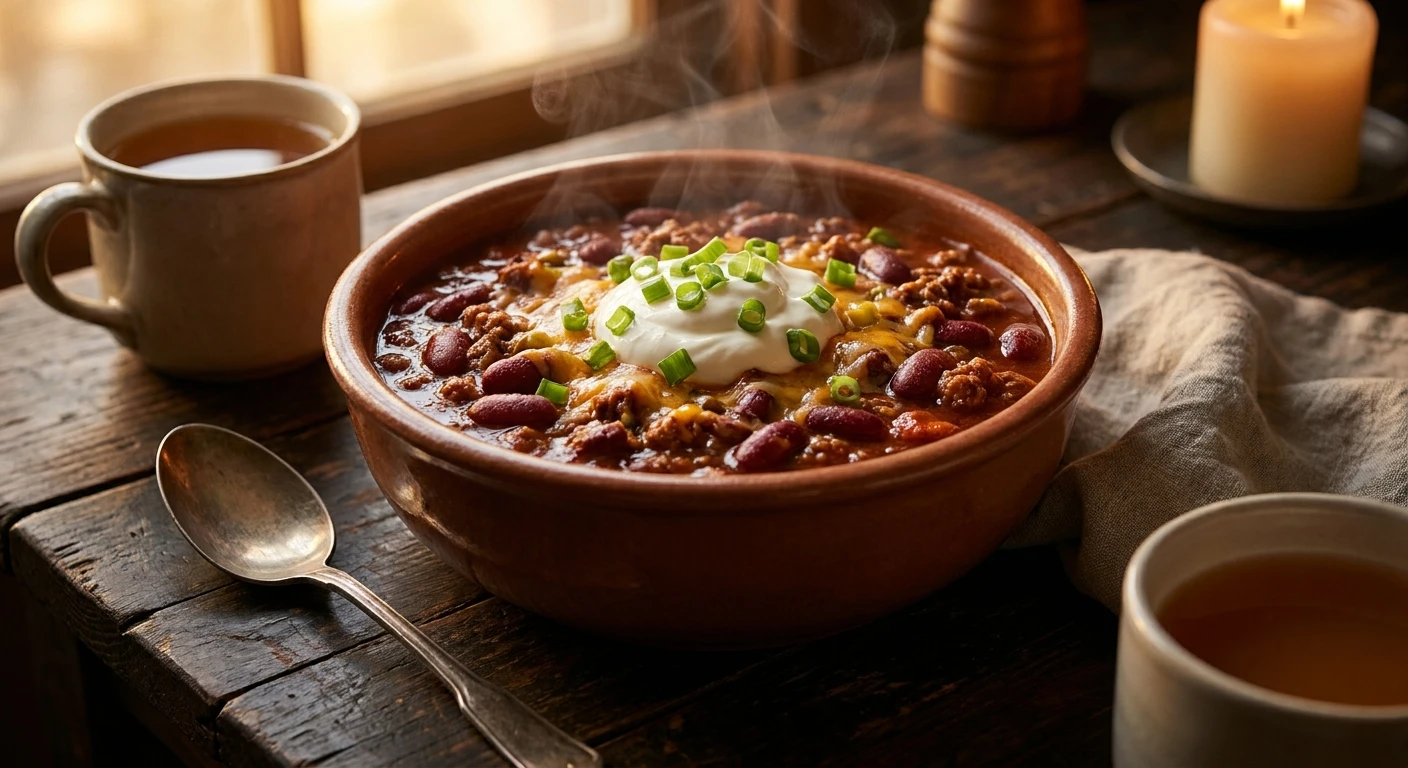
Ever grabbed a heavy silver spoon on a freezing winter night, stared down at your steaming dinner, and wondered, is chili a soup? You are absolutely not the only one sitting at a dinner table agonizing over how to properly categorize your meal. The entire culinary community absolutely loves arguing over food taxonomy, but breaking down the physical structure, moisture content, and cooking process of this legendary comfort food gives us a very clear, undeniable answer: it is technically a stew, though it practically lives in a glorious, thick, and spicy dimension entirely of its own making.
Working as a passionate food writer from my apartment right here in Kyiv, I constantly find myself comparing iconic foreign dishes to our beloved national foods. We Ukrainians deeply respect our liquid meals. When I cooked an authentic, slow-simmered, fiercely spicy Texas red for my neighbors recently, the immediate question from everyone was why this strange “American borscht” was so unbelievably thick that you could practically stand a metal fork straight up in the center of the bowl. Defending its chunky, meat-heavy texture to friends who grew up on clear, delicate broths was a hilarious and highly memorable experience. I spent hours explaining that not everything served in a ceramic bowl actually requires a traditional soup spoon. By the way, the year is 2026, and it absolutely blows my mind that we are still arguing about food classifications online! Anyway, let me break down exactly why this meaty, aromatic concoction breaks all the traditional rules and firmly earns its unique title.
Read also: Classic Old Fashioned Swiss Steak Recipe; Guide: how many cups of rice for 2 people exactly.
The Fundamental Architecture of Liquid Meals
When you look closely at the fundamental architecture of liquid-based meals, the boundaries initially seem quite blurry, but they actually rely on highly specific, measurable scientific principles. To properly categorize what we consume, we must strictly analyze the exact ratio of liquid to solid matter, the specific heat applied during the cooking method, and exactly how the final dish rests once poured into a serving vessel.
| Dish Classification | Liquid-to-Solid Ratio | Primary Cooking Method |
|---|---|---|
| Soup | High liquid volume; all solid ingredients remain completely submerged. | Quick simmer, rolling boil, or gentle steeping of delicate elements. |
| Stew | Low liquid volume; a thick gravy heavily coats the chunky solids. | Slow, agonizingly long braise over very low, consistent heat. |
| Chili | Extremely minimal liquid; inherently self-thickening over time. | Aggressive initial sear followed by massive liquid reduction. |
Understanding this crucial distinction actually brings massive, undeniable benefits to your everyday home cooking routine. When you finally stop treating the dish like a standard watery broth, you unlock its true, intense potential. For example, if you know you are aiming for a stew-like reduction rather than a loose liquid, you will stop adding completely unnecessary cups of water that severely dilute the expensive, intense spices you bought. Secondly, truly understanding the thick, robust viscosity helps you pair it correctly with side dishes. You will immediately reach for crumbly, sweet cornbread or sturdy tortilla chips designed to scoop up the dense goodness, rather than serving a flimsy, soft slice of white sandwich bread that would instantly disintegrate into a soggy, unappealing mess.
Here is exactly how you can rigorously test your homemade batch right now:
- The Utensil Stand Test: If you can thrust a heavy metal serving spoon directly into the dead center of the bowl and it stands completely upright without tilting or falling over, you have successfully crossed into true stew territory.
- The Liquid Displacement Check: Use your utensil to aggressively push the cooked meat and tender beans to one side of the bowl. If a thin, watery liquid instantly rushes in to fill the empty gap, your meal is far too watery. If a thick, glossy sauce slowly oozes back into place, you completely nailed the texture.
- The Thickening Agent Evaluation: True culinary authenticity relies heavily on the natural breakdown of core ingredients—like tough meat proteins and internal starches from legumes—to organically bind the liquid, rather than cheaply dumping in a giant bowl of cornstarch slurry at the very last minute.
A Look Back at the Fascinating Origins
The Ancient Indigenous Roots
Long before massive internet forums ever existed for people to passionately argue about food classifications, indigenous populations living across the Americas were already laying the crucial groundwork for this incredible, sustaining meal. The earliest recognized ancestors of this dish did not sit around worrying about fancy culinary semantics. Aztec and Mayan cultures frequently pounded sun-dried meats, fiercely fiery native chili peppers, and wild, earthy herbs into highly compressed, rock-hard bricks. These dense, portable flavor blocks were entirely practical creations, specifically designed for grueling, multi-day journeys rather than fancy, sit-down dining. Exhausted travelers would simply shave off a small chunk of the brick with a blade and boil it aggressively with whatever fresh water they gathered along the harsh trail. It was entirely about primal survival, caloric energy, and efficiently utilizing the vibrant local flora.
The Evolution Across the Border
As the decades rapidly marched on, the dish transformed completely during the late 19th century. San Antonio, Texas, firmly established itself as the absolute epicenter of the modern spicy food movement. Legendary female street vendors, passionately and affectionately known throughout history as the “Chili Queens,” purposefully set up massive, bubbling cast-iron cauldrons right in the middle of the bustling town plazas. They proudly served up glorious, steaming pots made from dirt-cheap, incredibly tough cuts of beef that they simmered down for endless hours alongside wild green oregano, pungent cumin, and handfuls of fiery dried red peppers. The incredible, savory aroma drifted thickly through the dusty streets, easily attracting hungry cowboys, exhausted soldiers, and curious travelers. At this specific point in history, absolutely nobody dared to call it a soup. It was widely respected as a rustic, aggressive meat gravy, almost always served alongside cheap beans and warm, freshly pressed tortillas. The long, incredibly slow braising method utilized to tenderize the otherwise inedible meat naturally thickened the cooking liquid, separating it entirely from the fragile concept of a light, watery appetizer.
The Modern State of the Dish
Today, the relentless evolution continues with wildly creative variations stretching across the entire globe. We have the fiercely debated Cincinnati style, which is surprisingly thin, loaded with cinnamon, and piled absurdly high on top of plain spaghetti noodles. We also see vibrant green variations originating from New Mexico, strictly utilizing freshly roasted Hatch green chilies and diced pork. Furthermore, we even have totally plant-based, hyper-modern versions packed completely full of healthy quinoa, roasted sweet potatoes, and black beans. Despite all these fascinating, modern twists, the absolute core identity of the dish remains aggressively unchanged. It strictly demands a slow, deliberate, intensely monitored reduction. The minimal liquid is merely a temporary vehicle for massive flavor, fundamentally destined to be cooked away until only a rich, glossy, highly concentrated coating remains securely attached to the solid ingredients.
The Scientific Mechanics of the Pot
The Thermodynamics of Intense Viscosity
If you really want to get incredibly geeky about the exact chemical reactions happening inside your favorite cast-iron pot, we have to look closely at the physical changes occurring over a low, steady flame. Viscosity, which is essentially just a highly technical term for how wonderfully thick a liquid happens to be and how fiercely it resists freely flowing, is the absolute main character here. When you slowly and patiently simmer the combined ingredients, the water molecules steadily evaporate into the air, drastically concentrating the remaining natural animal fats and complex proteins. Unlike perfectly clear, delicate broths that completely rely on a massive water-to-ingredient ratio to remain pleasantly fluid, our spicy red masterpiece intentionally and brutally destroys that ratio through prolonged, relentless thermal energy.
Maillard Reaction and Complex Flavor Profiles
The real scientific magic that dramatically separates this heavy meal from your average, comforting bowl of chicken noodle is the famed Maillard reaction, beautifully combined with total cellular breakdown. When you aggressively brown the raw beef or fatty pork initially in a screaming hot pan, you instantly create hundreds of incredibly complex, deeply savory flavor compounds. As the massive pot simmers over several hours, the tough, rubbery collagen trapped inside the connective tissues of the meat slowly melts down into a silky, luxurious gelatin. This rich gelatin organically acts as a natural, highly effective binder for the entire sauce.
- Prolonged, gentle simmering allows the exceptionally tough collagen found inside ground or cubed chuck roast to convert entirely into a rich, lip-smacking gelatin, adding immense, undeniable body to the dark red sauce.
- If whole beans are included in the recipe, their thin, outer skins eventually rupture under the heat, steadily releasing complex internal starches directly into the surrounding liquid and causing massive, beautiful gelatinization.
- The spicy chemical capsaicin derived directly from the peppers physically binds directly to the melted animal fats resting in the pot, which is precisely why a heavily skimmed, totally fat-free version always tastes inherently less spicy and somewhat depressingly flat on the palate.
- Highly acidic ingredients, such as crushed canned tomatoes, drastically slow down the natural softening process of legumes, which is exactly why proper sequencing and timing are incredibly crucial to avoid ending up with a crunchy, unappetizing, watery mess.
The 7-Day Mastery Plan
If you genuinely want to fully master the absolutely perfect texture and finally leave those sad, watery broths behind for good, closely follow this massive, comprehensive 7-day culinary roadmap to absolute kitchen perfection.
Day 1: The Classic Texas Red Build
Start your intense educational journey by cooking the most fiercely authentic, historically accurate version legally possible. Zero beans allowed, absolutely zero tomatoes included. Just massive chunks of tough beef chuck roast carefully cut into tiny, uniform cubes, mixed with a painfully potent homemade chili paste blended from toasted dried ancho and guajillo peppers, fresh minced garlic, and a splash of dark beef stock. Simmer this beautiful mixture for exactly three uninterrupted hours until the meat practically falls entirely apart and the dark sauce heavily coats the back of your wooden spoon just like thick maple syrup.
Day 2: Bean Infusion and Starch Release
Now we purposefully introduce the most historically controversial element ever debated: beans. Take whatever leftovers you managed to save from yesterday and carefully fold in completely cooked pinto beans. Sit back and watch closely how the released starches from the tender beans immediately interact with the acidic sauce, tightening it up even further over a low flame. This is the exact, beautiful moment you truly realize how differently it behaves chemically when compared to a loose, watery minestrone.
Day 3: The Creamy White Chicken Variation
Switch gears entirely today. Grab two pounds of fresh ground chicken, two cans of soft white cannellini beans, a large jar of fire-roasted green chilies, and some rich chicken stock. This specific version naturally tends to be slightly looser and soupier, but we cleverly fix that issue by aggressively mashing exactly half the beans into a thick paste before gently adding them back to the bubbling pot. This simple trick flawlessly creates a luxurious, velvety texture without requiring you to add any heavy, calorie-dense dairy cream.
Day 4: The Vegetarian Lentil Experiment
Let us bravely drop the heavy meats entirely for a day. Use humble brown lentils and bright orange sweet potatoes. Lentils naturally absorb an absolutely massive amount of moisture as they cook, so you will definitely need to monitor the liquid levels constantly to prevent brutal scorching on the bottom of the pot. The sweet potatoes beautifully break down into absolute mush over time, naturally sweetening the spicy pot and adding incredible, starchy thickness.
Day 5: The Divisive Cincinnati Skyline Style
It is definitely time to get wonderfully weird. Brew a massive batch with an unexpected touch of sweet ground cinnamon, fragrant allspice, and a surprising scoop of unsweetened cocoa powder. The physical consistency here is much thinner, remarkably resembling a fast-food hot dog sauce, strictly because it is purposefully designed to be poured directly over a massive, steaming plate of plain spaghetti and immediately buried under a towering mountain of bright orange cheddar cheese.
Day 6: The Thickening Techniques Masterclass
Dedicate this specific day entirely to boldly fixing previous culinary mistakes. Got a sad, terribly watery batch staring back at you? Try desperately adding a single tablespoon of yellow masa harina (fine corn flour) thoroughly mixed with warm water. Alternatively, aggressively crush up a large handful of plain, salty tortilla chips and briskly stir them directly into the violently boiling pot. They will completely dissolve in mere minutes and securely tighten everything up flawlessly.
Day 7: The Ultimate Group Taste Test
Gather your hungriest friends, carefully line up pristine bowls of your various weekly creations, and boldly ask them the ultimate, overarching question. Hand them a standard soup spoon and a normal dinner fork and carefully observe which specific utensil they naturally reach for instinctively. The undeniable results will firmly prove once and for all that you have successfully created something far superior to a simple, uninspiring, watery appetizer.
Addressing the Persistent Myths
The vast culinary world is absolutely overflowing with terrible, misleading misinformation. Let us aggressively clear the air right now.
Myth: Real, authentic, historically accurate versions must absolutely always include hearty beans to be legally considered genuine.
Reality: The original, hardcore Texas recipes strictly and fiercely forbade beans of any kind. In fact, true Southern culinary purists will fiercely argue until they are blue in the face that adding a single bean immediately disqualifies your dish from any respected cooking competition.
Myth: If you happen to eat it in a round ceramic bowl while holding a spoon, it is automatically and legally classified as a soup.
Reality: Soft-serve ice cream and thick morning oatmeal are both eaten heavily in bowls with spoons. The physical serving vessel and the chosen metal utensil absolutely do not dictate the official culinary classification; the specific cooking method and exact liquid ratio do.
Myth: A thicker consistency always guarantees a far better, superior flavor profile.
Reality: While impressive thickness is absolutely a key defining characteristic, achieving that texture by lazily dumping raw white flour into the pot will horribly mute the expensive spices and completely ruin the glossy, beautiful texture. True thickening should always happen entirely naturally through slow moisture reduction.
Myth: You absolutely need extreme, physically painful pepper heat to achieve an authentic, respected flavor profile.
Reality: The absolute best, award-winning bowls perfectly balance earthy, deeply sweet, and rich smoky notes utilizing relatively mild, flavorful peppers like ancho and dark pasilla. Relying entirely on pure, blinding heat without any complex flavor backbone is just a sad rookie mistake.
Frequently Asked Questions & The Final Verdict
Is it legally defined by any culinary board as a soup?
There are absolutely zero binding legal culinary definitions stopping you from calling your dinner whatever you choose, but respected organizations like the International Chili Society firmly and officially separate it completely from delicate broths and pureed bisques.
Does simply adding extra beef broth suddenly change the category?
Adding liquid broth is purely just a necessary intermediate step in the long cooking process. As long as you patiently reduce that excess broth down to a thick, heavily coating gravy, the true identity absolutely remains intact.
What is the precise physical difference between a stew and chili?
It is legally considered a highly specific sub-category of stew. The absolute primary difference is the dish’s incredibly heavy, uncompromising reliance on a very specific, aggressive flavor profile totally dominated by toasted dried chili peppers, garlic, and cumin.
Can I socially acceptably serve it on a flat dinner plate?
Yes, absolutely! The famous Cincinnati style is famously and proudly served directly on completely flat plates poured entirely over plain pasta, and incredibly thick Texas red is frequently served scooped onto flat plates resting right alongside massive, crumbly slices of warm jalapeño cornbread.
Why do so many famous restaurants list it directly under their soup menus?
Massive commercial restaurants strictly use very broad, generalized menu categories purely for basic organizational simplicity. “Soups and Salads” is an incredibly standard, recognizable hospitality industry section, so the dish usually gets lazily grouped there purely for quick customer convenience rather than actual culinary accuracy.
Does the specific type of ground meat truly matter?
Not even a little bit. Whether you choose to use cheap ground beef, freshly diced wild venison, lean ground turkey, or completely entirely plant-based modern soy crumbles, the strict classification depends entirely on the preparation methodology and the final liquid reduction.
Can I safely freeze massive batches for later consumption?
Absolutely, 100 percent. In fact, vigorously freezing and slowly reheating the dish heavily often significantly improves the final texture by aggressively breaking down the internal ingredients even further, usually making it significantly thicker and tastier upon thawing.
The Final Word
So, there you finally have it. The endless, exhausting dinner table debate is absolutely and officially settled for good. It is a hearty stew—highly specialized, aggressively seasoned, beautifully complex, but a stew nonetheless. Stop wasting time blindly arguing with your stubborn family members, firmly grab your favorite heavy-bottomed Dutch oven pot, and start aggressively simmering some magic. Hit the kitchen tonight, try out the intensive 7-day master plan detailed above, and make sure to share your massive success with your friends. Grab a giant spoon, enjoy the incredibly thick texture, and never look at a watery broth the same way ever again!



Leave a Reply