
Why Herb Crush Salmon Joeys Will Be Your Next Obsession
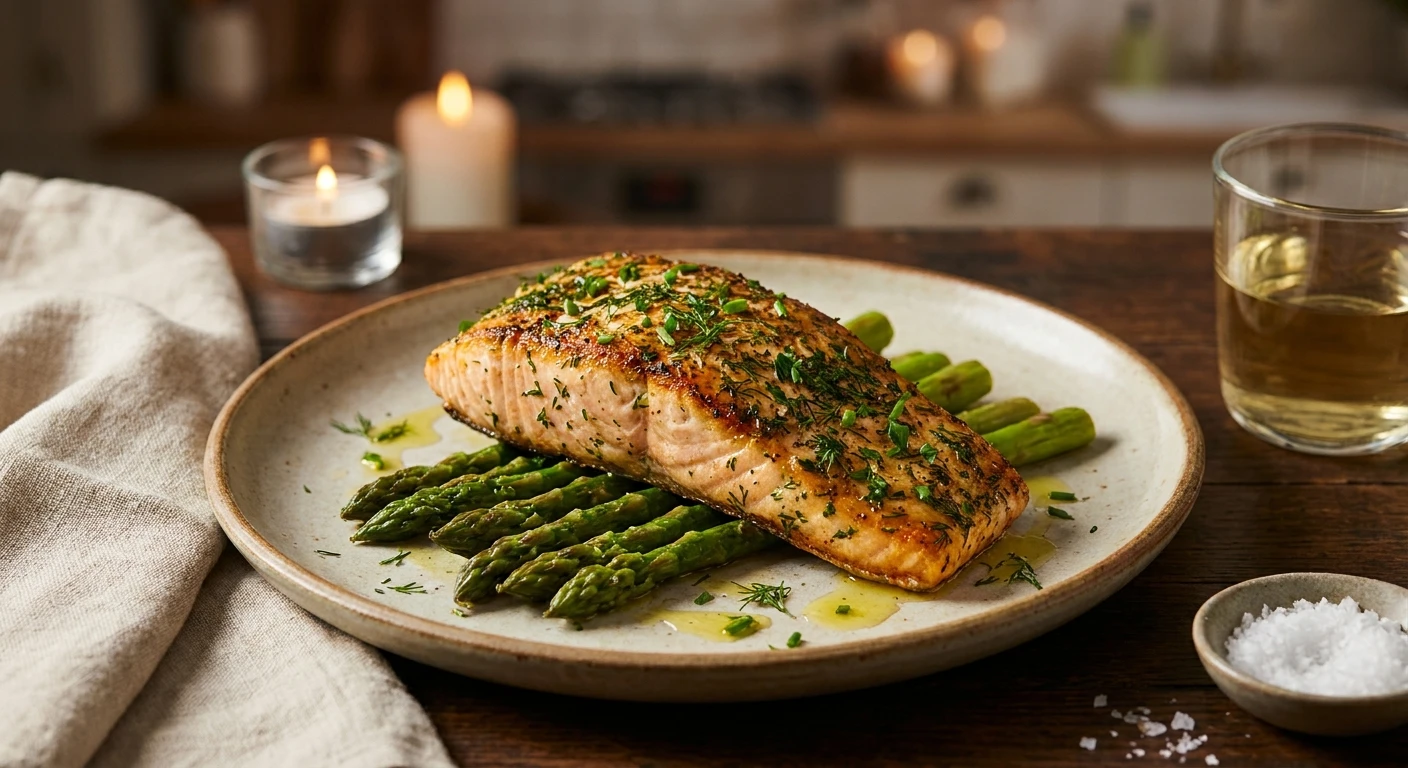
Look, I have to be completely honest with you. Ever since I first tasted herb crush salmon joeys, my entire approach to weeknight dinners has completely shifted. You know that specific feeling when you try a dish at a restaurant and immediately think, “I absolutely have to learn how to make this at home”? That is exactly the situation we are dealing with right now. This recipe is a total game-changer. The vibrant crust, the perfectly tender fish, the burst of fresh green flavors—it all comes together to create absolute magic on a plate. I cannot wait to show you exactly how to pull it off.
Growing up near Kyiv, my family always relied heavily on fresh herbs from our summer dacha. We had massive bunches of dill, parsley, and green onions constantly drying in the kitchen. My grandmother would take freshly caught river fish, coat it in mustard, and pack those herbs tightly onto the fillets before roasting them in our old oven. When I finally experienced the famous restaurant version of this salmon dish years later, the flavor profile brought all those childhood memories rushing back. The concept is essentially the same, just elevated with beautiful ocean salmon and a few specific techniques that make the texture unbelievably perfect.
My core belief about cooking is that you do not need formal culinary training to make food that makes people close their eyes and sigh with happiness. This dish proves exactly that. It is crispy, it is herbaceous, it is healthy, and best of all, it genuinely feels like a warm hug from a friend who knows exactly what you need after a long day.
The Core Mechanics of a Perfect Crust
Let us talk about what actually makes this dish work so well. The magic of a proper herb crust lies entirely in the contrast. You have the rich, fatty texture of the salmon sitting right underneath a bright, acidic, and crunchy topping. If you just throw dry herbs on a piece of fish, they will burn and turn bitter in the oven. You need a specific formula to create an edible barrier that protects the delicate flesh while providing that signature crunch.
Here is a detailed breakdown of the primary components and why they matter so much to the final flavor profile:
| Ingredient Component | Purpose in the Recipe | Best Substitutions |
|---|---|---|
| Panko Breadcrumbs | Provides the ultra-crispy structural base that holds the herbs. | Crushed butter crackers or almond flour for low-carb. |
| Dijon Mustard | Acts as the flavor-packed “glue” to bind the crust to the fish. | Whole grain mustard or a thick mayonnaise base. |
| Fresh Dill & Parsley | Delivers the bright, clean, earthy notes that cut through the fat. | Tarragon, chives, or even fresh cilantro if preferred. |
The true value of adding this specific recipe to your weekly rotation comes down to two major benefits. First, it makes you look like an absolute rockstar in the kitchen, making it perfect for dinner dates or hosting friends. Second, the actual active prep time is barely fifteen minutes. You are essentially getting maximum return on minimal effort.
Here are the top three reasons you need to make this immediately:
- Incredible Texture Contrast: You get the satisfying crunch of toasted panko mixed with the melt-in-your-mouth flakiness of the roasted salmon.
- Massive Health Benefits: You are loading up on essential Omega-3 fatty acids while packing in antioxidants from the heavy dose of fresh greens.
- Foolproof Execution: The mustard layer actually insulates the fish, making it incredibly difficult to accidentally overcook and dry out the fillets.
The Unexpected Origins
How the Restaurant Phenomenon Started
If you have ever eaten at Joey Restaurants, a wildly popular premium casual dining chain originating in Canada, you likely already know the hype. They built a massive reputation for offering dishes that feel globally inspired but remain deeply comforting. Their herb-crusted salmon became a runaway hit because it perfectly bridged the gap between a light, healthy meal and a deeply satisfying, indulgent dining experience. Diners started begging for the recipe, trying to reverse-engineer the exact ratio of herbs to breadcrumbs that made the restaurant version so addictive.
The Evolution of the Herb Crust
Historically, coating fish in breadcrumbs is nothing new. European culinary traditions have used heavy batters and dense breading for centuries. However, the shift toward a lighter, herb-forward “crush” really took off in the late 1990s and early 2000s. Chefs began moving away from deep-frying and started focusing on roasting techniques that allowed the natural flavors of high-quality seafood to shine. The idea of “crushing” the herbs—bruising them just enough to release their essential oils before mixing them with a crispy element—became a staple technique in upscale bistros before trickling down to premium casual chains.
Modern State of Seafood Prep
Now that the year is 2026, home cooks are smarter and more resourceful than ever before. We no longer want heavy, complicated meals that leave the kitchen an absolute disaster zone. We want bright, macro-friendly dishes that deliver aggressive flavor profiles. The modern iteration of this dish focuses heavily on sourcing sustainable fish and using local, organic herbs to maximize nutritional value while maintaining that nostalgic restaurant taste.
The Scientific Dynamics of Roasting Fish
The Maillard Reaction on Fish
Cooking is just delicious chemistry, and understanding what happens inside your oven will make you a significantly better cook. When you place a piece of salmon into a hot oven, you are triggering a cascade of thermal reactions. The heat begins to rapidly evaporate surface moisture from the crust. As that moisture leaves, the proteins and sugars in the mustard and breadcrumbs undergo the Maillard reaction—a complex chemical process that creates hundreds of new flavor compounds and turns the topping beautifully golden brown. If your oven is not hot enough, you get steaming instead of roasting, which leads to a soggy crust.
Omega-3 Fatty Acids and Herb Synergy
There is a fascinating biological reason why herbs and oily fish taste so good together. Salmon is incredibly rich in polyunsaturated fats, specifically Omega-3s. These fats are incredibly healthy but they can sometimes leave a heavy, lingering coating on your palate. The volatile aromatic compounds in fresh herbs—like carvone in dill and myristicin in parsley—literally act as palate cleansers. They bind to your taste receptors and provide a sharp, clean contrast that cuts through the richness of the fish fat.
Here are a few quick scientific facts about the cooking process:
- The optimal internal temperature for cooked salmon is 125°F (52°C) for a medium-rare center, as higher temperatures cause the muscle fibers to forcefully expel moisture.
- Bruising or crushing fresh herbs breaks open their cellular walls, immediately releasing aromatic enzymes that would otherwise remain trapped.
- The vinegar base in Dijon mustard helps denature the surface proteins of the fish slightly, allowing the crust to adhere much more firmly.
Your Step-by-Step Action Plan
I want you to succeed on your very first try, so I am breaking this entire process down into seven highly specific phases. Follow these steps exactly, and you will achieve absolute perfection.
Phase 1: Selecting the Perfect Salmon Fillet
Everything starts with the raw ingredients. You want a center-cut piece of salmon, ideally skin-on, because the skin protects the bottom of the fish from harsh pan heat. Run your fingers gently over the flesh to check for any hidden pin bones, and remove them with tweezers if you find any. Pat the entire fillet completely dry with paper towels. Any leftover surface moisture is the enemy of a good crust.
Phase 2: Gathering the Fresh Herbs
You absolutely cannot use dried herbs for this. Go to the market and buy the brightest, freshest dill and flat-leaf parsley you can find. Wash them thoroughly and spin them dry. Chop them vigorously until they are quite fine, but stop before they turn into a wet paste. You want tiny, distinct flecks of green.
Phase 3: Toasting the Panko Base
Here is a pro tip that restaurants use: toast your breadcrumbs slightly before they even touch the fish. Toss your panko in a tiny bit of olive oil or melted butter, and toast it in a dry skillet over medium heat for about three minutes until it just starts to turn a pale gold. Let it cool before mixing it with your herbs.
Phase 4: Mixing the Mustard Binder
In a small bowl, whisk together two tablespoons of high-quality Dijon mustard, a squeeze of fresh lemon juice, a tiny pinch of salt, and a splash of olive oil. This emulsion will act as the perfect glue. It needs to be thick enough to hold its shape but spreadable enough to coat the fish evenly.
Phase 5: Applying the Herb Crust
Brush a generous, even layer of your mustard mixture across the top of the salmon fillet. Next, take your cooled, toasted panko and mix it thoroughly with your mountain of chopped herbs. Using your hands, press this dry mixture firmly onto the mustard layer. Pack it down tightly so it creates a dense, solid carpet over the fish.
Phase 6: The Roasting Process
Preheat your oven to 400°F (about 200°C). Place the crusted salmon on a baking sheet lined with parchment paper. Roast it for roughly 12 to 15 minutes, depending entirely on the thickness of your specific fillet. You are looking for the crust to turn a deep, beautiful golden brown while the sides of the salmon turn slightly opaque.
Phase 7: Resting and Plating
Do not touch it the second it comes out of the oven! Let the fish rest on the baking sheet for a full three minutes. This resting period allows the violently bubbling internal juices to settle and redistribute back into the muscle fibers. Use a wide spatula to transfer it to a plate, and serve it with an extra wedge of lemon.
Separating Kitchen Myths from Reality
People get incredibly intimidated by cooking seafood, and the internet is full of terrible advice. Let us clear up some common misconceptions right now.
Myth: Herb crusts always fall apart the moment you cut into the fish.
Reality: The crust only falls off if you skip the binding agent or fail to press the crumbs down firmly. The Dijon mustard acts as a powerful culinary glue that keeps everything exactly where it belongs.
Myth: You have to buy ridiculously expensive wild-caught salmon for this to taste good.
Reality: While wild sockeye or king salmon is stunning, standard farm-raised Atlantic salmon actually works beautifully here. Its higher fat content makes it extremely forgiving in the oven and pairs wonderfully with the sharp mustard.
Myth: Baking fish always results in a dry, chalky texture.
Reality: The thick layer of mustard and breadcrumbs creates a protective shield over the flesh. It traps the steam and moisture inside, ensuring the salmon stays rich and tender while the top gets crispy.
Frequently Asked Questions
Can I freeze this dish after making it?
I strongly advise against freezing it after cooking. The freezing and thawing process will completely destroy the crispy texture of the panko crust, turning it into a soggy mess. It is always best eaten fresh.
What if I absolutely hate fresh dill?
No problem at all! You can easily swap out the dill for fresh basil, chives, or even a bit of fresh thyme. The technique remains exactly the same regardless of which soft green herbs you choose to feature.
Is this recipe suitable for a keto diet?
The standard version is not keto because of the panko breadcrumbs. However, you can easily make it keto-friendly by replacing the panko with crushed pork rinds or a mixture of almond flour and grated parmesan cheese.
How do I reheat the leftovers properly?
Never use the microwave. To reheat, place the salmon in a toaster oven or standard oven at 350°F for about five to seven minutes until just warmed through. This helps revive the crunch of the crust.
Can I use a different type of fish, like trout or halibut?
Absolutely. This crust works wonderfully on steel-head trout, halibut, or even thick cuts of cod. Just adjust your baking time according to the thickness of the specific fish you are using.
What side dishes pair best with this salmon?
I love serving this alongside garlic roasted asparagus, a simple wild rice pilaf, or a massive pile of buttery mashed potatoes. Anything that can soak up the extra lemon juice and fallen crispy bits is a huge win.
Why did my crust turn out soggy instead of crispy?
Usually, a soggy crust happens for two reasons: either your oven was not preheated fully to 400°F, or you did not pat the raw salmon completely dry before applying the mustard layer. Moisture is the enemy of crunch.
Conclusion
There you have it—your complete blueprint for mastering this incredible dish. You now have all the tools, the science, and the step-by-step knowledge to recreate a restaurant-quality meal right in your own kitchen. Food this good should not be kept a secret, and making it yourself brings a massive sense of accomplishment. Go grab your apron, pick up some fresh fillets, and make this tonight. Let me know how amazing it turns out!
Leave a Reply