

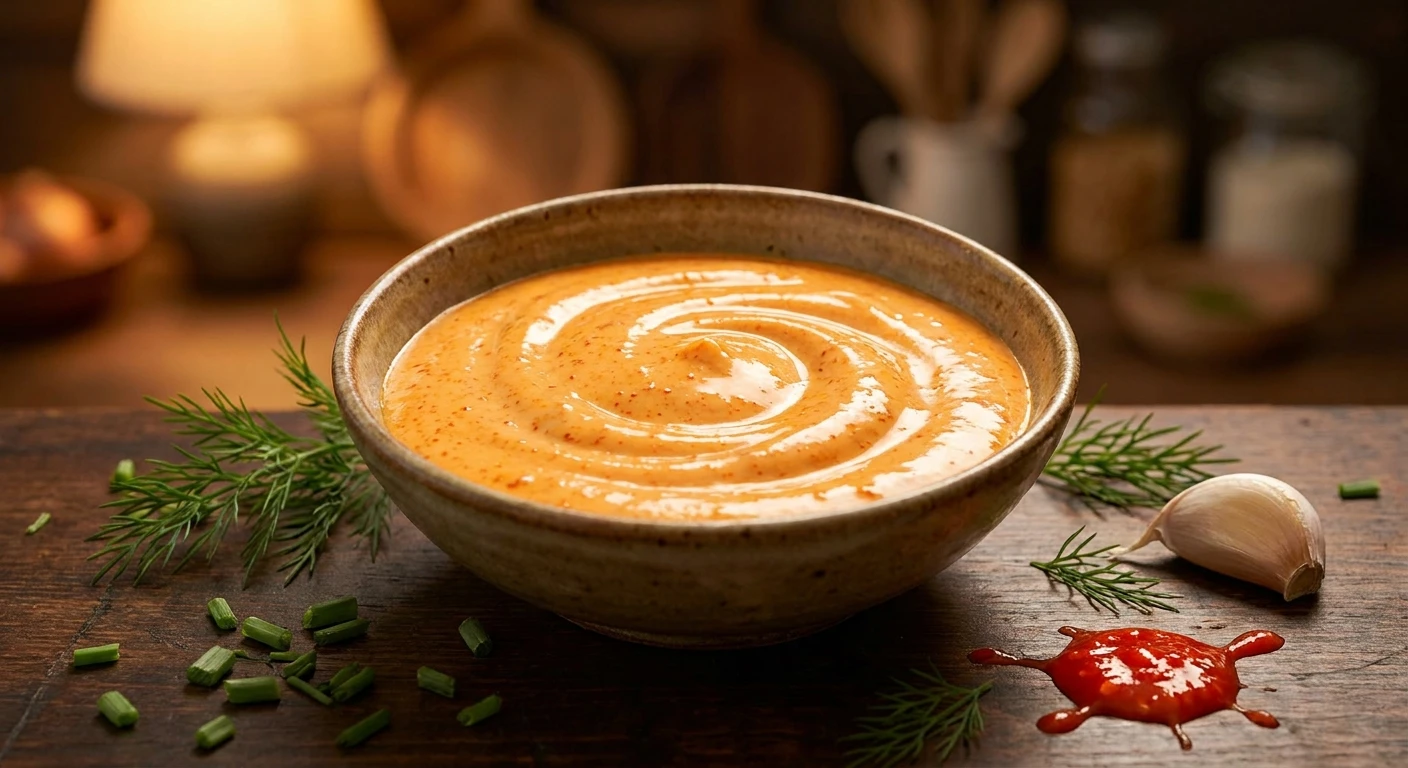
Buffalo Ranch Sauce: The Ultimate Flavor Collision
If you want to elevate your weeknight meals, mastering a perfect buffalo ranch sauce is the easiest way to combine fiery tang with cool creaminess. We all know the struggle of choosing between a sharp, buttery hot sauce and a soothing, herb-packed dressing. Why choose when you can fuse them into a single, cohesive masterpiece? This hybrid condiment takes the bold, acidic heat of a traditional wing glaze and tempers it with the garlic-infused, buttermilk profile of a classic salad dressing. The result is an incredibly versatile dip, spread, and marinade that hits every single quadrant of your palate.
Creating this mixture at home rather than buying a stabilized commercial bottle gives you absolute control over the sodium levels, the thickness, and the precise Scoville heat rating. You can push the garlic forward, dial back the vinegar, or enhance the herbaceous notes with fresh dill and chives. It completely redefines how you approach casual dining and snack preparation. The sharp vinegar cuts right through the heavy dairy fats, ensuring that every bite feels bright rather than heavy. Let us walk through the mechanics, the chemistry, and the exact methods you need to execute this brilliant culinary fusion perfectly.
Read also: Creamy Dill Pickle Dressing Recipe for Salads; Ultimate Guide to Perfect Pizza Bites at Home.
Building the Perfect Condiment Profile
Understanding why this combination works requires looking at the fundamental components of flavor balancing. You are essentially taking a sharp, aggressive liquid and binding it to a mellow, fatty base. This creates a functional value proposition that extends far beyond a simple dip for celery sticks. For example, brushing a thick layer of this blend over smoked chicken thighs during the last ten minutes of cooking creates a caramelized, spicy crust. Alternatively, tossing freshly roasted baby potatoes in a thinned-out version of the dressing gives them an instant, bold potato-salad vibe without any extra effort.
| Ingredient Type | Culinary Purpose | Classic Example |
|---|---|---|
| Dairy Base | Provides fat, cooling sensation, and physical structure for the emulsion. | Sour cream, mayonnaise, or real cultured buttermilk. |
| Acidic Heat | Cuts through the fat, delivers capsaicin, and brightens the palate. | Cayenne pepper sauce with a high vinegar content. |
| Aromatics & Herbs | Adds earthy, savory depth to prevent the mixture from tasting flat. | Dried dill, fresh chives, garlic powder, onion powder. |
To execute the perfect batch at home, you need to follow a specific workflow. Throwing everything into a bowl and stirring wildly often leads to a broken, runny mess.
- Establish the creamy foundation: Begin by whisking your heavy dairy ingredients together until they form a smooth, uniform paste. You want the mayonnaise and sour cream fully integrated before introducing any thin liquids.
- Incorporate the aromatics: Fold your dry spices and chopped herbs into the fat base. The oils in the dairy will help extract the fat-soluble flavors from the herbs, amplifying their potency.
- Slowly introduce the heat: Drizzle your hot sauce into the mixture in a steady stream while whisking continuously. This slow integration prevents the vinegar from curdling the dairy.
- Allow for resting time: Cover the container tightly and refrigerate for at least two hours. The resting phase is non-negotiable for achieving maximum flavor cohesion.
The Origins of the Components
To truly appreciate the fusion, you have to look at where the individual halves came from. The spicy side of the equation traces back to Anchor Bar in Buffalo, New York, in 1964. Teressa Bellissimo famously combined a cayenne pepper sauce with melted butter to coat unbreaded, deep-fried chicken wings. The butter was crucial; it mellowed the aggressive heat of the cayenne and helped the sauce cling to the crispy chicken skin. On the other side of the country, around 1954, Steve Henson was perfecting a tangy buttermilk dressing at Hidden Valley Guest Ranch in California. His dry mix of garlic, onion, herbs, and spices mixed with mayonnaise and buttermilk became an absolute sensation.
Evolution of the Hybrid Sauce
The collision of these two titans was inevitable. During the late 1990s and early 2000s, casual dining chains across North America noticed a distinct consumer habit: customers were aggressively dipping their spicy wings into the cooling herb dressing. The culinary minds in commercial test kitchens realized they could streamline the process by blending the two into a single bottle. Early commercial versions were often overly processed, relying heavily on artificial stabilizers and xanthan gum to keep the vinegar from separating from the buttermilk. However, the flavor profile was an instant commercial success.
The Modern State of Condiment Culture
Today, the hybrid is no longer just a novelty found in squeeze bottles at sports bars. High-end gastro-pubs and independent chefs craft their own elevated versions. They smoke their own peppers, culture their own buttermilk, and utilize fresh, organic herbs. The blend has transcended its original purpose as a wing dip, appearing on artisan pizza menus as a base sauce, being used to dress gourmet slaw for fried chicken sandwiches, and serving as a staple binder in complex vegetarian cauliflower dishes.
The Science Behind the Sauce
The Emulsion Equation
Creating a stable mixture of water-based hot sauce and oil-based dairy requires a thorough understanding of culinary emulsions. When you whisk these ingredients together, you are forcing microscopic droplets of liquid to disperse evenly throughout a fat base. Egg yolks present in the mayonnaise component provide lecithin, a powerful natural emulsifier. The lecithin molecules have a hydrophilic (water-loving) head and a lipophilic (fat-loving) tail. They coat the droplets of spicy vinegar, preventing them from grouping back together and separating out of the dressing. If you skip the mayonnaise and rely solely on milk, the lack of lecithin will cause your sauce to split almost instantly when the acidic hot sauce hits the dairy.
Capsaicin and Dairy Interactions
The magic of this combination relies heavily on molecular chemistry. Capsaicin, the chemical compound responsible for the burning sensation in chili peppers, is highly soluble in fat but insoluble in water. This is why drinking water after eating spicy food just spreads the fire around your mouth.
- Casein Proteins: Dairy products contain a protein called casein, which acts like a biological detergent. It binds directly to capsaicin molecules on your tongue’s pain receptors and washes them away.
- Fat Content Buffer: The high percentage of milk fats in sour cream and mayonnaise physically coats the palate, creating a lipid barrier that slows the absorption of the spicy compounds.
- Acid Neutralization: The lactic acid naturally present in cultured buttermilk helps round out the harsh, abrasive edges of the distilled white vinegar found in most commercial hot sauces, creating a smoother, more palatable tang.
7-Day Culinary Action Plan
Day 1: Crafting the Master Batch
Start your week by preparing a large, stable batch of the condiment. Combine equal parts high-quality mayonnaise and full-fat sour cream. Stir in your garlic powder, onion powder, dried dill, and a pinch of black pepper. Slowly whisk in your preferred cayenne pepper sauce until you reach a vibrant orange hue and a thick, pourable consistency. Store it in an airtight glass jar in the refrigerator overnight to allow the dried spices to fully rehydrate and bloom.
Day 2: The Ultimate Pizza Crust Dip
Order or bake a classic pepperoni and jalapeño pizza. The sharp acidity of the dip acts as the perfect palate cleanser for the heavy, greasy cheese and cured meats. Instead of discarding the thick outer crusts, use them as delivery vehicles for your chilled, thickened dressing. The temperature contrast between the hot crust and the cold dip is phenomenal.
Day 3: Spicy Chicken Wrap Spread
Use the sauce as a functional moisture barrier for your lunch prep. Take a large flour tortilla, spread a generous tablespoon of the mixture edge-to-edge, and layer crisp romaine lettuce, diced tomatoes, and grilled chicken breast. The fat in the dressing prevents the tomato juices from making the tortilla soggy, while the heat keeps the cold chicken tasting vibrant.
Day 4: Roasted Cauliflower Glaze
Vegetarian applications are where this blend truly shines. Cut a head of cauliflower into florets, toss them in a neutral oil, and roast them at a high temperature until the edges are dark and crispy. Immediately transfer the hot florets into a bowl and toss them with your homemade hybrid sauce. The residual heat will slightly melt the dairy, creating a tight, flavorful glaze.
Day 5: Upgrading Your Burger Game
Skip the standard ketchup and mustard routine. Form two thin beef patties and smash them on a hot cast-iron skillet to develop a heavy crust. Toast a brioche bun and coat both the top and bottom halves generously with your spicy, herbaceous spread. The tanginess cuts straight through the heavy, savory umami of the beef, creating a perfectly balanced bite.
Day 6: The Taco Drizzle
Tex-Mex fusion is incredibly easy with this flavor profile. Prepare a batch of ground turkey tacos seasoned with cumin and smoked paprika. Instead of standard sour cream, drizzle the tops with your fiery buttermilk concoction. The dill and garlic notes play surprisingly well with standard taco seasonings, adding an unexpected but welcome depth to the meal.
Day 7: Weekend Wing Extravaganza
Return to the roots of the flavor profile. Air-fry or deep-fry a large batch of chicken wings until perfectly crisp. Instead of tossing them in traditional butter and hot sauce, toss them directly in a slightly thinned-out version of your master batch. You get the buffalo flavor and the ranch cooling effect in a single, sticky, perfectly coated bite.
Myths & Reality
Myth: You just mix bottled salad dressing with bottled hot sauce.
Reality: While you can do this in a pinch, commercial dressings contain thickeners and preservatives that often clash with the vinegar in hot sauces, creating a gummy, artificial texture. Building the base from scratch with real sour cream and mayonnaise yields a vastly superior, cleaner flavor.
Myth: The mixture is entirely too spicy for sensitive palates.
Reality: The high concentration of dairy fats and casein proteins aggressively neutralizes the capsaicin. The final product delivers the aromatic flavor of the chili peppers without the lingering, painful burn, making it accessible to almost anyone.
Myth: This condiment only works on heavy, deep-fried junk food.
Reality: Its acidic and creamy profile makes it an exceptional binder for healthy dishes. It works beautifully as a dressing for crisp wedge salads, a topping for baked sweet potatoes, or a dip for fresh, raw vegetable platters.
Myth: The sauce will quickly spoil because of the dairy content.
Reality: The high acidity from the hot sauce’s vinegar actually slightly lowers the overall pH of the mixture, creating an environment that extends the shelf life of the dairy slightly beyond its normal expiration window when kept cold.
Frequently Asked Questions
How long does the homemade mixture last in the fridge?
When stored in an airtight container at the back of the refrigerator, a homemade batch typically remains fresh and vibrant for up to 10 to 14 days. Always rely on visual and olfactory cues before consuming.
Can I freeze this condiment to extend its shelf life?
No. The freezing process severely disrupts the emulsion. When dairy items like sour cream and mayonnaise thaw, the fats separate from the water content, resulting in a grainy, broken texture that cannot be whisked back together.
What is the absolute best hot sauce to use for the base?
A traditional, vinegar-heavy cayenne pepper sauce like Frank’s RedHot is the undisputed champion for this application. Avoid heavily smoked sauces or super-hots like ghost pepper sauces, as they overpower the delicate herbs.
Is this condiment naturally gluten-free?
Yes, the fundamental ingredients—mayonnaise, sour cream, buttermilk, dried herbs, and standard cayenne pepper sauce—do not contain gluten. However, always verify the labels on your specific brands to ensure there is no cross-contamination.
Can I easily make a vegan version of this recipe?
Absolutely. Swap the mayonnaise for a high-quality aquafaba-based alternative, and use a plain, unsweetened cashew or almond milk yogurt instead of sour cream. The hot sauce and dry herbs remain exactly the same.
Why did my mixture become thin and runny?
Over-mixing or using a hot sauce with too much water content can thin out the emulsion. To fix a runny batch, whisk in an additional tablespoon of heavy mayonnaise until the desired viscosity is restored.
Does it contain MSG naturally?
Traditional scratch-made recipes do not contain monosodium glutamate. However, many commercial dry herb packets used as shortcuts do contain MSG to boost the savory umami notes. Read your spice packet labels carefully.
Mastering this hybrid condiment opens up a world of culinary possibilities, allowing you to instantly upgrade everything from fresh vegetables to smoked meats. Don’t settle for mediocre, store-bought bottles filled with preservatives. Grab your whisk, source some quality dairy and hot sauce, and start crafting your own signature buffalo ranch sauce today!



Leave a Reply