

Unlocking the Meilleur Marinade Pour Steak Au Monde
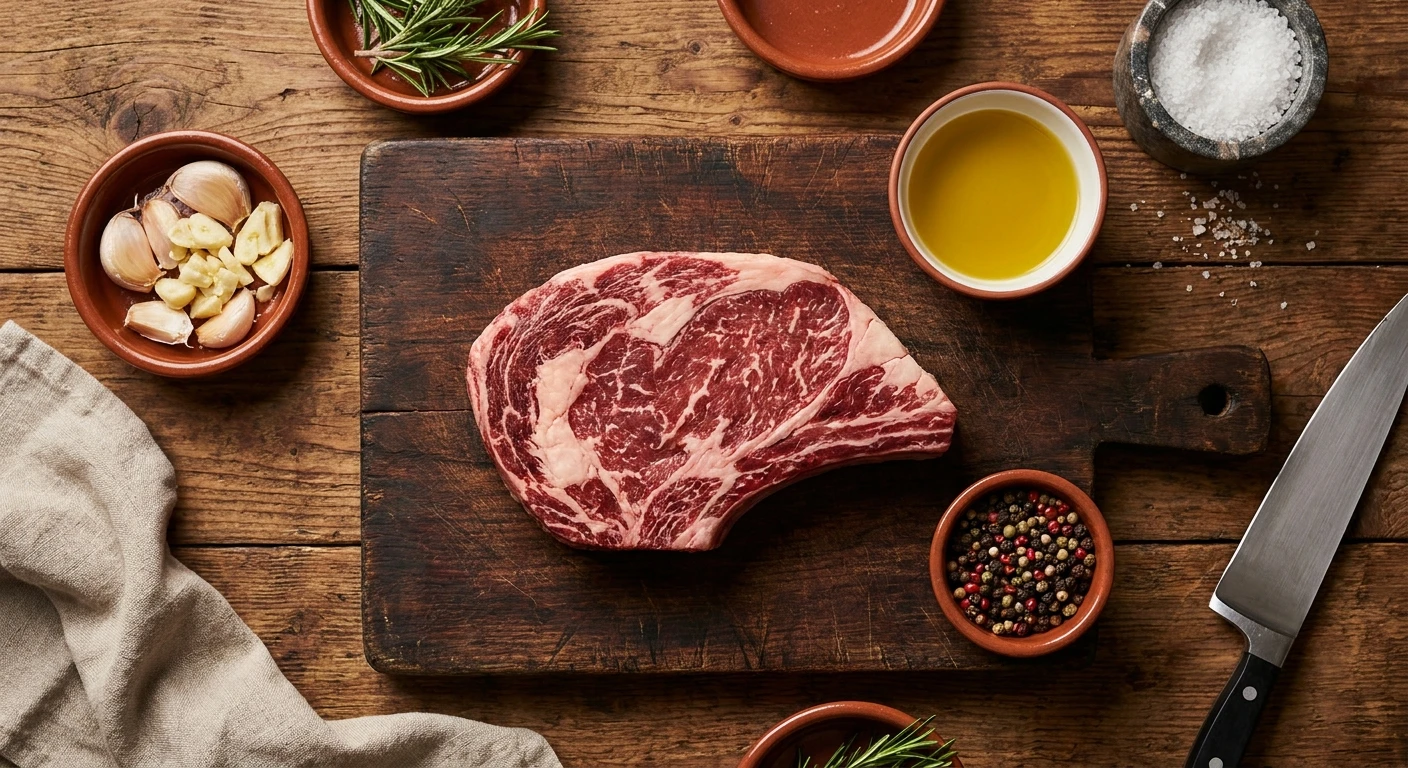
If you want to master your backyard grill and serve unforgettable beef, you need the meilleur marinade pour steak au monde to guarantee tender, flavorful results every single time. Look, we all know the frustration of spending good money on a beautiful cut of beef only to find it dry, tough, and lacking that deep, savory punch after it comes off the heat. Grilling is an aggressive cooking method, and without the right preparation, the intense heat will simply draw moisture out of the muscle fibers. A proper soaking liquid acts as an insurance policy for your meat, infusing it with aromatic compounds while simultaneously breaking down the dense protein structures that make certain cuts difficult to chew.
As we navigate the culinary landscape of 2026, precision in the kitchen is more accessible than ever. You do not need to rely on guesswork or store-bought bottles filled with artificial preservatives. Crafting the ultimate flavor profile at home requires a fundamental understanding of how acid, salt, and fat interact with animal proteins. Whether you are working with a budget-friendly skirt steak, a robust flank, or even a premium sirloin, treating the meat with respect before it hits the grates makes all the difference. This guide breaks down exactly how to construct the ultimate soaking mixture, combining proven food science with straightforward, accessible techniques you can use immediately.
Read also: Authentic tortellini in brodo Recipe Guide; Best slow cooker butter chicken with jar sauce.
The Core Mechanics of Flavor and Tenderness
Creating an exceptional flavor profile is not about throwing random ingredients into a bowl and hoping for the best. It requires a strategic balance of components. A highly effective mixture relies on a specific value proposition: it must tenderize, it must hydrate, and it must carry fat-soluble flavors deep into the surface of the meat. For example, using crushed garlic provides pungent aromatics, while a splash of soy sauce delivers a massive hit of umami. Another example is the use of olive oil, which coats the meat and protects it from burning while ensuring the herbs stick effectively.
To understand exactly how these components work together, let us examine the functional categories of a proper soak.
| Component Category | Primary Function | Best Examples |
|---|---|---|
| The Acid Base | Denatures surface proteins to soften the meat texture. | Balsamic vinegar, citrus juice, buttermilk. |
| The Fat Carrier | Transfers fat-soluble flavors and prevents sticking on the grill. | Extra virgin olive oil, sesame oil, melted butter. |
| The Flavor Enhancers | Provides aromatics, umami, and distinct taste profiles. | Fresh rosemary, minced garlic, soy sauce, black pepper. |
Building the perfect mixture means respecting the ratios. Here are the three non-negotiable rules for balancing your ingredients:
- The Salt Factor: Salt is the only ingredient that genuinely penetrates deep into the muscle fibers. Through the process of osmosis, salt draws moisture out, dissolves, and then is reabsorbed into the meat, carrying savory flavors with it. Without enough salt, your mixture will only sit on the absolute surface.
- The Acid Balance: Too much acid will turn your beef mushy and gray, effectively cooking the meat chemically before it ever sees a flame. You need just enough acidity to slightly weaken the tough surface proteins without destroying the structural integrity of the cut.
- The Oil Carrier: Many herbs and spices are fat-soluble. This means their essential flavors will not release effectively in a purely water-based liquid. Using a high-quality oil ensures those aromatic compounds bloom properly and adhere to the beef during the cooking process.
Origins of Meat Marination
The practice of soaking meat before cooking dates back thousands of years. Early civilizations did not have refrigeration, meaning they had to rely on natural preservatives to keep their food safe to eat. Seawater, which is naturally rich in salt, was often used by ancient sailors and coastal communities to cure and flavor their catches. As trade routes expanded, spices from the East and herbs from the Mediterranean began finding their way into these basic brine solutions, creating the first rudimentary flavor profiles.
Evolution of Grilling Traditions
During the medieval period, heavy spices and acidic liquids like wine and vinegar became markers of wealth and status. European kitchens would soak venison, boar, and tough cuts of beef in wine for days at a time to mask any off-flavors and soften the notoriously tough game meats. As these techniques crossed the Atlantic and merged with indigenous cooking methods in the Americas, the concept of the barbecue was born. Central and South American cultures introduced powerful citrus juices, like lime and sour orange, which fundamentally changed how cooks approached tough cuts like skirt and flank.
Modern State of Flavor Science
By the time we reached the modern era, culinary science had taken the guesswork out of the equation. We now understand exactly why certain ingredients work. Chefs utilize precise ratios of sodium to liquid, ensuring maximum moisture retention without compromising texture. In 2026, the focus has shifted heavily toward natural, high-impact umami sources like fermented pastes and naturally brewed soy sauces, replacing the heavy, sugar-laden commercial sauces of the late 20th century. The modern approach is analytical yet deeply rooted in these ancient traditions.
The Science Behind the Sizzle
How Enzymes Break Down Muscle Fibers
Meat is composed of tightly bound bundles of muscle fibers held together by collagen and connective tissue. When you introduce acidic ingredients or specific fruit enzymes, you trigger a chemical reaction called denaturation. The proteins begin to unwind and loosen their grip on one another. Ingredients like papaya (which contains papain) or pineapple (which contains bromelain) are particularly aggressive at snipping these protein chains. If left too long, these enzymes will completely destroy the meat’s texture, resulting in an unpleasant, powdery mouthfeel. Controlled exposure, however, yields a buttery, tender bite.
The Maillard Reaction Explained Simply
When your soaked beef hits a hot cast iron pan or roaring grill, a complex chemical process called the Maillard reaction occurs. This is the browning process where amino acids and reducing sugars react under intense heat to create hundreds of entirely new flavor compounds. A wet surface inhibits this reaction because water cannot exceed 212 degrees Fahrenheit (100 degrees Celsius). This is why patting the meat dry is a crucial step; you want the fat and proteins to reach the high temperatures necessary for a crust to form.
- Osmosis and Diffusion: Salt moves from an area of high concentration (the liquid) to an area of low concentration (the meat cells), physically altering the protein structure to trap more water during cooking.
- Lipid Oxidation Prevention: Antioxidant-rich herbs like rosemary and thyme actually slow down the oxidation of fats during high-heat grilling, reducing the formation of potentially harmful compounds.
- pH Levels: A well-balanced mixture should have a pH level between 4 and 5. This mild acidity softens the exterior just enough to allow salt and smaller flavor molecules to enter the top few millimeters of the tissue.
Your 7-Step Guide to the Ultimate Steak
Executing this technique requires following a strict, logical progression. Here is the step-by-step process for achieving restaurant-quality results in your own backyard.
Step 1: Selecting the Right Cut
Not all beef requires a long soak. Premium, highly marbled cuts like ribeye or filet mignon already possess immense tenderness and flavor; they typically only need salt and pepper. Save your complex liquids for harder-working muscles like flank, skirt, hanger, or sirloin. These cuts have a coarse grain structure that readily absorbs liquids and benefits massively from the tenderizing effects of mild acidity.
Step 2: Whisking the Liquid Base
Begin by combining your liquid ingredients in a large glass or ceramic bowl. A standard golden ratio is one part acid (such as balsamic vinegar or lemon juice) to three parts oil (like olive or avocado oil), plus a heavy splash of an umami-rich liquid like soy sauce or Worcestershire. Whisk these vigorously until they temporarily emulsify into a cohesive dressing.
Step 3: Crushing the Aromatics
Do not just chop your garlic and herbs; crush them. Using the flat side of a heavy knife or a mortar and pestle, smash fresh garlic cloves, black peppercorns, and sprigs of rosemary. Crushing ruptures the cell walls of these ingredients, releasing a significantly higher volume of essential oils into your liquid base than simple chopping would.
Step 4: Bagging and Coating
Place your chosen cut of beef into a heavy-duty, resealable plastic bag or a vacuum-seal container. Pour the emulsified liquid over the meat, ensuring every single crevice is coated. Squeeze out as much air as possible before sealing the bag. This creates a tight vacuum effect, forcing the liquid to remain in constant, direct contact with the meat’s surface.
Step 5: Optimal Resting Time
Place the sealed bag into the refrigerator. Time is a critical ingredient. A thin skirt steak might only need two to four hours to absorb the optimal amount of flavor. A thicker sirloin or tri-tip can stay in the refrigerator for up to twelve hours. Never exceed twenty-four hours, as the acidity will inevitably compromise the texture of the beef.
Step 6: Patting the Surface Dry
When you are ready to cook, remove the meat from the bag and discard the remaining liquid. Place the beef on a wire rack or cutting board and use paper towels to thoroughly pat the exterior dry. Do not worry about wiping away the flavor; the salt and aromatics have already done their job. A dry surface is absolutely mandatory for achieving a proper sear.
Step 7: Searing at High Heat
Preheat your grill or cast-iron skillet until it is smoking hot. Because the meat is dry and already coated with a microscopic layer of fat from the oil in your mixture, it will immediately begin the Maillard reaction upon contact with the metal or grates. Sear aggressively on both sides, then let the meat rest for at least ten minutes before slicing against the grain.
Myths & Reality
There is a lot of misinformation surrounding backyard cooking. Let us clear up the most common misconceptions.
Myth: Longer marinating always equals better flavor.
Reality: Leaving meat in an acidic liquid for multiple days will break down the proteins too much, resulting in a mushy, chalky texture. Stick to a maximum of 12 to 24 hours.
Myth: Marinades penetrate the meat entirely to the center.
Reality: With the exception of salt, flavor molecules are too large to travel deep into dense muscle tissue. They only flavor the outer millimeter or two, which is why slicing the meat thinly against the grain is so effective.
Myth: You can reuse the liquid as a sauce straight from the bag.
Reality: The leftover liquid is contaminated with raw meat bacteria. If you want to use it as a sauce, you must boil it vigorously for several minutes to kill off any pathogens.
Myth: Acid tenderizes meat infinitely.
Reality: Acid initially denatures proteins to soften them, but prolonged exposure causes those proteins to tightly coagulate again, effectively “cooking” the meat and making it tough, similar to ceviche.
Frequently Asked Questions
What is the best base oil?
Extra virgin olive oil is fantastic for flavor, but if you are cooking at extremely high temperatures, avocado oil is superior due to its higher smoke point, preventing bitter, burnt flavors.
Does pineapple juice work?
Yes, pineapple contains bromelain, a highly effective enzyme. Use it sparingly, as it works very quickly and can turn beef mushy in just a few hours.
Should I poke holes in the meat?
Poking holes with a fork (jaccarding) can help liquids seep slightly deeper, but it also creates channels for juices to escape during cooking. It is generally unnecessary for thinner cuts.
Can I freeze meat directly in the bag?
Yes. Placing raw beef and the liquid mixture directly into the freezer is a great meal-prep hack. The meat absorbs flavor as it freezes and again as it thaws.
Does salt dry out the beef?
Initially, salt pulls moisture out. However, given enough time, the dissolved salt brine is reabsorbed, actually increasing the overall moisture retention during the cooking process.
How long is too long for citrus?
If you are using heavy amounts of lemon or lime juice, do not exceed four hours. The high acidity will quickly ruin the structural integrity of the beef.
Is soy sauce better than standard salt?
Soy sauce provides sodium just like table salt, but it also delivers glutamates (umami), which significantly amplify the savory, meaty flavors of the beef.
Mastering your grill requires nothing more than understanding a few basic principles of food science and respecting the raw ingredients. By balancing your acids, fats, and salts, you guarantee a tender, juicy result every single time you cook. Ready to revolutionize your next barbecue? Gather your ingredients, mix up your batch, and experience the incredible difference a proper soaking technique can make.



Leave a Reply