
Loaded Tater Tots: The Ultimate Comfort Food Guide
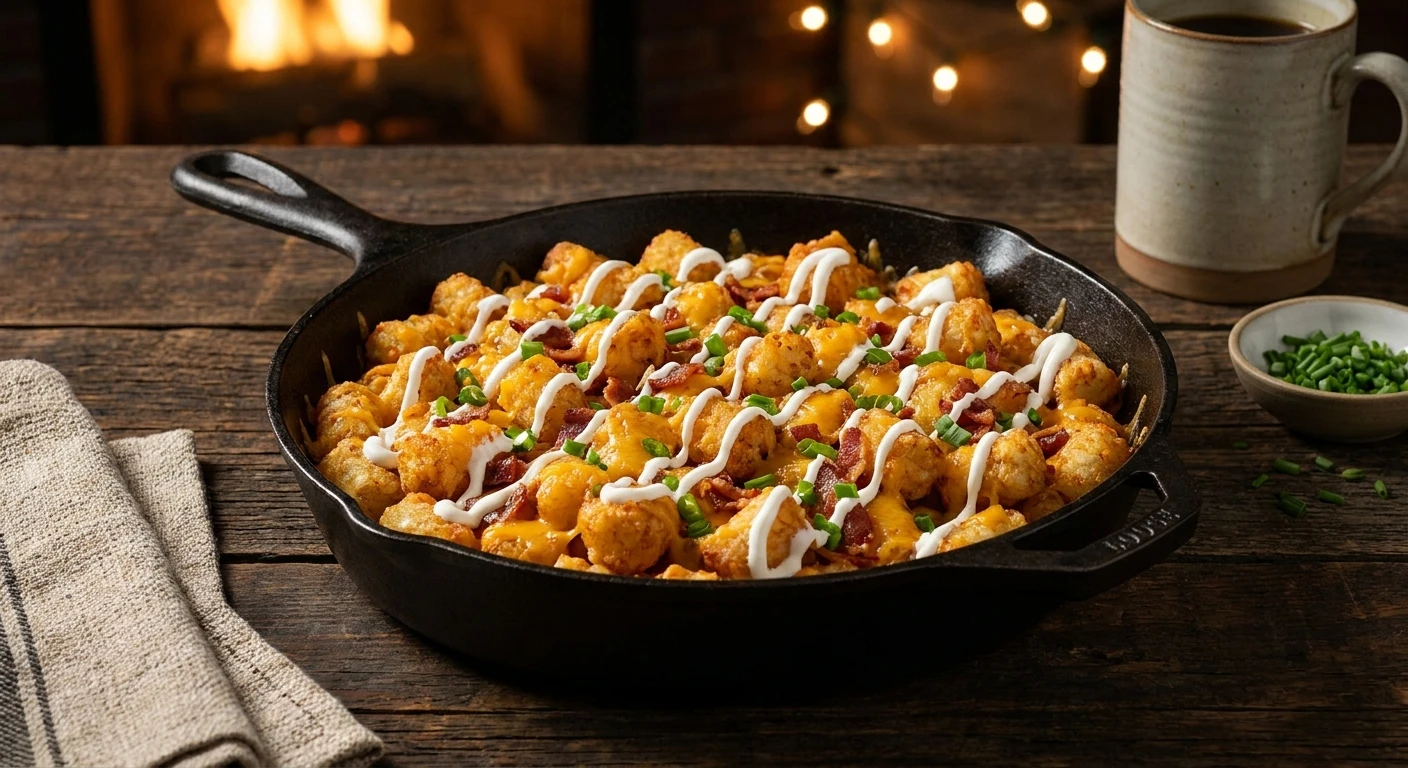
Listen, if you haven’t experienced the sheer joy of a scorching hot skillet of loaded tater tots yet, you are genuinely missing out on the absolute pinnacle of homemade comfort food. There is something utterly magical about taking simple, frozen potato bites and elevating them into a masterpiece of melted cheese, savory meats, and fresh garnishes. Back in Kyiv, we usually stick to purely traditional potato dishes like our beloved deruny or mashed potatoes with roasted garlic. But a few years ago, I decided to experiment. I brought a massive cast-iron pan filled with these loaded golden bites to a weekend gathering with my friends, and they completely lost their minds. It was an instant hit. The contrast between the crunchy exterior of the potatoes and the gooey, rich toppings creates an addictive texture combination that nobody can resist.
Now that we are deep into 2026, casual dining and home entertaining have reached new heights, and serving a basic bowl of chips just does not cut it anymore. People want flavor explosions. They want visually stunning dishes that taste just as good as they look. This entire guide is designed to walk you through every single detail required to master this dish. We are going to talk about everything from achieving the maximum crunch factor to selecting the perfect cheese blends that give you that legendary cheese pull. Grab your favorite baking sheet, because we are about to make the most incredible potato dish you have ever tasted.
Read also: Crispy Mozzarella Cheese Balls: The Ultimate Snack Recipe; The Best Hot Shrimp Dip Recipe.
The Anatomy of the Perfect Potato Skillet
When you build a proper plate of these potato bites, you are essentially engineering a structural marvel. You need a solid foundation, an insulating layer of melted goodness, and a roof of vibrant, acidic, and crunchy garnishes. The sheer versatility is what makes this dish a weekly staple in so many households. You can scale it up for a massive Super Bowl party or scale it down for a quiet Tuesday night dinner for two. The value proposition here is unmatched: you get restaurant-quality appetizers at a fraction of the cost, completely customized to your personal dietary preferences or whatever leftovers happen to be sitting in your fridge.
For example, if you have some leftover smoked brisket from a weekend barbecue, you can easily repurpose it into a smoky, savory topping. If you are hosting vegetarian friends, you can swap out the meats for spiced black beans, roasted corn, and a vibrant avocado crema. Let me show you a quick breakdown of how you can mix and match flavor profiles to keep things exciting:
| Flavor Profile Style | Primary Protein/Base | Ideal Cheese Type | Finishing Garnish |
|---|---|---|---|
| Classic American Diner | Crispy Smoked Bacon Bits | Sharp Yellow Cheddar | Scallions & Sour Cream |
| Spicy Tex-Mex Fiesta | Seasoned Ground Beef | Monterey Jack Blend | Pico de Gallo & Jalapeños |
| Fancy Truffle & Herb | Crispy Prosciutto Ribbons | Aged Gruyère & Parmesan | Fresh Parsley & Truffle Oil |
| Plant-Based Dream | Smoky Tempeh Strips | Cashew Milk Queso | Cilantro & Pickled Onions |
To guarantee your dish comes out flawless every single time, you absolutely must follow a specific sequence. Skipping steps will leave you with a soggy, disappointing mess. Here is my foolproof method for the ultimate base:
- Preheat your oven heavily: Set it to 425°F (220°C) and let it run for at least 15 minutes before putting anything inside. You need that initial blast of extreme heat to immediately start crisping the potato exteriors.
- Give them plenty of personal space: Never crowd the baking sheet. If the potato cylinders are touching each other, they will steam instead of roast. Leave at least half an inch of space between each piece.
- Execute the flip: Exactly halfway through the baking time, use a large spatula to flip every single piece over. This ensures an even, golden-brown crust on all sides.
- Apply the cheese barrier correctly: Once they are fully baked and crispy, push them together closely in the center of the pan. Layer the cheese heavily so it melts over the top rather than falling directly onto the pan and burning. Return to the oven just until the cheese is bubbling.
The Fascinating History of the Frozen Potato Bite
The Humble Origins of a Scrappy Idea
You might think that these tiny cylindrical potato treats have been around forever, but they actually have a very specific point of origin. Back in the early 1950s, the founders of the Ore-Ida company, brothers F. Nephi and Golden Grigg, were trying to figure out what to do with the leftover slivers of cut-up potatoes from their french fry production lines. Instead of throwing away these perfectly good pieces of food, they chopped them up even finer, mixed them with a specific blend of flour and seasonings, and pushed them through an extruder. They cut the extruded potato mix into small cylinders and fried them. The result was an instant sensation, completely revolutionizing the frozen food aisle.
The Evolution of Extravagant Toppings
For decades, these potato bites were simply served as a plain side dish. They were the king of school cafeterias and quick family dinners, usually sitting next to a hot dog or a hamburger with just a puddle of ketchup for company. But as pub food and casual dining culture shifted in the late 1990s and early 2000s, chefs started treating them like nachos. They realized that the dense, crispy structure of the potato cylinder held up to heavy sauces and melted cheeses far better than a fragile tortilla chip. Suddenly, sports bars were serving massive platters smothered in chili, cheese sauce, and jalapeños, creating a whole new category of shareable appetizers.
The Modern State of Potato Gastronomy
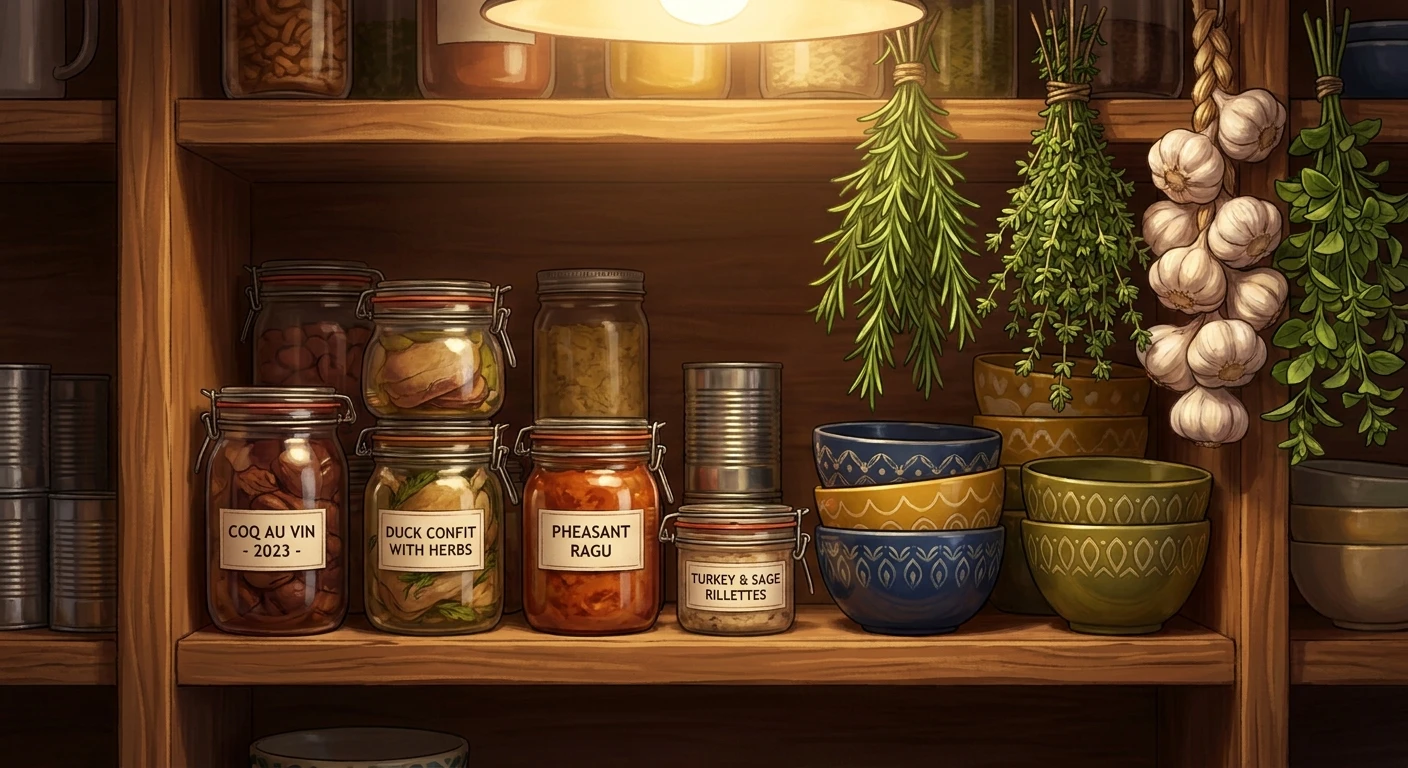
Fast forward to today, and these humble potato bites have officially entered the realm of high-end gastronomy. Gourmet restaurants and trendy food trucks have adopted them as a canvas for culinary expression. It is completely normal to see menus featuring them topped with rich duck confit, shaved black truffles, luxurious wagyu beef chili, or buttery lobster chunks. The contrast between a historically cheap, nostalgic childhood food and incredibly premium ingredients creates a playful dining experience that resonates incredibly well with modern food lovers. They bridge the gap between pure nostalgia and sophisticated flavor profiles.
The Science of the Perfect Crunch
The Maillard Reaction and Starch Gelatinization
If you want to master the art of crispy potatoes, you need a basic understanding of the chemistry happening inside your oven. The golden-brown crust you crave is the direct result of the Maillard reaction, a complex chemical process between amino acids and reducing sugars that occurs at elevated temperatures. When the exterior of the potato hits roughly 300°F (150°C), this reaction accelerates rapidly, creating hundreds of new flavor compounds that taste savory and roasted. Meanwhile, inside the potato cylinder, starch gelatinization is taking place. The moisture inside the potato turns to steam, swelling the starch granules until they burst, resulting in that wonderfully fluffy, soft interior texture.
Moisture Control for Optimal Texture
The greatest enemy of any loaded potato dish is excess moisture. If you dump a watery salsa or a thin sauce directly over the hot, crispy potatoes, the dry exterior immediately acts like a sponge, soaking up the liquid and turning your beautiful crunchy bites to mush. This is why the cheese layer is critically important. A thick, evenly melted layer of high-quality cheese acts as a hydrophobic barrier. It shields the delicate, crispy potato shell from the wet garnishes you apply afterward.
- Heat Transfer: Dark-colored metal baking sheets absorb and radiate heat much faster than glass or ceramic, resulting in a significantly crispier bottom edge.
- Water Content: Potatoes are naturally composed of nearly 80% water. High-heat baking is essential to flash-evaporate the surface moisture before it can steam the potato.
- Anti-Caking Agents: Pre-shredded cheese from the supermarket is coated in cellulose or potato starch to prevent clumping in the bag. This coating severely inhibits smooth melting. Always grate block cheese yourself for a superior, creamy texture.
- Thermal Mass: Cooking your dish in a preheated cast-iron skillet retains heat longer when served, keeping the cheese gooey and the potatoes hot for your guests.
The Ultimate 7-Day Loaded Menu Plan
To truly appreciate the versatility of this incredible comfort food, I have put together a massive 7-day flavor rotation. Whether you are meal-prepping for a fun family week or just want a massive catalog of ideas, this plan will keep your tastebuds incredibly happy.
Day 1: The Classic Bacon and Cheddar
We start with the undisputed king of flavor. Bake your base until extra crispy. Smother them in two cups of freshly grated sharp cheddar cheese. Top with thick-cut, applewood smoked bacon bits that you crisped up in a pan beforehand. Once the cheese is bubbling, pull it from the oven and garnish with massive dollops of cold sour cream and a generous handful of finely chopped green onions. The contrast between hot cheese and cold sour cream is pure perfection.
Day 2: Spicy Buffalo Chicken Style
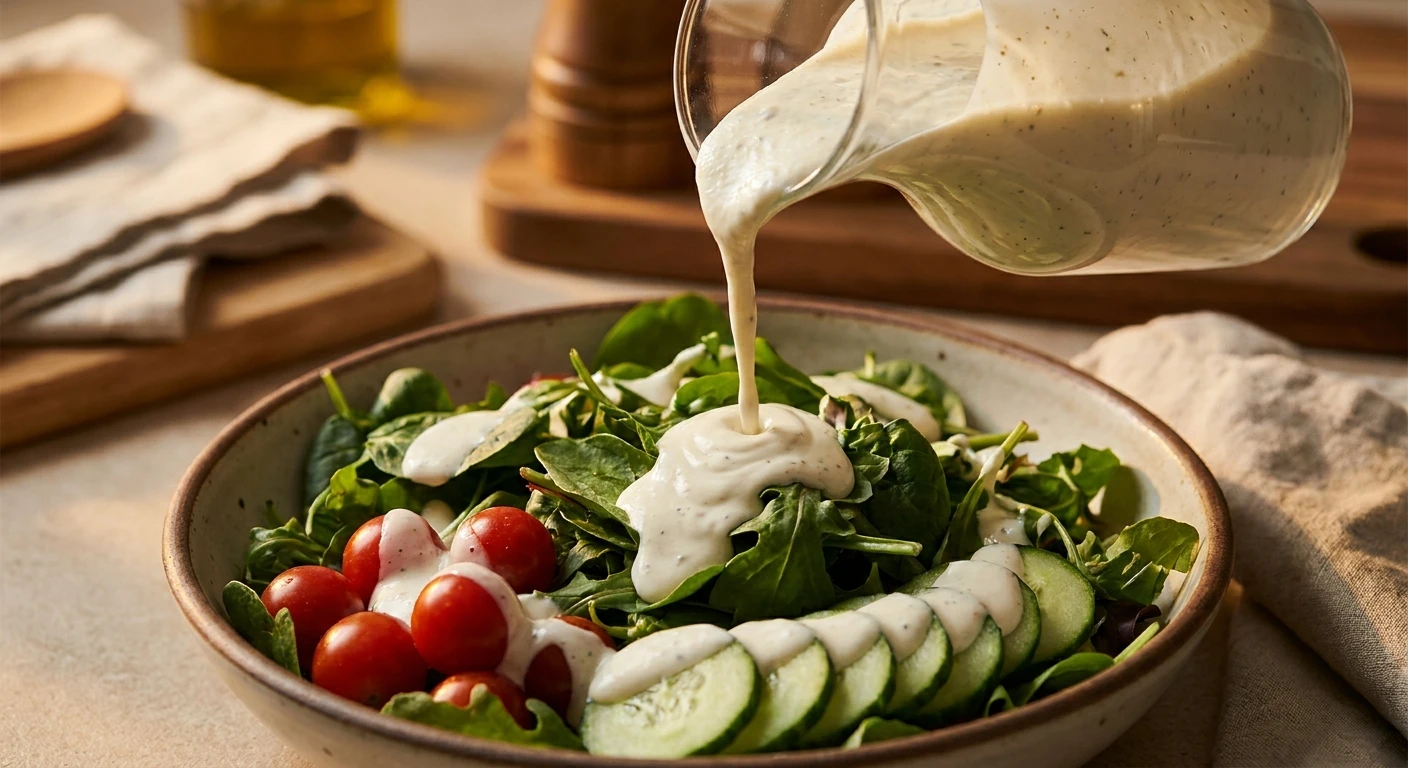
Bring the flavors of a sports bar right into your kitchen. Take leftover shredded rotisserie chicken and toss it generously in your favorite spicy buffalo sauce. Layer the chicken over your crispy potato base, then cover everything in shredded mozzarella and a heavy sprinkle of funky blue cheese crumbles. Bake until bubbly. Finish with a bright drizzle of buttermilk ranch dressing to cool down the intense heat of the buffalo sauce.
Day 3: Tex-Mex Taco Tuesday Spuds
Swap out the tortillas and use potatoes as your taco base. Brown some ground beef with cumin, chili powder, and garlic. Layer the spiced beef over the crispy spuds, blanket them in a Monterey Jack cheese blend, and bake. Once out of the oven, load the skillet up with fresh pico de gallo, sliced black olives, pickled jalapeño rings, and a massive scoop of fresh guacamole. It is messy, beautiful, and wildly delicious.
Day 4: BBQ Pulled Pork Extravaganza
This is southern comfort food at its finest. Take slow-cooked, tender pulled pork and warm it up in a sweet and smoky barbecue sauce. Spread it evenly over your cooked potato base. Add a thick layer of smoked gouda cheese, which perfectly complements the BBQ flavor. After melting the cheese in the oven, top the entire mountain with crispy fried onion strings and a side of creamy cabbage slaw for crunch.
Day 5: The Fancy Truffle and Parmesan
For a sophisticated evening, skip the heavy meats. Bake the potatoes until they are shatteringly crisp. Immediately upon removing them from the oven, toss them lightly in high-quality white truffle oil. Shower them in finely grated Parmigiano-Reggiano cheese, coarse sea salt, and freshly cracked black pepper. Add some finely minced fresh parsley. The residual heat will melt the parmesan just enough to coat the crispy edges.
Day 6: Greek Mediterranean Fusion
Let’s take a trip to the Mediterranean. Top your crispy base with warm, seasoned gyro meat or sliced chicken souvlaki. Instead of melting cheese in the oven, pull the pan out and immediately top the hot potatoes with crumbled cold feta cheese, diced cucumbers, halved cherry tomatoes, and thinly sliced red onions. Drizzle a heavy amount of homemade tzatziki sauce over the top. It is incredibly refreshing and uniquely delicious.
Day 7: The Ultimate Breakfast Skillet
Who says you cannot have this for breakfast? Bake your base until golden. Top with crumbled breakfast sausage, diced bell peppers, and sharp cheddar cheese. Create little wells in the potato mixture and carefully crack three or four fresh eggs right into the pan. Return to the oven until the egg whites are perfectly set but the yolks are still wonderfully runny. When you break the yolks, they create a rich, luxurious sauce for the potatoes.
Separating Myths from Reality
There is a lot of bad advice out there regarding how to handle frozen potato products. Let’s clear up some common misconceptions so you can cook with confidence.
Myth: You absolutely need a deep fryer full of heavy oil to achieve maximum crunch.
Reality: A hot convection oven or a modern air fryer provides perfectly crispy edges by utilizing rapid air circulation, completely eliminating the need for messy, heavy frying oil.
Myth: Frozen potatoes lack any real nutritional value compared to fresh ones.
Reality: Flash-freezing technology locks in nutrients at the peak of freshness. These potatoes retain a significant amount of dietary potassium and vitamin C, making them a perfectly fine carbohydrate choice.
Myth: You must use standard yellow cheddar cheese for the best results.
Reality: Blending a low-moisture whole milk mozzarella with sharper, aged cheeses actually yields a much better cheese pull and a far more complex flavor profile than standard cheddar alone.
Myth: You should thaw the frozen potatoes before baking them to speed up the process.
Reality: Never thaw them! Baking them straight from the freezer ensures the exterior cooks rapidly while the inside steams perfectly. Thawing them leads to a disastrously mushy texture.
Frequently Asked Questions & Conclusion
Can I reheat leftovers the next day?
Yes, but you must avoid the microwave at all costs. To revive the crunch, place the leftovers on a piece of foil in an air fryer at 375°F (190°C) for about 5 to 7 minutes, or use a conventional oven.
Are these potato bites naturally gluten-free?
In most cases, yes, potatoes are naturally gluten-free. However, many commercial brands dust their products in wheat flour to enhance crispiness. Always check the ingredient label carefully if you have a strict dietary restriction.
How do I prevent the bottom layer from getting soggy?
Bake the base on a wire roasting rack set inside a baking sheet. This allows hot air to circulate completely underneath the potatoes, ensuring a 360-degree crunch.
Can I make the base from scratch using fresh potatoes?
Absolutely. You can parboil russet potatoes, grate them finely, mix them with a little flour and seasoning, form them into cylinders, and fry them. It is highly rewarding but incredibly time-consuming.
What is the absolute best dipping sauce?
While ketchup is traditional, a homemade spicy garlic aioli or a buttermilk ranch dressing mixed with sriracha elevates the entire flavor profile exponentially.
How much cheese should I actually use?
I always say measure cheese with your heart. But as a general rule, a standard 32-ounce bag of frozen potatoes requires at least two full cups of freshly grated cheese to ensure proper coverage.
Can I prepare this in a slow cooker?
No. A slow cooker traps moisture and uses low, slow heat. You will end up with potato soup instead of a crispy, crunchy appetizer.
What is the best type of pan to use?
A large, well-seasoned cast-iron skillet is superior. It retains heat beautifully, meaning your dish stays hot and the cheese remains wonderfully gooey long after you take it out of the oven.
The Final Word on Comfort Food
Mastering the ultimate loaded tater tots is incredibly easy once you understand the simple science of heat, moisture control, and quality ingredients. You now have the knowledge to ditch the boring snacks and start creating phenomenal, crowd-pleasing skillets right in your own kitchen. Grab a bag from the freezer, grate a huge block of your favorite cheese, preheat that oven, and build your masterpiece today. I promise you, your friends and family will be begging for the recipe. Leave a comment below with your absolute favorite topping combination!
Leave a Reply