
The Ultimate Hot Shrimp Dip Experience
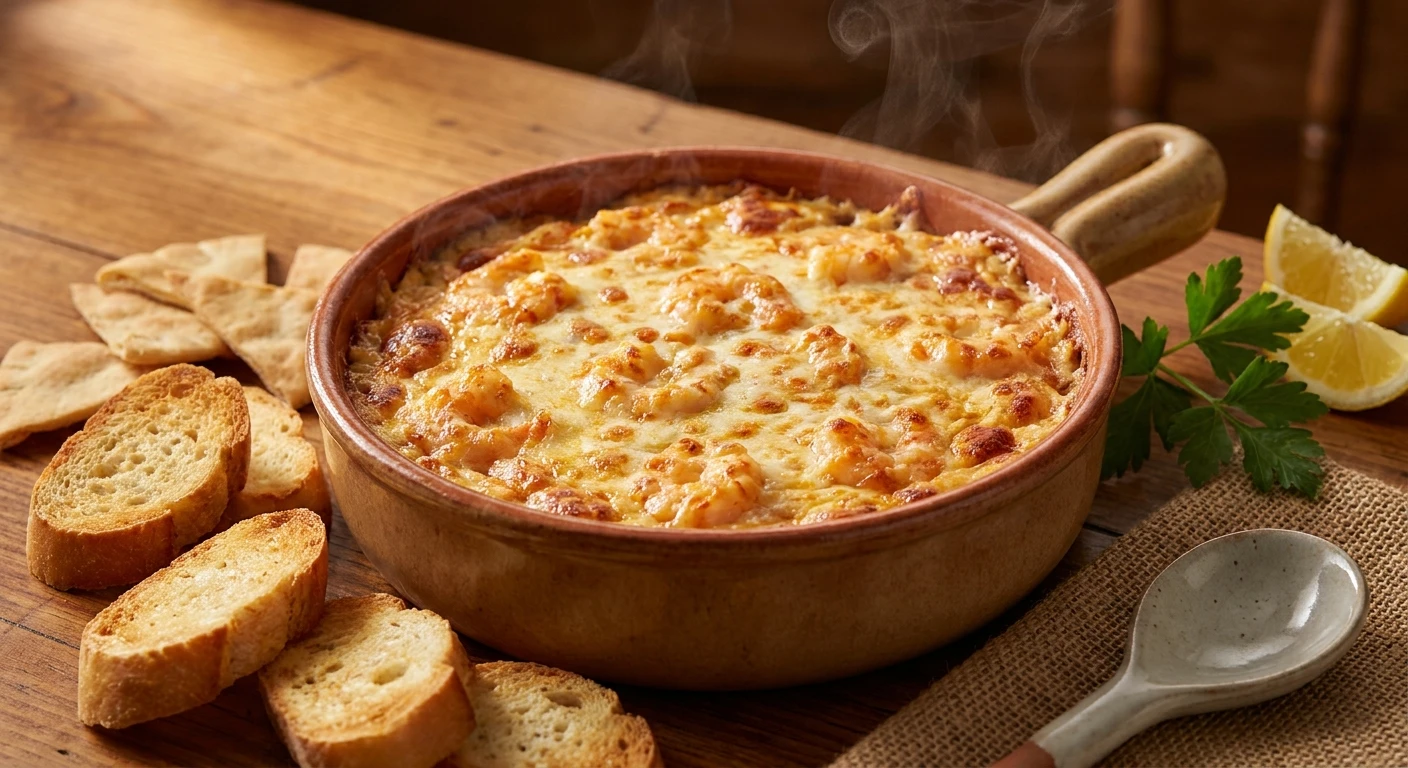
You know that one appetizer that vanishes before you even set the bowl down on the coffee table? That is exactly what happens when you pull a perfectly baked hot shrimp dip out of the oven. Making this bubbling, cheesy seafood masterpiece is not just about tossing random ingredients into a pan; it requires balancing rich, savory creaminess with the bright, briny flavor of the seafood to create a dish your friends will beg you for every weekend.
Last winter in Kyiv, during one of those classic evening rolling blackouts we still occasionally get, my friends came over for a spontaneous dinner. I had to whip up something incredibly fast using a portable camping gas stove and a heavy cast-iron skillet. I grabbed a bag of frozen Black Sea shrimp, a leftover block of cream cheese, and some garlic. That makeshift appetizer turned into an absolute legend among my friend group. Now, even in 2026, with things getting back to a much steadier rhythm and the lights staying on, they still demand it every single Friday night.
Read also: Best philadelphia cream cheese dips recipes; The Ultimate Seafood Stir Fry Recipe.
It is warm, deeply comforting, and completely foolproof if you follow the right steps. Whether you are hosting a massive holiday party, a casual game night, or just treating yourself on a quiet evening, this dish hits all the right notes. Let me walk you through exactly how to nail the flavor and texture every single time.
Why This Appetizer Never Fails
Let’s talk about why this combination of ingredients works so well together. The true magic lies entirely in the texture contrast. You have a molten, rich base typically made from a blend of cream cheese, mayonnaise, and sour cream, paired directly with the firm, sweet snap of the shrimp. When you bake the mixture until the top turns golden brown, the dairy fats meld perfectly with the savory seafood juices. It acts as the ultimate crowd-pleaser because it feels incredibly luxurious but takes minimal effort on your part.
For instance, you can serve it in a fancy ceramic baking dish alongside toasted baguette slices for a rustic, elegant feel. Alternatively, you can scoop it straight out of a skillet with crunchy tortilla chips for a super casual game day vibe. The versatility makes it unmatched in the appetizer category.
| Ingredient Type | Primary Purpose | Best Options |
|---|---|---|
| Creamy Base | Provides a thick, meltable structure | Full-fat cream cheese, sour cream |
| Seafood | Adds savory, briny sweetness and texture | Medium raw shrimp, wild-caught |
| Aromatics & Spices | Cuts through the fat and adds depth | Fresh garlic, Old Bay seasoning, lemon |
To guarantee the best results and ensure your guests are scraping the bottom of the bowl, follow these essential texture rules:
- Chop everything consistently: Always chop the shrimp into bite-sized, uniform pieces so every single scoop has a generous amount of meat.
- Soften the dairy: Let the cream cheese soften completely at room temperature to avoid a lumpy, unappetizing texture in the final bake.
- Control the moisture: Drain any excess water from the shrimp before mixing them in, otherwise, you will end up with a watery, separated mess.
The Origins of Seafood Dips
Where did the idea of baking seafood into a pool of melting cheese come from anyway? Back in the mid-20th century, the advent of commercially available, mass-produced cream cheese changed the domestic appetizer game completely. Home cooks suddenly needed fast, impressive dishes to serve guests during cocktail hours. Shrimp, which was previously considered a highly perishable luxury reserved for coastal towns, became widely available across the country in convenient frozen formats. Combining these two newly accessible ingredients just made sense for busy hosts wanting to show off a little without spending hours in the kitchen.
The Evolution of the Recipe
Over the decades, the basic formula shifted quite a bit. In the 1970s and 1980s, you would mostly find mayonnaise-heavy versions served cold or only mildly warmed in a microwave. As palates evolved and home cooking became more sophisticated, people started incorporating bolder flavors into their baking. We saw the introduction of Cajun spices, diced fresh jalapeños, sharp aged cheddars, and even smoked Gouda. The dish transitioned entirely from a pale pink, cold spread to the bubbly, crusted, golden-brown centerpiece we know and love today.
The Modern State of the Appetizer
Fast forward to the modern kitchen, and the variations are virtually endless. Food culture heavily embraces global fusion, so you might easily see a version infused with Thai sweet chili sauce or Mediterranean herbs like dill and feta. Yet, the traditional warm, cheesy version remains a beloved staple because it brilliantly bridges the gap between sophisticated seafood and ultimate comfort food. The flexibility to swap ingredients makes it a timeless classic that keeps evolving right alongside our culinary tastes.
The Chemistry of Melting Cheese
Making sure your creation does not turn into an oily, broken mess requires a bit of basic kitchen science. Emulsions play a massive role here. Cream cheese and mayonnaise are both stable emulsions of water and fat. When you apply heat to them, those chemical bonds weaken significantly. If you heat them too fast, or if you use low-fat substitutions that lack the necessary natural emulsifiers, the fat entirely separates from the water, leaving an unappealing greasy pool sitting on top of your dish. Keeping a moderate oven temperature and using full-fat dairy ensures the protein network holds the fat droplets securely in place, keeping everything beautifully cohesive and creamy.
Preventing Overcooked Seafood
Shrimp are incredibly delicate creatures. Their muscle fibers are exceptionally short, meaning they contract and squeeze out moisture rapidly when exposed to high heat. Since this dish spends quite a bit of time in a hot oven, you have to be extremely careful with how you treat the meat beforehand.
- Denaturation point: Seafood proteins begin to denature, firm up, and turn opaque at around 120°F (49°C), which happens extremely quickly.
- Carryover cooking: The immense thermal mass of the molten cheese will continue to cook the delicate meat even after you pull the baking dish from the oven.
- Pre-cooking strategy: If you choose to sauté the meat first for flavor, only cook them halfway. They will finish cooking perfectly while submerged in the hot dairy.
- Acid reaction: Adding lemon juice brightens the flavor beautifully, but acid also chemically “cooks” seafood (just like a ceviche). Mix the juice in right before baking to prevent rubbery texture.
Step 1: Gather and Prep Your Ingredients
Preparation is everything when making a hot appetizer. Get your block of cream cheese sitting on the counter at least an hour early. Mince your fresh garlic cloves, grate your block cheeses by hand (pre-shredded cheese has anti-caking agents that ruin the melt), and chop your raw, peeled shrimp into neat, uniform half-inch pieces.
Step 2: Sauté the Aromatics
Heat a little bit of unsalted butter in a skillet over medium heat. Toss in your minced garlic and perhaps some finely diced shallots if you want an extra layer of sweetness. Cook them just until they soften and smell amazing, being careful not to let them brown or turn bitter.
Step 3: Flash-Cook the Shrimp
Throw the chopped seafood into the hot pan with the aromatics for barely a minute. You just want them to turn slightly pink on the outer edges while remaining raw in the center. Remove the pan from the heat immediately to stop the cooking process.
Step 4: Mix the Base Components
In a large mixing bowl, aggressively blend the perfectly soft cream cheese, a healthy dollop of sour cream, and a spoonful of rich mayonnaise until the mixture is completely smooth and lump-free. Gently fold in your freshly shredded mozzarella or white cheddar.
Step 5: Combine and Season
Fold the slightly cooled seafood mixture into the cheese base. Now add your spices—a generous shake of Old Bay seasoning, freshly cracked black pepper, a dash of your favorite hot sauce, and a squeeze of fresh lemon juice. Stir it well so the seasoning is evenly distributed.
Step 6: Bake to Perfection
Transfer the entire mixture into a greased ceramic baking dish or a small cast-iron skillet. Top the dish with a little extra shredded cheese for that gorgeous crust. Bake in a preheated oven at 375°F (190°C) for about 20 minutes, until the edges are vigorously bubbling and the top is a beautiful golden brown.
Step 7: Rest and Serve
Do not skip this part! Let the dish sit on the counter for about five minutes. If you serve it right away, it will literally burn your mouth and the consistency will be far too runny to stick to a cracker. Serve it warm with sturdy crackers, crostini, or thick celery sticks.
Myths vs. Reality
Myth: You must use fresh, wild-caught shrimp for dips to taste good.
Reality: High-quality frozen shrimp work perfectly fine and are actually often frozen directly at sea right after being caught, preserving better texture and quality than “fresh” seafood that has been sitting on ice in a display case for days.
Myth: Using low-fat cream cheese makes a healthier, equally tasty alternative.
Reality: Low-fat cream cheese lacks the necessary fat content to melt smoothly under high heat. It almost always results in a highly unappealing grainy texture and a watery, broken consistency.
Myth: The leftover dip will last all week in the refrigerator.
Reality: Seafood degrades extremely quickly. You should consume any leftover baked dip within two days for optimal safety and to maintain the best taste.
Can I make this ahead of time?
Yes! You can entirely assemble the mixture, cover the baking dish tightly with plastic wrap, and keep it in the fridge overnight. Just add a few extra minutes to the baking time since it will be going into the oven cold.
Can I use canned shrimp?
You can, but it comes with a major compromise. The texture of canned seafood will be much softer, almost mushy, and the flavor will be far less fresh than using frozen or raw alternatives.
What are the best dippers to use?
You want something sturdy that will not break mid-scoop. Thick pita chips, toasted baguette slices (crostini), celery sticks, and restaurant-style tortilla chips are all absolutely excellent choices.
Can I freeze the leftovers?
No. Dairy-based dips separate violently and become incredibly grainy when frozen and subsequently thawed. It is highly recommended to eat it fresh or keep it in the fridge for just a day or two.
How do I reheat it?
The best way is to place it back into an oven at 300°F until it is warmed completely through. If you are in a rush, you can microwave it, but do so in short 20-second bursts, stirring in between to prevent the cheese from separating.
Do I absolutely have to use mayonnaise?
No, you can easily substitute the mayonnaise with extra sour cream or even plain, full-fat Greek yogurt, though the overall flavor profile will shift to be slightly more tangy.
Can I add crab meat to the recipe?
Absolutely! A 50/50 split of chopped shrimp and high-quality lump crab meat makes for an incredibly luxurious, over-the-top variation that your guests will love.
Wrapping It Up
Making a brilliant, memorable appetizer does not have to be stressful. By understanding the proper balance of dairy fats and respecting the delicacy of the seafood, you guarantee a perfect result every single time you cook. Grab those fresh ingredients, preheat your oven, and watch your friends completely devour your creation. Go ahead and start prepping your ultimate spread today!
Leave a Reply