
Why mini burrata is the absolute best thing in your fridge right now
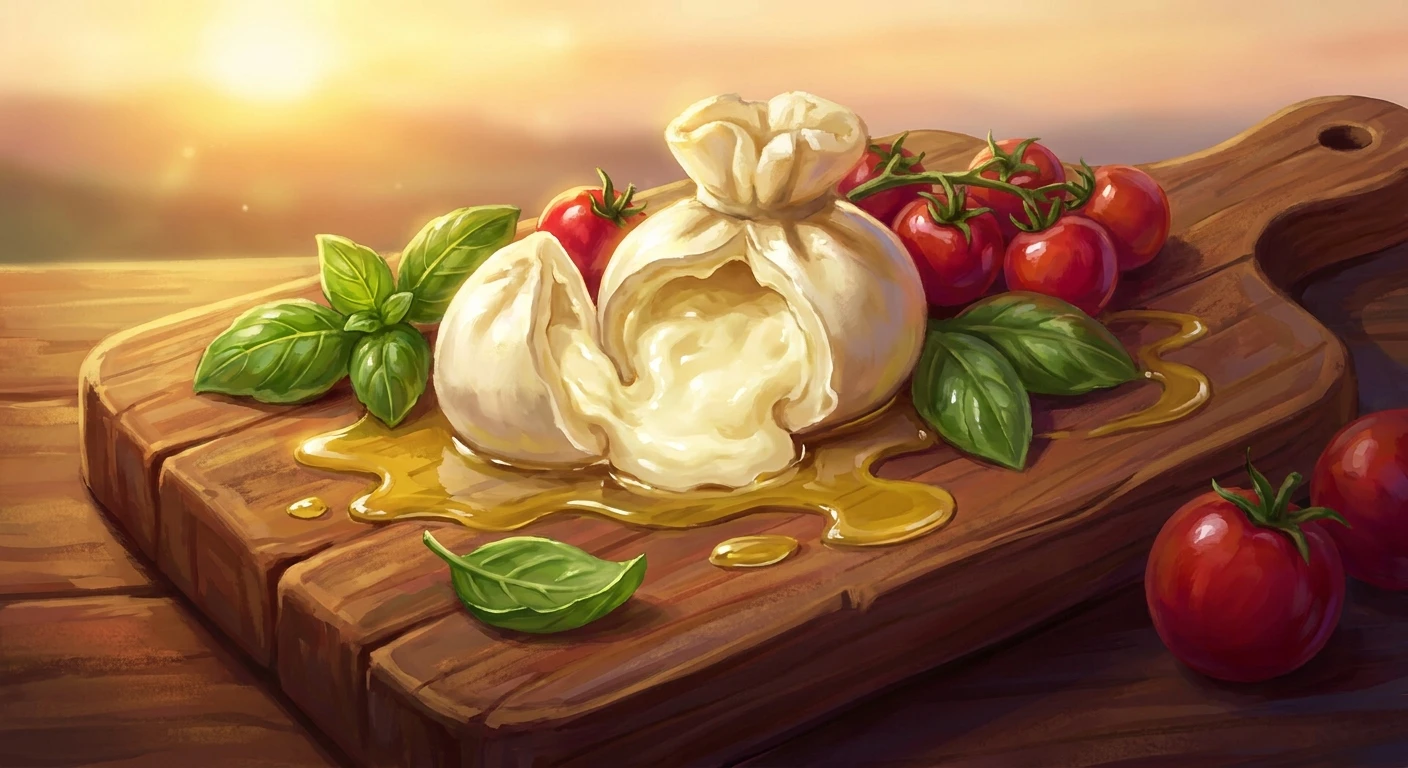
Let me tell you, mini burrata is basically the greatest dairy invention you can get your hands on right now. If you have not tried these glorious, bite-sized pouches of creamy goodness yet, you are seriously missing out on a massive culinary upgrade. I remember walking through a bustling farmers’ market here in Kyiv recently, chatting with a local artisan cheese maker who was experimenting with Italian techniques. He handed me one of these tiny, perfect spheres. I took a bite, and the rich, creamy center absolutely exploded with flavor. It was a complete revelation. Since then, it has become my go-to ingredient for literally everything.
It is wild to think that we are already halfway through 2026, and our food trends have shifted so much toward personalized, individual portions. Gone are the days when you had to slice open a massive cheese ball and watch the cream run all over a sharing platter, making a soggy mess of everything else. These miniature versions solve that exact problem while keeping all the luxurious texture intact. You get a single, self-contained flavor bomb that you can pop onto a salad, a piece of toast, or even eat straight out of the container with a little pinch of flaky sea salt. The thesis here is simple: these tiny cheese pouches offer unparalleled versatility, perfect portion control, and a gourmet aesthetic that makes even a basic Tuesday night dinner feel like a fancy restaurant experience.
Read also: The Ultimate Roasted Grapes Recipe; Crispy Mozzarella Cheese Balls: The Ultimate Snack Recipe.
Let’s talk about the core benefits, because honestly, the value proposition of these little dairy wonders is off the charts. The beauty of these tiny cheese balls lies in their structure. You get a firm outer layer of fresh mozzarella wrapped around a decadent core of stracciatella and heavy cream. When you use a massive, standard-sized ball, it is highly dramatic for a dinner party, but totally impractical for a solo lunch. The miniature versions give you the perfect ratio of chewy exterior to liquid interior in every single bite. For example, if you are making a quick bruschetta, dropping a single tiny cheese pouch on top of each toast means every guest gets their own pristine, un-ruptured portion. Or, if you are throwing together a quick bowl of pasta, tossing three or four of them into the hot noodles just before serving creates these little pockets of richness that melt just enough to coat the dish without turning it into a heavy cheese soup.
| Cheese Type | Texture Profile | Best Pairing Application |
|---|---|---|
| Mini Burrata | Firm outer shell, highly fluid creamy center. | Individual appetizers, single-serve salads, crostini tops. |
| Standard Burrata | Thicker outer shell, massive volume of creamy center. | Large sharing platters, whole pizzas, family-style pasta. |
| Bocconcini | Uniformly firm and spongy throughout. | Skewers, baked pasta dishes, marinated snack bowls. |
To really maximize your experience, you need to understand how to handle them. Here are my top ways to incorporate them into your daily rotation:
- The Temperature Trick: Always pull them out of the fridge exactly 30 minutes before you plan to eat. If you serve them ice cold, the cream inside seizes up and you lose that luxurious, runny texture that makes the cheese so special in the first place.
- The Olive Oil Bath: Treat these little guys like sponges. Right before serving, drench them in the absolute highest quality, grassy extra virgin olive oil you own. The fat in the oil binds with the dairy fat to create a totally wild flavor profile.
- The Sweet Contrast: Do not limit yourself to savory applications. Try pairing them with roasted figs, a drizzle of hot honey, or even balsamic-macerated strawberries. The high butterfat content balances out the sharp sweetness perfectly.
The Origins of the Pouch
To really appreciate what we are eating, we have to look back at the origins of this unique dairy technique. The concept originated in the Apulia region of southern Italy, specifically around the city of Andria, way back in the early 20th century. Local farmers needed a way to utilize the leftover curds from making standard mozzarella. They came up with the genius idea of mixing those shredded curds with fresh, heavy cream, and then wrapping the whole mixture inside a stretched sheet of mozzarella to keep it fresh. It was fundamentally a zero-waste initiative long before zero-waste was a trendy buzzword. It was hearty, cheap, and deeply rooted in the frugal traditions of Italian agrarian culture. The farmers would wrap the finished product in the leaves of the asphodel plant, which acted as a natural freshness indicator—if the leaves were green, the cheese was fresh.
The Evolution of Bite-Sized Cheese
As the decades rolled on, the global culinary scene caught wind of this southern Italian secret. By the late 1990s and early 2000s, fine dining establishments worldwide were featuring massive, oozing cheese pouches on their menus. But chefs soon realized they had a plating problem. Cutting open a massive portion meant the cream would flood the plate, ruining carefully constructed garnishes and turning crispy elements soggy. Enter the miniature variation. Cheesemakers started experimenting with smaller molds and more delicate stretching techniques to produce golf-ball-sized portions. This required immense skill, as stretching a tiny piece of curd thin enough to hold the liquid center without tearing is exponentially harder than making a large one. The evolution was driven entirely by the desire for visual perfection and portion control in high-end gastronomy.
The Modern State of Artisan Cheese
Today, the artisan cheese market has fully embraced this bite-sized format. In 2026, we are seeing specialized boutique dairies not just in Italy, but right here in Eastern Europe, North America, and Australia, dedicating entire production lines to these tiny treats. Innovations in food science and cold-chain logistics mean that a delicate, highly perishable product can now be shipped globally without losing its integrity. Artisans are even experimenting with flavored centers—infusing the cream with truffles, roasted garlic, or chili flakes before sealing the pouch. The modern iteration represents the perfect marriage of rustic, old-world tradition and precise, contemporary culinary demands.
The Chemistry Behind the Curd
Alright, let’s get a bit nerdy for a second and talk about what is actually happening on a molecular level inside that little white pouch. The magic starts with enzymatic coagulation. When the cheesemaker adds rennet to the warm milk, specific enzymes target the casein proteins. These proteins normally repel each other, keeping the milk liquid. But the enzymes clip off the negatively charged outer layer of the proteins, causing them to suddenly bond together and form a solid gel matrix. This matrix is what eventually becomes the stretchy outer shell. The elasticity of that shell—its ability to stretch paper-thin without breaking—is entirely dependent on controlling the pH level of the curd. If the acidity is too high or too low, the protein structure becomes brittle and snaps instead of stretching. The sweet spot is a pH of exactly 5.2 to 5.4.
Thermal Dynamics of the Cream Center
The interior is a totally different scientific game. The stracciatella—the mix of cream and shredded curds—relies on a delicate emulsion of water, dairy fat, and protein. When you keep it refrigerated, the butterfat molecules crystallize and become solid, which is why a cold cheese feels dense and slightly rubbery. As it reaches room temperature, those fat crystals melt, causing the emulsion to loosen up and become wonderfully fluid. This phase change is what gives you that signature ooze when you cut into it.
- Enzyme Activity: Rennet breaks down kappa-casein, allowing micelles to aggregate into a stretchy curd.
- pH Sensitivity: The stretching process requires a highly specific acidic environment (around pH 5.2) to maintain elasticity.
- Lipid Crystallization: The interior texture is dictated by the physical state of milk fat globules, which transition from solid to liquid at around 65°F (18°C).
- Moisture Migration: Over time, the heavy cream inside slowly hydrates the outer shell, which is why this product has a very short shelf life before it becomes mushy.
Day 1: The Ultimate Breakfast Toast
Kick off your week by completely destroying your boring cereal routine. Toast a thick slice of sourdough bread until it is aggressively crunchy. Smear a layer of spicy chili crisp on the bread, then gently place one miniature cheese pouch right in the center. Break it open with a fork, let the cream spill out over the edges, and top the whole thing with a fried egg and a squeeze of lemon juice. The richness of the dairy mellows out the aggressive heat of the chili crisp perfectly.
Day 2: Office Lunch Envy
Make your coworkers extremely jealous on Tuesday. Pack a container with spicy arugula, a handful of cherry tomatoes, and some crushed pistachios. Keep a couple of these tiny cheeses in a separate small container. When lunchtime hits, toss the greens with a simple vinaigrette, drop the cheeses on top, and slice them open. You get a fresh, vibrant, incredibly satisfying lunch that avoids the midday carb slump entirely.
Day 3: Roasted Peach Pairing
Midweek demands something slightly sweet and comforting. Cut a fresh peach in half, remove the pit, and roast it in the oven with a tiny bit of butter until the edges start to caramelize. Once it is out of the oven and still warm, drop a cold, tiny cheese pouch right into the cavity where the pit used to be. The temperature contrast between the hot fruit and the cool dairy is mind-blowing. Drizzle with balsamic glaze to finish.
Day 4: Pasta Night Redefined
Thursday is pasta night, but we are keeping it light. Boil up some high-quality linguine. In a separate pan, blister some cherry tomatoes in garlic and olive oil until they burst to form a natural sauce. Toss the pasta in the tomato sauce, plate it up, and nestle two little cheese pouches into each bowl just before carrying it to the table. The residual heat from the pasta will gently warm the cheese without melting it entirely.
Day 5: Savory Galette
Friday calls for baking. Roll out some store-bought puff pastry into a rough circle. Spread a thin layer of caramelized onions over the base, leaving a border. Fold the edges up to create a rustic tart and bake until golden brown. The moment it comes out of the oven, tear apart three or four small cheese pouches and scatter the creamy shreds over the hot tart. Garnish with fresh thyme. It is effortless but looks insanely professional.
Day 6: The Weekend Charcuterie Upgrade
Saturday night means drinks and snacks with friends. Instead of just throwing chunks of cheddar on a board, create a focal point. Place a cluster of five or six miniature pouches in the center of your wooden serving board. Surround them with thinly sliced prosciutto, grilled artichoke hearts, and marcona almonds. Provide little spreading knives so guests can scoop the cream directly onto crostini. It feels incredibly interactive and luxurious.
Day 7: Sunday Dinner Showcase
Finish the week strong with a spectacular side dish for your Sunday roast. Grill thick slices of eggplant and zucchini until they have deep char marks. Layer them on a platter, heavily season with salt and pepper, and scatter a handful of fresh mint leaves over the top. Finally, dot the entire platter with unbroken miniature cheese pouches. As you serve, people can cut into their own portion of cheese to mix with the smoky grilled vegetables.
People have some weird ideas about this ingredient, so let’s clear the air right now.
Myth: It is literally just small mozzarella.
Reality: Absolutely not. While the outer shell is made from mozzarella curd, the inside is a distinct mixture of cream and stracciatella. If you cut it open and it does not ooze, you bought the wrong thing.
Myth: You can freeze it if you buy too much.
Reality: Please never do this. Freezing completely destroys the delicate emulsion in the cream center. When it thaws, the water and fat will separate, leaving you with a grainy, watery mess that completely ruins the luxurious texture.
Myth: It needs to be cooked or baked into dishes.
Reality: Heat is actually the enemy here. While you can put it on warm food, actively cooking or baking the cheese will cause the cream to separate and the outer shell to turn rubbery. It is meant to be eaten fresh and raw.
Myth: The liquid in the tub is just water.
Reality: The packing liquid is usually a lightly salted brine or whey. It is essential for keeping the delicate outer skin hydrated and preventing the cheese from collapsing under its own weight.
How long does it actually last in the fridge?
Once you open the tub, you really have about 48 hours to eat them before they start to degrade. Unopened, follow the expiration date on the package, but fresher is always, always better.
Is it safe for pregnant women to eat?
In most commercial settings, yes, because it is made with pasteurized milk and cream. However, you must always double-check the label. If you are buying it from a local farm stand, ask them specifically if it is pasteurized.
Can I substitute it for regular mozzarella in a recipe?
Only in raw applications like salads or sandwiches. If the recipe calls for melting the cheese (like inside a lasagna or on a baked pizza), stick to standard low-moisture mozzarella, otherwise your dish will become an incredibly soggy puddle.
Does it contain gluten?
No, it is naturally gluten-free as it contains only milk, cream, salt, rennet, and enzymes. Just be careful what you serve it with if you have an allergy.
Should I eat the outer skin?
Yes! The outer skin is just stretched fresh mozzarella. It provides a wonderful chewy contrast to the rich, liquid center.
Why is it so expensive?
You are paying for intense manual labor. Forming a tiny pouch and sealing it perfectly without tearing the thin walls requires significantly more skill and time than making a massive, standard-sized version.
How should I store leftovers?
If you only eat half the tub, make sure the remaining pieces are completely submerged in the original brine, seal the lid tightly, and keep it in the coldest part of your fridge. Eat them the very next day.
So, there you have it. You are now fully equipped with the knowledge, the science, and a solid week of incredible recipes to make the most out of this brilliant ingredient. Stop settling for boring cheese boards and heavy, oversized portions. Go grab a tub of these little beauties from your local deli, throw them on some hot, crusty bread with a generous pour of olive oil, and experience the upgrade for yourself. Hit the grocery store and change your dinner game tonight!
Leave a Reply