
The Ultimate Guide to Crave-Worthy Italian Snacks
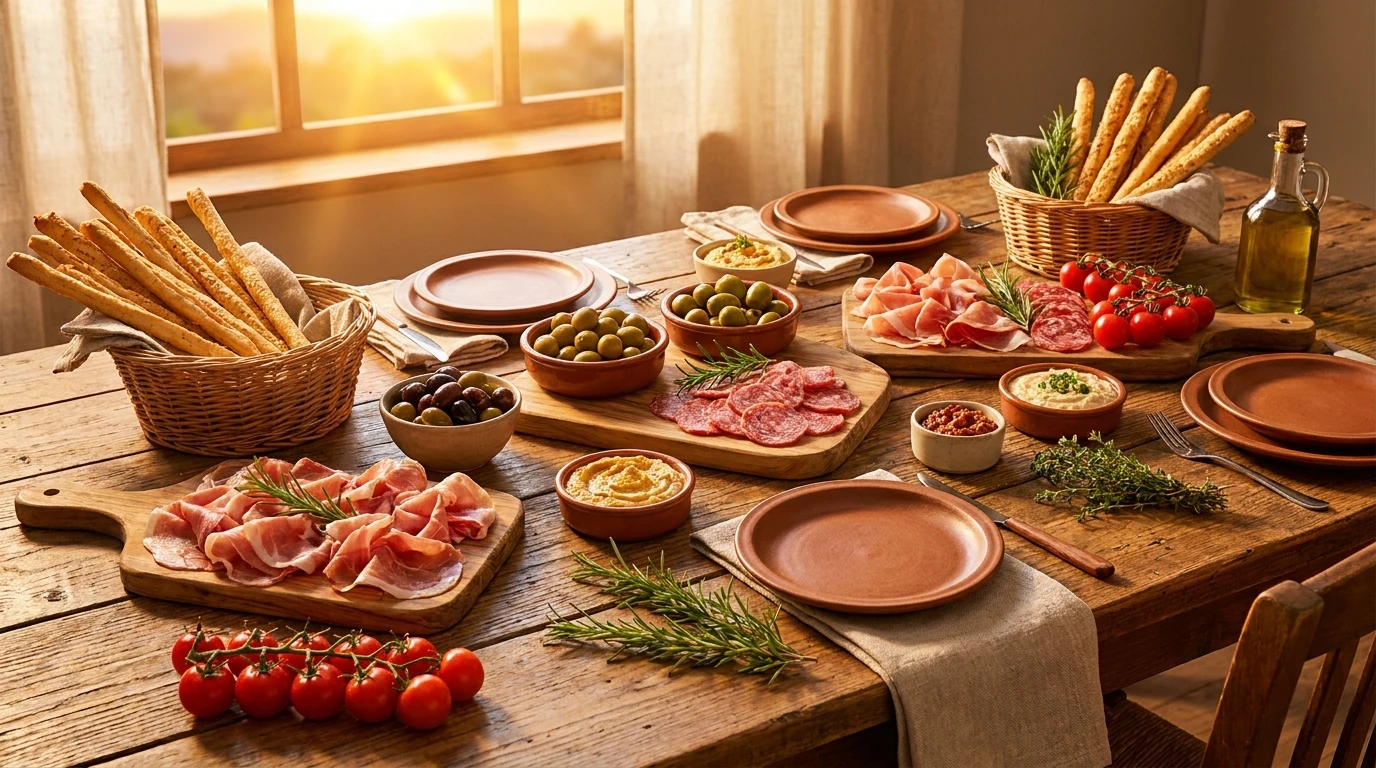
Ever wonder why you absolutely cannot stop eating those crispy, salty little bites before dinner? Yeah, I am talking about italian snacks, those mouth-watering, perfectly balanced culinary wonders that completely steal the show. When I was crashing at a friend’s tiny apartment in Naples a few summers ago, I realized something mind-blowing. The real magic of their food culture doesn’t just happen during a massive, two-hour pasta dinner. It happens precisely at 5 PM on a Tuesday. We were sitting on a cramped balcony overlooking the chaotic, scooter-filled streets, and out came a simple wooden board loaded with crunchy taralli, bright green Castelvetrano olives, and some spicy cured meats. It was not fancy. It was not expensive. But it was absolutely perfect.
That specific moment taught me everything I needed to know about the art of grazing. It is about taking simple, aggressively high-quality ingredients and combining them to punch your taste buds right in the face. Forget those sad, stale potato chips you grab from the vending machine. We are stripping down the complex restaurant menus and getting straight into the good stuff. From crispy, olive-oil-drenched breadsticks to deep-fried risotto balls stuffed with gooey cheese, this is exactly what you need to upgrade your pantry right now. You want massive flavor? You want serious crunch? Let me show you exactly how they do it. It is time to ditch your boring mid-afternoon routine and grab a massive piece of the Mediterranean directly from your own kitchen counter.
The Core Mechanics of the Perfect Bite
What actually makes these bites so ridiculously good? The open secret is pure balance. Authentic snacking revolves around the ruthless combination of fat, acid, and salt in a way that keeps your brain firing and your hand reaching back for just one more piece. Let me break it down for you plainly. You generally have two main categories dominating the table: dry baked goods providing the textural crunch, and fresh or cured items bringing the moisture and intense flavor. When you pair them together intelligently, you create an unstoppable flavor profile.
Take a look at how different regions handle their mid-afternoon cravings. It is practically a science:
| Snack Name | Main Ingredients | Best Paired With |
|---|---|---|
| Taralli | Flour, olive oil, white wine, fennel seeds | Cured meats and sharp cheese |
| Arancini | Risotto, ragu, mozzarella, peas | A squeeze of fresh lemon |
| Bruschetta | Toasted sourdough, tomatoes, garlic, basil | Balsamic glaze and sparkling water |
| Olive Ascolane | Large green olives stuffed with meat, fried | Crisp white wine or a bitter spritz |
The value proposition here is massive for your daily routine. Instead of reaching for highly processed junk that spikes your blood sugar and leaves you starving twenty minutes later, you get sustained, clean energy. Check out this first example: a classic bruschetta. You get complex, slow-digesting carbs from a good rustic sourdough, massive amounts of healthy fats from extra virgin olive oil, and essential vitamins from fresh tomatoes. Example two: a simple, jagged wedge of Parmigiano-Reggiano. It is practically a superfood packed with clean protein and highly bioavailable calcium, giving you a serious mental boost without the dreaded afternoon sugar crash.
Here is your foolproof system for building the ultimate afternoon grazing board right at home:
- Establish the Crunch Foundation: You need a vehicle. Grab some artisan grissini, toasted crostini, or rustic crackers. This provides the necessary textural contrast.
- Layer the Fats: Bring in the heavy hitters. Thinly sliced prosciutto, spicy salami, or rich, creamy cheeses like burrata or gorgonzola.
- Introduce the Acid: This is where most people fail. You need marinated artichoke hearts, sharp pickled peppers, or citrus-marinated olives to cut through the rich fat and cleanse your palate.
- Add a Touch of Sweetness: Finish it off with a handful of fresh figs, melon slices, or a tiny drizzle of hot honey over the sharp cheese.
The Deep Historical Roots
Origins in the Ancient Empire
You cannot understand the food without understanding the history. The concept of portable, durable food goes all the way back to the Roman Empire. Roman legions needed sustenance that wouldn’t spoil during weeks of marching across Europe. They relied heavily on early forms of hardtack bread, dried fruits, and heavily salted meats. The very earliest ancestor of pizza bianca was basically just flatbread baked on hot stones, meant to be eaten quickly by laborers and soldiers on the move. It was survival food, but it laid the absolute groundwork for the carb-heavy, satisfying bites we crave today.
The Middle Ages and Culinary Evolution
Fast forward to the Middle Ages, and the game changed entirely. Monasteries across the peninsula became the undisputed masters of food preservation. They perfected the art of aging cheeses and curing meats, turning necessity into a high art form. Then came the Columbian Exchange. Can you imagine this cuisine without tomatoes? They were brought over from the Americas and initially treated with massive suspicion. But once the southern regions started aggressively cultivating them, street food was born. Naples became the chaotic, beautiful epicenter of eating on the street, with vendors selling fried dough and simple tomato-topped breads to the working class.
The Modern State of Grazing
Now, as we push heavily through 2026, the global obsession with aperitivo culture has absolutely exploded. We are seeing a massive renaissance where people are ditching massive, heavy sit-down meals in favor of dynamic, shared plates. Modern chefs are taking these ancient, rustic recipes and elevating them with crazy techniques, but the soul remains exactly the same. The beauty of the modern era is accessibility; you don’t need to live in a village in Tuscany to get your hands on decent quality olive oil or imported prosciutto anymore. The culture has gone viral, and everyone wants a piece of that laid-back, late-afternoon lifestyle.
The Hard Science of Flavor
The Chemistry of Umami and Fermentation
Listen, there is a reason these foods hit your brain’s pleasure centers so hard, and it is pure chemistry. Let’s talk about umami, the fifth taste. Ingredients like aged Parmigiano-Reggiano, sun-dried tomatoes, and cured anchovies are absolute atomic bombs of naturally occurring glutamate. When you age milk proteins or cure meats, enzymatic breakdown occurs. The proteins literally shatter into individual amino acids. That little crunch you feel when eating aged cheese? Those are tyrosine crystals, a direct result of long-term protein degradation. It signals to your primitive brain that you are eating something highly nutritious and deeply savory.
Regional Microclimates and Ingredient Integrity
You can’t fake the dirt. The reason a San Marzano tomato grown in Campania tastes radically different from a hothouse tomato in your local supermarket comes down to soil chemistry and microclimates. The volcanic soil around Mount Vesuvius is incredibly rich in potassium and phosphorus, which physically alters the sugar-to-acid ratio inside the fruit. The same goes for the air curing the meats. Prosciutto di Parma relies heavily on the specific dry, sweet breezes rolling off the Apennine mountains to pull moisture out of the pork safely without spoiling it.
Check out these crazy technical facts that make the food so unique:
- Maillard Reaction Dominance: The intense browning on the crust of a good focaccia or a baked taralli creates hundreds of complex flavor compounds that you simply cannot get from boiling or steaming.
- pH Levels in Dough: Authentic pizza dough starters maintain a specific acidic pH (around 4.0 to 4.5) which naturally retards the growth of bad bacteria while giving the bread its signature tangy flavor.
- Lipid Oxidation: The very slow breakdown of fats in cured meats like guanciale or pancetta develops volatile aromatic compounds, which is why they smell so incredibly potent when sliced paper-thin.
- Moisture Migration: A perfectly fried arancini utilizes rice starches that lock out the frying oil, ensuring the inside remains a creamy, steam-filled chamber while the exterior achieves a glass-like crunch.
Your 7-Day Grazing Menu
Stop buying pre-packaged garbage. You are going to make this stuff yourself, and it is going to be incredibly easy. Here is your brutal, actionable 7-day plan to dominate afternoon hunger.
Day 1: The Classic Bruschetta Al Pomodoro
Start ridiculously simple. Get a thick slice of real sourdough. Toast it in a pan until it is charred on the edges. While it is still smoking hot, rub a raw clove of garlic aggressively over the surface. The heat melts the garlic oils directly into the bread. Top it with diced cherry tomatoes, fresh basil, salt, and the most expensive olive oil you can afford. Eat immediately.
Day 2: Neapolitan Taralli with Fennel
These are twisted, crunchy rings of joy. You make a simple dough with flour, water, a splash of white wine, and olive oil, heavily laced with whole fennel seeds. You actually boil them first for about thirty seconds until they float, then you bake them until they are golden brown. They last for weeks in a jar and pair perfectly with a cold beer.
Day 3: Crispy Arancini (The Leftover Hack)
Got leftover risotto? Perfect. Grab a handful cold from the fridge, flatten it in your palm, and stuff a cube of mozzarella in the center. Roll it into a tight ball, coat it in flour, dunk it in beaten egg, and roll it aggressively in breadcrumbs. Fry it in hot oil until the outside is dark golden and the inside is literal molten lava.
Day 4: Simple Focaccia Barese
This is a wet, highly hydrated dough. You press it into a heavily oiled cast-iron pan. Use your fingers to aggressively dimple the dough, pushing down hard. Shove halved cherry tomatoes and pitted olives directly into the dimples. Douse the whole thing in coarse salt and bake at maximum heat until the edges are practically fried in the pan.
Day 5: Prosciutto and Melon Skewers
No cooking required today. Get a perfectly ripe cantaloupe. Cut it into large cubes. Take a paper-thin slice of high-quality prosciutto and wrap it tightly around the melon. Skewer it with a toothpick. The violently sweet melon juice mixing with the salty, funky cured pork fat is one of the greatest flavor combinations on planet earth.
Day 6: Fried Zucchini Blossoms
If you can find fresh zucchini flowers, grab them immediately. Gently stuff the delicate flower with a mixture of ricotta cheese, lemon zest, and a little parmesan. Twist the top to seal it. Dunk the whole thing in a very light, ice-cold tempura-style batter (flour and sparkling water) and flash fry it for two minutes. Absolute heaven.
Day 7: The Ultimate Mixed Aperitivo Board
Empty the fridge. Grab a massive wooden board. Pile up your leftover taralli, some slices of that focaccia, a wedge of sharp pecorino, a pile of spicy salami, and a bowl of bright green olives. Pour yourself a bitter, icy spritz. Sit down, turn off your phone, and eat with your hands. You earned this.
Myths Versus Reality
People get this cuisine completely wrong all the time. Let’s fix that right now by destroying some garbage myths.
Myth: Everything is basically just heavy pizza and pasta in different shapes.
Reality: Absolutely false. The snacking culture actually leans heavily on fresh vegetables, legumes, and lean proteins. Think marinated artichokes, lupini beans, and thin slices of cured meats. It is incredibly diverse.
Myth: It takes way too many hours of prep to make these foods at home.
Reality: Complete nonsense. While a ragu takes hours, most traditional bites like crostini, caprese skewers, or a simple cheese board take less than ten minutes to aggressively throw together.
Myth: You have to buy wildly expensive, imported ingredients for it to taste authentic.
Reality: The entire philosophy of this food is utilizing what is local and fresh. A cheap, perfectly ripe local tomato will always beat an expensive, out-of-season imported one. Focus on the technique, not the price tag.
Myth: Eating like this every day is extremely unhealthy and will make you gain weight.
Reality: The Mediterranean approach emphasizes healthy, unsaturated fats like olive oil and serious portion control. A small handful of almonds and olives is infinitely better for your body than a bag of processed, chemically flavored tortilla chips.
Rapid Fire FAQ & Final Thoughts
What is a typical afternoon snack called in Italy?
It is generally called a “merenda” for kids (usually sweet or simple breads) and an “aperitivo” for adults, which involves savory bites paired with a drink before dinner.
Are grissini actually healthy?
Yes, in strict moderation. Traditional grissini are made with just flour, water, yeast, and olive oil. Avoid the mass-produced ones loaded with palm oil and preservatives.
What is the real difference between antipasto and a snack?
Antipasto literally means “before the meal” and is the structured first course of a sit-down dinner. Snacks are standalone, casual bites eaten to kill hunger during the day.
Can I freeze homemade arancini?
Absolutely. Fry them, let them cool completely, and freeze them in a single layer. Reheat them directly in a very hot oven to bring back the violent crunch.
What cheese is best to keep on hand for quick grazing?
You cannot go wrong with a hard, aged Parmigiano-Reggiano or Pecorino Romano. They last forever in the fridge and pack an insane umami punch.
Is bruschetta supposed to be served hot or cold?
The bread must be aggressively hot and freshly toasted, but the tomato topping should be strictly room temperature. Never put cold tomatoes on hot bread; it kills the flavor.
What is the absolute best drink to pair with this?
A classic bitter spritz (Aperol or Campari) is traditional, but ice-cold sparkling mineral water with a thick wedge of lemon works incredibly well to cleanse the palate.
So, here is the bottom line. Stop settling for mediocre, pre-packaged garbage when you get hungry at 4 PM. You now have the blueprint, the history, and the hard science to build out incredible italian snacks right in your own kitchen. It takes minimal effort but delivers a massive upgrade to your daily routine. Head to the store, grab some decent olive oil, a block of real cheese, and some rustic bread. Start building your board today, and change the way you snack forever.
Leave a Reply