
Why the Cinnamon Raisin Bagel Remains Unbeatable
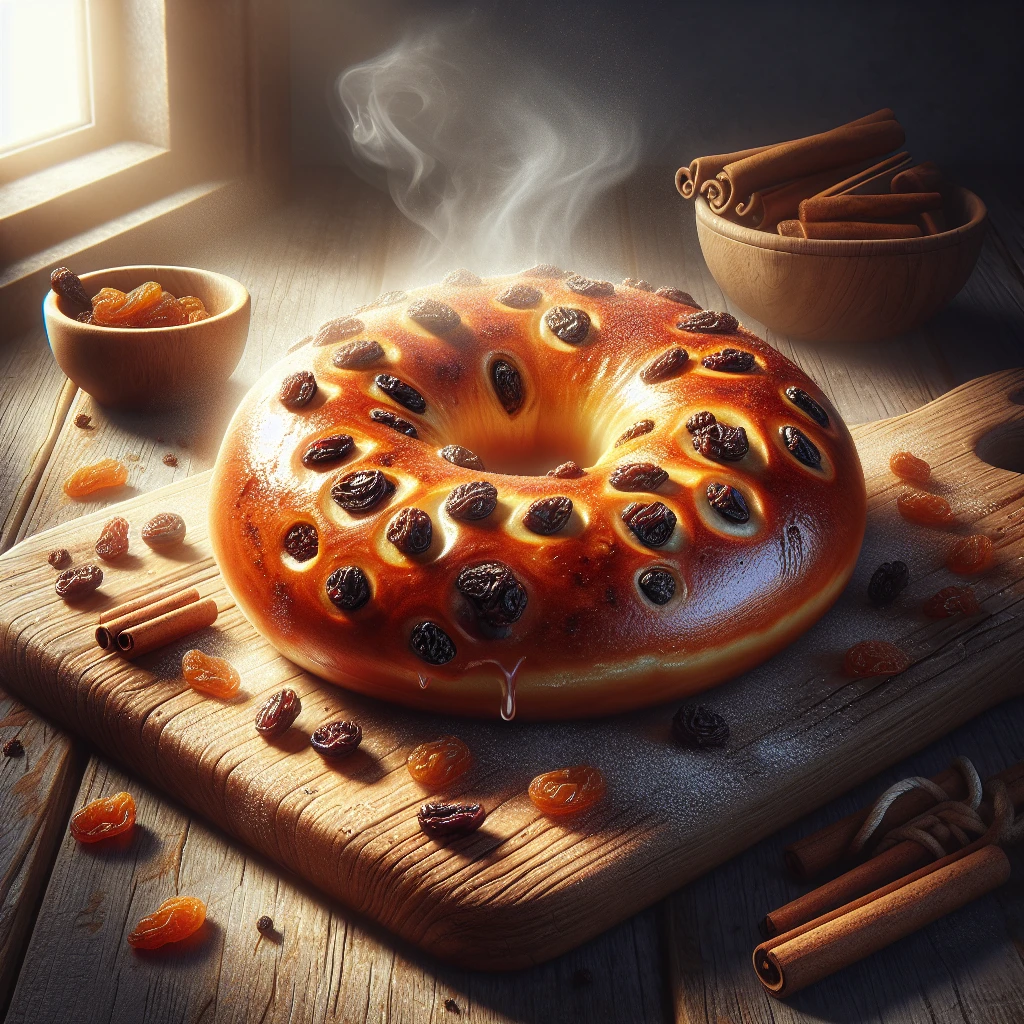
Have you ever wondered why a perfectly chewy cinnamon raisin bagel can instantly turn a dull morning into a vibrant one? The cinnamon raisin bagel isn’t just a breakfast staple; it’s a nostalgic experience wrapped in a beautifully caramelized crust. As someone who appreciates global baking traditions, I vividly remember the time I tried my first authentic New York-style bagel while walking through the busy streets of Manhattan, only to return to Kyiv and realize I needed to recreate that exact flavor using our robust local Ukrainian flour. Finding that perfect balance between sweet, spicy, and savory right here in a small kitchen became a slight obsession.
A proper cinnamon raisin bagel combines dense, satisfying chewiness with bursts of natural sweetness from plump, juicy grapes dried to perfection, enhanced by the warming aroma of Ceylon spice. Getting that signature texture requires understanding both art and chemistry. If you want to bake a batch that rivals the best artisanal bakeries, you need to master the boiling technique and yeast behavior. Let’s explore exactly what makes this baked ring a timeless classic, especially as we see home baking reach entirely new heights in 2026. The comforting aroma of baking spices drifting through your home on a crisp morning is simply unmatched. Let me show you the secrets to mastering this iconic pastry from scratch.
Understanding the core identity of this beloved pastry requires looking at its structural elements. A true authentic bake stands apart from standard sweet breads or soft rolls because of its foundational structure. The real magic happens through high-gluten flour and a vital boiling step before baking.
The primary value of mastering this bread at home comes down to absolute flavor control and ingredient purity. For example, commercial varieties often rely on artificial flavorings or excessive refined sugars to mask inferior dough quality. By taking charge of the process, you can select premium organic spices and ensure your fruit is properly hydrated. Another clear benefit is texture manipulation; you decide if you prefer an intensely dense interior or a slightly airier crumb based on your kneading time and yeast selection.
- Uncompromising Chew: Authentic texture demands patience and high protein flour, ensuring your teeth sink in rather than bite through easily.
- Spice Distribution: Properly kneading the spices directly into the dough prevents dry pockets and ensures every single bite carries that signature warmth.
- Perfect Hydration: Plumping the dried fruit beforehand stops them from stealing moisture from the surrounding dough during the baking phase.
| Characteristic | Authentic Artisan Bagel | Supermarket Version |
|---|---|---|
| Crust Texture | Crispy, thick, and blistered | Soft, dull, and spongy |
| Interior Crumb | Dense, tight, and extremely chewy | Airy, fluffy like standard white bread |
| Flavor Profile | Balanced with natural spice and malt | Overly sweet with artificial undertones |
The defining moment for any authentic bagel is the water bath. This short boil gelatinizes the starches on the exterior. This process traps the gas inside, leading to a robust, satisfying chew while creating a beautiful, shiny crust. Furthermore, integrating the sweet elements requires finesse. You aren’t making a cake. The sweetness should serve as an accent, elevating the savory notes of the fermented wheat rather than overpowering them entirely. A true artisan treats the dough with respect, allowing cold fermentation to develop complex flavors over a full 24-hour period.
Origins of the Bagel Tradition
The story begins long before this item became a staple of modern breakfast cafes. Originating in the Jewish communities of Poland, the earliest written records date back to the early 17th century. They were initially crafted as a reliable, staple bread, boiled and then baked to ensure longevity and a satisfying, dense texture. These early versions were strictly savory, utilizing plain wheat dough. The distinct ring shape served a highly practical purpose, allowing vendors to thread them onto wooden dowels for easy transport and display in bustling European markets. It was a utilitarian food designed to fuel hard workers through long days.
The Evolution into Sweet Territories
As Eastern European immigrants brought their baking traditions across the Atlantic to North America, particularly New York City, the recipe began to evolve. By the mid-20th century, the cultural melting pot sparked culinary innovation. Bakers started experimenting with different flavor profiles to cater to a broader range of palates. The integration of sweet elements into traditionally savory dough was initially met with skepticism by purists. However, the combination of warm spices and dried fruit eventually won over the masses. The cinnamon raisin bagel emerged as a pioneer in this sweet revolution, perfectly balancing the dense, chewy heritage of the original bread with the comforting, sweet notes typical of American morning pastries.
Modern State of the Cinnamon Raisin Bagel
Fast forward to the present day in 2026, and it has solidified its place as a cornerstone of bakery menus globally. We now see a fascinating fusion of old-world techniques and new-world ingredient sourcing. Modern artisan bakers are revisiting ancient grains, incorporating wild sourdough starters instead of commercial yeast, and sourcing single-origin spices to elevate the flavor profile. Despite the endless arrival of trendy hybrid pastries, the comforting simplicity and textural brilliance of this classic ensure it remains a top choice. The contemporary approach honors the robust, chewy tradition while maximizing the quality of the sweet inclusions.
The Chemistry of the Perfect Chew
Achieving the iconic texture of a proper bagel is an exercise in applied chemistry and precise thermodynamics. The fundamental building block is gluten, specifically the proteins glutenin and gliadin found in high-protein bread flour. When hydrated and vigorously kneaded, these proteins form a highly organized, elastic network capable of trapping carbon dioxide produced by the yeast during fermentation. Unlike standard bread, a true bagel dough maintains a surprisingly low hydration level—often around 50 to 55 percent. This restricted moisture forces the gluten matrix to remain incredibly tight, resulting in the dense, characteristic chewiness that aficionados demand. During the resting phase, amylase enzymes naturally present in the wheat begin breaking down complex starches into simpler sugars, feeding the yeast.
Maillard Reaction and Gelatinization
The most crucial chemical reaction occurs during the crucial boiling phase. Submerging the raw dough rings into an alkaline water bath (often spiked with malt barley syrup or baking soda) triggers instant starch gelatinization on the exterior surface. This creates a flexible but impermeable barrier that restricts expansion during baking, keeping the interior dense. Furthermore, the alkaline environment accelerates the Maillard reaction—a complex chemical interaction between amino acids and reducing sugars. This reaction is entirely responsible for the deep, mahogany-brown crust and the rich, complex flavors that define artisan baking. The addition of spice introduces a unique chemical hurdle. Cinnamaldehyde possesses natural antimicrobial properties that can inhibit yeast activity, requiring extended proofing times.
- Yeast Retardation: Cold fermenting dough at 4°C slows down yeast metabolism, promoting the production of organic acids that enhance flavor depth without over-proofing the structure.
- Osmotic Pressure: Dried fruits are hydroscopic and can pull water out of the gluten network. Soaking them before mixing prevents them from disrupting the delicate moisture balance.
- Thermal Shock: The sudden transition from boiling water to a high-temperature oven (usually around 260°C) rapid-sets the crust, ensuring a crisp exterior shell.
Building the ultimate batch requires patience and methodical execution. Follow this strict 7-step master protocol to achieve bakery-level results in your own kitchen.
Step 1: Ingredient Preparation and Hydration
Begin by soaking one cup of high-quality raisins in warm water for at least thirty minutes. Drain them thoroughly and pat dry with paper towels to prevent excess moisture from ruining your dough hydration. Measure out 500 grams of high-gluten flour, 10 grams of salt, and 15 grams of premium ground spice.
Step 2: Mixing the Core Dough
In a stand mixer fitted with a sturdy dough hook, combine your dry ingredients. Dissolve 5 grams of instant yeast and 30 grams of malt syrup into 275 milliliters of lukewarm water. Slowly pour the liquid into the dry mix on low speed until a shaggy mass forms.
Step 3: Vigorous Kneading
Knead the dough on medium speed for at least ten to twelve minutes. The dough will be remarkably stiff and challenging to work with, but this intense mechanical action is strictly necessary to develop the robust gluten network. Fold in the plumped, dried fruit during the final two minutes of mixing.
Step 4: The Bulk Fermentation
Transfer the smooth, elastic dough to a lightly oiled bowl. Cover tightly and let it rest at room temperature for roughly one hour, allowing the yeast to awaken and begin preliminary gas production. The dough should become slightly puffy but certainly not double in size.
Step 5: Shaping the Rings
Divide the mass into eight equal portions, weighing roughly 110 grams each. Roll them tightly into smooth, round balls. Puncture the center of each ball with your thumb and gently stretch the hole outward until it forms an even ring, about two inches wide in the center.
Step 6: Cold Retardation
Place the shaped rings onto a parchment-lined baking sheet. Cover them entirely with plastic wrap and transfer the tray to your refrigerator. Leave them to undergo cold fermentation for 18 to 24 hours. This slow, low-temperature process develops complex, authentic flavor profiles.
Step 7: Boiling and High-Heat Baking
Bring a large pot of water to a rolling boil, adding a tablespoon of malt syrup. Drop the cold rings into the bath for 30 seconds per side. Immediately transfer the boiled rings to a baking sheet and bake at 230°C for 18 to 22 minutes until deeply golden and beautifully blistered.
The world of traditional bread baking is heavily clouded by misinformation. Let’s clear up some widespread misconceptions.
Myth: You absolutely must use New York tap water to make an authentic batch.
Reality: While mineral content does influence fermentation slightly, the true secret to the characteristic chew is high-gluten flour and proper boiling techniques. Any clean, filtered water will yield absolutely outstanding results.
Myth: Cinnamon raisin bagels are intrinsically unhealthy because they are essentially just round cakes.
Reality: A properly made traditional recipe relies heavily on complex carbohydrates and very minimal added sugar. The sweetness derives primarily from natural fruit, making it a surprisingly robust energy source rather than an empty dessert.
Myth: You can skip the boiling step and just use a modern steam oven.
Reality: Steam ovens are magnificent for baking crusty sourdough, but boiling physically gelatinizes the exterior starches in a specific way steam simply cannot replicate. Skipping the boil results in a soft roll, definitively not a bagel.
Myth: Adding the spice earlier in the mixing process ruins the gluten structure entirely.
Reality: While it can slow yeast activity mildly due to antimicrobial properties, mixing it thoroughly with the dry flour ensures even distribution without compromising the final structural integrity of the baked good.
FAQ 1: Why did my dough end up too sticky?
You likely didn’t drain the soaked fruit thoroughly, introducing rogue hydration into the mix. Always pat the fruit completely dry before incorporating it into the stiff dough.
FAQ 2: Can I substitute bread flour with all-purpose flour?
You can, but you will sacrifice the signature chew. All-purpose flour simply lacks the required protein necessary for a tight, dense structure.
FAQ 3: Why are my baked rings flat and wrinkled?
This usually indicates severe over-proofing. If left in the fridge too long or boiled for too many minutes, the internal structure collapses.
FAQ 4: How long do they stay fresh?
Freshly baked out of the oven, they are best consumed within 24 hours. However, they slice and freeze beautifully for up to three full months.
FAQ 5: What is the best spread to use?
A high-fat, plain cream cheese is the absolute traditional standard, but cultured butter or a lightly sweetened walnut spread elevates the spice profile beautifully.
FAQ 6: Is the malt syrup strictly necessary?
Malt syrup adds authentic old-world flavor and aids heavily in crust browning. Honey or dark molasses can work in a pinch if you have no alternatives.
FAQ 7: Can I use fresh grapes instead?
Absolutely not. Fresh grapes contain entirely too much water and will disintegrate violently in the oven, ruining the delicate dough matrix.
Mastering the cinnamon raisin bagel at home is an incredibly rewarding endeavor that connects you directly to centuries of baking tradition. The perfect combination of chewy, dense dough, bursting sweetness, and warm spice is a testament to culinary evolution. Now that you understand the complex science, rich history, and exact methodology required, it is time to get your hands dusty with flour. Gather your highest quality ingredients, prepare your active yeast, and start your incredible home baking journey today!
Leave a Reply