

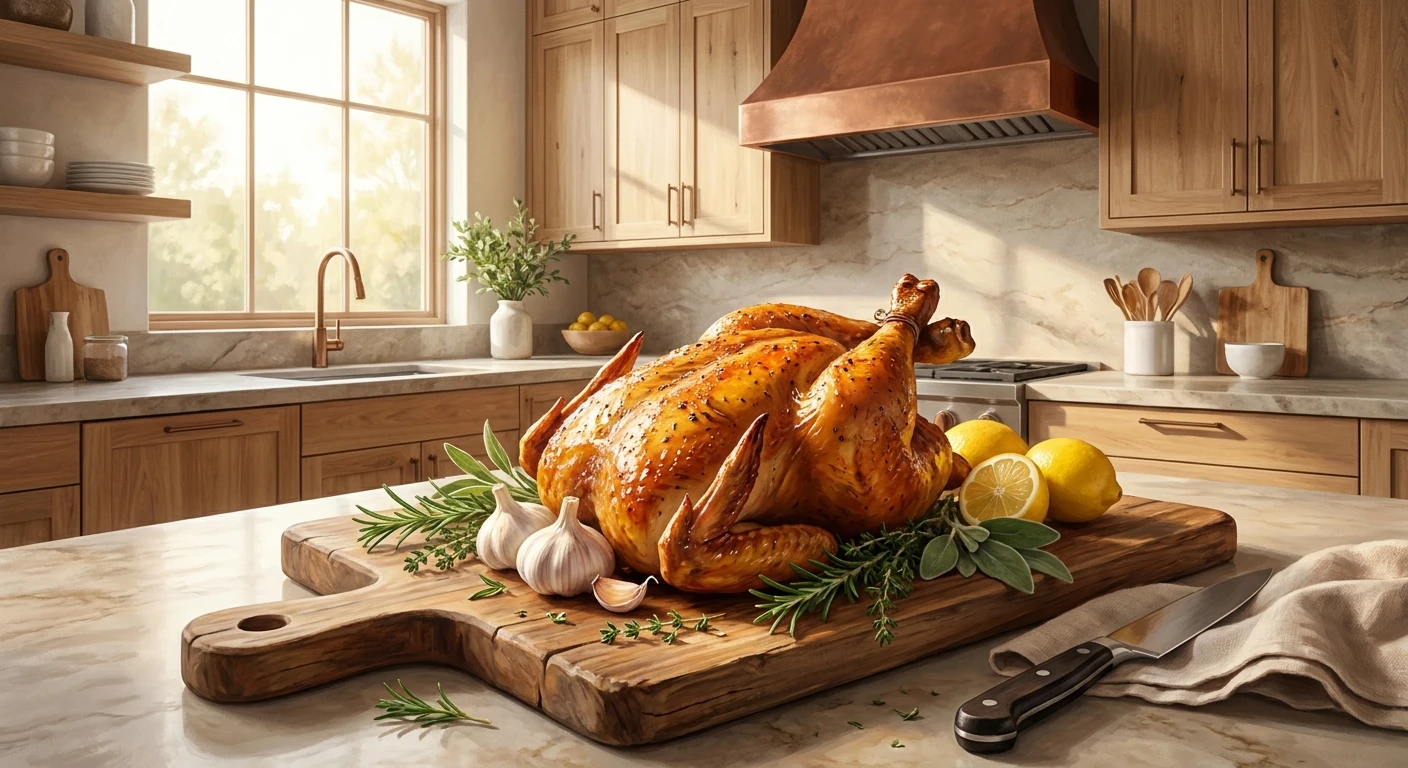
How Long Does A Rotisserie Chicken Last In Fridge? Everything You Need to Know
If you just brought home a freshly roasted, savory bird from the supermarket deli and are wondering exactly how long does a rotisserie chicken last in fridge, the straightforward answer is three to four days when properly stored. Buying a hot, ready-to-eat cooked chicken is one of the ultimate modern conveniences for quick dinners, meal prepping, and budget-friendly household planning. However, knowing the precise timeline for safe consumption is absolutely critical for your health. Food safety experts and the United States Department of Agriculture (USDA) maintain strict guidelines regarding cooked poultry to prevent foodborne illness.
You grab that incredibly aromatic, warm package at the grocery store, and by the time you get home, the clock starts ticking. Proper handling begins the moment you leave the checkout line. Leaving a cooked bird sitting on the kitchen counter for hours while you unpack groceries or relax completely compromises its safety. The key to maximizing its shelf life lies in rapid cooling and utilizing airtight storage solutions. By following the right procedures, you can squeeze every ounce of value out of your purchase, turning one simple protein source into several days of diverse, delicious, and entirely safe meals.
Read also: Classic Old Fashioned Swiss Steak Recipe; Easy shake and bake chicken drumsticks recipe.
Maximizing Value and Ensuring Proper Storage
To truly understand how to handle your freshly purchased cooked poultry, you need to look at the mechanics of proper refrigeration and portioning. The three-to-four-day window is not a mere suggestion; it is a scientifically backed timeframe designed to keep you safe from harmful pathogens. Storing the meat correctly involves active preparation rather than simply tossing the store-bought plastic dome into your refrigerator. Below is a breakdown of different storage methods, their respective shelf lives, and how well they maintain the overall quality of the meat.
| Storage Method | Shelf Life | Quality Maintenance |
|---|---|---|
| Whole in Store Packaging | 3 to 4 Days | Moderate (Skin becomes soggy, takes longer to chill completely to the bone) |
| Carved and Stored in Airtight Glass Containers | 3 to 4 Days | Excellent (Cools rapidly, prevents cross-contamination, preserves moisture) |
| Shredded and Vacuum-Sealed in the Freezer | 3 to 4 Months | Great (Locks in flavor, prevents freezer burn, requires gentle thawing) |
To ensure maximum freshness and safety, you should follow a precise sequence of steps the moment you are done serving your initial meal. Leaving meat on the bones can slow down the cooling process, keeping the innermost parts of the bird in the bacterial danger zone for too long. Here is exactly what you should do:
- Deconstruct the Bird Promptly: Carve the meat off the bones within two hours of purchasing or removing it from a heat source. Separate the breast meat, thighs, and drumsticks.
- Use Shallow, Airtight Containers: Spread the carved pieces into shallow glass or high-quality plastic containers. Shallow containers allow the cold air to penetrate the food rapidly, dropping the internal temperature quickly.
- Label with Dates: Always use a piece of tape and a marker to write the exact date the chicken was purchased. Memory can be faulty, and having a clear visual indicator prevents accidental consumption of expired meat.
- Monitor Refrigerator Temperature: Ensure your appliance is set to 40°F (4°C) or below. A slightly warm refrigerator drastically reduces the safe window for cooked meats.
Origins and Evolution of Rotisserie Cooking
Origins of Spit-Roasting Over Open Fires
Cooking meat on a rotating spit is by no means a modern invention. The fundamental concept dates back thousands of years to ancient civilizations and medieval kitchens. Historically, turning a whole animal over a steady, open flame was the most efficient way to ensure even cooking while constantly basting the meat in its own rendered fats. In medieval castles and large estate kitchens, a specialized worker known as a “spit boy” or “turnspit dog” (a specialized canine breed placed in a wheel) was tasked with keeping the iron rod rotating constantly. This method yielded incredibly juicy, flavorful meat with a beautifully crisped exterior, setting the culinary foundation for what we enjoy today.
The Evolution of Supermarket Poultry
The transition from a slow, labor-intensive cooking method to a fast, commercially available grocery staple began to gain serious traction in the 1990s. Popularized by chains like Boston Market, the concept of fast, homestyle roasted meals proved incredibly lucrative. Recognizing the consumer demand for quick, high-quality proteins, major supermarket chains adopted commercial rotisserie ovens. They strategically placed these ovens at the back of the store to draw shoppers through the aisles, or right near the entrance to entice them with the irresistible aroma of roasted chicken. These birds were often sold at aggressively low margins, acting as a “loss leader” to bring foot traffic into the store during the busy evening commute.
Modern State of Ready-to-Eat Proteins
Today, the cooked poultry market is a massive, highly optimized industry. Supermarkets sell billions of ready-to-eat birds annually. Modern commercial ovens use sophisticated infrared and convection heating technologies to cook dozens of birds simultaneously with perfect consistency. Strict regulatory protocols dictate how these foods must be held under heat lamps (usually above 140°F) and how quickly unsold merchandise must be blast-chilled, shredded for the deli salad bar, or discarded. The entire ecosystem of supermarket prepared foods revolves around the incredible efficiency and universal appeal of the classic rotisserie chicken.
The Science of Bacterial Growth on Cooked Meat
Microbiology and The Danger Zone
Understanding exactly why cooked poultry expires requires a brief look into food microbiology. Pathogenic bacteria, such as Salmonella, Staphylococcus aureus, and Listeria monocytogenes, are microscopic organisms that thrive under specific environmental conditions. The critical metric to understand is the “Danger Zone,” defined by the USDA as the temperature range between 40°F and 140°F (4°C and 60°C). Within this range, bacterial colonies can double in size in as little as 20 minutes. Even though the cooking process destroys the raw bacteria originally present on the bird, environmental contamination occurs immediately once it is exposed to the air, cutting boards, and human hands. If the cooked meat is left out on the counter, it rapidly becomes a breeding ground for these invisible threats.
Oxidation, Moisture Loss, and Warmed-Over Flavor
Aside from bacterial safety, the chemical deterioration of the meat severely impacts its culinary quality. You may have noticed that leftover poultry sometimes develops an unappealing, cardboard-like taste after a few days. This phenomenon is scientifically known as “warmed-over flavor” (WOF). It is caused by lipid oxidation, a process where the polyunsaturated fats within the muscle tissue react with oxygen. Furthermore, moisture migration causes the once-crispy skin to become flabby and the white breast meat to become chalky and dry.
- Rapid Pathogen Multiplication: Bacteria multiply exponentially at room temperature. A single bacterium can become over two million in just seven hours if the meat is left unchecked.
- Toxin Production: Certain bacteria produce heat-stable toxins as a byproduct of their metabolism. Once these toxins are generated on old meat, no amount of reheating or boiling will destroy them.
- Lipid Breakdown: The rendering of fats during the roasting process makes the remaining lipids highly susceptible to rapid oxidation, changing the molecular flavor profile of the meat within 48 hours.
- Protein Denaturation: Continually reheating leftover portions squeezes water out of the protein structures, leading to an incredibly tough, dry texture.
Actionable 7-Day Rotisserie Chicken Utilization Plan
To ensure you never waste a single bite and safely adhere to the strict storage timelines, follow this comprehensive step-by-step 7-day culinary roadmap.
Day 1: Fresh Carving and Serving
The first day is all about enjoying the product at its absolute peak. Serve the legs, thighs, and wings alongside fresh vegetables and roasted potatoes. The skin is still beautifully textured, and the dark meat is exceptionally juicy. Immediately after dinner, carve all remaining meat off the carcass, place it into shallow airtight containers, and place it in the coldest part of your refrigerator.
Day 2: Shredding for Salads and Wraps
On the second day, the chilled meat is perfect for cold applications. Shred the breast meat to create a classic chicken salad using mayonnaise, diced celery, red onions, and fresh dill. Serving it cold prevents the dreaded warmed-over flavor from developing and provides a fast, protein-packed lunch option for work or school.
Day 3: Incorporating into Soups and Stews
As the texture of the meat begins to slightly dry out, reintroducing moisture is essential. Dice the remaining chunks and add them into a simmering pot of tortilla soup, classic noodle soup, or a spicy chili. Adding the meat at the very end of the cooking process ensures it warms through safely without becoming tough and stringy.
Day 4: Final Fridge Day Bake
This is the final safe day for refrigerated consumption. You must cook or freeze whatever is left. Utilize the last bits of meat in a heavily spiced baked dish, such as enchiladas, a cheesy casserole, or a pot pie. The rich sauces and baking process will mask any slight degradation in texture.
Day 5: Transitioning to Freezer Storage
If you find yourself with leftover meat on Day 4 that you simply cannot eat, immediately transfer it to heavy-duty freezer bags. Squeeze out as much ambient air as possible to prevent freezer burn, label the bag with the date, and freeze it. This pauses the bacterial clock entirely.
Day 6: Boiling Bones for Homemade Broth
Do not throw away the bare carcass! Take the bones, skin scraps, and any accumulated gelatin from the original packaging, and simmer them in a large stockpot with carrots, celery, onions, and water for several hours. Strain the liquid to yield a rich, highly nutritious homemade bone broth.
Day 7: Thawing and Repurposing
If you froze meat on Day 5, you can safely thaw it in the refrigerator overnight on Day 7 (or any time over the next three months). Use this thawed, shredded meat exclusively in hot, heavily sauced dishes like curries or stir-fries, as freezing will have altered the cellular structure of the protein.
Myths & Reality: Debunking Poultry Storage Rumors
Myth: You can leave a hot rotisserie chicken on the counter all afternoon to let it cool completely before putting it in the fridge.
Reality: Cooked poultry must be refrigerated within two hours of purchase. Leaving it out longer puts it squarely in the danger zone, inviting rapid, dangerous bacterial multiplication.
Myth: Reheating old, expired chicken in the microwave or oven kills all the bacteria and makes it perfectly safe to eat.
Reality: While intense heat does kill live bacteria, it does absolutely nothing to destroy the toxic chemical byproducts those bacteria produced while sitting in your fridge for five or six days. These heat-stable toxins are what cause severe food poisoning.
Myth: As long as the meat does not smell sour or feel slimy, it is completely safe to eat well past the fourth day.
Reality: The most dangerous pathogens, including Listeria and Salmonella, cannot be seen, smelled, or tasted. Relying on your senses is incredibly dangerous; you must strictly adhere to the 3-4 day timeline.
Frequently Asked Questions & Conclusion
Can I eat 5-day-old rotisserie chicken?
No. The USDA strongly recommends discarding cooked poultry after four days. Eating it on the fifth day significantly increases your risk of contracting a foodborne illness.
Does freezing affect the taste and texture?
Yes, freezing causes the water inside the meat cells to expand and burst, which can make the texture slightly mushy upon thawing. Vacuum sealing helps mitigate flavor loss.
How do I know if it went bad?
Signs of severe spoilage include a sour, ammonia-like odor, a slimy or sticky texture on the surface of the meat, and visible mold or grayish discoloration.
Should I store it whole or cut it up?
You should always cut it up. A whole bird takes too long to cool down in the center, potentially allowing bacteria to grow near the bone cavity before it chills.
Can I reheat the meat more than once?
It is highly discouraged. Reheating meat multiple times degrades its nutritional quality, ruins its texture, and repeatedly exposes it to unsafe temperature fluctuations.
What is the optimal fridge temperature?
Your refrigerator must be set at or below 40°F (4°C) to effectively slow down bacterial growth on cooked proteins.
Are the store containers safe for long-term storage?
Store-bought plastic domes are not airtight. You should immediately transfer the meat into proper airtight glass or plastic tupperware with snapping lids.
Understanding exactly how long does a rotisserie chicken last in fridge empowers you to make smart, safe, and economical decisions in the kitchen. By deconstructing the bird early, utilizing shallow airtight storage, and strictly adhering to the four-day rule, you can enjoy multiple delicious meals without risking your health. Stop letting good food go to waste—grab your containers, secure your leftovers tonight, and share this essential kitchen safety guide with your family and friends!



Leave a Reply