

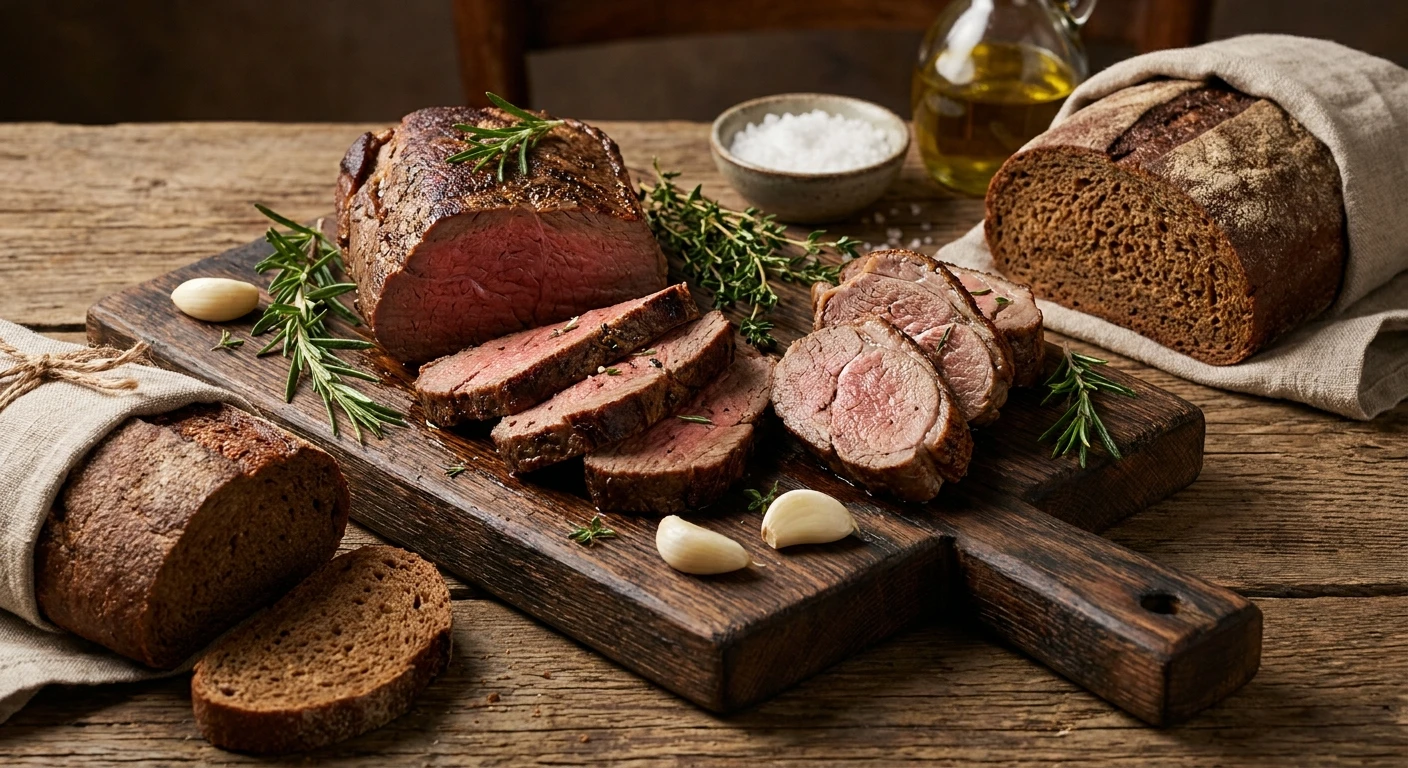
Why We All Love a Good Cooked Sausage
Grabbing a slice of cooked sausage straight from the fridge is one of those universal guilty pleasures we all share. Whether you are sneaking a midnight snack or throwing together a quick lunch, there is something incredibly comforting about that soft, savory texture. Knowing what makes a premium cut so delicious, how to best serve it, and why it holds such a special place in our global kitchen will completely change how you approach your daily meals. You might think you know everything about this deli staple, but there is a whole universe of flavor hiding in plain sight.
Growing up in Kyiv, the smell of our iconic ‘Doktorskaya’ meant the day had officially begun. I still vividly remember my babusya slicing it thick, slapping it onto a piece of dense, dark rye bread with a tiny smear of sharp mustard, and handing it to me as I ran out the door to meet my friends. It was not just food; it was a cultural anchor. Even now in 2026, with so many wild dietary trends hitting the supermarket shelves, a simple, high-quality slice still hits differently. It brings back memories, fills you up, and reminds you that sometimes, the classics are classic for a reason. You do not need a fancy culinary degree to appreciate the perfection of a well-made deli meat. You just need a good appetite and a little bit of imagination to make it shine on your plate.
Read also: Classic Old Fashioned Swiss Steak Recipe; Ultimate Guide to the Best Sliced Ham.
The Real Benefits and How to Use It
So, why do we keep coming back to these smooth, emulsified meats? The benefits go way beyond just tasting great. First off, the convenience factor is off the charts. When you are rushing to feed your family or prep a meal after a long shift, having a protein source that is ready to eat straight from the wrapper is a lifesaver. You skip the cooking time, the heavy cleanup, and the worry about internal temperatures. Plus, the sheer versatility means you are never stuck eating the exact same meal twice unless you want to.
Let us look at a quick breakdown of some major varieties you might find at your local deli counter.
| Sausage Type | Flavor Profile | Best Everyday Use |
|---|---|---|
| Doktorskaya | Mild, slightly sweet, very smooth | Breakfast sandwiches and potato salads |
| Mortadella | Rich, garlicky, studded with fat | Charcuterie boards and panini |
| Bologna | Savory, salty, subtle spice blend | Classic fried lunchbox sandwiches |
When we talk about the value proposition, think about how easily you can stretch a single block of meat across multiple different meals. For example, you can dice it up finely to bulk out a pasta salad, or you can fry thick slabs of it to serve alongside eggs for a hearty weekend breakfast. The possibilities are truly endless.
Here are the top reasons why you need to keep a stash in your fridge:
- Instant Protein Fix: No prep required. You get a solid dose of energy without turning on the stove.
- Incredible Cost Efficiency: Compared to whole muscle cuts, these provide fantastic yield for your grocery budget, allowing you to feed more people for less money.
- Zero Waste Guarantee: Because it is uniform in texture and pre-cooked, you eat exactly what you buy. There are no bones, no gristle, and no weird fatty bits to trim off and throw away.
- Kid-Friendly Appeal: The smooth texture and mild flavor make it a massive hit with picky eaters who normally push meat around their plate.
Origins of Emulsified Meats
People have been preserving meat for thousands of years, but the specific technique of creating a smooth, cooked paste is a fascinating slice of culinary history. The ancient Romans were some of the first to experiment with grinding pork and beef into fine mixtures, seasoning them heavily with salt and spices to make them last longer. The original Italian Mortadella, which dates back centuries, was essentially the luxurious grandfather of what we eat today. Monks in the Middle Ages would carefully pound meat in a mortar (hence the name Mortadella) with myrtle berries. This careful, labor-intensive process created a texture that was totally unique and incredibly prized by the nobility.
The Evolution Through the 20th Century
Things really shifted into high gear during the 1930s, specifically in the Soviet Union. The government tasked food scientists with creating an affordable, easily digestible, and highly nutritious meat product for workers recovering from physical strain. The result was ‘Doktorskaya’—literally translating to ‘Doctor’s sausage’ because it was initially prescribed for health reasons! It was made with strict state standards, using premium pork, beef, eggs, and milk. Meanwhile, across the ocean in America, German immigrants brought their own finely ground frankfurters and bologna, adapting them to the massive scale of industrial meatpacking. Suddenly, what used to be a luxury item or a regional specialty became an affordable household staple available to everyone, everywhere.
The Modern State of Delicatessen Meats
Fast forward to our current era, and the landscape has shifted yet again. We have moved past the era where deli meats were viewed solely as cheap filler. Artisanal butchers are reclaiming the art of emulsified meats, using pasture-raised pork, grass-fed beef, and organic spices. We are seeing a massive revival of old-world techniques mixed with modern flavors. People are realizing that a beautifully crafted bologna or a high-end mortadella studded with pistachios is worthy of a place on the finest dining tables. It is no longer just lunchbox food; it is a respected craft that honors the whole animal.
The Magic of Meat Emulsions
If you have ever wondered how a mix of meat, fat, and water stays perfectly solid and sliceable without falling apart, you are looking at some pretty cool food science. Creating a meat emulsion is a lot like making mayonnaise. You are forcing two things that hate each other—water and fat—to hold hands and play nice. The secret ingredient that makes this happen is a protein found in the muscle called myosin. When butchers grind the meat with salt, it extracts this sticky myosin protein. As the meat is chopped at ultra-high speeds, this protein coats the microscopic fat droplets, sealing them in and preventing them from melting away.
Temperature Control and Pasteurization
The biggest challenge in making this product is heat. The friction from chopping the meat so finely can easily heat up the fat, causing it to render and break the emulsion. That is why butchers add crushed ice or extremely cold water into the bowl chopper. Once the perfect sticky paste is formed, it gets stuffed into casings. But the real magic happens during the thermal processing. The sausages are gently heated in water baths or steam ovens to exact temperatures. This pasteurization process completely destroys any harmful bacteria, making the final product 100% safe to eat cold right out of the package.
Here are some fascinating scientific facts about the process:
- Water Binding Capacity: The salt not only flavors the meat but physically changes the protein structure, allowing it to hold onto added water for maximum juiciness.
- The Role of Nitrites: A tiny amount of sodium nitrite is often used to prevent botulism and give the meat that signature, appetizing pink color. Without it, the meat would turn gray during cooking.
- Thermal Coagulation: Once the internal temperature reaches about 155°F (68°C), the protein matrix permanently sets into that firm, sliceable texture we all recognize.
- Fat Suspension: A premium emulsion can hold up to 30% fat in perfect suspension without feeling greasy on the palate.
Day 1: The Classic Morning Sandwich
Let us kick things off with the absolute basics. You need a fast start to your Monday. Grab a fresh, crusty roll—something with a bit of chew to it. Slather both sides with a good quality European butter. Lay down two thick, cold slices of your favorite deli meat. Top it with a mild cheese like Havarti or Gouda. That is it. No cooking, no mess, just pure, unadulterated comfort to get your week moving.
Day 2: The Retro Olivier Salad
Tuesday calls for a nostalgic dinner. We are making the famous Eastern European potato salad. Boil up some potatoes, carrots, and eggs. Let them cool, then dice them into perfect little cubes. Do the exact same thing with a thick block of Doktorskaya. Toss in some crunchy fermented dill pickles and sweet green peas. Bind the whole glorious mess together with real mayonnaise. It tastes even better on Wednesday, trust me.
Day 3: Fried Slices with Eggs
Hump day means we need a hot breakfast, but we still want it fast. Heat a cast-iron skillet and throw in slices of meat. Watch how the edges curl up and get incredibly crispy while the center stays tender. Once they are browned, fry a couple of sunny-side-up eggs in the leftover savory fat. Serve with toast to mop up the yolk. It is a diner-quality meal in under five minutes.
Day 4: Cheesy Sausage Bake
By Thursday, we are craving comfort food. Chop your remaining cold cuts into small strips. Boil some penne or macaroni pasta. Mix the cooked pasta and the meat strips with a rich béchamel sauce loaded with sharp cheddar. Bake it in the oven until the top is bubbling and golden brown. The meat adds a smoky, savory depth to the mac and cheese that bacon just cannot match.
Day 5: Cold Cut Platter Night
Friday is here, and nobody wants to cook. It is time to assemble a masterpiece. Grab your biggest wooden board. Fan out ultra-thin slices of mortadella and bologna. Add some sharp cheddar, creamy brie, a handful of walnuts, and some fresh grapes. Crack open a jar of grainy mustard and serve with a stack of water crackers. Pour a drink and enjoy a completely stress-free dinner.
Day 6: Savory Breakfast Muffins
Saturday mornings are for baking. Whip up a basic savory muffin batter using flour, milk, eggs, and a bit of baking powder. Dice up the meat into tiny confetti-like pieces and fold them into the batter along with shredded cheese and green onions. Bake them until fluffy. These are perfectly portable for whatever weekend adventures you have planned.
Day 7: The Ultimate Picnic Spread
Sunday is a day of rest. Pack a cooler for the park. You will want to make a giant submarine sandwich. Slice a massive French baguette down the middle. Layer mayo, shredded lettuce, tomatoes, and piles of thinly sliced meats. Drizzle with olive oil and vinegar. Wrap it tightly in parchment paper. When you slice it open at the park, the flavors will have melded together perfectly.
Separating Myth from Reality
Myth: It is just a bunch of mystery meat swept off the factory floor.
Reality: High-quality emulsified meats are made from strict recipes using premium whole muscle cuts like pork shoulder and beef chuck. Artisanal makers are incredibly transparent about their ingredients.
Myth: It has zero nutritional value and is just junk food.
Reality: It is actually a very dense source of complete protein, essential fats, and B-vitamins. Like anything, it should be enjoyed in moderation, but it absolutely provides real energy and nutrition.
Myth: You need to cook it again before you eat it just to be safe.
Reality: The entire point of this product is that it is fully pasteurized. The thermal processing at the butcher shop kills any pathogens. It is 100% safe, and often preferred, straight out of the refrigerator.
Myth: It lasts forever in the fridge because it is processed.
Reality: While the unopened package has a good shelf life, once you break that seal and expose it to air, you really only have about 3 to 5 days to enjoy it at peak freshness.
Frequently Asked Questions
Can I freeze it?
Yes, you can freeze it, but be warned that the texture might change slightly. Because of the high water content in the emulsion, freezing can cause ice crystals that make the meat a little spongy when thawed. It is best to use frozen pieces in cooked dishes like soups or casseroles.
Is it gluten-free?
Most traditional recipes are naturally gluten-free as they strictly rely on meat, fat, and spices. However, some cheaper commercial brands might use wheat-based fillers as binders. Always read the label if you have a strict allergy.
What kind of casing is used?
It varies widely. Traditional European styles often use natural beef bungs or bladders. Mass-produced deli meats usually use synthetic, inedible plastic or fibrous casings that you must peel off before eating.
How long does it last in the fridge?
An unopened, vacuum-sealed package can last several weeks depending on the date printed. Once you open it, wrap it tightly in foil or plastic wrap and consume it within 3 to 5 days for the best flavor and safety.
Can my dogs eat it?
It is not recommended. While the meat itself is fine, these products contain high amounts of salt, garlic, and onion powder, which are toxic to dogs in large quantities. Stick to plain, unseasoned meats for your pets.
Why is it sometimes bright pink?
The pink color comes from sodium nitrite, a curing salt used during the mixing phase. It reacts with the myoglobin in the meat to lock in that pink color, preventing it from turning an unappetizing brown during the cooking process.
Is it the exact same thing as raw sausage?
Not at all. Raw links are coarsely ground, not emulsified, and must be thoroughly cooked at home before eating. The product we are discussing today has already been fully cooked and stabilized at the factory.
Does it contain dairy or eggs?
Some classic recipes, specifically the famous Soviet Doktorskaya, explicitly call for real milk and eggs to create a smoother, richer texture. If you have allergies, you must check the ingredient list carefully.
From the breakfast table to the late-night snack run, this incredible food has earned its permanent spot in our kitchens. Now that you know the rich history, the clever science, and exactly how to use it every day of the week, you will never look at the deli counter the same way again. Go grab a fresh block, start experimenting with the recipes we talked about, and take your everyday meals to the next level!
Leave a Reply