
Why Everyone in Canada is Obsessed with Bannock
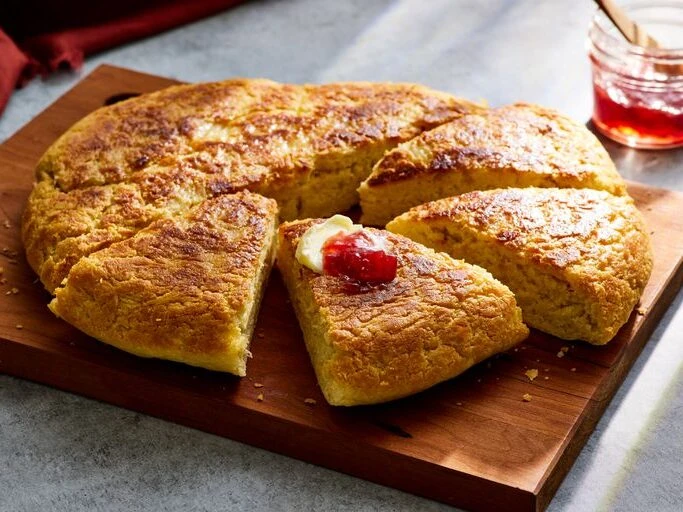
There is something about the smell of frying dough that just hits differently. If you grew up in Canada, or even if you just moved here, you’ve probably seen bannock at a powwow, a farmers’ market, or maybe your grandma used to whip it up on a Sunday morning. It is more than just bread; it is a piece of history that you can eat. Honestly, it is the ultimate comfort food.
Wait, what actually is it? If you are new to the scene, bannock is a simple, flat bread that can be either baked or fried. While its roots in North America are deeply tied to Indigenous cultures, the word itself actually comes from the Gaelic word “bannach,” which means morsel. Scottish fur traders brought their version over, but Indigenous people made it their own, adapting it to the land and what was available. Today, it is a staple that brings people together.
The beauty of it lies in the simplicity. You do not need a fancy kitchen or a degree in culinary arts. You just need a few basic pantry items and a bit of patience. And trust me, once you taste a piece of warm, golden-brown fried bannock, you will never want to go back to store-bought sliced bread.
What You Will Need in Your Pantry
Before we get our hands messy, let’s talk about the gear. You don’t need a stand mixer. Actually, using one might even ruin the vibe. All you really need is a large bowl, a fork (or your hands), and a solid frying pan. Cast iron is the gold standard here because it holds heat like a champ, but any heavy-bottomed skillet will do the trick.
The ingredients are likely already sitting in your cupboard. We are talking flour, baking powder, salt, and some kind of fat. Back in the day, people used lard or rendered fat. Nowadays, many folks stick to butter or vegetable oil. Both work, but lard gives it that authentic, old-school crunch that is hard to beat.
The Basic Ingredient List
- All-purpose flour (about 3 or 4 cups)
- Baking powder (this is your lift, so don’t be stingy)
- Salt (just a pinch to wake up the flavors)
- Warm water or milk (milk makes it a bit richer)
- Oil or lard for frying
If you want to get fancy, you can add a tablespoon of sugar or even some cinnamon, but if we are sticking to the classics, keep it simple. The goal is a dough that is soft but not sticky. If it feels like glue, add more flour. If it is crumbling, add a splash more water. You’ll know it’s right when it feels like a soft pillow.
Comparing Fried vs Baked Bannock
People often argue about which version is better. It is a bit like the “pancakes vs. waffles” debate. Both are great, but they serve different moods. Fried bannock is crunchy, indulgent, and perfect for treats. Baked bannock is denser, heartier, and goes amazing with a big bowl of moose stew or chili.
| Feature | Fried Bannock | Baked Bannock |
|---|---|---|
| Texture | Crispy outside, fluffy inside | Dense, cake-like, and sturdy |
| Cooking Time | Fast (3-5 mins per side) | Slower (20-30 mins in oven) |
| Best For | Jam, honey, or “Indian Tacos” | Stews, soups, and traveling |
| Vibe | Festival food / Indulgent snack | Daily bread / Camping staple |
Personally? I’m team fried all the way. There is just no replacing that golden crust. Plus, it’s much faster when you’re hungry and don’t want to wait for the oven to preheat.
Step-by-Step: Making Your First Batch
Okay, let’s get into the nitty-gritty. First, whisk your dry ingredients in a big bowl. Make a little well in the middle-sort of like a volcano crater-and pour in your warm liquid. Stir it gently. This is the most important part: do not overwork the dough. If you knead it like pizza dough, it’ll turn into a hockey puck. You want to mix it just until it stays together.
Once it’s mixed, let it rest for about ten minutes. This lets the gluten relax and the baking powder do its thing. While it’s resting, heat up your oil. You want about an inch of oil in the pan. Not too much that it’s swimming, but enough to give it a good soak.
To test if the oil is ready, drop a tiny piece of dough in. If it sizzles and pops to the top immediately, you’re good to go. Flatten your dough into small rounds or one big sheet, poke a few holes in it with a fork (this prevents big air bubbles), and carefully slide it into the oil.
Pro Tips for the Best Results
- Keep the oil at a medium heat. If it’s too hot, the outside burns before the inside is cooked.
- Use a fork to flip. It gives you better control than a bulky spatula.
- Drain the finished pieces on paper towels or a brown paper bag to soak up the extra grease.
When it comes out of the pan, it should be a deep golden brown. Let it cool for just a minute-if you can wait that long-and then tear it open. It should be steamy and soft inside.
Ways to Eat Your Bannock
Now that you have a pile of fresh bread, what do you do with it? Honestly, eating it plain while it’s still hot is a top-tier experience. But if you want to level up, there are endless options. In many Indigenous communities, “Indian Tacos” are a huge hit. You take a piece of fried bannock and pile it high with taco meat, cheese, lettuce, tomatoes, and sour cream. It is messy, it is filling, and it is incredible.
If you have a sweet tooth, try the classic combo: butter and Saskatoon berry jam. If you can’t find Saskatoon berries, raspberry or blueberry works just fine. Some people like to sprinkle cinnamon and sugar over the hot oil, making it taste a bit like a BeaverTail (another Canadian classic, though a bit different).
Topping Ideas for Every Occasion
- Savory: Smoked salmon and cream cheese
- Sweet: Maple syrup or honey
- Hearty: Dipped in thick beef or venison stew
- Simple: Just a thick slab of salted butter
You can even use it as a bun for a burger. It holds up way better than those flimsy sesame seed buns you get at the grocery store. Just be prepared for a nap afterwards, because this stuff is heavy.
The Cultural Significance
We can’t talk about bannock without acknowledging where it comes from and what it represents. For many Indigenous people in Canada, bannock is a symbol of resilience. During times when traditional food sources were restricted or taken away, families relied on these simple rations to survive. It became a way to keep families fed and connected.
Today, making bannock is a way to celebrate heritage. It is served at community gatherings, elders pass down their specific recipes to the youth, and every family has their own “secret” way of doing it. Some add a bit of cornmeal for texture; others swear by using soda water to make it extra light. It’s a living recipe that continues to evolve.
Troubleshooting Your Dough
If your first batch didn’t turn out like the pictures, don’t sweat it. Most people mess up the temperature the first time. If it’s raw in the middle, your oil was too hot. If it’s super oily and heavy, your oil wasn’t hot enough, and the bread just soaked up the fat like a sponge.
Another common issue is “tough” bread. This happens when you get too aggressive with the kneading. Remember, we are making bread, not training for a boxing match. Treat the dough gently. Just pat it into shape. If you use a rolling pin, don’t press too hard.
| Problem | Likely Cause | The Fix |
|---|---|---|
| Greasy/Oily | Oil was too cold | Wait for the sizzle before adding dough |
| Burnt outside, raw inside | Oil was too hot | Lower the flame and cook longer |
| Tough or chewy | Over-kneaded dough | Mix until just combined next time |
| Flat/No rise | Old baking powder | Check the expiry date on your tin |
Bannock Around the World
While we think of it as a Canadian icon, similar fried breads exist all over the place. In the US Southwest, you’ll find Navajo Frybread, which is very similar. Over in Hungary, they have Lángos, which is often topped with garlic water and shredded cheese. Even in parts of Africa and the Caribbean, there are versions of fried dough that serve the same purpose: a cheap, delicious way to fill up the table.
But there is something specifically “Northern” about our version. Maybe it is the connection to the bush or the way it tastes better when it’s minus thirty degrees outside. It is a food that feels like home, whether you are in a high-rise in Toronto or a cabin in the Yukon.
Frequently Asked Questions
Can I make the dough ahead of time?
You can, but it’s best used within an hour. If you leave it too long, the baking powder loses its oomph and the bread won’t rise as much. If you must, keep it in the fridge in a sealed bowl.
What is the best oil for frying?
Any neutral oil with a high smoke point works. Canola or vegetable oil is the standard. If you want that traditional flavor, though, lard is the way to go. Just don’t use olive oil-it’ll smoke up your kitchen and taste weird.
Is bannock vegan?
The basic version with flour, water, salt, and baking powder is naturally vegan. Just make sure you fry it in vegetable oil instead of lard or butter. It’ll still taste amazing.
Can I add things into the dough?
Totally. Throwing in some raisins or dried currants is a classic move. Some people even put bits of cooked bacon or cheddar cheese right into the mix. Just don’t overdo it or the dough won’t hold together.
How do I store leftovers?
If you actually have leftovers, keep them in an airtight bag. You can reheat them in a toaster or an air fryer to get that crunch back. Microwave works too, but it’ll make the bread a bit soft.
Is it healthy?
Let’s be real-it’s fried dough. It’s high in carbs and fats, so it’s definitely a “treat” food. But hey, it’s soul food, and sometimes that’s exactly what the doctor ordered.
Why did my bannock turn blue?
Believe it or not, if you add wild berries (like saskatoons) directly to the dough, the reaction between the fruit acid and the baking powder can sometimes turn the dough a funky blue or purple color. It’s totally safe to eat and actually looks kind of cool!
Wrapping It All Up
Making bannock is one of those skills that feels like a rite of passage in Canada. It’s simple, it’s cheap, and it’s incredibly rewarding. Whether you’re making a quick batch for a snack or preparing a massive feast for friends, the key is to keep it relaxed. Don’t worry about perfect shapes or “pretty” plating. Bannock is meant to be torn apart by hand and shared.
So, next time you’re looking for something to cook that feels a bit more meaningful than a box of pasta, give this a shot. Grab some flour, heat up the pan, and see why this bread has remained a favorite for centuries. It’s a little bit of history, a whole lot of flavor, and arguably the best thing you’ll eat all week. Happy frying!
Leave a Reply