

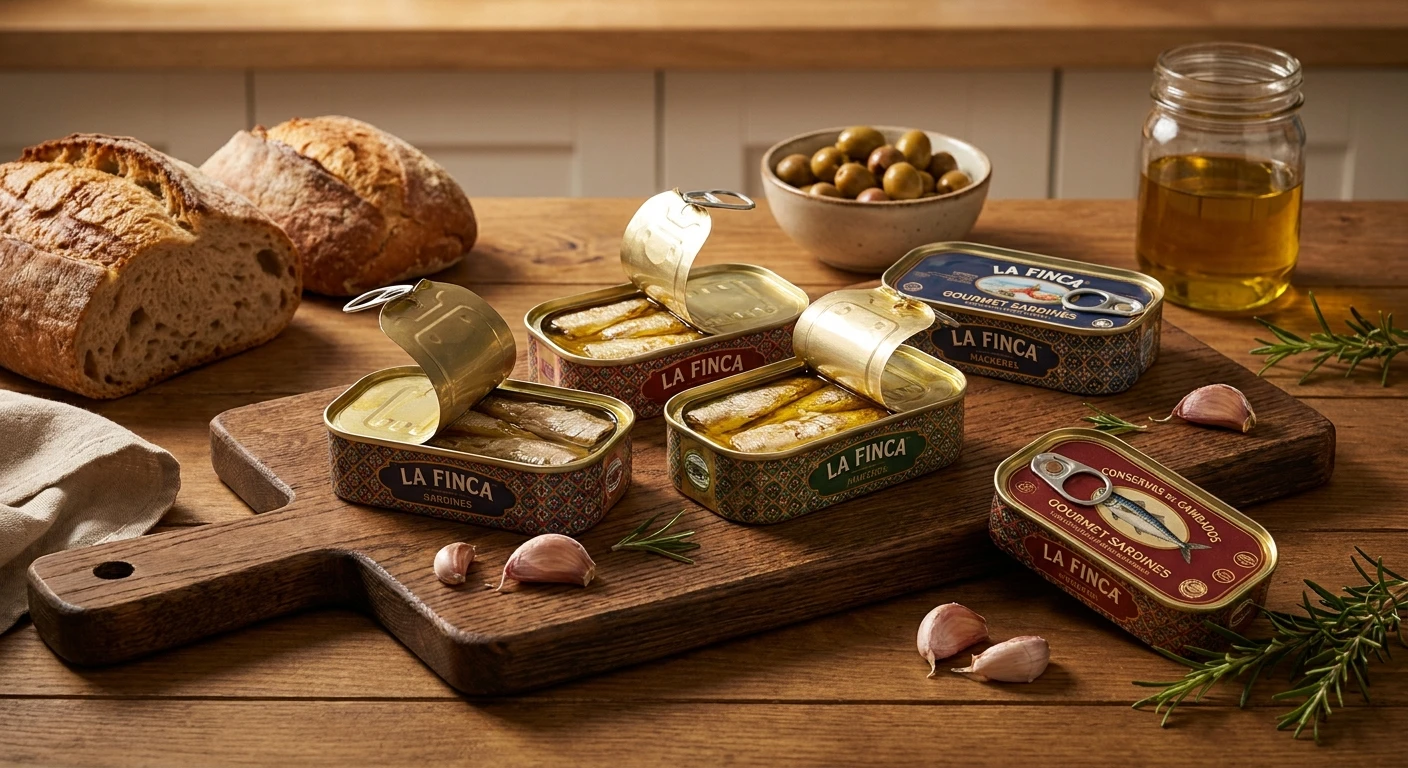
Choosing the Best anchovies walmart Has in Stock
Listen, if you are staring blankly at the canned seafood aisle trying to figure out which anchovies walmart carries are actually worth your hard-earned cash, you definitely aren’t the only one. Finding that perfect umami bomb doesn’t have to be a frustrating guessing game; you just need to know exactly which brands deliver the right saltiness, texture, and flavor profile. Growing up in Ukraine, we took cured and salted fish incredibly seriously. A good sprat or perfectly salted herring was a staple at every family table, setting a ridiculously high bar for preserved seafood. When I started navigating North American supermarkets, finding a proper, deeply savory substitute became my personal mission.
I literally tested almost every single tin sitting on those massive shelves. Let me tell you from firsthand experience, grabbing the wrong tin can completely ruin a good Caesar salad or a classic Friday night homemade pizza. You need a reliable, high-quality source of that rich, briny flavor that enhances a dish rather than overpowering it with cheap, fishy aftertastes. Now that we are navigating the food trends of 2026, grocery store selections have expanded massively. This breakdown shows you exactly what to look out for, which brands to grab, and how to make the most of those little salty fillets sitting right there in your local store.
Finding quality ingredients at a big box retailer requires a bit of strategy. The main issue most folks run into is buying something too mushy, too salty, or packed in cheap oil that tastes rancid. When you pick up a tin, you are looking for structural integrity in the fish and a packing medium that actually complements the flavor. The better brands preserve the fish whole, keeping them firm so they melt beautifully into sauces when cooked, rather than turning into grain-like sludge before they even hit the pan. Let’s look at the actual value proposition here. You can spend two dollars on a generic tin, or three and a half dollars on a premium imported Italian brand. The extra dollar and a half buys you superior olive oil, cleaner fillets, and an infinitely better culinary experience. For example, brands like Cento offer consistently firm fillets that hold up well on top of a pizza, whereas King Oscar brings a delicate, slightly milder flavor that works beautifully mashed into a vinaigrette.
| Brand at Store | Packing Medium | Best Culinary Use |
|---|---|---|
| Cento Flat Fillets | Pure Olive Oil | Classic Caesar Dressing, Pasta Sauces |
| King Oscar | Extra Virgin Olive Oil | Direct snacking on toast, Tapas |
| Reese Anchovy Paste | Oil Blend (Tube) | Quick marinades, Soups, Stews |
So, how do you actually pick the right one? Follow these straightforward guidelines:
- Check the Oil Quality: Always look for fillets packed in olive oil rather than soybean or cottonseed oil. Olive oil acts as a natural preservative that marries well with the savory flavors, while seed oils tend to go rancid quickly and mask the delicate taste.
- Inspect the Packaging Format: Rolled fillets often contain capers, which is great for a quick snack, but flat fillets are much more versatile for general cooking. If you only need a tiny bit for flavor bases, consider buying the paste in a tube instead of a tin.
- Look at the Expiration and Origin: Fish sourced from the Mediterranean, specifically near Italy or Spain, generally undergo strict traditional curing processes. Check the date to ensure you aren’t buying old stock, as the fish continues to soften the longer it sits in the tin.
The Origins of Canned Fish
Let’s talk about where this whole fish-in-a-tin concept actually started. People have been preserving small, oily fish for thousands of years. The ancient Romans absolutely loved fermented fish; they made a pungent sauce called garum that was practically the ketchup of the ancient world. They relied on salt and time to break down the proteins, creating a liquid rich in deep, savory flavors. The process of salting small fish allowed ancient civilizations to transport vital proteins and fats inland without everything spoiling under the hot Mediterranean sun. The salt acts as a barrier to bacteria, drawing out moisture and fundamentally altering the cellular structure of the meat. This ancient preservation technique laid the groundwork for everything we see in the canned seafood aisle today.
Evolution of Retail Seafood
Fast forward a few centuries, and the industrial revolution changed the game. Canning technology, originally developed to feed vast armies, made it possible to seal foods in airtight containers. Suddenly, fish wasn’t just packed in barrels of dry salt; it was submerged in oil and sealed in tin. This kept the fillets moist and extended their shelf life infinitely. Over the decades, what started as a cheap source of protein for soldiers and working-class families slowly evolved. Mid-century chefs began incorporating these salty little fillets into high-end restaurant dishes. The preservation methods got refined, and brands started competing on the quality of the oil and the careful handling of the fish. It transitioned from purely survival food to a sought-after culinary ingredient.
Modern State of Supermarket Anchovies
Right now, as of 2026, the retail landscape for preserved seafood is experiencing an absolute renaissance. We aren’t just stuck with one dusty brand at the bottom shelf anymore. Supermarkets have recognized the massive demand for premium tinned fish—often called the “tinned fish girl” trend that took over social media. You can now walk into a massive retailer and find everything from spicy Spanish sardines to ultra-premium Sicilian anchovies. The modern consumer is incredibly educated. They want traceability, sustainable fishing practices, and authentic curing methods. As a result, the quality of what you can buy even at big box stores has drastically improved. The modern tin is a testament to centuries of culinary tradition packed into a highly convenient, affordable format that fits right in your pantry.
The Chemistry of Umami
Let’s get a bit technical, but keep it incredibly simple. Why do these little fish taste so incredibly good? It all comes down to a specific chemical compound called glutamate. Think of glutamates as the absolute volume knob for flavor in your food. When fish undergoes the traditional curing process—which usually takes several months in barrels of salt—enzymes break down the proteins. This breakdown releases high levels of free glutamates. When free glutamates hit the receptors on your tongue, your brain registers the “umami” flavor. It’s the exact same chemical reaction that makes aged parmesan cheese, ripe tomatoes, and soy sauce taste so deeply satisfying. You aren’t just tasting salt; you are tasting complex amino acids communicating with your taste buds.
Preservation and Curing Techniques
The manufacturing process isn’t just about throwing fish in a can. It is a highly controlled scientific procedure designed to prevent spoilage while maximizing taste. First, the fish are caught, immediately chilled, and then headed and gutted. They are heavily salted and pressed down with weights. This pressure and salt combination draws out moisture and stops bacterial growth dead in its tracks. After the curing phase, they are washed, filleted, and submerged in a protective layer of oil. This oil layer acts as a permanent oxygen barrier, preventing lipid oxidation—the chemical reaction that causes fat to taste rancid.
- Enzymatic Hydrolysis: Natural enzymes in the fish break down complex muscle proteins into simple, highly flavorful amino acids during the salt-curing phase.
- Osmotic Dehydration: The heavy salt environment forces water out of the fish’s cells, lowering the water activity level so dangerous pathogens simply cannot survive.
- Lipid Oxidation Prevention: Sealing the cured fillets in high-quality olive oil cuts off the oxygen supply, protecting the delicate omega-3 fatty acids from turning rancid over time.
- Maillard-Adjacent Complexity: While not cooked with heat, the long enzymatic breakdown mimics the flavor complexity usually only achieved by browning meats.
Day 1: The Classic Caesar
Kick off your week with the undisputed king of salads. Mash three fillets in a large wooden bowl with a clove of garlic, a pinch of salt, and a splash of lemon juice until it forms a paste. Whisk in egg yolks, a dash of Dijon mustard, and slowly drizzle in olive oil until emulsified. Toss with crisp romaine lettuce and homemade croutons. The fish dissolves completely, leaving behind nothing but a rich, savory backbone that makes the dressing totally irresistible.
Day 2: Pasta Puttanesca
This is the ultimate quick pantry dinner. Heat up a generous glug of olive oil in a skillet, toss in minced garlic, a pinch of red pepper flakes, and four fillets. Push them around with a wooden spoon until they melt into the oil. Add crushed tomatoes, kalamata olives, and capers. Simmer for fifteen minutes and toss with freshly boiled spaghetti. It is fiercely flavorful, intensely savory, and takes literally twenty minutes from start to finish.
Day 3: Umami Butter Toast
Keep it ridiculously simple for lunch. Take a stick of high-quality, room-temperature butter and mash it thoroughly with two finely chopped fillets and a bit of fresh parsley. Toast a thick slice of sourdough bread until it is deeply golden and crunchy. Spread the savory compound butter generously over the warm bread. The heat melts the butter into the nooks and crannies, delivering a massive punch of flavor with every single bite.
Day 4: Homemade Pizza Margherita Extra
Pizza night just got a serious upgrade. Stretch out your favorite pizza dough, apply a thin layer of crushed San Marzano tomatoes, and scatter torn fresh mozzarella across the surface. Before sliding it into a screaming hot oven, drape five or six whole fillets evenly across the pie. As the pizza bakes, the oils from the fish release into the melting cheese, creating pockets of intense, salty perfection.
Day 5: Tapenade Snack
If you have friends coming over, make a rapid tapenade. Throw a cup of pitted black olives, a tablespoon of capers, a clove of garlic, a squeeze of lemon juice, and three fillets into a food processor. Pulse it until it forms a chunky paste, streaming in olive oil to bring it together. Serve this salty, briny spread with crisp crackers, cucumber slices, or toasted baguette rounds. It pairs exceptionally well with a cold beverage.
Day 6: Savory Vinaigrette
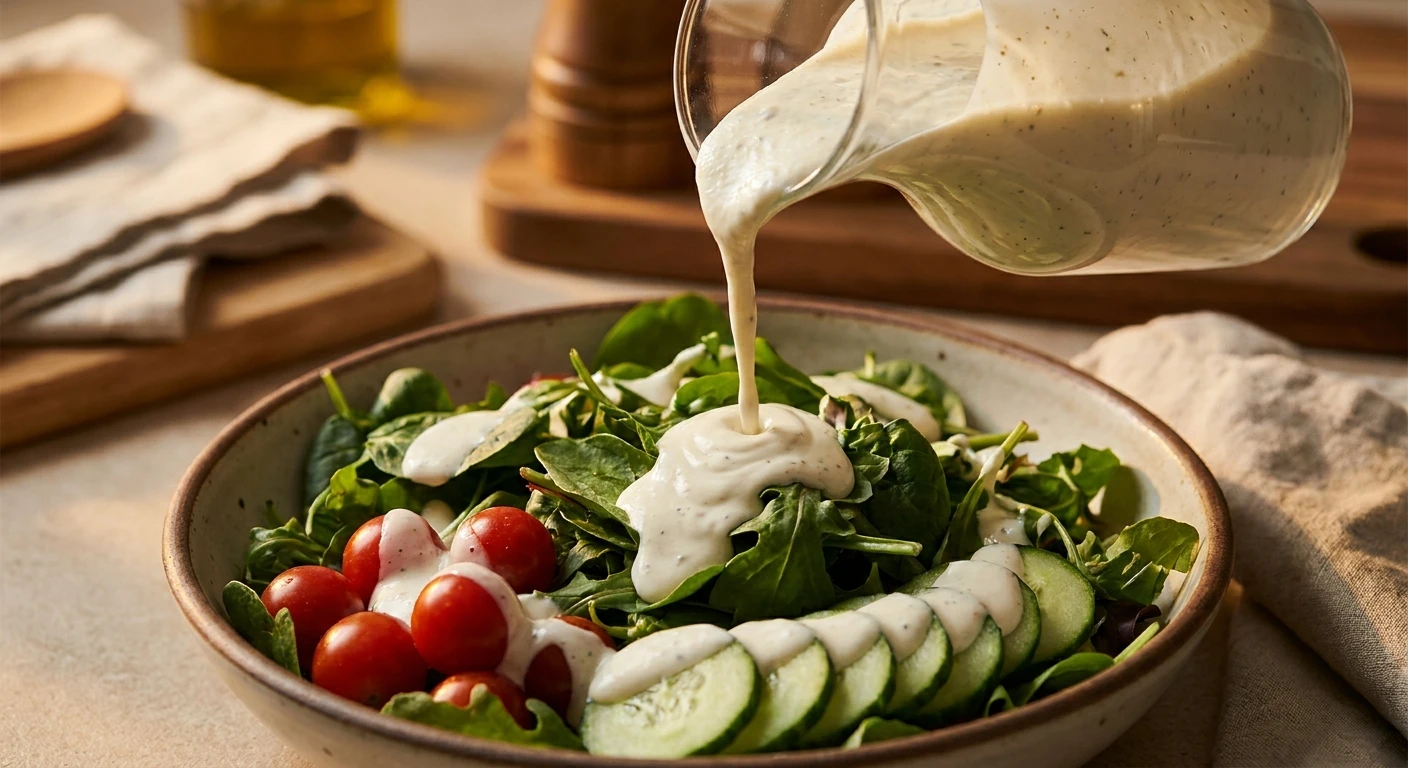
Upgrade your standard side salad. Finely mince one fillet until it is basically a paste. Whisk it vigorously with red wine vinegar, a touch of honey, Dijon mustard, finely diced shallots, and extra virgin olive oil. The minced fish acts as a natural emulsifier and flavor enhancer, making a simple bowl of mixed greens taste like it came straight out of a high-end bistro.
Day 7: Spanish Tapas Night
End the week by celebrating the ingredients in their purest form. Drain a tin of the highest quality fillets you bought. Lay them beautifully on a small ceramic plate. Drizzle them lightly with a touch of fresh extra virgin olive oil, a splash of sherry vinegar, and a sprinkle of chopped parsley. Serve alongside roasted red peppers, Marcona almonds, and crusty bread. Simple, elegant, and absolutely delicious.
Myth: Anchovies are strictly for putting on pizza and nothing else.
Reality: While they are famous as a pizza topping, they are actually a foundational ingredient in countless sauces, dressings, and stews. They act as a hidden flavor enhancer that melts away, leaving savory depth without a fishy taste.
Myth: They taste overwhelmingly like rotting fish.
Reality: High-quality tins pack a savory, salty, and meaty flavor. If your tin tastes deeply unpleasant or intensely metallic, the oil has likely gone rancid or the fish was poor quality to begin with.
Myth: You have to wash them before you eat or cook with them.
Reality: You absolutely do not need to wash oil-packed fillets. You can pat them dry with a paper towel if you want to reduce the oil, but rinsing them under water destroys their delicate texture and washes away the flavor.
Myth: The hairy bits inside mean the fish has gone bad.
Reality: Those tiny hair-like structures are just the ultra-fine bones of the small fish. They are completely softened by the curing process and are entirely safe and unnoticeable to eat.
Are anchovies in water good?
Generally, no. Water-packed tins tend to be mushy and lack the flavor preservation that oil provides. Always opt for olive oil.
How long do opened tins last?
Once you open the tin, transfer any leftovers to a small glass jar, make sure they are fully submerged in oil, and keep them in the fridge for up to a week.
What exactly is anchovy paste?
It is simply cured fillets that have been pureed into a smooth, thick paste, usually blended with a bit of salt and oil, packaged in a convenient squeeze tube.
Can I freeze canned seafood?
It is highly discouraged. Freezing ruins the delicate cellular structure of the fish, turning them into absolute mush when thawed.
Are they healthy to eat?
Yes, they are packed with heart-healthy omega-3 fatty acids, protein, calcium, and essential vitamins, though you should watch your sodium intake since they are heavily salted.
Do they melt when cooked?
Yes, when gently heated in oil or butter, good quality cured fillets will completely dissolve into a liquid flavor base.
Should I buy whole salted ones or fillets?
Whole salted ones offer incredible flavor but require soaking and filleting at home. Fillets in oil are much more convenient for everyday cooking.
How do I stop them from tasting too salty?
If you find them too intense, you can soak the fillets in milk for about ten to fifteen minutes before using them to draw out excess salt.
Navigating the seafood aisle doesn’t have to be intimidating. By knowing exactly what to look for, you can easily grab the very best umami-packed ingredients your local store has to offer. Whether you are crafting a masterful Caesar salad, building a quick weeknight pasta, or just eating them straight on crusty sourdough bread, these little fillets are a powerhouse of flavor. So next time you are shopping, grab a quality tin, experiment with the recipes we laid out, and take your home cooking to an entirely new level. Don’t be afraid of the salt—embrace the massive flavor boost!
Leave a Reply