

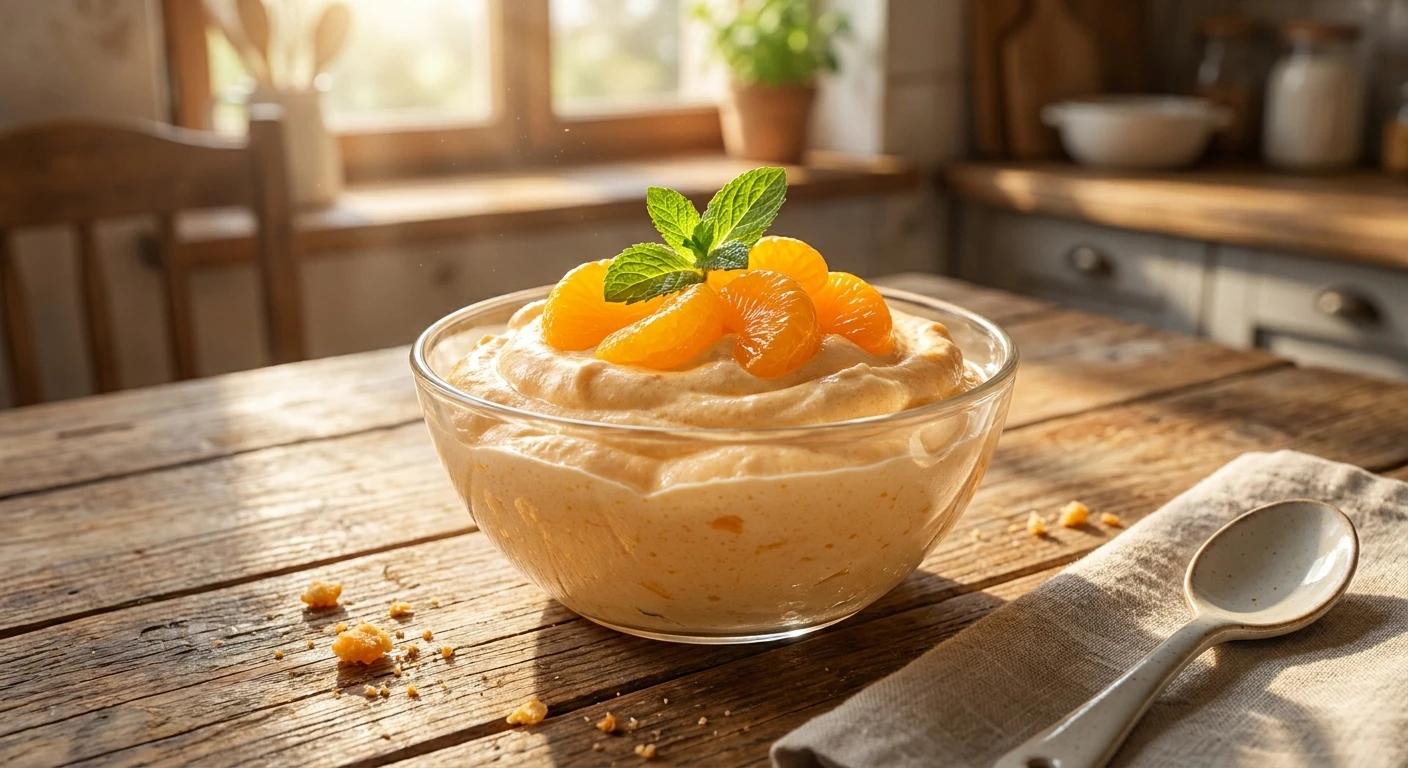
The Best Orange Fluff with Greek Yogurt Recipe
Making a refreshing batch of orange fluff with greek yogurt is the absolute easiest way to satisfy your sweet tooth without compromising on your nutritional goals. You know those classic nostalgic desserts that always show up at community gatherings or holiday dinners? The ones typically loaded with heavy whipping cream, marshmallows, and loads of refined sugars? Well, food enthusiasts are completely flipping the script on those old-school recipes. By swapping out the traditional heavy dairy base for something much more macro-friendly, you get all the vibrant, zesty flavor of a citrus dessert but with a massive protein boost that actually keeps you full.
This creamy dessert is perfect for those hot afternoons when you need something cold, sweet, and satisfying, but you want to avoid a heavy sugar crash afterward. The combination of tangy citrus and rich, thick strained dairy creates a texture that is light as air, yet surprisingly filling. Whether you are meal-prepping afternoon snacks for the week or looking for a quick dessert to bring to a neighborhood potluck, this modernized treat checks all the boxes. It takes practically zero advanced culinary skills, requires absolutely no baking, and sets up beautifully in the fridge. It is time to rethink everything you know about retro fruit salads and embrace a smarter, healthier way to enjoy dessert.
Read also: Ultimate Homemade Orange Pie Recipe and Tips; The Best carrot salad with vinegar and sugar.
Why This Dessert Swap Works So Well
Let us talk about why upgrading your dessert game is such a smart move. The traditional fluff salad relies heavily on processed ingredients to achieve its signature airy texture. By introducing a high-protein base, you not only improve the nutritional profile but also enhance the tangy flavor profile that pairs so perfectly with sweet citrus. This is a brilliant way to add volume to your food without adding empty calories.
| Feature | Traditional Fluff | Greek Yogurt Version | Dairy-Free Alternative |
|---|---|---|---|
| Primary Base | Heavy Whipped Cream | Strained High-Protein Yogurt | Whipped Coconut Cream |
| Sweetener Source | Corn Syrup & Marshmallows | Natural Honey or Maple | Agave Nectar |
| Protein Content | Very Low (under 2g) | High (approx 15g per serving) | Low (under 2g) |
| Preparation Time | 15 Minutes | 5 to 10 Minutes | 15 Minutes |
The real value of this recipe lies entirely in its incredible versatility. First, you can easily use it as a highly effective post-workout snack because of the impressive protein content provided by the yogurt base, aiding in muscle recovery while feeling like a cheat meal. Second, it works brilliantly as a breakfast parfait base; simply layer the fluffy citrus mixture with crunchy granola and fresh berries for an energizing start to your day.
To get started, here are the core steps to build your bowl:
- Prep your protein base by vigorously whisking it to introduce some initial air.
- Incorporate the citrus elements and any natural sweeteners to balance the tartness.
- Fold the ingredients gently using a silicone spatula to keep the airy texture intact.
- Chill the mixture thoroughly in the refrigerator to allow the flavors to meld and the structure to firm up.
Depending on your texture preferences, there are a few ways to approach the recipe. Some culinary creators on social media suggest that you just mix together the Greek yogurt, orange juice, and honey for a super quick, slightly softer variation that works great as a dip. On the other hand, traditionalists often prefer utilizing an orange gelatin mix and canned mandarin oranges folded into the base to get that bouncy, firm texture that holds its shape beautifully on a spoon.
Origins of Fluff Desserts
The concept of the fluff dessert traces its roots back to the post-war culinary boom in the United States, specifically during the 1950s and 1960s. During this era, corporate food marketing aggressively pushed convenience foods, particularly boxed gelatin, into every household kitchen. The idea was to create dishes that looked incredibly impressive and colorful but required minimal actual cooking. Housewives began mixing flavored gelatin with canned fruits, marshmallows, and eventually, commercially produced whipped toppings. These ingredients were cheap, shelf-stable, and could be molded into intricate shapes, making them the ultimate status symbol of a modern, convenient kitchen.
The Evolution of Potluck Classics
As the decades shifted into the 1970s and 1980s, the rigid, structured gelatin molds slowly gave way to softer, spoonable “salads.” This is where the true fluff texture was born. Instead of relying purely on gelatin to set the dish into a hard block, cooks began folding massive amounts of whipped cream or non-dairy whipped topping into the mixture just before it fully set. This created a light, mousse-like consistency that was incredibly popular at church potlucks, family picnics, and holiday spreads. It blurred the line entirely between a side dish salad and a dessert, becoming a staple comfort food across North America.
The Modern State of Healthy Makeovers
Today, culinary trends have shifted dramatically toward macro-tracking, whole foods, and functional eating. Modern home cooks still crave the nostalgic comfort of those airy, sweet potluck dishes, but they want them to align with a more balanced lifestyle. This demand gave rise to the protein-packed dessert trend. By substituting the heavy creams and sugary marshmallow fluff with strained, high-protein dairy products, cooks have successfully resurrected the classic dessert. The modern iteration maintains the beloved vibrant color and sweet-tart flavor profile, but transforms a once calorie-dense treat into a genuinely nutritious snack that supports physical health and sustained energy.
The Chemistry of Gelatin and Dairy
Creating that perfect airy texture is an interesting exercise in basic food science. When you mix dairy with setting agents or acidic fruits, several chemical reactions occur simultaneously. If you are using a gelatin mix to firm up your dessert, you are relying on denatured collagen proteins. When dissolved in warm water and then cooled, these proteins form a microscopic three-dimensional matrix. As you fold in the thick dairy base, this matrix traps the fat and water molecules, alongside millions of tiny air bubbles introduced during the mixing process. This structural web is exactly what prevents the dessert from collapsing into a liquid puddle when served at room temperature.
Why Greek Yogurt Thickens the Mix
The choice of base ingredient is scientifically crucial to the success of this recipe. Standard yogurt contains a high amount of liquid whey, which can cause weeping (scientifically known as syneresis) when mixed with acidic fruit juices. Strained yogurt, however, has had the majority of this liquid whey mechanically removed. What remains is a densely packed concentration of casein proteins. These casein proteins are highly effective at absorbing and holding onto added flavors without losing their structural integrity.
- Acid-Base Interaction: The citric acid from the oranges slightly lowers the pH of the dairy, which causes the casein proteins to tighten their bonds, naturally thickening the dessert further without needing artificial stabilizers.
- Air Retention: The high protein density provides a stable structure that can trap and hold air bubbles much more effectively than water-heavy alternatives.
- Temperature Sensitivity: The fats and proteins in the strained dairy solidify slightly when chilled, contributing to the firm, mousse-like mouthfeel that mimics heavy cream.
- Flavor Masking: The naturally occurring lactic acid in the dairy perfectly balances the sharp sweetness of the citrus, preventing the dessert from tasting cloying or overly sugary.
Step 1: Choosing Your Yogurt
The foundation of your dessert dictates the final result. For the best texture, always select a full-fat or 2% fat plain strained yogurt. Non-fat versions often contain added commercial stabilizers and lack the rich mouthfeel necessary to mimic a traditional dessert. If you prefer a sweeter base without adding extra honey, a high-quality vanilla bean yogurt works exceptionally well, though you should monitor the added sugar content on the nutrition label.
Step 2: Selecting the Citrus
You have options when it comes to the fruit component. Freshly squeezed juice provides a bright, unmatched acidity, while a sugar-free boxed gelatin mix offers stability and intense color. If you want actual fruit pieces in every bite, canned mandarin oranges are the classic choice. Make sure to drain them thoroughly; excess syrup or water will ruin the thick consistency you are trying to achieve.
Step 3: Mixing the Base Ingredients
In a large glass or metal mixing bowl, combine your thick dairy base with your chosen natural sweetener, such as honey, agave, or pure maple syrup. Add a splash of pure vanilla extract to enhance the perceived sweetness. Whisk this mixture vigorously for about two minutes. This manual aeration is critical for achieving a light mouthfeel before you add the heavier or firmer ingredients.
Step 4: Preparing the Binding Agent
If you are utilizing a gelatin mix for extra firmness, prepare it in a separate bowl according to the package instructions, but use slightly less cold water than recommended to ensure a firmer set. Allow the liquid mixture to cool to room temperature. Never pour hot liquid directly into cold dairy, as the extreme temperature shock will cause the proteins to curdle and create a highly unpleasant grainy texture.
Step 5: Folding in the Fluff Element
Once your binding agent is cooled, slowly pour it into the dairy base while stirring continuously. Next, add your drained mandarin orange segments. Use a flexible silicone spatula to gently fold the mixture. Do not stir aggressively. You want to lift the mixture from the bottom of the bowl and fold it over the fruit, preserving the tiny air bubbles you created during the initial whisking stage.
Step 6: Chilling for Optimal Texture
Cover your mixing bowl tightly with plastic wrap to prevent the dairy from absorbing any ambient odors from your refrigerator. Chill the mixture for a minimum of two hours, though four hours is ideal for a perfectly firm set. During this resting period, the proteins relax, the flavors meld together, and the binding agents create that satisfying, spoonable structure.
Step 7: Garnishing and Serving
Presentation elevates a simple snack into a proper dessert. Just before serving, portion the chilled mixture into individual glass cups to showcase the vibrant color. Garnish the top of each serving with a few reserved mandarin segments, a sprinkle of toasted shredded coconut for textural contrast, and a fresh sprig of mint for a pop of green color.
Myths and Realities of Modern Desserts
Myth: You absolutely need artificial whipped topping in a tub for true fluff.
Reality: Thick strained dairy, when whisked properly, holds enough air to create an incredibly similar mousse-like texture without the hydrogenated oils found in commercial whipped toppings.
Myth: Greek yogurt makes citrus desserts taste entirely too sour.
Reality: When balanced correctly with a natural sweetener like honey or a touch of vanilla extract, the tartness of the dairy actually enhances the bright, sweet notes of the fruit rather than overpowering it.
Myth: Fresh citrus will instantly curdle the dairy base.
Reality: While high heat and high acid can cause curdling, mixing cold fruit juice into cold, high-fat dairy is a stable process that naturally thickens the mixture safely.
Myth: This dessert takes hours of active labor to prepare.
Reality: The active hands-on preparation time is less than ten minutes; the rest of the time is completely passive chilling in the refrigerator.
Myth: You cannot freeze yogurt-based treats.
Reality: While freezing alters the fluffy texture slightly, freezing this mixture in popsicle molds creates a fantastic, creamy frozen treat for hot days.
Can I freeze this dessert?
Yes, but with a caveat. Freezing the mixture will change the texture from a fluffy mousse to a solid, ice-cream-like consistency. If you want to eat it fluffy, keep it in the fridge. If you want a frozen treat, portion it into molds before freezing.
How long does it last in the fridge?
When stored in a genuinely airtight container, this treat will maintain its optimal texture and flavor for up to three days. After the third day, you may notice some slight liquid separation at the bottom of the bowl, which is natural.
Is it possible to use sugar-free gelatin?
Absolutely. Sugar-free boxed mixes work perfectly in this application and are highly recommended if you are strictly tracking your carbohydrate intake or managing blood sugar levels. The setting properties remain exactly the same.
Can I use fresh oranges instead of canned?
You can use fresh citrus, but you must meticulously remove the tough inner membranes of the fruit segments (creating suprèmes). The membranes can add a bitter flavor and a chewy, unpleasant texture to the smooth dessert.
Does plain or vanilla yogurt work better?
Vanilla flavored bases offer a fantastic shortcut because they are already sweetened and flavored, cutting down your ingredient list. However, plain versions allow you total control over the type and amount of sweetener you add.
Is this safe for a gluten-free diet?
Yes, all the core components—the dairy, the fruit, the honey, and standard gelatin—are naturally free of gluten. Always double-check the labels on boxed mixes just to be absolutely certain of cross-contamination.
Can I substitute the honey with stevia?
Yes, liquid stevia or monk fruit drops blend beautifully into the dairy base without altering the liquid ratios significantly. Granulated sweeteners can also be used, but ensure they are fully dissolved during the whisking phase.
What is the best way to prevent the mixture from becoming watery?
The secret is moisture control. Drain your canned fruit on paper towels before adding them, and ensure you are using a high-quality strained dairy product. Any excess water introduced will ruin the structural integrity.
Now that you know exactly how to master the orange fluff with greek yogurt, it is time to head to the kitchen. This vibrant, protein-packed bowl of citrus joy proves that you do not have to choose between your health goals and a deeply satisfying sweet treat. Grab your mixing bowl, whisk up a batch today, and experience the ultimate modern makeover of a timeless classic!



Leave a Reply