

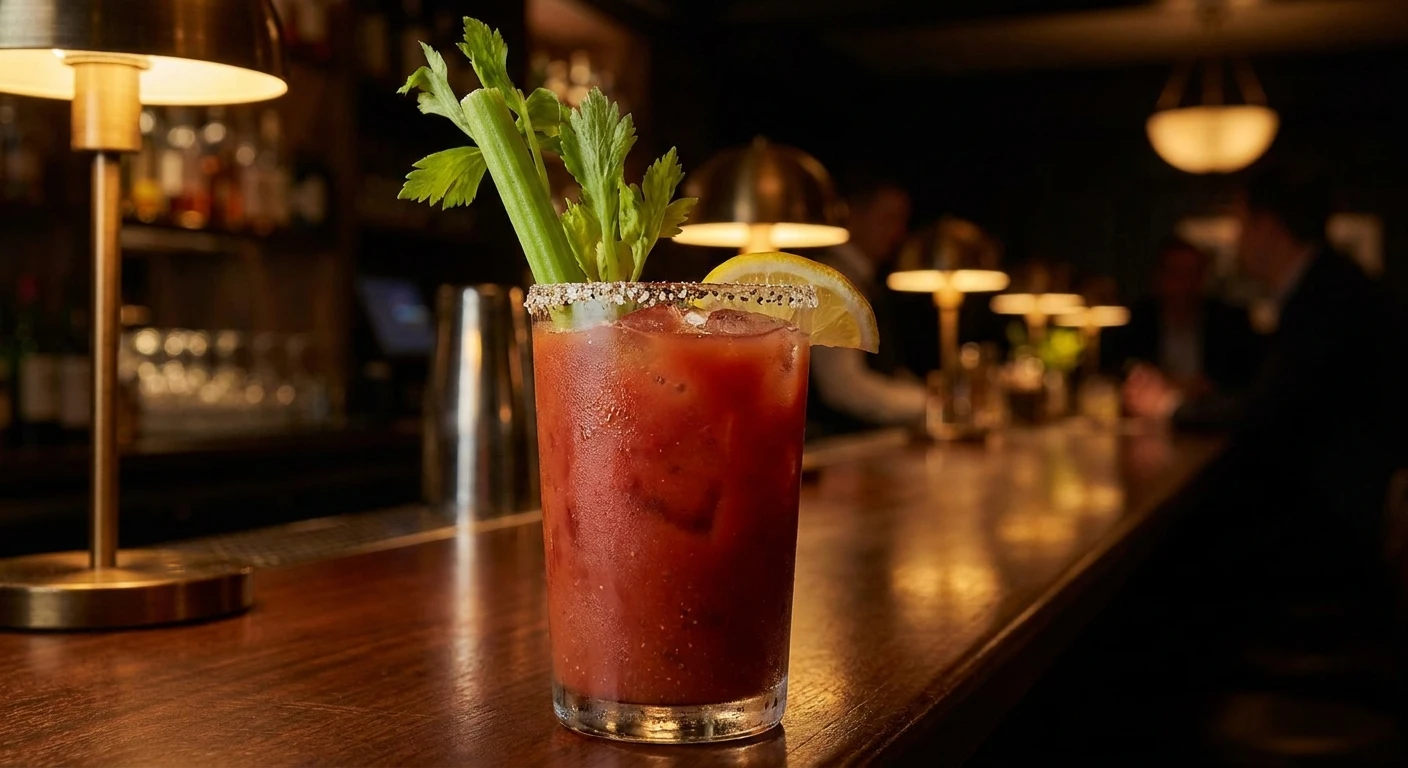
How Many Calories in a Caesar Drink: Unpacking the Classic Savory Cocktail
You are probably wondering exactly how many calories in a Caesar drink if you are actively tracking your macros but still want to enjoy a savory weekend brunch with friends. This iconic, spicy, tomato-clam-infused cocktail is an absolute staple at daytime gatherings and patio sessions, bringing together the perfect, harmonious blend of heat, deep umami, and refreshing crispness. But beneath the crunchy celery stick and the heavily seasoned rim, there is a very specific caloric breakdown that every mindful drinker should understand before ordering a second or third round. The standard, traditional recipe features a careful, delicate balance of plain vodka, clam-tomato juice, fiery hot sauce, savory Worcestershire sauce, and various garnishes, with each distinct component contributing heavily to the final energy count. Understanding the complete macronutrient and caloric profile of this beverage allows you to enjoy it completely guilt-free without suddenly disrupting your long-term dietary goals. By meticulously breaking down the individual ingredients, you get a highly accurate picture of exactly where the energy density comes from and precisely how to modify the drink to suit your specific, health-conscious lifestyle. Whether you prefer a clean, minimalist approach with just a simple lime wedge or a fully loaded glass topped with elaborate, heavy snacks, knowing the baseline nutritional facts is absolutely essential for responsible, informed, and perfectly balanced consumption.
Breaking Down the Detailed Nutritional Profile
The core calculation requires looking closely at each ingredient individually to get an incredibly accurate total sum. A standard, basic preparation usually hovers right around 150 to 180 kilocalories, but this specific number shifts rapidly once you start customizing your order at a restaurant, pub, or lively cocktail bar. The absolute largest contributor to the energy density is the alcohol itself, followed closely by the sweet and savory tomato-clam base juice. Here is a clear, detailed breakdown of the standard components you will typically find in a perfectly poured serving.
Read also: The Ultimate Crispy Bol Egg Roll Recipe; Truth About Butter Tart Calories: What to Know.
| Cocktail Component | Standard Serving Size | Estimated Caloric Value |
|---|---|---|
| Standard Vodka (40% ABV) | 1.5 ounces (45 ml) | 96 kcal |
| Tomato-Clam Juice Mix | 6 ounces (175 ml) | 45 kcal |
| Worcestershire & Hot Sauce | 3 to 4 dashes | 5 kcal |
| Celery Salt Spice Rim | 1 teaspoon | 5 kcal |
| Celery Stalk & Lime Wedge | Standard garnish | 10 kcal |
You can clearly see from the data that the base elements are relatively light on their own. However, the total count can skyrocket rapidly based on three primary factors when you are out enjoying the weekend at a busy bar:
- The absolute volume and the proof of the alcohol poured generously into the glass. Ordering a double shot immediately adds nearly 100 extra kilocalories to your tally, drastically changing the nutritional profile of the beverage.
- The massive selection of garnishes stacked precariously on top. While a simple, crisp celery stick adds negligible energy, popular modern additions like thick bacon strips, spicy pepperoni sticks, heavy cheese cubes, or even miniature beef sliders can add anywhere from 50 to 400 additional kilocalories.
- The specific brand or commercial formulation of the juice mix used by the bartender. Some commercially pre-mixed, heavily processed varieties contain drastically higher amounts of high-fructose corn syrup or refined sugar to chemically balance the acidity, driving up the carbohydrate content significantly.
Understanding this highly modular, buildable nature provides an incredibly strong value proposition for the mindful consumer. For a prime example, if you consciously opt for a virgin version and omit the vodka completely, you instantly reduce the carbon footprint by nearly 100 kilocalories, making it a very light, incredibly savory refreshment perfect for a hot summer afternoon. Conversely, if you eagerly order a massive meal-in-a-glass version at a trendy brunch restaurant, knowing that the heavy meat and cheese garnishes act essentially as a full appetizer helps you expertly adjust your main food order accordingly, keeping your overall daily intake perfectly balanced.
Origins of the Famous Caesar
To truly appreciate what goes into your glass and understand why the nutritional profile is structured the exact way it is, it helps immensely to look back at how this savory masterpiece originally came to be. Invented in 1969 in the bustling city of Calgary, Alberta, the cocktail was the brilliant, creative brainchild of a clever, innovative restaurant manager named Walter Chell. He was officially tasked with creating a highly unique signature drink for a brand new, highly anticipated Italian restaurant called Marco’s. To achieve this, he drew his primary culinary inspiration directly from the classic Italian dish spaghetti alle vongole, which features a prominent, delicious mix of fresh tomatoes and clams. After several long months of manually mashing raw clams and meticulously mixing them with fresh tomato juice, robust spices, and clear vodka, he finally perfected the foundational recipe that we widely recognize today. This fascinating origin story perfectly explains why the underlying flavor profile is so deeply rooted in heavy culinary traditions rather than typical, sweet mixology, making it taste far more like food than a standard drink.
Evolution of the Savory Cocktail
Over the subsequent decades, the complex drink naturally evolved from a niche, localized restaurant specialty into an absolute, undeniable cultural phenomenon. The widespread commercialization of pre-mixed, bottled clam and tomato juices in the late 1970s made it incredibly easy for amateur home bartenders and local neighborhood pubs to rapidly replicate Chell’s incredibly complex flavor profile without having to manually mash fresh shellfish every single day. As the popular cocktail spread rapidly across the entire continent, creative bartenders began enthusiastically experimenting with vastly different spice levels, routinely swapping out standard red hot sauces for intensely regional chili blends, and carefully adjusting the dark Worcestershire levels to create highly guarded, proprietary house blends. This rapid evolution permanently cemented its cultural status as a highly customizable, deeply beloved beverage.
Modern State of the Drink
Today, the savory cocktail is emphatically not just a simple, refreshing beverage; it essentially serves as a massive, towering culinary canvas for wildly ambitious bartenders aiming for viral fame. The modern state of the drink is heavily defined by the intense, highly competitive garnish wars, where trendy establishments aggressively compete to beautifully balance the most outrageous, calorie-dense food items on a single wooden skewer. From whole crispy fried chickens and massive onion rings to buttery lobster tails and fully loaded grilled cheese sandwiches, the modern, theatrical interpretation often violently blurs the distinct line between a light beverage and a heavy main course. While these extreme, over-the-top versions are undeniably fun for social media posts, they are the primary, underlying reason why carefully tracking the nutritional content has become so absolutely important for health-conscious consumers today.
The Science of Umami and Satiety
The core reason this specific beverage is so incredibly satisfying comes completely down to pure food science and the magical, almost hypnotic concept of umami. The rich tomato base is naturally incredibly high in free glutamate, an essential amino acid that immediately triggers the dedicated savory taste receptors located directly on your tongue. When this naturally occurring glutamate is expertly combined with the complex inosinate compounds found abundantly in the clam broth, it instantly creates a powerful, synergistic flavor explosion that is mathematically far more intense than the simple sum of its parts. This intense, overwhelming savory signaling actually effectively tricks your brain into firmly thinking you are actively consuming a high-protein, incredibly dense meal, which can rapidly trigger deep feelings of natural satiety and fullness, making it a uniquely satisfying, surprisingly filling choice compared to sugary, fruit-based cocktails.
Metabolic Impact of Tomato-Clam Mixes
Beyond the incredible taste, the highly specific combination of ingredients has a distinct, measurable metabolic impact on your entire body. The notoriously high sodium content found in the processed juice mix, combined powerfully with the naturally dehydrating effects of the ethanol, forcefully dictates how your body must process water and essential electrolytes differently than it would with a standard, simple vodka soda. Understanding the intricate biochemistry behind your delicious glass can actively help you properly mitigate any negative physical side effects.
- One single gram of pure ethanol contains exactly 7 kilocalories, explicitly meaning the alcohol provides incredibly dense energy with absolutely no beneficial, nutritional micronutrients.
- Lycopene, the highly beneficial organic compound that gives ripe tomatoes their bright, vibrant red color, is a very powerful antioxidant that actually becomes significantly more bioavailable when heavily processed into juice form.
- The extreme sodium levels found in most commercial cocktail mixes can easily cause temporary, highly noticeable water retention, which might briefly affect the number you see on your bathroom scale the morning immediately after brunch.
- Capsaicin, the active, fiery chemical compound derived directly from the hot sauce, naturally provides a very minor, temporary thermogenic effect, slightly increasing your resting metabolic rate for a short period, though definitely not enough to offset the alcohol calories.
Step 1: Measure Your Spirits Precisely
If you genuinely want to keep the total energy count perfectly managed and strictly controlled, your very first actionable step is to completely take control of the alcohol pour. Always use a proper, highly accurate metal jigger to meticulously measure your clear vodka rather than recklessly free-pouring directly from the heavy bottle into the glass. A standard, highly regulated 1.5-ounce pour contains exactly around 96 kilocalories, but a heavy, careless hand from a generous bartender can easily double that exact amount without you even realizing it.
Step 2: Choose a Light or Low-Sodium Mix
The heavy juice base is undeniably the second largest contributor to the overall caloric footprint. Step two directly involves carefully, intentionally selecting your preferred mix. Always actively look for diet, ultra-low-sodium, or entirely organic varieties when browsing at the busy grocery store. Some highly specialized boutique brands create drastically lighter, much more natural blends that significantly, profoundly reduce the massive amount of hidden processed sugars and excess dietary sodium, making for a much cleaner, far healthier refreshment.
Step 3: Rethink Your Rim Salt Portion
That incredibly delicious, heavily crusty spice rim is a massively iconic signature element, but it is also a massive, undeniable source of pure refined sodium and sneaky trace calories. For step three, strongly try rimming only exactly half of the large glass. This incredibly simple, highly effective trick still wonderfully gives you the intense savory flavor hit with absolutely every other sip but instantly cuts your total sodium and spice intake completely in half, effectively preventing excessive, uncomfortable water retention later in the day.
Step 4: Rely on Vegetable Garnishes
Step four is exactly where you will ultimately make the absolute biggest, most significant nutritional impact. Completely skip the incredibly heavy cured meats, dense oily cheeses, and heavily deep-fried pub snacks. Instead, aggressively rely heavily on fresh, wildly crunchy raw vegetable garnishes. Classic green celery stalks, highly acidic pickled spicy green beans, thin asparagus spears, and fresh cucumber slices add incredible, satisfying texture, vital essential micronutrients, and a satisfying loud crunch for virtually zero caloric penalty.
Step 5: Adjust the Spice Without Adding Sugar
Many popular commercial hot sauces and sticky barbecue glazes routinely used to heavily flavor modern, trendy variations are secretly, heavily packed with highly refined liquid sugar. Step five strictly dictates that you must strictly use entirely pure, naturally vinegar-based hot sauces or dry, natural crushed chili flakes to expertly bring the intense heat. You successfully get all the intense, eye-watering fiery flavor you intensely crave without needlessly introducing highly unnecessary, simple carbohydrates directly into your elegant glass.
Step 6: Dilute With Plenty of Ice
Step six is an absolutely classic, highly guarded professional bartender trick for successfully pacing yourself. Always pack your tall glass absolutely completely full of hard, solid, beautifully clear ice cubes before eventually pouring in the savory liquid. The massive amount of ice not only perfectly keeps the complex beverage perfectly chilled and deeply refreshing, but it also naturally, slowly dilutes the thick mix over time, massively extending the total lifespan of your drink and effectively slowing down your overall rapid consumption rate.
Step 7: Hydrate Between Cocktails
The highly crucial final step in your actionable, healthy plan is absolutely vital for your body’s overall metabolism. For absolutely every single alcoholic cocktail you actively consume, strictly commit to drinking exactly one full, tall glass of completely plain, unflavored water. This strict one-to-one hydration ratio greatly helps completely flush out the massive excess sodium from the heavy clam-tomato juice, successfully keeps you properly, deeply hydrated against the drying alcohol, and naturally, physically prevents you from mindlessly ordering too many heavy rounds.
Myth: A Caesar is completely calorie-free because it is made of vegetables.
Reality: While fresh tomatoes and green celery are indeed highly healthy vegetables, the actual alcohol, the natural fruit sugars found in the heavily processed juice, and the various, complex savory seasonings heavily contribute highly measurable, very significant energy to the final tally that absolutely must be accounted for.
Myth: Vodka is just water and ethanol, so it does not count towards daily totals.
Reality: Pure ethanol is actually incredibly, highly calorie-dense, reliably providing roughly 7 kilocalories per single gram. A standard, properly measured shot of vodka predictably adds nearly 100 kilocalories to your overall daily intake, completely regardless of exactly how incredibly clear and visually pure it looks.
Myth: Clamato juice is packed with hidden, unhealthy fats.
Reality: The standard, widely available commercial tomato-clam juice mix is actually virtually entirely fat-free. The absolute real, pressing nutritional concerns with these heavily commercialized mixes are strictly the extraordinarily high sodium levels and the occasional, completely unnecessary presence of added refined sugars used for cheap flavor balancing.
Myth: Spicy drinks burn off the alcohol calories instantly.
Reality: While the highly potent capsaicin commonly found in pure hot sauce does definitively have a very mild, completely temporary thermogenic effect on the human body, it is absolutely nowhere near biologically powerful enough to mathematically, magically offset the dense, heavy calories reliably provided by the clear alcohol and the thick juice base.
Does a virgin Caesar have fewer calories?
Yes, absolutely. By completely, entirely removing the standard 1.5 ounces of clear vodka from the basic recipe, you instantly subtract roughly 96 kilocalories, drastically dropping the total count of a standard, simple serving down to a highly manageable 50 to 60 kilocalories strictly depending on the exact commercial mix used.
Are there carbohydrates in a Caesar?
Yes, there are absolutely carbohydrates present. The thick tomato-clam juice blend naturally, invariably contains simple sugars directly from the ripe tomatoes, and some commercial brands notoriously add extra, highly refined sweeteners. You should logically expect around 10 to 12 grams of total carbohydrates per standard serving.
How does a Caesar compare to a Bloody Mary?
Nutritionally, they are incredibly, highly similar. The primary, most notable difference is the heavy use of savory clam broth in the iconic Canadian version, which successfully adds a highly distinct, deeply satisfying umami flavor but absolutely does not significantly change the overall caloric or complex macronutrient profile compared to drinking straight tomato juice.
Does the celery salt rim add significant calories?
No, the heavily seasoned rim does not add highly significant energy. A standard, heavily applied celery salt and rich spice rim might conservatively add 5 kilocalories at the absolute most. However, it absolutely does definitively add a massive, undeniable amount of pure dietary sodium, which can rapidly lead to highly temporary bloating and uncomfortable water weight.
Are outrageous garnishes making my drink a meal?
Absolutely. If your beverage is heavily garnished with thick pepperoni, fatty bacon, greasy sliders, or deeply fried savory foods, you are essentially, undeniably consuming a highly dense, extremely high-calorie appetizer. Always strictly treat these heavily garnished, massive versions as a small meal rather than just a simple, highly refreshing beverage.
Can I use gin instead of vodka?
Yes, aggressively swapping out vodka for botanical gin is a highly popular, wildly delicious variation often famously called a Red Snapper. However, from a strictly, purely nutritional standpoint, standard gin and standard vodka reliably have virtually identical caloric values, so this clever flavor swap will absolutely not logically change your overall energy intake.
Is MSG in the juice base high in calories?
No. Pure monosodium glutamate (MSG), which naturally, organically occurs in the basic ingredients and is sometimes heavily added for extra, intense umami, biologically contributes absolutely zero significant calories. It simply, highly effectively enhances the deeply savory flavor profile of the complex beverage.
Does extra hot sauce add to the calorie count?
Generally, no. Pure, highly acidic vinegar-based hot sauces contain entirely negligible, extremely low calories. However, if you are actively using highly sweet chili sauces, syrupy sriracha, or thick barbecue-based heat sources, you will absolutely be unknowingly adding heavily hidden refined sugars and rapidly increasing the final count.
Summary and Next Steps
Now that you completely know exactly the detailed nutritional profile and deeply understand the complex food science behind absolutely every savory sip, you can confidently, happily enjoy your next highly anticipated savory brunch completely guilt-free. By strictly managing your alcohol pours, intelligently selecting drastically lighter juice bases, and firmly prioritizing highly crunchy, incredibly fresh vegetable garnishes completely over heavy, fatty meats, you can incredibly easily fit this highly beloved, totally classic cocktail safely into a highly balanced, perfectly healthy lifestyle. Be sure to excitedly share this highly comprehensive, incredibly useful guide directly with your enthusiastic brunch squad so absolutely everyone can confidently make significantly smarter, much more deeply informed choices at the busy bar this upcoming weekend!



Leave a Reply