

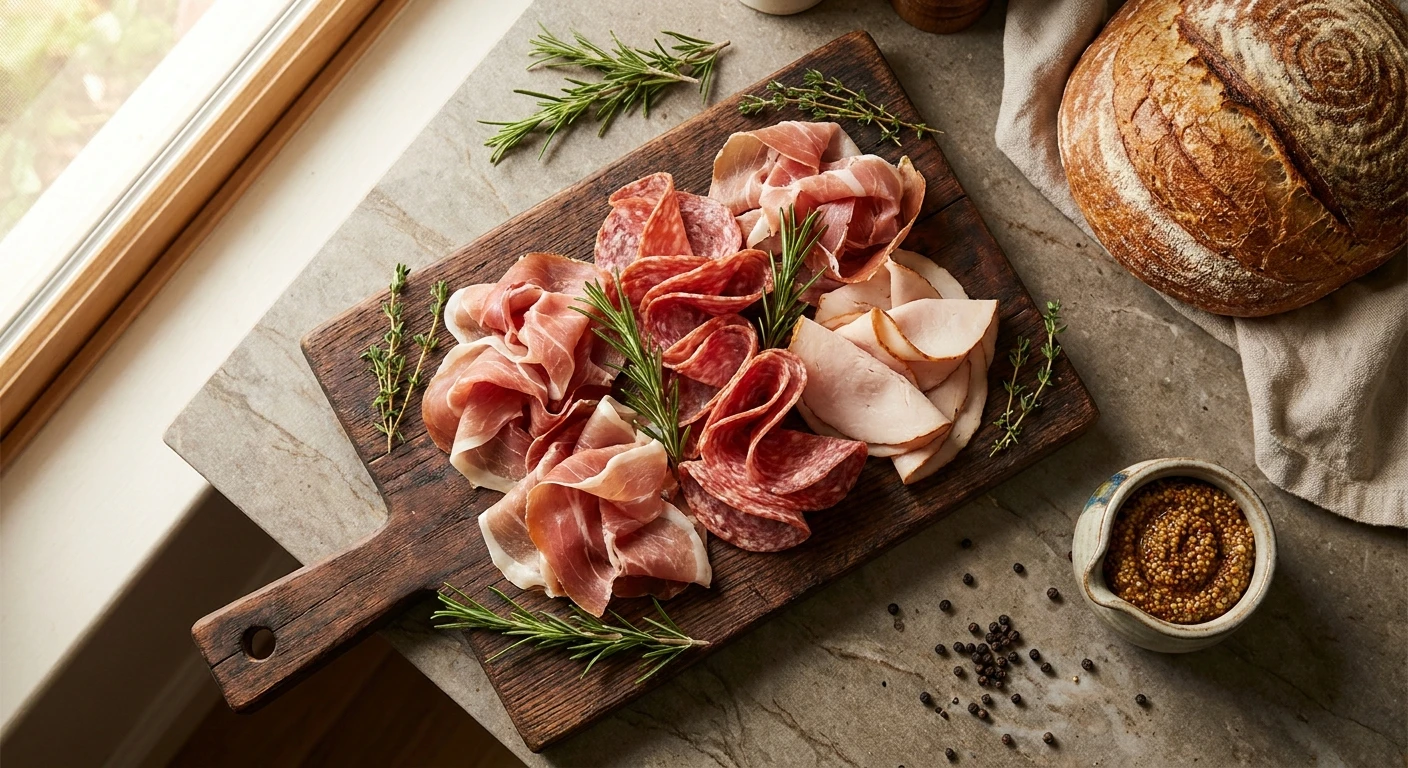
The Ultimate Guide to Perfect Sliced Ham
Let me tell you, finding the absolute perfect sliced ham can turn a boring, average Tuesday sandwich into an absolute culinary masterpiece. Back when I lived in Kyiv, long before I ever stepped foot in a massive American supermarket, my grandmother used to cure huge cuts of pork right in our freezing, tiny cellar. I can still vividly remember the intense, earthy smell of garlic, black peppercorns, and oak smoke lingering in the air. When holidays rolled around, she would take a massive, razor-sharp knife and carefully carve the meat so incredibly thin that you could practically see the sunlight shining right through it. Those specific childhood memories hit me really hard every single time I walk past a modern deli counter.
But here is the good news: you do not need a Ukrainian babushka’s magical aging cellar to get that authentic, mouth-watering flavor at home right now. I have spent years meticulously testing and comparing deli meats so you do not have to waste your hard-earned money on rubbery, water-logged pork that tastes like salty plastic. We are going to look closely at what actually makes a premium cut, how the curing process fundamentally alters the taste profile, and exactly how you can build a flavor profile that sings. Plus, I have put together a killer seven-day menu plan that proves you can eat this staple every single day of the week without ever getting bored. Quality absolutely matters, and by the time you finish reading my advice, you will know exactly what to confidently ask for the next time you stand at the butcher block.
Why should you bother being so picky about your deli meat? Because poor quality, mass-produced pork is aggressively pumped full of tap water and artificial liquid smoke to artificially inflate its weight. A premium, artisanal cut actually offers incredible value for your weekly grocery budget when you break down the math. Think about it: just one pound of high-grade, honest-to-goodness pork can easily feed a family of four for a massive dinner, and then completely double as the savory base for killer, protein-packed breakfast sandwiches the very next morning. That is a level of culinary versatility you simply cannot beat.
Let’s break down the major flavor profiles you will likely encounter when you step up to the deli counter:
| Ham Type | Flavor Profile | Best Used For |
|---|---|---|
| Black Forest | Rich, heavily smoked over pine, slightly sweet crust | Classic deli sandwiches and pressed paninis |
| Honey Baked | Sweet glaze, tender texture, caramelized sticky edges | Holiday platters and buttery breakfast biscuits |
| Virginia / Country | Intensely salty, dry-cured, robust and chewy | Charcuterie boards and pairing with strong cheeses |
| Prosciutto Cotto | Mild, delicately seasoned with herbs, extremely soft | Gourmet pizzas and light, airy focaccia sandwiches |
| Smoked Pit | Deeply savory, strong hardwood smoke, minimal sweetness | Hearty winter stews and grilled cheese sandwiches |
When you spend your money on a good quality cut, you are getting pure, unadulterated protein without the nasty chemical fillers. Here is exactly how to spot the absolute best meat at the deli:
- Check the moisture levels visually: The meat should look fresh and moist, but it should never, ever be swimming in a pool of milky liquid. Puddles in the display case mean the producer added excess water weight to cheat you out of your money.
- Look closely at the muscle grain: You should be able to clearly see the natural, directional muscle fibers of the pork. If the meat looks like a perfectly smooth, shiny pink sponge with zero texture, walk away immediately. It has been over-processed.
- Always ask the butcher for a taste test: A confident, good butcher will always offer you a fresh slice to sample. It should taste exactly like real, roasted pork, not an overwhelming blast of liquid smoke and table salt.
- Examine the edges for authenticity: Genuine smoked or baked meats will have a natural, slightly irregular crust. Perfectly uniform, unnatural edges usually indicate a highly processed loaf rather than a whole muscle cut.
Mastering these four basic rules will completely upgrade your lunch game. You want real, hearty meat that provides sustained energy to get you through the afternoon, not a massive sodium crash.
The Ancient Origins of Curing
People have been preserving pork for thousands of years, long before anyone even dreamed of modern electricity. Before refrigeration, our ancestors had to desperately figure out how to keep meat from rotting and spoiling through incredibly long, brutal winters. The ancient Gauls and Romans were absolutely famous for their unmatched mastery of dry-curing. They heavily salted massive pork legs and hung them in cool, drafty, limestone caves. This was not just about basic survival; it became a highly respected art form. The heavy salt coating literally drew out the internal moisture, stopping dangerous bacteria completely in its tracks. At the same time, this lengthy aging process developed that intense, concentrated, intensely savory flavor we still deeply crave today. Salt was so valuable during these times that soldiers were frequently paid with it—hence the word “salary.”
The Evolution of Deli Culture
As cities exploded in size and rapid industrialization took over the landscape, the way we consumed preserved meats dramatically shifted. The local neighborhood butcher shop became a vital, everyday staple for working families. By the early to mid-20th century, the magical invention of electric, mechanical meat slicers changed absolutely everything about lunchtime. Suddenly, you did not have to hack away at a massive, cumbersome leg of pork with a dull carving knife at your kitchen table. The motorized deli slicer allowed for impossibly thin, perfectly uniform cuts that melted in your mouth. This specific technological innovation birthed the massive modern sandwich culture we know today. Factory workers could grab a quick, cheap, protein-packed lunch on the go. The entire focus of the industry rapidly shifted away from long-term winter preservation and moved heavily toward sheer convenience and delicate texture.
The Modern State of Charcuterie
Here we are living in 2026, and the culinary pendulum has completely swung back toward authentic, artisan quality. We are currently seeing a massive, widespread revival in traditional curing methods across the globe. People are totally sick and tired of hyper-processed, watery lunch meat that tastes like nothing. Today’s top-tier butchers are aggressively combining old-world, manual techniques with cutting-edge modern food science. They meticulously use precise, humidity-controlled aging rooms and experiment wildly with unique, aromatic wood smokes like applewood, hickory, cherry, and pecan. Even massive, national grocery chains are taking serious notes, finally offering dedicated artisan lines in their stores. You can now get premium, pasture-raised, ethically sourced cuts right at your local supermarket, giving absolutely everyone access to top-tier, restaurant-quality flavor.
The Chemistry of Curing
What actually happens on a microscopic level when you cure pork? It is all about the science of osmosis and protein denaturation. When you pack a fresh piece of meat in heavy salt, the salt literally forces the water out of the muscle cells through the cell membranes. At the exact same time, the salt penetrates deeply into the meat tissue. This drastically lowers the “water activity” (a technical scientific term for available moisture), making it biologically impossible for bad, spoilage-causing bacteria to survive and multiply. Nitrates and nitrites are frequently added to the salt mix. These specific chemical compounds are exactly what give the cured meat that distinct, vibrant pink color we all recognize. Without them, the cooked pork would look unappetizingly gray and dull. They also provide a sharp, tangy flavor and act as an absolute, impenetrable barrier against dangerous pathogens like botulism. It sounds like a complex high school chemistry class, but it is basically just mastering the careful balance of salt, water, and time to create a safe, deeply delicious final product.
The Maillard Reaction and Hardwood Smoke
Smoking meat isn’t just about adding a campfire flavor; it is a complex chemical process that fundamentally transforms the meat’s outer surface. When you apply steady wood smoke and heat, you trigger something called the Maillard reaction. This is the beautiful browning process where natural amino acids and reducing sugars react aggressively together to create hundreds of entirely new, complex flavor compounds.
Here are a few fascinating, quick scientific facts about the entire process:
- Natural wood smoke contains phenols, which actually act as powerful, natural antioxidants to completely prevent the meat’s fat from going rancid over time.
- The distinct, pink “smoke ring” you see just under the surface is a chemical reaction between myoglobin in the meat tissue and carbon monoxide present in the wood smoke.
- Cold smoking (which happens strictly under 90 degrees Fahrenheit) imparts massive amounts of flavor without actually cooking the proteins, requiring the meat to be fully and safely cured beforehand.
- Injecting a liquid brine (known as wet curing) rapidly speeds up the protein denaturation process, increasing the final yield by forcing the muscle fibers to hold onto heavy water molecules.
- The specific pH level of the pork heavily dictates how well it will hold onto moisture; a lower pH results in a drier, crumblier texture, which is why commercial processors carefully monitor acidity.
Understanding these fundamental basics makes you truly appreciate the intense craftsmanship and deep science behind every single savory bite you take.
Let’s put all this incredible knowledge to real use right now. I highly challenge you to try this ultimate, flavor-packed 7-day meal plan. It absolutely proves just how incredibly versatile this single ingredient can be, keeping your tastebuds constantly guessing and completely satisfied all week long.
Day 1: The Ultimate Classic Deli Stack
Keep it brilliantly simple for your first day. Grab some incredibly fresh, crusty rye bread from a local bakery, swipe on a heavy, generous layer of spicy, stone-ground brown mustard, and pile the meat intensely high. Add a thick slice of aged, sharp Swiss cheese and throw a crisp, garlic dill pickle on the side. The spicy mustard perfectly cuts right through the rich, fatty sweetness of the pork.
Day 2: Gourmet Breakfast Croissant
Skip the depressing, soggy drive-thru breakfast completely. Softly scramble two fresh eggs with a splash of cream. Layer those fluffy eggs on a massive, buttery, toasted bakery croissant with three generous slices of sweet, honey-baked goodness and a sharp slice of white cheddar. The residual heat from the steaming eggs will perfectly warm the meat, releasing all those hidden aromatic fats.
Day 3: Cheesy Comfort Potato Casserole
Take your thicker, leftover cuts and violently dice them up into small cubes. Toss them directly into a buttered baking dish with thinly scalloped russet potatoes, heavy whipping cream, minced garlic, and massive handfuls of nutty Gruyere cheese. Bake it in a hot oven until the top is blistering and aggressively bubbly. The intense saltiness of the pork cuts right through the ultra-rich, heavy cream sauce.
Day 4: Authentic Cuban Sandwich Night
You absolutely need a hot, pressed sandwich in your rotation. Layer slow-roasted pork shoulder, our star deli meat, double Swiss cheese, sour dill pickles, and bright yellow mustard on a soft, sweet roll. Press it down hard in a smoking hot cast-iron skillet with a heavy weight until it is completely flat, wildly crispy, and the cheese is violently melting out the sides.
Day 5: The Massively Upgraded Chef Salad
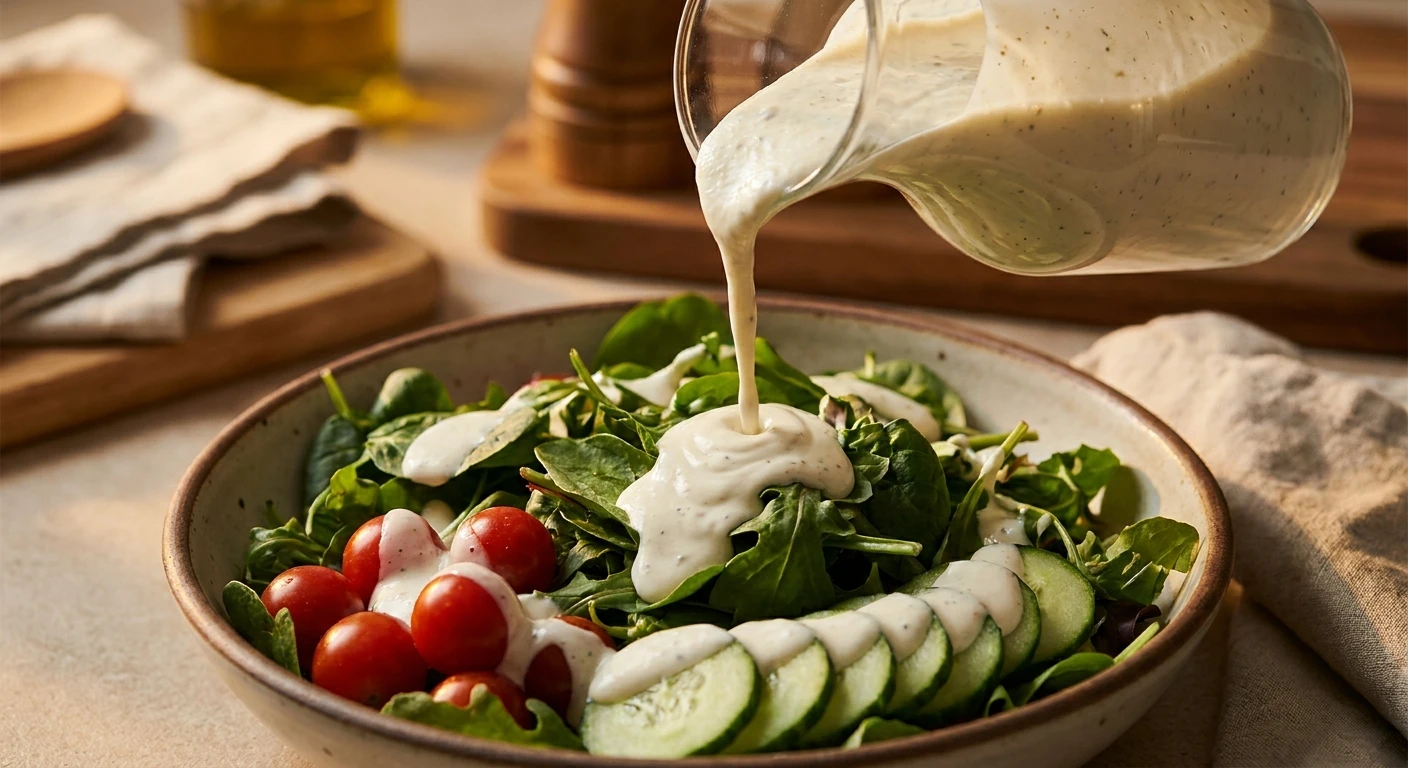
Need something slightly lighter after all that heavy cheese? Roll up several thin slices and aggressively chop them into tight little pinwheels. Toss them carelessly over a massive bowl of crisp iceberg lettuce, warm hard-boiled eggs, sweet cherry tomatoes, and crunchy English cucumbers. Finish it off with a heavy, unashamed drizzle of herbaceous buttermilk ranch dressing.
Day 6: Savory Pasta Carbonara Twist
Who actually says you strictly need expensive Italian pancetta for a good pasta? Fry up small, bite-sized squares of the meat in a skillet until the edges are wildly crispy and browned. Toss them rapidly with steaming hot spaghetti, freshly whisked raw eggs, and absolute mountains of grated parmesan cheese and cracked black pepper for a lightning-quick, deeply comforting dinner.
Day 7: The Lazy Sunday Charcuterie Board
End the long week with absolutely zero actual cooking. Artfully arrange thin, elegantly folded slices on a massive, rustic wooden board. Surround the meat with blocks of sharp cheddar, smoked gouda, salty green olives, sweet fig jam, and artisanal seeded crackers. Crack open a freezing cold craft beer, put your feet up, and just enjoy the intense flavors you have curated.
There is a massive amount of wild misinformation constantly floating around the deli counter. Let’s clear the air and completely destroy these silly rumors right now.
Myth: All deli meat is incredibly toxic and always packed with dangerous, unhealthy chemicals.
Reality: While extremely cheap, bottom-shelf brands do use artificial fillers and harsh preservatives, premium artisanal cuts rely strictly on simple, highly natural curing ingredients like concentrated celery powder, sea salt, and raw sugar for totally safe, natural preservation.
Myth: You can safely keep cold cuts wrapped up in the fridge for several weeks without any issues.
Reality: Once that package is breached and opened to the oxygen in the air, you have a strict window of about three to exactly five days before the quality radically degrades. Always store it aggressively sealed in an airtight glass container to strictly lock out fridge odors and maintain peak freshness.
Myth: Pre-packaged plastic tubs are the exact same thing as getting it fresh right off the slicer.
Reality: Freshly sliced meat straight from the butcher block retains vastly superior texture. It has not been sitting soaking in a modified, artificial gas packaging environment for three weeks, leading to a vastly superior flavor, aroma, and mouthfeel that pre-packaged tubs cannot ever match.
Myth: Thick, chunky cuts are always super tough and incredibly hard to chew.
Reality: A truly high-quality, properly and slowly cooked cut remains incredibly tender and juicy, practically melting in your mouth even when carved into massive, thick, hearty steaks for a dinner roast.
Myth: Eating cold cuts will instantly make you gain a massive amount of weight.
Reality: High-quality cuts are actually an incredibly lean, highly bioavailable source of pure protein. The danger lies entirely in the massive amounts of sugary condiments, heavy cheeses, and massive bread loaves you choose to pair it with.
Can I successfully freeze deli meat?
Yes, you absolutely can safely freeze it for up to two full months, though you should expect the delicate texture to get slightly watery upon thawing due to ice crystal formation.
What exact thickness setting is best at the deli?
Always firmly ask the worker for a strict “number 2” setting on their slicer; this gives you the absolute perfect sandwich thickness without it shredding into a messy pile.
Is a bone-in cut actually better than a boneless one?
Without a doubt, bone-in always retains significantly more natural moisture and intense, deep flavor during the lengthy roasting process.
How do I definitely know if it has gone bad?
If the meat suddenly feels excessively slimy to the touch, smells faintly sour like vinegar, or has a weird iridescent rainbow sheen catching the light, throw it away immediately without hesitation.
Can I safely eat it while I am pregnant?
Medical doctors generally strictly recommend intensely heating all deli meats in a pan or microwave until they are literally steaming hot to completely eliminate any slight risk of dangerous listeria.
What kind of cheese actually pairs the best?
Classic Swiss, aged sharp provolone, and seriously sharp white cheddar are all absolutely incredible, classic companions that perfectly balance the saltiness.
Is this specific meat considered keto-friendly?
Yes, it is massively keto-friendly, entirely as long as you strictly avoid the sweet, heavily honey-baked glazes that contain massive amounts of hidden added sugars.
Can I use it to flavor my boring soups?
Absolutely, tossing a thick, salty chunk into a simmering pot of split pea or hearty lentil soup will dramatically elevate the entire broth with insane amounts of smoky depth.
Wrapping Up
From its incredibly ancient, cave-dwelling curing origins to the sleek, modern artisan preparations we happily enjoy in 2026, perfectly sliced ham remains one of the most reliable, deeply delicious, and highly versatile staples you can possibly keep stocked in your kitchen fridge. Whether you are aggressively building a towering monster of a sandwich for a work lunch or carefully crafting an elegant, beautiful weekend charcuterie board for your friends, ingredient quality is absolutely everything. Stop blindly settling for watery, tasteless, depressing deli meat! Go hit up your local, trusted butcher today, confidently ask for a fresh, high-quality cut right off the block, and completely transform your next meal into something truly special. Grab your keys, go to the store, and let me know in the comments below exactly how your ultimate 7-day menu challenge goes!
Leave a Reply