

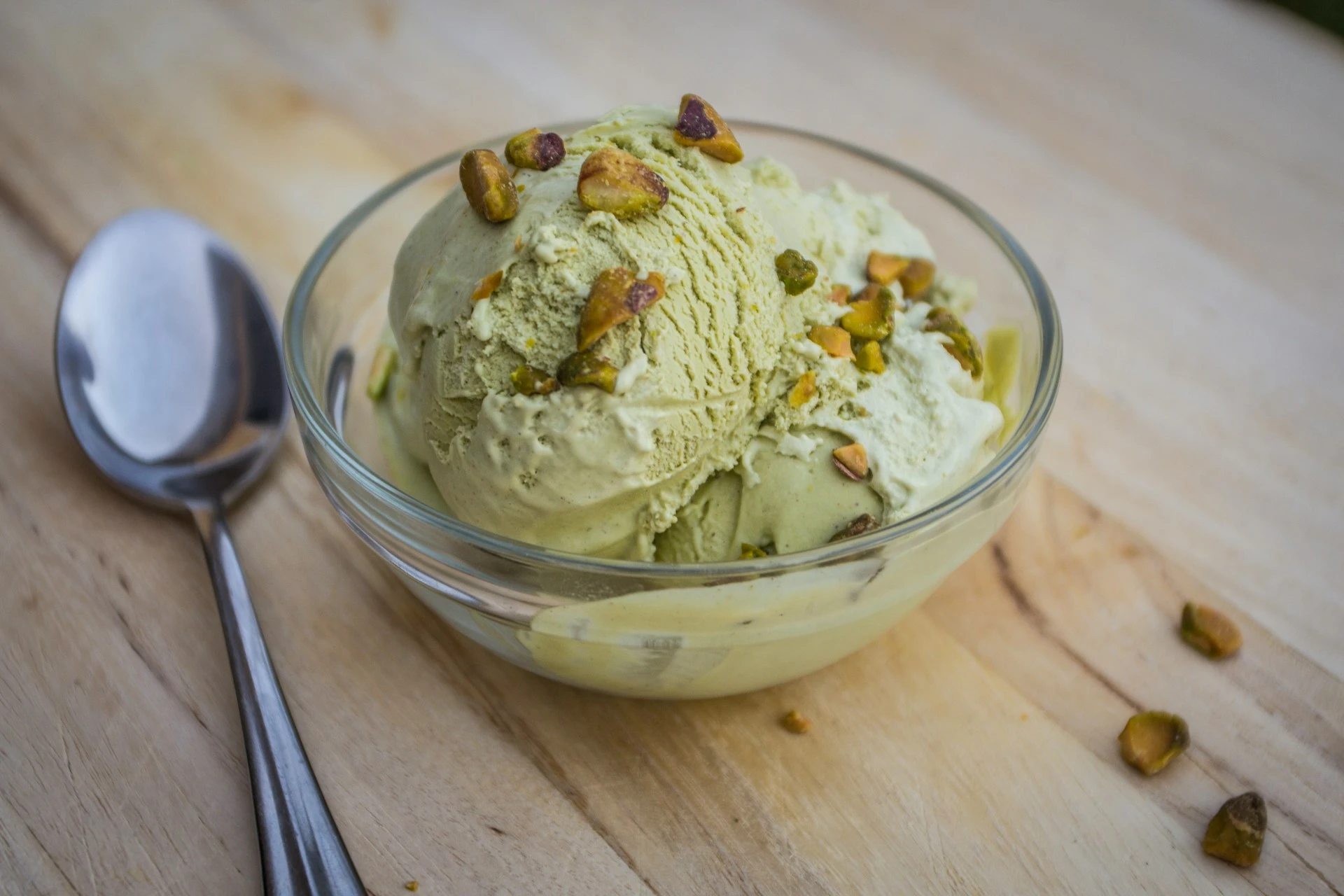
Why Everyone is Obsessed with Pistachio Cream Right Now
If you have spent any time on social media lately, you have probably seen it. That vibrant, silky green spread being drizzled over croissants or stuffed into Dubai-style chocolate bars. It is everywhere. And honestly? I get it. Pistachio cream is like the sophisticated, slightly moody cousin of peanut butter. It is rich, nutty, and feels way more expensive than it actually is-especially if you make it yourself.
In Canada, finding a good jar of this stuff can be a bit of a mission. You either hit up a high-end Italian deli and drop twenty bucks on a tiny jar, or you settle for the sugary versions at the supermarket that barely taste like nuts. But here is the thing: making it at home is not just cheaper; it is significantly better. You control the sugar, the salt, and most importantly, the quality of the pistachios.
I remember the first time I tried to make this. I thought I could just throw some roasted nuts into a blender and hope for the best. Spoiler alert: I ended up with a chunky, dry paste that looked more like pesto gone wrong. To get 그 silky-smooth, professional texture, you need a few tricks. And no, you do not need a degree in pastry arts. You just need a bit of patience and a decent food processor.
The Secret is in the Prep
Before we even touch the blender, we have to talk about the nuts. Not all pistachios are created equal. If you buy the pre-salted, roasted ones in the shell from the snack aisle, your cream will taste like a salt lick. You want raw, unsalted pistachios.
The biggest hurdle to that bright green color is the skin. Those papery brown skins are bitter and they make your cream look muddy. To get rid of them, you have to blanch them. It sounds like a lot of work, but it takes five minutes. You boil them for about sixty seconds, shock them in cold water, and the skins practically jump off.
Once they are peeled, you have these beautiful, emerald-green gems. This is where the magic starts. If you leave them raw, the flavor is fresh and mild. If you give them a quick toast in the oven, the flavor gets deeper and more “toasty.” Personally, I like a mix. A little toast for depth, but not so much that you lose that vibrant green hue.
What You Will Need
You do not need a massive list of ingredients. In fact, the fewer, the better. Professional-grade pistachio cream relies on high fat content and finely ground solids. Here is the breakdown of what is going into your jar.
- Raw pistachios (shelled)
- White chocolate (high quality makes a huge difference here)
- Neutral oil (like grapeseed or avocado)
- Powdered sugar (if you want it sweeter)
- A pinch of sea salt
- Vanilla bean paste (optional, but highly recommended)
Ingredient Quality Comparison
| Ingredient | Budget Option | Professional Choice | Why it Matters |
|---|---|---|---|
| Pistachios | Store brand roasted/salted | Raw Sicilian or California unsalted | Salt control and vibrant color. |
| Sweetener | Granulated sugar | High-quality white chocolate | Chocolate adds fat and a creamy mouthfeel. |
| Oil | Vegetable oil | Grapeseed or Pistachio oil | Neutral oils don’t mask the nut flavor. |
The Step-by-Step Breakdown
Let us get into the actual process. You want to start by cleaning your food processor. Any lingering smell of onions or garlic from last night’s dinner will ruin this. Trust me, garlic-pistachio cream is not a vibe.
First, blanch your nuts. Boil water, toss them in for a minute, then drain and rub them in a clean kitchen towel. The skins will come right off. Dry them thoroughly. Water is the enemy of smooth nut butter; even a little bit can cause the mixture to “seize” and become grainy.
Next, the grinding phase. This is where people usually give up too early. You put the nuts in the processor and turn it on. First, they become crumbs. Then, a thick paste. Then, it looks like it is stuck. Keep going. You need to process them until the natural oils start to release. If your machine is getting hot, give it a break for a minute so you don’t burn out the motor.
Once the nuts are as smooth as you can get them, melt your white chocolate gently. Do not overheat it. Fold the melted chocolate into the nut paste along with a tiny bit of oil and your salt. Process again until it looks like liquid gold-well, liquid emerald.
Finding the Right Balance
Getting the texture right is a bit of an art. If it is too thick, add a teaspoon of oil at a time. If it is too thin, don’t panic; it will firm up as the white chocolate cools down.
Professional chefs often use a “melanger” or a stone grinder to get that ultra-fine texture you find in expensive Italian brands like Pisti. Since most of us don’t have a stone grinder sitting on our kitchen counter, the food processor is our best bet. If you want it even smoother, you can pass the final cream through a fine-mesh sieve, though it is a bit of a workout for your arms.
Common Mistakes to Avoid
- Using wet nuts: Make sure they are bone dry after blanching.
- Cheap white chocolate: If the first ingredient is sugar and not cocoa butter, it won’t melt right.
- Over-processing: If the oils get too hot, they can turn bitter.
- Skipping salt: Salt is what makes the pistachio flavor actually “pop.”
How to Use Your Pistachio Cream
Now that you have a jar of this heavenly stuff, what do you do with it? Honestly, eating it with a spoon is a perfectly valid life choice. But if you want to be fancy, there are levels to this.
It is incredible as a filling for macarons or thumbprint cookies. You can swirl it into cheesecake batter before baking for a marbled look. In Canada, we love our brunch, and spreading this over a warm piece of sourdough toast with a few crushed raspberries on top? That is a game-changer. It is also the “secret” ingredient in those viral chocolate bars that are taking over Vancouver and Toronto right now. You just mix the cream with some toasted kataifi (shredded phyllo pastry) and stuff it into a chocolate shell.
Storage and Longevity
Since this is homemade and doesn’t have the weird preservatives you find in commercial spreads, you need to treat it right. Store it in a glass jar. It will stay fresh at room temperature for about a week, but if you want it to last longer, pop it in the fridge.
Just a heads up: it will get very firm in the fridge because of the cocoa butter in the white chocolate. If you want to use it, just take it out about 20 minutes before you need it, or give it a very quick zap in the microwave (like 5-10 seconds) to loosen it up.
Ways to Level Up Your Batch
- Add a hint of cardamom for a Middle Eastern twist.
- Fold in some finely chopped toasted pistachios at the end for a “crunchy” version.
- Use a tiny drop of almond extract to enhance the “nutty” aroma (but be careful, it’s strong!).
The Economics of Homemade
Let’s talk money for a second. A 200g jar of premium pistachio cream at a specialty shop in Canada usually runs between $15 and $24.
Price Breakdown (Estimated CAD)
| Item | Store-Bought (200g) | Homemade (200g) |
|---|---|---|
| Pistachios | Included | $5.00 |
| White Chocolate/Sugar | Included | $1.50 |
| Packaging/Markup | $10.00+ | $0.00 |
| Total | $18.00 | $6.50 |
You are basically saving over 60% by making it yourself, and yours won’t have palm oil or artificial colors. Plus, you get the bragging rights of telling your friends you made it from scratch.
Is It Worth the Effort?
Look, I’m not going to lie and say it is as easy as opening a bag of chips. It takes some time to peel the nuts and you’ll probably have a few green stains on your dish towels. But the first time you taste a spoonful of warm, freshly blended pistachio cream, you will realize why people go crazy for it.
The flavor is intense. It is buttery, slightly salty, and incredibly floral. It makes Nutella taste like sugar-flavored wax. Whether you are using it for a holiday dessert or just to make your morning toast feel a bit more “boutique hotel,” it is a skill worth having in your kitchen arsenal.
Frequently Asked Questions
Can I use roasted salted pistachios?
Honestly, I wouldn’t. The salt level is usually way too high and you can’t get the skins off properly. It’ll end up brown and super salty.
Do I really need to peel them?
If you want that bright green color and a smooth texture, yes. If you don’t care about it looking a bit “earthy” and tasting slightly bitter, you can skip it.
My food processor is struggling, what do I do?
Add a tiny bit of oil early on. It helps the blades catch the nuts and turns them into a paste faster. Just don’t overdo it or it’ll be greasy.
How long does it last?
In the fridge, it’s good for about a month. In the pantry, about a week. But let’s be real, it usually gets eaten way before then.
Can I make this vegan?
Totally. Just swap the white chocolate for a vegan version or use more powdered sugar and a bit more cocoa butter if you can find it.
Why is my cream grainy?
You probably didn’t process it long enough or a tiny bit of water got into the mix. Keep blending! If it’s still grainy, try passing it through a sieve.
Can I use a blender instead of a food processor?
Only if you have a high-speed one like a Vitamix. A regular cheap blender will likely just spin the nuts around without actually creaming them.
Wrapping It Up
At the end of the day, making pistachio cream is about treating yourself to something a bit more refined. It is a slow-food process in a fast-food world. There is something really satisfying about taking a pile of nuts and turning them into a silky, luxurious spread. It is the kind of thing that turns a simple snack into an experience. So, go find some good pistachios, put on a podcast, and get peeling. Your future self-and your toast-will thank you. It is one of those small kitchen wins that feels like a massive victory once you see that perfect green swirl in the jar. Happy blending!
Conclusion: Homemade pistachio cream is the ultimate kitchen flex. It is cheaper, tastier, and way more impressive than anything you can buy off a shelf. With a bit of prep and the right ingredients, you can bring a taste of an Italian bakery right into your own Canadian kitchen. Enjoy the process and even more, enjoy the result!
Leave a Reply