
Why You Keep Craving These Perfect Pineapple Squares
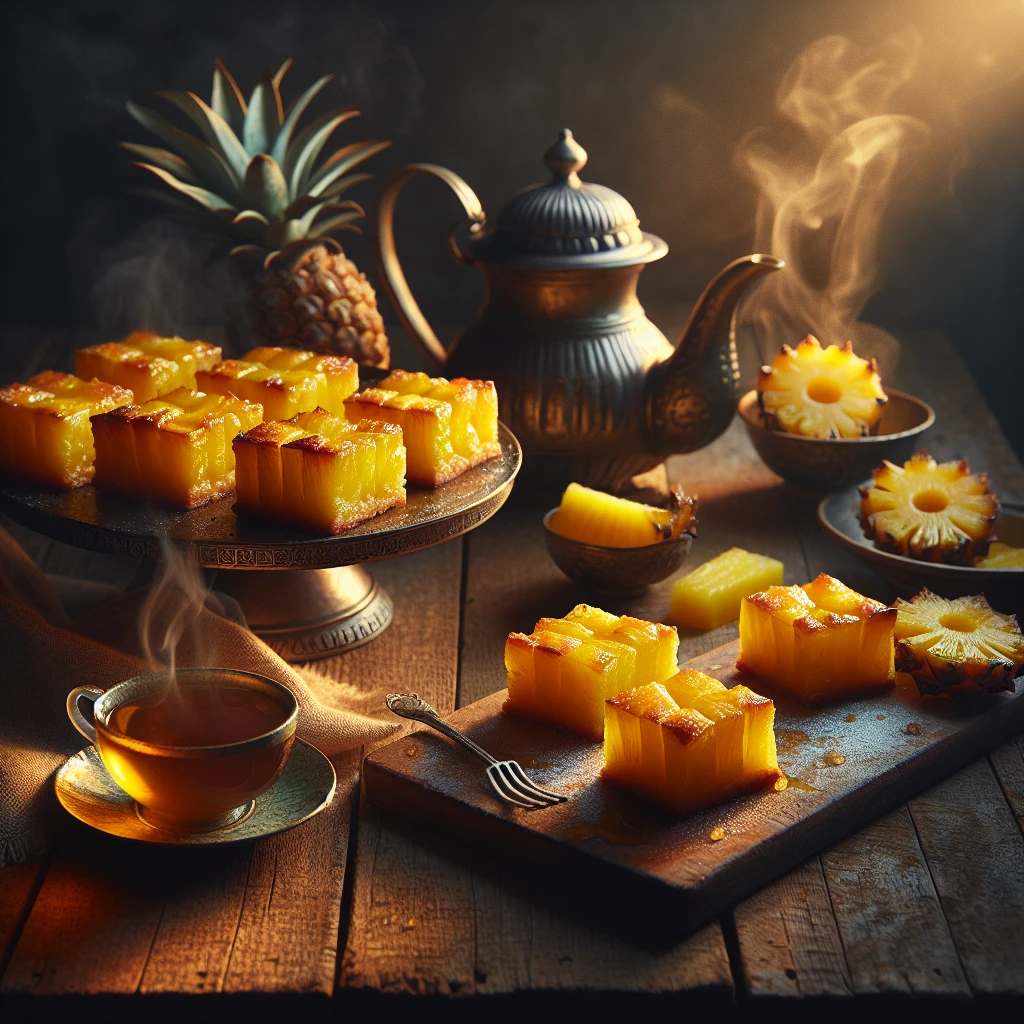
Have you ever wondered why you just cannot stop at one when it comes to perfect pineapple squares? Seriously, think about it. You grab one from the tray, intending to just have a small bite with your coffee, and before you know it, you are reaching for a third. Listen, I get it entirely. There is a specific kind of magic that happens when tangy, bright citrusy notes collide with a rich, buttery shortbread crust.
Growing up, the winters in Kyiv were brutally cold and incredibly dark. Fresh tropical fruit was practically an urban legend. But my grandmother had a secret weapon against the gloom. She kept a stash of canned golden fruit hidden away in the top cupboard. Whenever the mood felt heavy, she would pull out a tin, not to serve plain, but to create a hybrid dessert—merging traditional Ukrainian syrniki-style dough with a sticky, vibrant fruit filling. Her version of these baked treats became legendary in our neighborhood. The aroma of roasting butter and caramelized sugar could literally pull people in from the snowy streets.
My mission here is simple: I want you to master this exact feeling. I am giving you the complete breakdown on how to execute the crust, how to balance the filling so it isn’t overly sweet, and how to get that perfect crumble on top every single time.
The Anatomy of the Ultimate Bite
Let’s talk about structural engineering, but for dessert. Making a fruit bar isn’t just throwing ingredients into a pan and hoping for the best. You are building layers of flavor and texture that need to support each other.
Here is a detailed breakdown of how different base layers impact your final result:
| Base Style | Texture Profile | Moisture Handling |
|---|---|---|
| Classic Shortbread | Flaky, rich, and highly buttery | Excellent; creates a solid barrier against the wet filling. |
| Graham Cracker | Granular, slightly sweet, nostalgic | Fair; tends to get soggy if the fruit isn’t drained properly. |
| Oatmeal Crumb | Chewy, rustic, and hearty | Good; absorbs some liquid but maintains a strong crunch. |
Why should you bother mastering this specific dessert? Let me give you a couple of real-world scenarios. First, imagine you bring a batch of these to an office potluck. Instead of the usual store-bought cookies that get ignored, these golden bars vanish in ten minutes, and suddenly you are the absolute favorite person in the breakroom. Second, picture a quiet Sunday morning. You serve these slightly chilled alongside a dark, strong espresso—you instantly create a core memory of comfort and peace.
To achieve this, you need to follow three fundamental laws of fruit bars:
- The Pre-Bake is Non-Negotiable: You must blind bake the bottom crust to set the flour matrix before introducing the wet filling.
- Acid and Sugar Balance: You cannot rely solely on the syrup; you need a touch of fresh lemon juice to cut the sweetness.
- Temperature Control: The butter must be aggressively cold when you form the dough, ensuring maximum flakiness.
Origins of the Bake
How did we even get here? The concept of taking tropical fruit and baking it into a portable square didn’t just appear out of nowhere. It traces back to the early 20th century, heavily influenced by the rise of the commercial canning industry.
The Canned Fruit Boom
In the 1920s and 1930s, shipping fresh tropical produce across continents was a logistical nightmare. The solution was canning. Companies began mass-producing canned tidbits, rings, and crushed variants, heavily marketing them to mainland housewives as an exotic yet completely accessible luxury. Bakers quickly realized that this shelf-stable product was incredibly versatile.
Evolution Over Decades
By the 1950s, the post-war convenience era was in full swing. Potlucks, church picnics, and community gatherings demanded desserts that were easy to transport and didn’t require refrigeration. The classic bar cookie format became the ultimate vehicle. However, as decades passed, recipes started relying heavily on processed corn syrups and artificial flavorings. The 1990s brought the low-fat craze, which drastically ruined the texture of shortbread bases across the globe.
The Modern State
Now that we are navigating culinary trends in 2026, the baking community has completely course-corrected. We are seeing a massive return to authentic, high-quality ingredients. The modern interpretation of this dessert focuses heavily on full-fat European butter, natural fruit reduction, and finishing salts. It is no longer just a sugary brick; it is a refined, beautifully balanced pastry that respects its humble origins while delivering a gourmet experience.
The Bromelain Effect on Gluten
You might think baking is just an art, but honestly, it is pure chemistry. The biggest mistake amateur bakers make is trying to swap canned fruit for raw, fresh fruit without understanding the molecular consequences.
The Protease Problem
Raw pineapple contains an extremely active enzyme called bromelain. Bromelain is a protease, meaning its sole function in life is to break down proteins. If you mix fresh, unheated pineapple directly into a flour-based dough or an egg-based custard, the bromelain acts like microscopic scissors, snipping the gluten strands and protein bonds. The result? A soupy, weeping mess that will never set. Fortunately, the commercial canning process involves pasteurization. The high heat completely denatures the bromelain enzyme, rendering it inactive and making it perfectly safe to bake with.
Moisture Migration Physics
Another fascinating aspect is thermodynamics and moisture migration. You have a very wet filling sitting directly on top of a dry, fat-coated crust. Why doesn’t it instantly turn to mush?
- The Fat Barrier: When you blind bake the crust, the butter melts and coats the flour proteins, creating a hydrophobic (water-repelling) layer.
- Starch Gelatinization: Adding cornstarch to the filling means that as it heats up, the starch absorbs the liquid, locking it into a gel before it can seep down.
- The Maillard Reaction: The browning on the top and bottom crusts occurs around 285°F, creating complex flavor compounds and adding structural integrity.
Step 1: Gathering Quality Ingredients
The foundation of an incredible dessert starts long before you turn on the oven. Do not skimp on the butter. You want an unsalted, high-fat (82% or higher) butter. For the fruit, choose crushed or tidbits packed in 100% juice, not heavy syrup. Heavy syrup throws off the entire sugar ratio and makes the final product cloyingly sweet.
Step 2: Preparing the Perfect Crust
Take your cold butter, flour, sugar, and a generous pinch of sea salt. Using a pastry blender or your hands, cut the butter into the dry ingredients until the mixture resembles coarse sand with a few pea-sized chunks. Those tiny butter chunks are the secret to a flaky, tender bite. Press exactly two-thirds of this mixture firmly into a parchment-lined 8×8 metal baking pan.
Step 3: Blind Baking Dynamics
Place that pan into an oven preheated to 350°F. Bake it for about 15 minutes. You are looking for the edges to turn a pale gold. This step is what separates amateur bakers from professionals. It creates the necessary structural foundation to hold the heavy fruit layer.
Step 4: Crafting the Fruit Filling
While the crust is baking, drain your fruit aggressively. Press it through a fine-mesh sieve. You want the pulp, but you need to eliminate excess liquid. Mix the drained fruit with a tablespoon of cornstarch, a splash of vanilla extract, and a squeeze of fresh lemon juice. The lemon juice brightens the flavor profile, making the citrus notes sing.
Step 5: The Crumb Topping Assembly
Take the remaining one-third of your dough. Do not just sprinkle it like dust. Squeeze it in your fist to form large clumps, then break those clumps gently over the top of the fruit filling. This creates varying textures—some pieces will melt into the fruit, while the larger boulders will crisp up beautifully.
Step 6: Managing Oven Temperatures
Put the pan back into the oven. Bake for another 30 to 35 minutes. Halfway through, rotate the pan 180 degrees. Most home ovens have wild hot spots, and rotating ensures an even, golden bake across the entire surface. Watch the edges; they should be bubbling slightly and deeply caramelized.
Step 7: The Essential Cooling Phase
This is the hardest part. When you pull them from the oven, they will smell intoxicating. You will want to slice them immediately. Do not do it. The filling is essentially molten lava and the structural matrix has not set. Let the pan cool to room temperature on a wire rack, then place it in the refrigerator for at least two hours. Only then can you achieve those razor-sharp, bakery-style cuts.
Baking Illusions You Need to Stop Believing
There is a lot of terrible baking advice out there. Let’s clear up some of the most persistent nonsense right now.
Myth: Margarine works just as well as butter for the crust.
Reality: Absolutely false. Margarine contains highly variable amounts of water and lacks the necessary fat content to create flakiness. It also tastes artificial. Always use real butter.
Myth: You can cut the bars while they are still warm to save time.
Reality: If you slice them warm, the filling will pour out the sides, and the crust will crumble into a messy heap. Cooling is a mandatory structural step.
Myth: Adding more sugar to the filling makes the flavor pop.
Reality: Excess sugar actually masks the natural tanginess of the fruit. A little bit of salt and lemon juice is what actually enhances and elevates the natural flavors.
Can I freeze them?
Yes, absolutely. Once completely cooled and sliced, wrap each piece tightly in plastic wrap, then place them in an airtight container. They will keep perfectly in the freezer for up to three months.
How long do they last in the fridge?
Stored in an airtight container, they will maintain their texture and flavor for 4 to 5 days. The crust will soften slightly over time, but the flavor often deepens.
Do I actually need to refrigerate them?
Because of the moisture content in the fruit filling, leaving them on the counter for more than a day can invite mold. The refrigerator keeps them fresh and makes them pleasantly chewy.
Can I use a glass baking pan instead of metal?
You can, but you need to adjust. Glass conducts heat differently and holds onto it longer. If using glass, drop your oven temperature by 25 degrees to prevent the outside edges from burning before the center sets.
Why did my crust get soggy?
Two main culprits: either you skipped the blind baking step, or you did not drain the canned fruit thoroughly enough. Always press the fruit into a sieve to extract maximum juice.
Can I add coconut or nuts to the topping?
Highly recommended. Shredded unsweetened coconut or chopped macadamia nuts mixed into the final crumb topping adds a phenomenal crunch and elevates the tropical profile immensely.
Are they easy to make gluten-free?
Very easy. Because this is a shortbread-style base rather than a yeast dough, substituting a high-quality 1-to-1 gluten-free baking flour works brilliantly without compromising the final texture.
Baking is about creating moments of joy for yourself and the people around you. Armed with the science, the history, and the exact steps, you are completely ready to create the ultimate batch of pineapple squares. So preheat that oven, get your butter cold, and start baking. Drop a comment below once you try this method—I want to hear exactly how quickly they vanished from your kitchen!
Leave a Reply