

Why You Absolutely Need This Authentic Baccala Recipe
Ever wonder why a rock-hard piece of salted fish turns into the most luxurious dinner imaginable? Finding the perfect baccala recipe is kind of like unlocking a culinary superpower that has been guarded by grandmothers for centuries. I was always intimidated by the idea of cooking salt cod from scratch. But listen, the process is actually incredibly straightforward once you understand the basic rules of hydration and patience.
A few months ago, I was wandering through a bustling indoor food market in Kyiv, looking for weekend dinner inspiration. Hidden between the local butchers and fresh produce stalls, a specialty vendor had a massive, gorgeous slab of imported salt cod hanging up. It instantly transported me back to a coastal Mediterranean kitchen, and right then and there, I decided I had to master this ingredient. I bought a hefty piece, carried it home, and started experimenting.
The truth is, making this dish is not just about putting food on the table; it is a whole experience. You are taking an ingredient that looks completely inedible and coaxing it back to life until it becomes flaky, buttery, and deeply flavorful. If you want to impress your friends or simply treat yourself to a rich, historic seafood meal, learning this method is an absolute must.
The Core Method: Making Magic with Salt Cod
Understanding how a traditional baccala recipe works means grasping the balance between the preserved fish and the fresh ingredients you pair it with. Salt cod, by its very nature, is aggressively salty and completely dehydrated. The core benefit of using preserved cod over fresh fish is the texture. Through the curing process, the proteins in the fish become incredibly firm and dense. When you rehydrate it, it retains a meaty, satisfying chew that fresh cod simply cannot replicate. It doesn’t fall apart into mush when you simmer it in a rich tomato sauce or fry it up in a crispy batter.
However, the harm comes if you rush the process. If you skip the soaking phase or cut it short, you will end up with a dish that is aggressively salty and entirely inedible. The secret to an amazing meal lies purely in how well you prepare the fish before it ever touches a pan. You have to commit to the soak.
Here is a quick breakdown of how baccala compares to other popular white fish options you might find at the market:
| Fish Type | Texture Profile | Best Cooking Method |
|---|---|---|
| Traditional Baccala | Firm, meaty, flaky | Slow braising, frying, stews |
| Fresh Atlantic Cod | Soft, delicate, breaks easily | Baking, light pan-searing |
| Smoked Haddock | Flaky, strongly flavored | Poaching in milk, chowders |
To really get the best results, you need to follow a few core rules when shopping and prepping. Here is how you choose the right piece:
- Look for the thickest cut: The center cut (often called the loin) is the most prized piece because it rehydrates beautifully and gives you thick, meaty flakes.
- Check the color: It should be a pale, creamy white or slightly yellow. Avoid anything that looks overly grey or has dark spots.
- Assess the flexibility: Even though it is dried, a good piece of salt cod will still have a tiny bit of bend to it. If it is as stiff as a wooden board, it might be too old.
Origins of Salt Cod
The story of how salt cod became a global phenomenon is genuinely fascinating. Long before modern refrigeration, preserving food was a matter of survival. The Vikings were among the first to dry cod in the freezing winter air, creating a product known as stockfish. But it was the Basque fishermen who took things to the next level. They had access to massive amounts of salt from their coastal regions, and they started heavily salting the cod they caught before drying it. This method drastically increased the shelf life of the fish, allowing them to sail further and longer without their food supply rotting.
The Evolution of the Baccala Recipe
As global trade routes expanded, this incredibly durable protein made its way across the seas. It quickly became a staple in Mediterranean countries like Italy, Spain, and Portugal. During the Middle Ages, the Catholic Church strictly enforced meatless Fridays and numerous fasting days throughout the year. Because fresh fish was expensive and spoiled quickly, salt cod became the perfect solution. People needed creative ways to make this preserved fish taste delicious, which led to the birth of the classic baccala recipe we know today. Cooks started combining it with local ingredients—olive oil, garlic, tomatoes, and potatoes—to soften its intense flavor and create hearty, comforting meals.
The Modern State of Preserved Seafood
Now that we are well into 2026, sourcing high-quality preserved seafood online or at local boutique markets has become ridiculously easy. Even though we have electric refrigerators and next-day seafood delivery, the demand for salt cod hasn’t disappeared. Chefs and home cooks continue to seek it out specifically for its unique flavor profile. It has transitioned from a cheap survival food to a highly respected, gourmet ingredient. Modern variations of the dish incorporate everything from sous-vide techniques to fusion flavor profiles, but the traditional, rustic preparation remains the absolute favorite for most.
The Science of Curing Seafood
To truly respect the ingredient, you need to know what is actually happening on a cellular level. Curing fish with salt is not just about adding flavor; it is a rigorous scientific process. When raw cod is buried in salt, a process called osmosis begins. The high concentration of salt outside the fish’s cells draws the moisture out of the flesh. Because bacteria need water to survive and multiply, removing the moisture effectively halts any bacterial growth. This is why a piece of dried salt cod can sit on a shelf for months without spoiling.
During this curing process, the structure of the fish changes entirely. The proteins denature and tangle together tightly, which is what gives the finished product that distinct, meaty chew. It is a brilliant, natural chemical reaction that human beings figured out centuries ago.
Rehydration Mechanics
When you are ready to cook, you have to reverse engineer the curing process. Soaking the fish in cold water forces osmosis to happen in reverse. The fresh water flows back into the dehydrated cells of the fish, plumping them up, while the excess salt diffuses out into the water. This is why changing the water frequently is so critical. If you leave the fish in the same water, the salt concentration balances out, and the fish won’t release any more salt.
- Water Temperature: Always use cold water to prevent the fish from prematurely cooking or spoiling during the long soak.
- Salt Diffusion Rate: The thickest parts of the fish take exponentially longer to release salt due to the density of the protein structure.
- Texture Recovery: Proper rehydration can increase the weight of the dried fish by up to 30%, restoring its plumpness.
Day 1: Sourcing and Inspection
Your journey to a perfect baccala recipe starts at the market. Take your time selecting the fish. You want a piece that smells like the clean ocean, not incredibly fishy or ammonia-like. Once you get it home, leave it wrapped in paper in your fridge or a cool pantry until you are ready to start the process. Do not wash it yet; let the salt crust remain intact to protect the fish.
Day 2: The First Wash and Soak
This is where the magic begins. Take your dried cod and rinse it thoroughly under cold running water to remove the heavy exterior layer of salt. Grab a large glass or stainless steel bowl—avoid plastic, as it can hold onto smells. Place the rinsed fish in the bowl and cover it completely with fresh, cold water. Put the bowl in the refrigerator. The first 12 hours will pull out a massive amount of surface salt.
Day 3: Aggressive Water Rotation
Today is all about active management. You need to change the water in the bowl at least three times—morning, noon, and night. Every time you dump the water, you are throwing away heavily salinated water and giving the fish a fresh environment to release more salt into. You will start to notice the fish physically expanding and looking whiter and softer.
Day 4: The Texture Check
Keep up the water changes today, at least twice. By the evening, pinch the thickest part of the fish. It should feel significantly softer and yield to your fingers. If you are brave, pinch off a tiny piece from the edge, boil it in a cup of water for a minute, and taste it. It should taste pleasantly seasoned, not overwhelmingly salty. If it still burns your tongue with salt, it needs another full day of soaking.
Day 5: Portioning and Pre-Boil
Now that the fish is perfectly hydrated, remove it from the water and pat it completely dry with paper towels. Cut it into manageable chunks. Depending on your specific baccala recipe, you might need to simmer the fish gently in milk or water for about 15 minutes right now. This softens the flesh further and makes it incredibly easy to pick out the pin bones and peel away the tough skin.
Day 6: Executing the Baccala Recipe
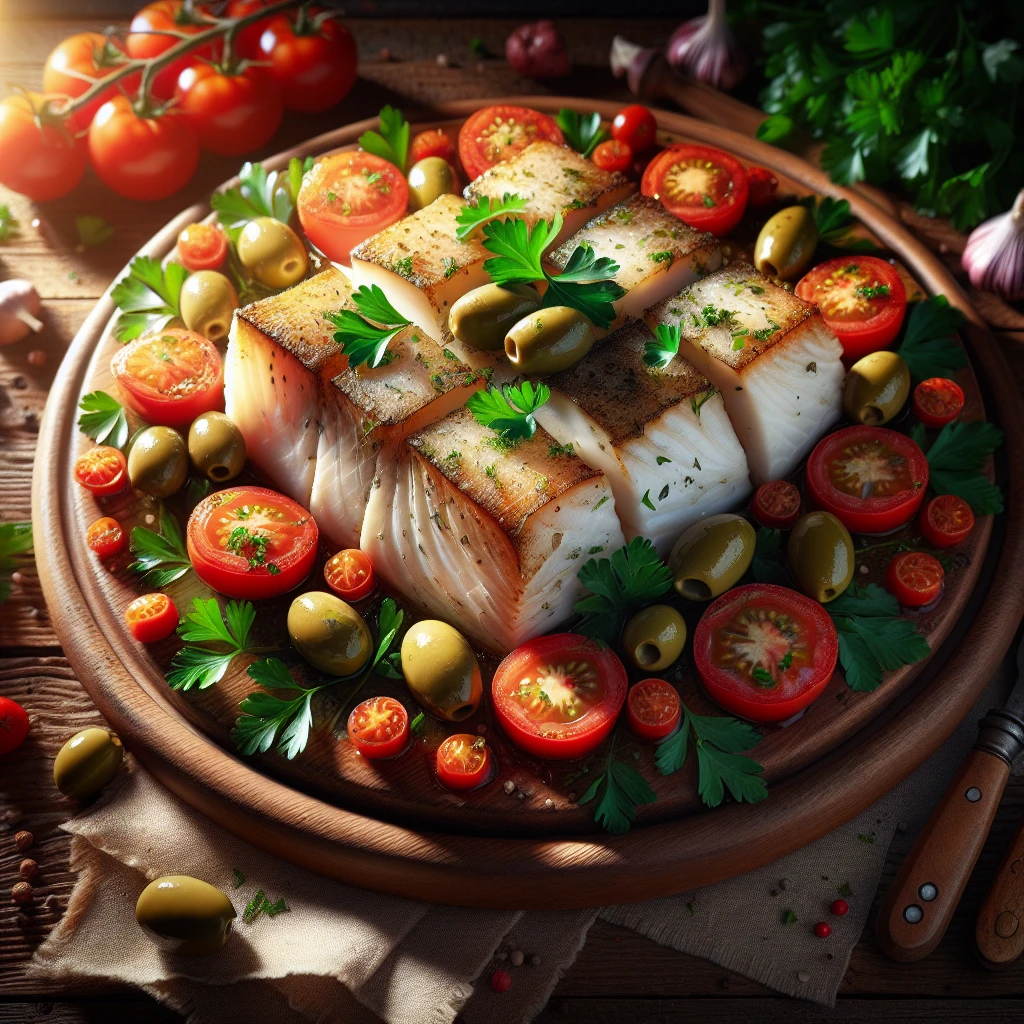
It is cooking day! Heat a generous amount of high-quality olive oil in a heavy-bottomed pan. Sauté sliced onions and minced garlic until translucent. Add crushed San Marzano tomatoes, a handful of capers, and pitted Kalamata olives. Nestle your beautiful, rehydrated chunks of cod into the sauce. Let it simmer gently for about 30 minutes until the fish easily flakes with a fork. Serve it hot with rustic bread to soak up the incredible, briny tomato sauce.
Day 7: The Leftover Magic
If you somehow have leftovers, you are in luck. Baccala tastes even better the next day after sitting in the fridge. The flavors meld, and the sauce deeply penetrates the meaty flakes of fish. You can flake the leftover fish and mix it into a warm potato salad with fresh parsley and lemon juice, or toss it directly into a hot bowl of linguine for an effortless second meal.
Myths and Realities About Cooking Salt Cod
Myth: Cooking salt cod is too difficult for a beginner home cook.
Reality: The actual cooking part is incredibly simple, usually just a quick simmer or fry. The only thing it requires is patience and remembering to change the soaking water. If you can set an alarm on your phone, you can cook this dish effortlessly.
Myth: The dish will always taste extremely salty, no matter what you do.
Reality: If your dish is too salty, the soaking process was simply cut short. When properly rehydrated over 3 to 4 days, the fish ends up with a perfectly balanced, mild, and savory flavor that is highly enjoyable.
Myth: Salt cod makes your whole house smell terrible.
Reality: High-quality dried cod smells like a fresh ocean breeze. While it has a distinct scent during the initial soaking, keeping the bowl covered in the refrigerator eliminates any strong odors in your kitchen.
Myth: This ingredient is only meant for traditional Christmas Eve dinners.
Reality: While it is an absolute staple for holiday feasts in Italian households, it is an amazing, healthy, and rustic meal that can and should be enjoyed year-round.
Frequently Asked Questions
Can I freeze rehydrated baccala?
Yes, absolutely. Once you have fully soaked and rehydrated the fish, you can pat it dry, portion it out, and freeze it in airtight bags for up to three months. Just thaw it overnight in the fridge before using.
What is the absolute fastest way to soak it?
There are no true shortcuts that yield great results, but if you are in a rush, you can cut the dry fish into much smaller pieces before soaking. This increases the surface area and can cut the soaking time down to about 48 hours.
Why is my fish tough after cooking?
Toughness usually happens if the fish was boiled too aggressively. You always want to gently poach or simmer the fish. High, rolling boils will cause the proteins to seize up and become rubbery.
What kind of potatoes work best in this dish?
Yukon Gold or waxy yellow potatoes are the best choice. They hold their shape perfectly during a long simmer and absorb the flavorful tomato and fish broth without disintegrating into mush.
Can I use milk instead of water for soaking?
Some traditional recipes recommend soaking the fish in milk for the final 12 hours. The lactic acid in the milk helps tenderize the flesh even further and pulls out any lingering strong fishy flavors.
What wine pairs best with this dinner?
Because the dish is rich, savory, and a bit acidic from the tomatoes, you want a crisp, dry white wine. A chilled Vermentino, Pinot Grigio, or even a light, un-oaked Chardonnay balances the meal perfectly.
Do I leave the skin on or take it off?
It depends on your preference, but most people remove the skin after the pre-boil phase. The skin can be quite thick and gelatinous. It is much easier to peel away once the fish has been slightly heated.
Can I fry it instead of stewing it?
Yes! Fried baccala bites are a legendary appetizer. Just pat the soaked chunks dry, dip them in a light flour or beer batter, and fry them in hot oil until golden brown and crispy.
Now that you know all the secrets, the science, and the history, there is absolutely nothing standing between you and a phenomenal homemade seafood feast. Cooking this classic baccala recipe is a rewarding process that connects you to generations of culinary tradition. Go grab a beautiful piece of salt cod from your local market, start the soaking process tonight, and get ready to experience one of the most deeply comforting meals you will ever make.

Leave a Reply