
Why This Authentic Italian Bean Salad Will Fix Your Dinner Routine
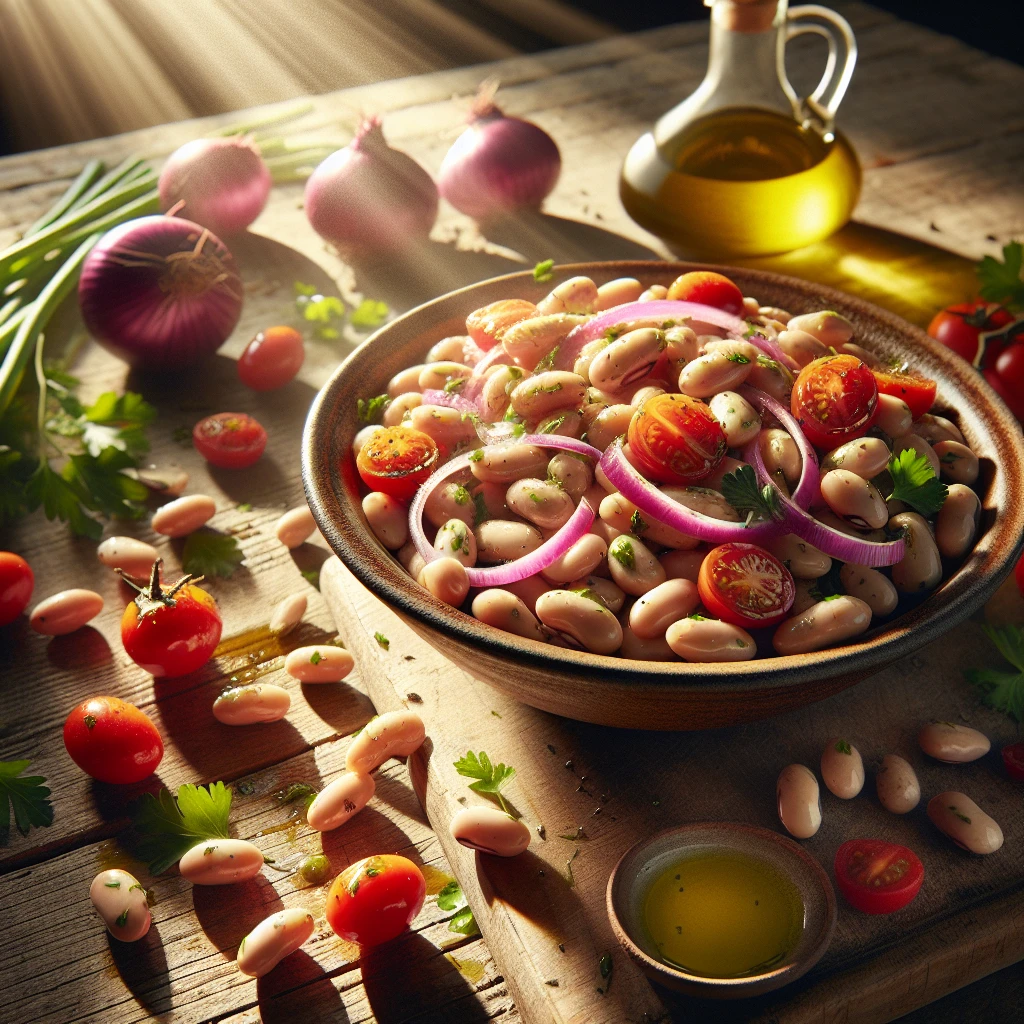
Have you ever sat down at a dinner table, exhausted from a long day, and wondered why a beautifully simple italian bean salad always manages to steal the spotlight at any Mediterranean feast? You are definitely not alone. I remember staying in a tiny, sun-drenched apartment in Florence a few years ago. The local nonna next door brought over a massive, unpretentious bowl of marinated cannellini beans tossed with crisp red onions, vibrant parsley, and an obscenely generous glug of olive oil. It tasted like absolute perfection. I asked for her secret, and she just laughed, pointing at her pantry. It turns out, the magic isn’t in complicated culinary techniques; it is all about letting high-quality ingredients mingle and build incredible flavor profiles over time.
You want a dish that acts as a reliable side, a hearty main course, or a late-night straight-from-the-fridge snack. This specific combination of creamy legumes, sharp acid, and rich fats delivers exactly that kind of versatility. Forget everything you thought you knew about boring, mushy canned vegetables. When prepared correctly with intention and care, this vibrant bowl becomes an absolute nutritional powerhouse that actually tastes better the longer it sits. You can prep a massive batch on a lazy Sunday afternoon and enjoy it all week without any drop in quality. Let me walk you through exactly how to construct the ultimate version of this beloved classic, step by step, ensuring you get that authentic, bright, zesty flavor profile every single time you mix it up.
To truly master this dish, you have to understand the fundamental building blocks of a proper Mediterranean legume mix. We are entirely bypassing the sad, bland deli counter variations and focusing on building a structural masterpiece of taste. The foundation of any memorable italian bean salad relies heavily on the specific types of legumes you select, the aggressive seasoning of your dressing, and the resting period you allow before serving. When you combine these elements correctly, you get a meal that hits every single craving note imaginable.
Think about the ultimate picnic scenario. Mayonnaise-based potato salads spoil rapidly in the sun, creating a stressful dining experience. Conversely, an oil-and-vinegar-dressed bean mixture actually thrives at room temperature, releasing more aromatic oils and becoming more flavorful as the afternoon progresses. Another perfect use case is the post-workout meal. When you come home physically drained, you need immediate protein and complex carbohydrates without having to turn on a hot stove. Pulling a cold, marinated legume mix straight from the refrigerator solves this problem instantly.
| Bean Variety | Flavor Profile & Texture | Best Culinary Role |
|---|---|---|
| Cannellini (White Kidney) | Creamy, earthy, slightly nutty with a tender skin. | Acts as the primary base; absorbs the vinaigrette deeply. |
| Red Kidney Beans | Firm, robust, holds shape well under mixing. | Provides visual contrast and a satisfying structural chew. |
| Garbanzo (Chickpeas) | Dense, slightly sweet, highly durable. | Adds distinct texture and bulk to the overall dish. |
To ensure your preparation goes flawlessly, you must adhere to a few foundational rules of construction. These are non-negotiable if you want restaurant-quality results:
- Always Rinse Thoroughly: If utilizing canned products, you must rinse off the starchy canning liquid completely. This prevents the final dressing from becoming murky and unappetizing.
- Temperature Matters: Mix the ingredients while the beans are at room temperature. Cold beans will cause the olive oil to congeal slightly, preventing proper flavor absorption.
- The Two-Hour Minimum Rule: Never serve this dish immediately after mixing. It requires an absolute minimum of two hours in the refrigerator for the acids to penetrate the thick skins of the legumes.
The Humble Peasant Origins
The history of this brilliant concoction is deeply rooted in the concept of ‘cucina povera’, which translates to the kitchen of the poor. Historically, meat was an incredibly rare luxury for the average rural Italian family. To survive the physically demanding agricultural lifestyle, families needed a robust, cheap, and shelf-stable source of dense protein and calories. Beans perfectly filled this massive dietary void. The residents of Tuscany actually earned the historical nickname ‘mangiafagioli’, which translates literally to ‘bean eaters’. They would simmer massive clay pots of legumes in the dying embers of the hearth overnight, waking up to a fully cooked, deeply savory meal that required almost zero active effort.
Evolution Through the Renaissance
The dish we recognize today went through significant changes during the Renaissance period, particularly following the Columbian Exchange. Before explorers returned from the Americas, European diets relied heavily on Old World legumes like broad beans and lentils. The introduction of New World varieties, specifically the common Phaseolus vulgaris which gave us kidney and navy beans, revolutionized the Mediterranean diet. These new varieties possessed thinner skins and creamier interiors, making them dramatically superior for cold, marinated preparations. Noble families began adopting these ‘peasant’ foods, elevating them with expensive imported spices, high-grade olive oils, and complex vinegars, creating the blueprint for the vibrant salads we enjoy presently.
The Modern State of Legume Gastronomy
Now that we are well into 2026, the global culinary landscape has heavily shifted toward sustainable, plant-forward eating patterns. Grocery prices have fluctuated, and consumers have realized that returning to historical, budget-friendly recipes is incredibly smart. This classic preparation has experienced a massive resurgence among fitness enthusiasts, busy professionals, and elite chefs alike. Contemporary iterations often feature localized twists, incorporating micro-greens, fermented hot honeys, or artisanal infused oils, but the core philosophy remains entirely unchanged. It is a testament to the fact that brilliant flavor combinations simply do not expire; they only adapt to the tools and tastes of the current generation.
The Mechanics of Acid Marination
Creating an exceptional italian bean salad is fundamentally an exercise in practical chemistry. When you whisk together extra virgin olive oil and red wine vinegar, you are attempting to force two entirely antagonistic liquids into an emulsion. To stabilize this mixture, we rely on the natural emulsifying properties of Dijon mustard or crushed raw garlic. The acid from the vinegar plays a highly functional role beyond mere taste. Legumes possess a tough outer cellulose skin. The acetic acid works to slowly break down these complex carbohydrates on a microscopic level. This slow degradation softens the exterior just enough to allow the sodium and flavorful lipid molecules to pass through the cellular walls via osmosis. This is exactly why the dish tastes exponentially better on the second or third day; the chemical penetration is finally complete.
Nutritional Synergies and Bioavailability
You cannot discuss this recipe without analyzing the specific nutritional synergies happening within the bowl. Legumes are famously packed with non-heme iron, which is the plant-based form of iron. Unfortunately, the human digestive system struggles to absorb non-heme iron efficiently on its own. However, when you introduce a massive dose of Vitamin C—provided generously by fresh lemon juice, raw bell peppers, and fresh parsley—you chemically alter the iron into a highly bioavailable state. Your body can suddenly absorb and utilize these critical minerals with incredible efficiency.
- Resistant Starch Benefits: Cooled, marinated beans develop high levels of resistant starch, which bypasses immediate digestion and feeds beneficial gut microbiome bacteria, promoting exceptional digestive health.
- Glycemic Control: The combination of high dietary fiber from the legumes and healthy fats from the extra virgin olive oil creates a highly blunted glycemic response, preventing any severe blood sugar spikes after eating.
- Antioxidant Preservation: By consuming the garlic, onions, and parsley in their completely raw, unheated state, you preserve the volatile antioxidant compounds (like allicin in garlic) that are typically destroyed during the cooking process.
Day 1: The Classic Baseline Preparation
Begin your week by making the massive master batch. Combine two cans of rinsed cannellini beans, one can of dark red kidney beans, and one can of chickpeas. Finely dice one large red onion, chop a full bunch of fresh flat-leaf parsley, and mince four cloves of fresh garlic. Whisk together half a cup of premium extra virgin olive oil, a quarter cup of sharp red wine vinegar, a tablespoon of Dijon mustard, dried oregano, sea salt, and heavily cracked black pepper. Toss everything aggressively in a massive glass bowl. Cover tightly and refrigerate. This is your blank canvas for the rest of the week.
Day 2: The Tuna Protein Boost
For Tuesday’s lunch, scoop out a generous portion of your baseline mixture. Take one can of high-quality, oil-packed yellowfin tuna and flake it directly into the bowl. The rich, savory oils from the tuna blend seamlessly with the existing acidic vinaigrette, creating an incredibly satisfying, high-protein meal that rivals any fancy bistro Niçoise. Finish it with a fresh squeeze of lemon juice to cut through the added richness.
Day 3: Mediterranean Olive and Feta Twist
By Wednesday, the core ingredients have reached peak marination. To keep your palate excited, chop up a handful of pitted Kalamata olives and crumble a thick block of authentic sheep’s milk feta cheese over your portion. The intense briny salinity of the olives and the creamy, sharp tang of the feta completely alter the flavor profile, steering the dish slightly away from Italy and closer to a Greek tavern experience.
Day 4: Roasted Red Pepper Infusion
Thursday requires a touch of sweetness to balance the developing acidity. Take half a jar of high-quality roasted red peppers, drain them, and slice them into thin strips. Fold these deeply sweet, slightly smoky peppers into your serving. The soft texture of the peppers perfectly complements the firm chew of the garbanzo beans, adding a beautiful ruby-red visual contrast that makes the meal feel entirely brand new.
Day 5: Adding Arugula for Peppery Crunch
As we hit Friday, your batch might be looking a little uniformly soft. It is time to introduce fresh, aggressive texture. Take two massive handfuls of fresh, crisp baby arugula and toss them with your portion just right before eating. The natural peppery, almost spicy bite of the arugula leaves cuts right through the dense creaminess of the legumes, while adding a necessary volume that makes the bowl feel like a massive, leafy green main course.
Day 6: The Pesto Vinaigrette Upgrade
Saturday calls for indulgence. Take a tablespoon of rich, basil-heavy Genovese pesto and vigorously stir it into your serving. The pine nuts, parmesan cheese, and massive amounts of fresh basil act as a flavor bomb, completely overriding the original red wine vinegar profile and wrapping the beans in a luxurious, bright green, highly herbaceous coating. It pairs exceptionally well with a crisp glass of chilled white wine.
Day 7: The Warm Bean Salad Variation
For the final day, take whatever remains in your container and throw it directly into a moderately hot skillet. Sauté the mixture for just three to four minutes until the beans are heated through and the edges of the red onions start to caramelize slightly. The heat alters the chemical structure of the olive oil dressing, creating a warm, comforting, stew-like side dish that pairs flawlessly alongside a piece of roasted chicken or grilled fish.
Myth: Canned beans are inherently inferior to dried varieties and should be avoided by serious cooks.
Reality: While cooking dried heirlooms from scratch offers wonderful texture control, high-quality canned beans are an absolutely spectacular, nutritionally identical convenience product. Once rinsed properly, they absorb marinades brilliantly and save you upwards of twelve hours of soaking and simmering time.
Myth: You must serve this dish immediately while the herbs are perfectly crisp.
Reality: Eating this immediately is actually a massive mistake. The ingredients need substantial time to exchange flavors. A minimum of two to four hours of resting time is required, and the dish usually peaks in flavor on the second or third day in the refrigerator.
Myth: It lacks sufficient protein to be considered a complete, satiating meal.
Reality: Legumes are incredibly dense sources of plant-based protein. A standard two-cup serving of this mixture provides ample protein, highly complex carbohydrates, and immense amounts of dietary fiber, keeping you completely full and energized for hours without any meat whatsoever.
Myth: The dressing must be made with cheap white vinegar to keep the color bright.
Reality: Cheap white distilled vinegar provides harsh, one-dimensional acidity. You absolutely need the complex, fruity notes of a high-quality red wine vinegar, apple cider vinegar, or fresh citrus to build a sophisticated flavor profile.
How long does this stay fresh in the refrigerator?
Stored in a highly airtight glass container, your batch will remain incredibly fresh, safe, and delicious for up to five full days. The acid and oil act as natural preservatives for the vegetables.
Can I freeze the leftovers for later?
Freezing is highly discouraged. The freezing process destroys the cellular structure of the beans and the fresh vegetables. Upon thawing, you will be left with a mushy, watery, extremely unappetizing mess.
What is the absolute best type of onion to use?
Red onions are the undisputed champion here. They offer the perfect balance of sharp bite, slight sweetness, and a brilliant purple color. If they are too strong for your palate, soak the sliced onions in cold water for ten minutes before mixing.
Can I substitute dried herbs for the fresh parsley?
While dried oregano works brilliantly in the vinaigrette, you absolutely need fresh parsley or fresh basil for the main bulk of the dish. Dried herbs cannot replicate the bright, grassy freshness that the dish desperately requires.
Do I need to peel the chickpeas first?
Peeling chickpeas creates a marginally smoother texture, but it is an incredibly tedious, time-consuming process that removes valuable dietary fiber. For a rustic, hearty bowl, leave the skins exactly where they are.
What if the salad tastes too acidic?
If you accidentally pour too much vinegar, balance the harshness by stirring in a small pinch of white sugar, a drizzle of pure maple syrup, or simply adding more mild extra virgin olive oil to dilute the acid.
Can I add fresh tomatoes to the mix?
Cherry or grape tomatoes are fantastic additions, but they shorten the shelf life of the dish significantly. If you plan to meal-prep for the entire week, only add the freshly sliced tomatoes to individual portions right before eating.
Mastering this simple, elegant recipe gives you a permanent, reliable tool in your culinary arsenal. You no longer have to stress about what to bring to a neighborhood potluck or what to pack for a nutrient-dense office lunch. By respecting the humble ingredients, utilizing proper marination times, and trusting the aggressive power of a good acidic dressing, you transform basic pantry staples into a vibrant, mouth-watering masterpiece. Go to your kitchen, grab those cans from the back of the pantry, and start building your own perfect bowl today. Your future self will definitely thank you.
Leave a Reply