
The Magic of Authentic Meringata
Have you ever tasted a slice of genuine meringata and wondered how something so incredibly light could pack such an unforgettable flavor punch? I am talking about that pristine, snow-white Italian dessert that melts on your tongue, leaving behind notes of vanilla, rich cream, and the delicate crunch of baked sugar. It is the kind of treat that stops conversations mid-sentence.
Honestly, my deepest appreciation for this dessert did not even start in Italy. It happened right here in Ukraine. A few winters ago, I was sitting in a cozy, hidden pastry shop near Zoloti Vorota in Kyiv. Outside, the snow was falling heavily, but inside, the chef handed me a slice of what looked like a frozen cloud. It was a perfectly crafted meringata, balancing the crispness of baked egg whites with a velvety semifreddo-like cream. The contrast between the freezing temperatures outside and this rich, frozen masterpiece inside was just magical. That exact moment sent me on an obsessive quest to master the ultimate frozen meringue cake.
This is not just another random sweet treat you casually throw together. It is an experience. If you want to create a dessert that makes your friends and family beg for the recipe, you are in the exact right place. We are going to break down every single secret to pulling off this elegant showstopper without losing your mind in the kitchen.
Unpacking the Frozen Meringue Dream
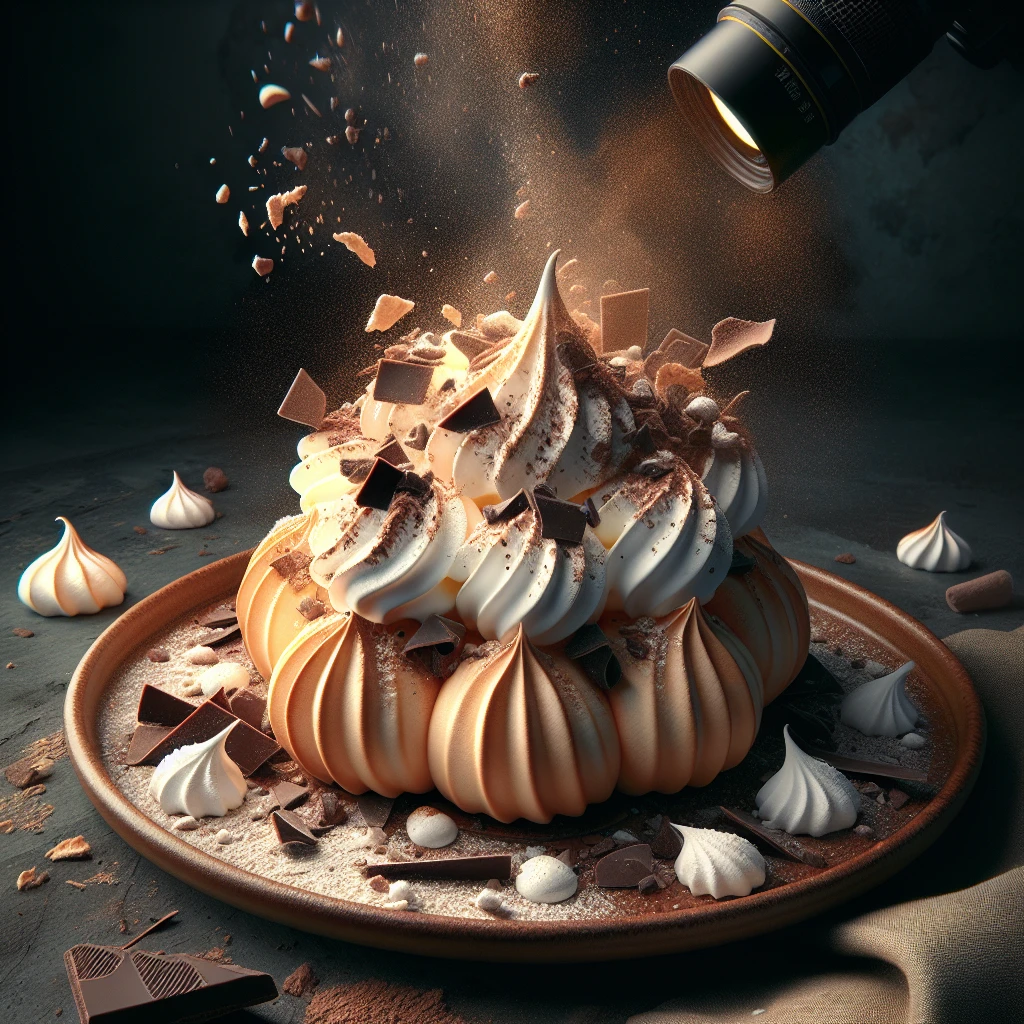
So, what exactly makes a meringata so special? At its core, it is a frozen Italian cake constructed from alternating layers of crisp, baked meringue discs and rich, lightly sweetened whipped cream (usually Chantilly). Unlike cakes that rely on heavy flour sponges, this relies entirely on air, sugar, and fat. The real magic happens in the freezer. As it rests, the cream slightly softens the inner layers of the meringue, creating a texture that is sliceable, creamy, yet still retains a satisfying crunch on the outside.
| Dessert Type | Core Base Texture | Traditional Serving Style |
|---|---|---|
| Meringata | Fully crisp baked discs, frozen | Semifreddo (Served straight from the freezer) |
| Pavlova | Crisp exterior, soft marshmallow center | Chilled or room temperature |
| Eton Mess | Shattered, irregular crunchy pieces | Layered informally in a glass |
There is a massive value proposition to choosing this over a traditional layer cake. First off, it is the ultimate make-ahead magic trick for dinner parties. You can—and actually should—build it days in advance. While you are busy entertaining guests or cooking the main course, your dessert is safely chilling in the freezer, already completely finished. Second, it is a naturally gluten-free crowd-pleaser. You do not have to worry about specialty flours or dense textures; it is naturally airy and completely free of wheat.
To truly nail it, you need to understand the three essential components of a perfect build:
- The Structural Shell: Two perfectly baked, completely dry meringue discs that act as the foundation and roof.
- The Airy Filling: A premium Chantilly cream, often folded with high-quality dark chocolate shavings or toasted hazelnuts to offset the sweetness.
- The Textural Contrast: The crushed rubble of extra meringue that coats the outside, providing a protective, crunchy barrier against the freezer burn.
The Origins of Meringata
To really appreciate what you are eating, you have to look at where it came from. The history of meringue itself is fiercely debated among the Swiss, French, and Italians. Legend claims it was invented in the Swiss village of Meiringen by an Italian chef named Gasparini in the 17th century. However, the specific creation of the torta meringata as a frozen, layered masterpiece is undeniably a product of Northern Italian gelateria culture. Italian chefs realized that freezing whipped cream between layers of baked sugar created an ice-cream-like cake that didn’t require constant churning.
Evolution Across Europe
As the recipe traveled across European borders, it morphed. In France, similar techniques gave birth to the Vacherin, which often incorporates sorbet or ice cream alongside the meringue. But the Italian version stayed true to its simplicity: cream, sugar, and egg whites. Over the decades, it became a staple of Sunday family lunches and grand celebrations. It was the dessert you ordered at a traditional trattoria when you wanted something lighter than tiramisu but richer than a simple panna cotta. The beauty was in its restraint.
The Modern State of Meringue Desserts
Fast forward to the current culinary landscape. As we navigate the dessert trends of 2026, pastry chefs are taking the classic meringata and pushing its boundaries. We are seeing versions infused with savory elements—think high-quality extra virgin olive oil folded into the cream, or a dusting of freeze-dried balsamic strawberries on top. Yet, even with all these wild innovations, the traditional vanilla and chocolate-flecked version remains the absolute gold standard. People crave comfort, and nothing delivers elegant comfort quite like the original recipe.
The Chemistry of Egg Whites
Let us talk science for a minute, because baking is basically delicious chemistry. When you whip egg whites, you are mechanically unravelling tightly coiled proteins—specifically ovalbumin. As these proteins unfold, they bond with each other, forming a complex network that traps tiny air bubbles. Sugar acts as the stabilizing glue for this structure. If you add the sugar too early, the proteins cannot unfold properly, resulting in a flat puddle. If you add it too late, the foam over-coagulates and breaks. You need that precise, glossy, stiff-peak stage to ensure your layers have the structural integrity to hold up layers of heavy cream.
Temperature and Freezing Dynamics
The magic of this dessert really happens below zero. Unlike a standard cake that goes stale in the fridge, this dessert relies on freezing dynamics. The high fat content of the heavy cream acts as an insulator, preventing ice crystals from forming too aggressively, while the high sugar content in the meringue drops the freezing point. This is why you can slice it straight out of the freezer without needing a chainsaw.
Here are a few fascinating scientific facts about the process:
- Protein Denaturation: Mechanical whipping denatures up to 90% of the egg white proteins, transforming them from a liquid into a solid-like foam.
- Fat Inhibition: Even a single drop of egg yolk (which contains fat) will completely coat the proteins, preventing them from bonding and ruining your foam.
- Hygroscopy: Baked sugar is highly hygroscopic, meaning it constantly pulls moisture from the air. The freezer environment (and the coating of fat from the cream) actually protects the crunchiness better than leaving it on a humid kitchen counter.
Step 1: Prep the Egg Whites
Start with perfectly clean, grease-free bowls—stainless steel or glass is mandatory. Separate your eggs while they are cold (the yolks break less easily), but let the whites sit at room temperature for at least an hour before whipping. Room temperature whites whip up significantly faster and hold more air.
Step 2: Whip to Stiff Peaks
Using a hand mixer or stand mixer, start whipping the whites on medium-low speed until they look like foamy beer. Gradually shower in fine caster sugar, one tablespoon at a time. Do not rush this. You are looking for a glossy, thick mixture that holds a stiff, proud peak when you lift the beaters. Rub a little between your fingers; if it feels gritty, keep whipping until the sugar is fully dissolved.
Step 3: Pipe and Bake Low
Draw two 8-inch circles on parchment paper and flip the paper over. Pipe or spread your mixture evenly into these circles. Use any leftover mixture to pipe small kisses—these will be crushed for the outside coating later. Bake at a very low temperature (around 200°F or 90°C) for about two hours. You are not really baking them; you are dehydrating them. Turn the oven off and let them cool inside completely.
Step 4: Craft the Chantilly Cream
Take heavy whipping cream (at least 35% fat) straight from the fridge. Whip it with a touch of powdered sugar and a generous splash of pure vanilla extract. You want it firm enough to hold its shape but not over-whipped to the point of turning into butter. Gently fold in some high-quality dark chocolate shavings for that classic Italian touch.
Step 5: The Assembly Process
Place your first baked disc on a serving platter. Spread a thick, even layer of the Chantilly cream over it. Place the second disc on top, pressing down just slightly. Now, use the remaining cream to completely frost the top and the sides of the cake. It doesn’t have to be perfectly smooth because you are going to cover it anyway.
Step 6: The Freezing Phase
Take those extra little baked kisses you made and crush them into coarse crumbs. Press these crumbs generously all over the top and sides of the frosted cake. Now, place the entire thing in the freezer. It needs an absolute minimum of 4 hours to set up properly, but leaving it overnight yields the best texture by far.
Step 7: Garnish and Serve
When you are ready to impress, pull it out of the freezer about 10 minutes before serving. This slight resting period at room temperature makes slicing much easier. Use a large, sharp knife dipped in hot water. Garnish with a fresh dusting of powdered sugar, maybe some fresh berries if you are feeling colorful, and serve immediately.
Myths vs Reality
Myth: You absolutely need fresh eggs straight from the farm to get a good foam.
Reality: Aged egg whites actually whip up much better! As eggs sit in the fridge for a few days, their whites thin out, which makes them easier to whip into a massive, voluminous foam.
Myth: Meringata is basically just a frozen Pavlova.
Reality: A proper Pavlova has a soft, marshmallow-like center due to the addition of vinegar or cornstarch. This dessert uses a purely crisp, dry base that gets its contrasting softness solely from the frozen cream layers.
Myth: You cannot possibly make this on a humid or rainy day.
Reality: While humidity does make baking the discs tricky, the fact that you immediately assemble and freeze this cake means you bypass the usual weeping and softening issues once it is constructed.
Myth: It requires expensive, professional pastry equipment.
Reality: A standard $15 hand mixer, a bowl, and an oven are literally all you need to pull off a bakery-level masterpiece.
Can I freeze it for a week?
Yes, absolutely. Wrap it tightly in plastic wrap once it is fully frozen solid, and it will keep beautifully for up to two weeks without losing its texture.
Why did my meringue collapse?
You likely added the sugar too quickly, or there was a microscopic trace of egg yolk or grease in your mixing bowl. Cleanliness is key.
Is meringata gluten-free?
Yes! As long as you ensure your powdered sugar and any chocolate add-ins are processed in a wheat-free facility, the core recipe contains zero gluten.
Can I add fresh fruit inside?
You can, but be careful. Fresh fruit freezes rock solid and can make slicing difficult. It is better to serve fresh fruit compote warm over the sliced dessert.
What is the best chocolate to use?
A good quality 70% dark chocolate bar, shaved finely with a vegetable peeler, provides the perfect bitter contrast to the sweet cream.
Do I serve it straight from the freezer?
Give it about 10 minutes on the counter to take the hard chill off. It makes slicing cleaner and the cream tastes richer when slightly softened.
Can I use store-bought meringue nests?
In a major rush, yes. Just crush them slightly to form a flat base layer. However, the texture and flavor will never match the homemade version.
There you have it—the complete, no-nonsense blueprint to creating an absolutely flawless meringata right in your own kitchen. It might seem like a lot of steps, but once you get the rhythm down, it becomes second nature. The crispness, the rich cream, the sheer elegance of pulling a frozen cake out of your freezer to stun your guests is worth every second of whipping those egg whites. Do not let the fear of cracking proteins hold you back. Grab your hand mixer, separate those eggs, and give it a try this weekend. Drop a comment below and let me know how yours turns out!
Leave a Reply