

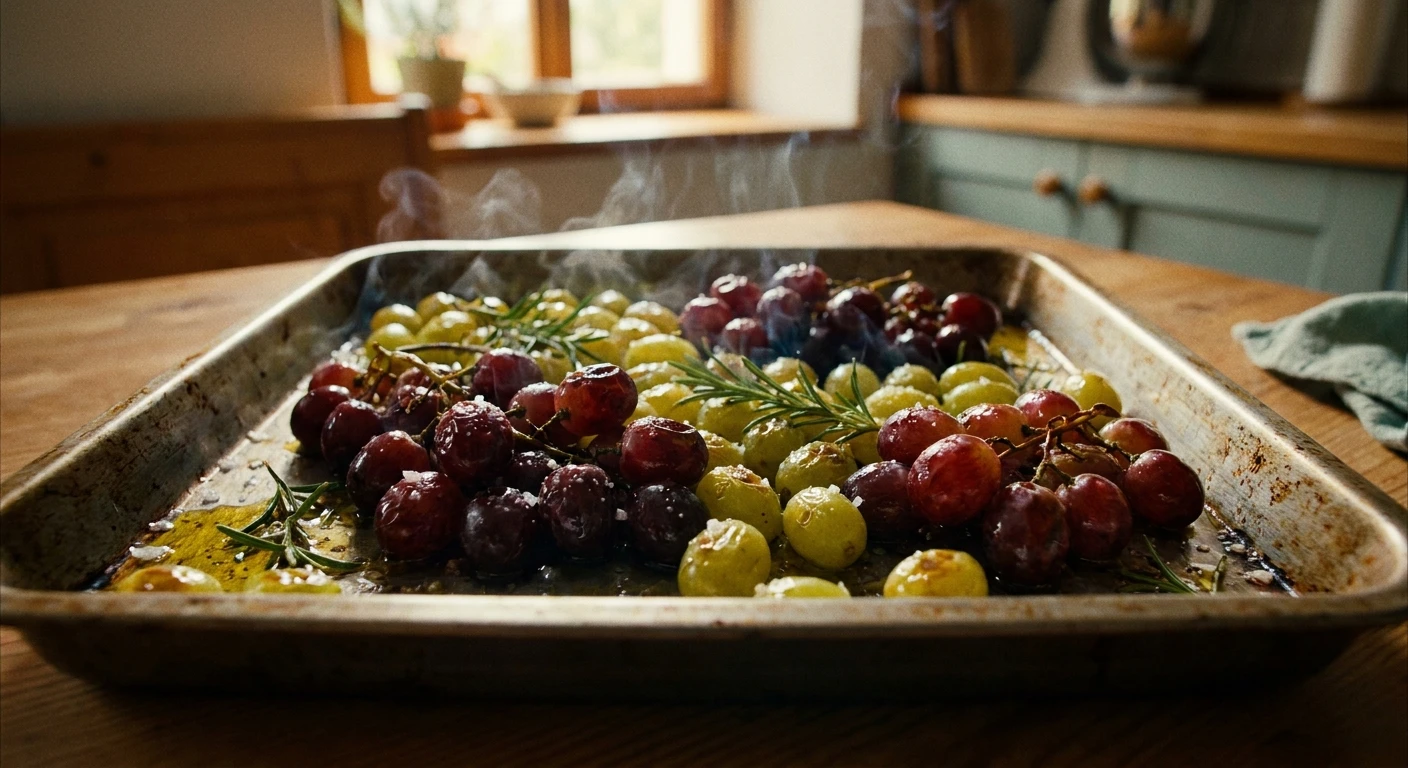
Why You Need to Try Roasted Grapes Today
Have you ever pulled a tray of blistering, caramel-scented roasted grapes from the oven and realized you have been eating fruit wrong your entire life? If you have not experienced this yet, you are in for a massive culinary treat. Exposing these little juicy orbs to high ambient heat completely changes their fundamental nature. It concentrates their natural sugars, turns their skins into savory, slightly charred crisps, and creates a deeply complex ingredient that elevates absolutely everything from your morning bowl of oatmeal to an elegant evening cheese board. Let me tell you a quick story about my own introduction to this technique. Last autumn in Kyiv, during a particularly chilly evening when the neighborhood power was flickering on and off, my grandmother and I decided to throw a bunch of older, slightly sad-looking fruit into our old gas oven alongside some hearty root vegetables. The result was nothing short of legendary. We pulled out a pan of sticky, jammy perfection that perfectly balanced the salty Ukrainian salo and dark rye bread we had waiting on the table. Honestly, since that freezing night, I have never looked back. The intense heat forces the moisture out just enough to intensify the innate sweetness while introducing a gorgeous roasted depth that makes them totally irresistible. It is an absolute game changer for home cooks.
The Ultimate Flavor Upgrade
When you pop them into a hot oven, you are unlocking a massive flavor upgrade that requires almost zero technical skill. The real beauty of this method lies in how heat radically alters the physical structure and taste profile of the fruit. By drawing out water, you leave behind an intensely concentrated syrup trapped inside a savory, seasoned skin. The resulting flavor is sweet, herbaceous, salty, and tart all at once.
| State of the Fruit | Physical Texture | Dominant Flavor Profile |
|---|---|---|
| Raw and Uncooked | Crunchy, snappy, and firm | Bright, highly watery, slightly tart |
| Oven-Baked | Soft, jammy, and bursting | Deeply sweet, savory, richly caramelized |
| Pan-Seared | Blistered exterior, semi-firm inside | Smoky, slightly bitter edge, sweet core |
The core value proposition here is unmatched versatility. You are taking one of the most basic fruits in your crisper drawer and turning it into a high-end gourmet condiment. For example, spooning these warm, herbaceous beauties over a wheel of baked Brie or Camembert instantly creates a restaurant-quality appetizer that will impress any guest. Another brilliant example is tossing them straight into a pan of roasted Brussels sprouts or bitter greens; the intense jammy sweetness perfectly cuts the earthy, bitter notes of the vegetables, balancing the dish flawlessly.
Here is exactly how you execute this simple technique at home:
- Wash and dry aggressively: Any leftover water clinging to the skins will steam the fruit instead of roasting it. Use a clean kitchen towel and get them bone dry.
- Toss with fat and aromatics: Coat them generously in high-quality extra virgin olive oil, a heavy pinch of flaky sea salt, and a few sprigs of fresh woody herbs like rosemary or thyme.
- Roast hot and fast: Blast them in the oven at 400 degrees Fahrenheit (about 200 degrees Celsius) until they blister, wrinkle, and begin to pop, which usually takes about twenty to twenty-five minutes depending on their size.
Origins of Heating Fruit
Long before we had precision convection ovens, early cooks understood that fire and heat profoundly transformed raw ingredients. The practice of applying heat to grapes dates back to ancient Mediterranean cultures, particularly in Rome and Greece. While sun-drying was the primary method used to preserve them as raisins for long journeys, early cooks also roasted fresh clusters near open hearths to serve alongside rich, fatty meats. The wood fire imparted a smoky flavor that ancient palates craved, balancing the heavy, unrefined salted meats of the era.
Evolution Across Europe
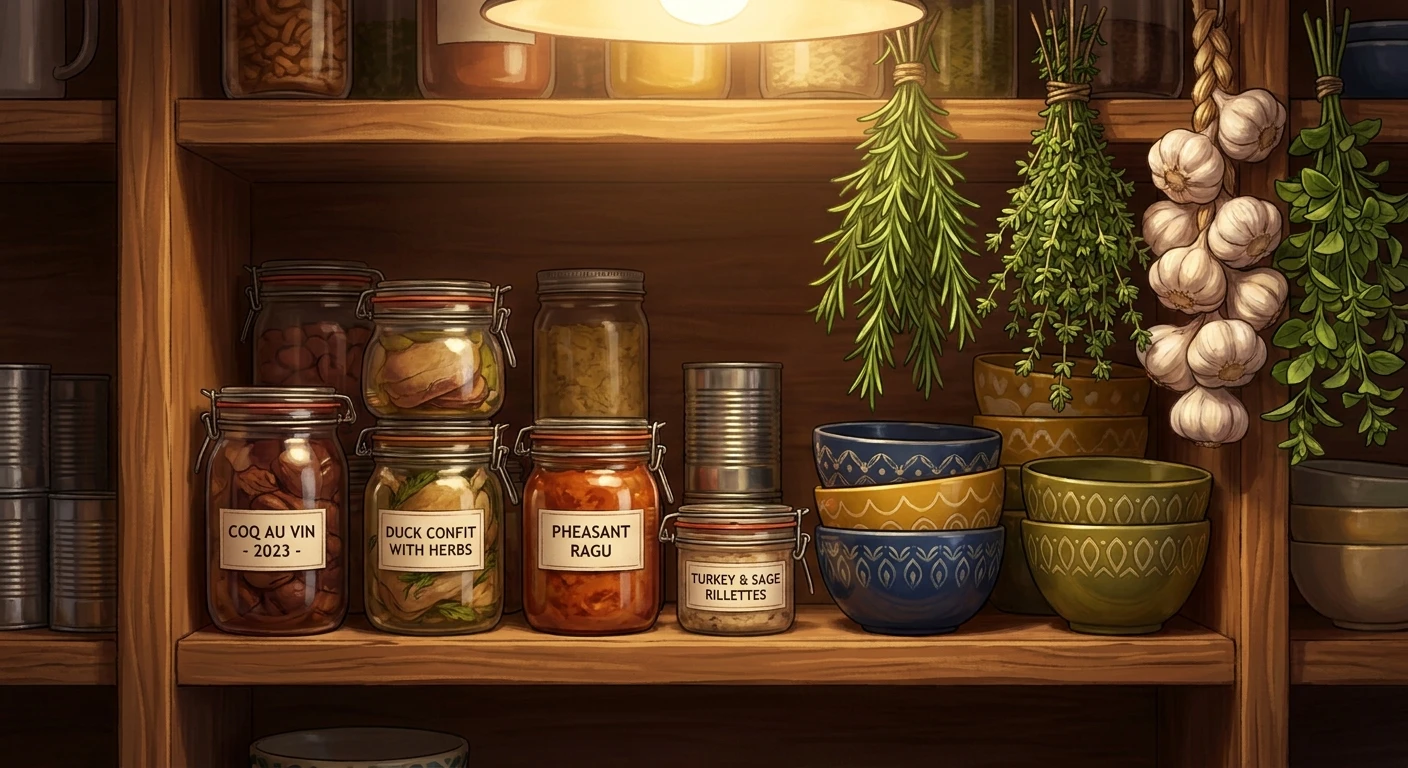
As we moved into the medieval period, the European culinary landscape embraced the marriage of sweet and savory on a single plate. Elaborate feasts often featured roasted fowl—like quail, pheasant, and duck—served with roasted fruits. French and Italian farmhouse kitchens maintained the rustic tradition of tossing aging produce into the embers of a bread oven. It was a practical, zero-waste strategy to ensure that slightly bruised or softening fruit was never thrown away, but rather repurposed into a luxurious, sweet-and-sour condiment.
Modern State of Grape Gastronomy
Fast forward to the current culinary scene, and the year is 2026. The high-end dining world has fully embraced rustic, simple, ingredient-driven cooking. We see this specific preparation everywhere, from high-end artisan pizzerias topping their pies with Gorgonzola and blistered fruit, to fancy brunch spots charging a premium for ricotta toast adorned with charred clusters. Despite its popularity in fine dining, it remains one of the most accessible, affordable, and foolproof techniques a home cook can master. We have moved past overly complicated gastronomy and returned to the primal, satisfying act of roasting.
The Magic of Sugar Concentration
What happens inside the oven is nothing short of a culinary science experiment. When exposed to 400-degree heat, the water inside the flesh begins to heat up rapidly and evaporate. Because fruit is primarily composed of water, removing a significant percentage of it drastically concentrates the natural sugars left behind. This concentration process is what shifts the flavor profile from brightly tart and watery to deeply rich, syrupy, and complex. The high heat also triggers mild caramelization on the exterior skins, specifically where the fruit touches the hot metal of the baking sheet.
Cellular Breakdown and Flavor Development
Beyond just sugar concentration, the physical structure of the fruit breaks down in a way that completely alters the mouthfeel. The high temperatures compromise the cellular walls, allowing the juices to mingle with the olive oil and salt to create a self-saucing glaze on the pan.
- Brix Level Spikes: Brix is the scientific measurement of sugar content in liquids. As the water evaporates during the baking process, the Brix level spikes dramatically, resulting in a significantly sweeter perceived taste.
- Maillard Reaction: Even though they are fruit, the natural sugars and minimal proteins react to the high ambient heat, creating complex, browned, savory flavors on the outer skin that you cannot get from raw fruit.
- Pectin Gelatinization: The natural pectin found inside the flesh begins to break down and thicken the remaining juices, creating a luscious, jam-like consistency inside the blistered skin.
- Acid Reduction: The perceived acidity drops significantly as the sugars caramelize and concentrate, making even the most tart green varieties taste surprisingly rich, mellow, and balanced.
Day 1: The Basic Savory Snack
For your first foray into this technique, keep it incredibly simple. Toss a large handful of red seedless varieties with olive oil, flaky salt, and black pepper. Bake them until blistered, let them cool slightly, and eat them straight off the sheet pan like savory candy. It is the perfect introduction to the flavor.
Day 2: The Ultimate Cheese Board
Elevate your evening wind-down or a gathering with friends by making them the star of a charcuterie board. Serve a warm cluster alongside a log of tangy goat cheese, crisp artisan crackers, and toasted walnuts. The combination of creamy cheese and jammy fruit is unbeatable.
Day 3: Roasted Grape Focaccia
If you love baking, press raw halves deeply into a pan of proofed focaccia dough. Drizzle heavily with olive oil, sprinkle with coarse sea salt and fresh rosemary, and bake. The juices will bleed into the airy bread, creating pockets of incredible sweet-and-salty flavor.
Day 4: Salad Elevation
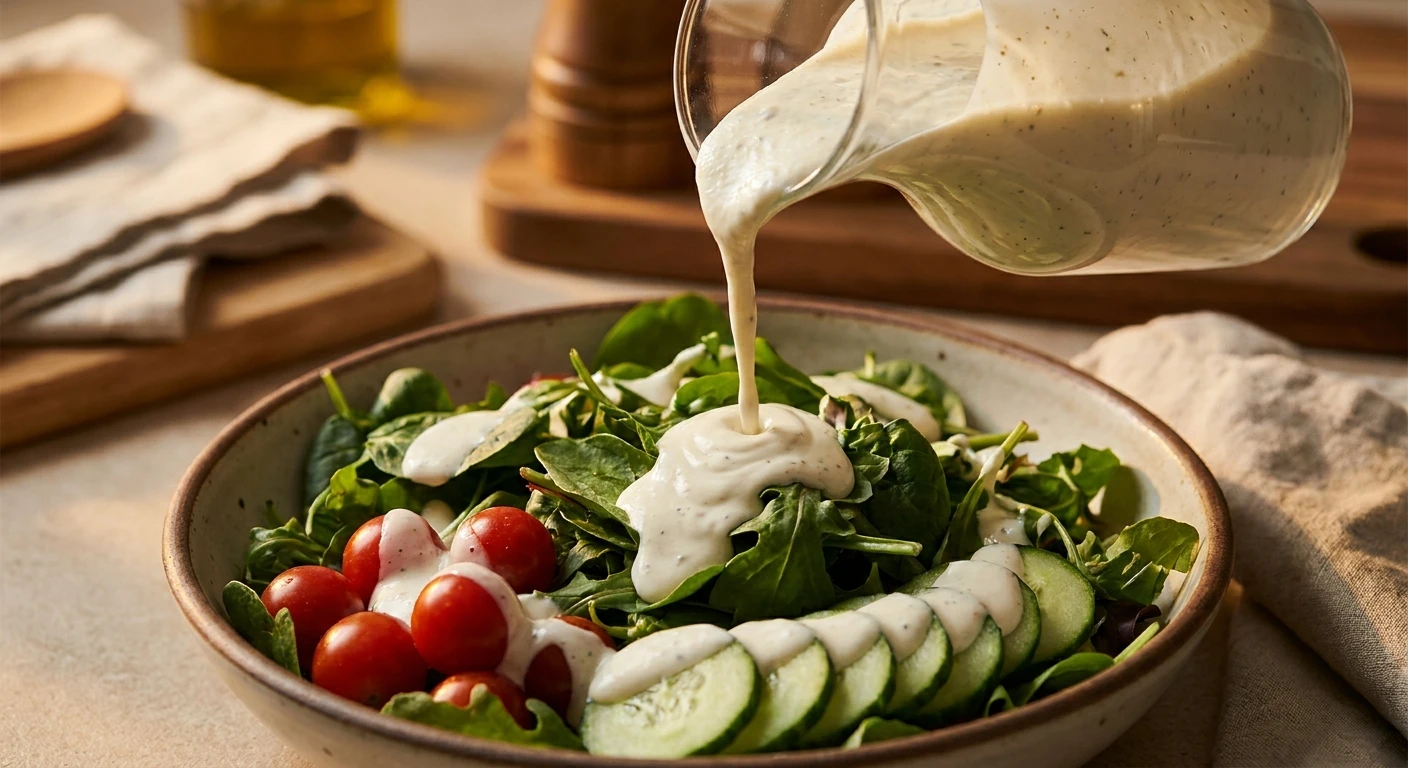
Upgrade a boring weekday lunch by tossing a handful of cooled, blistered fruit into a spicy arugula salad. Add some shaved Parmesan cheese, toasted pine nuts, and dress it all with a sharp balsamic vinaigrette. The intense sweetness balances the peppery greens perfectly.
Day 5: The Meat Pairing
Move over cranberry sauce and apple chutney. Serve a warm, savory batch alongside pan-seared pork chops, roasted chicken thighs, or duck breast. The sweet and savory juices from the pan act as a natural, luxurious sauce for the meat.
Day 6: Breakfast Revolution
Transform your morning routine by swirling a spoonful of these soft, jammy treats into a bowl of plain Greek yogurt or warm oatmeal. Top it with a drizzle of honey and some crunchy almond granola for a breakfast that feels like an expensive hotel luxury.
Day 7: The Sweet Dessert Finish
Finish the week on a decadent note. Serve a piping hot batch straight out of the oven over two scoops of high-quality vanilla bean ice cream. Drizzle a tiny bit of your best extra virgin olive oil over the top and finish with a singular pinch of sea salt.
Clearing Up Common Misconceptions
Let’s clear up some massive misconceptions about this cooking technique, as many people are hesitant to put soft fruit into a hot oven.
Myth: They just turn into warm, dry raisins.
Reality: Raisins are fully dehydrated over a long period at low heat. High heat roasting keeps them plump, incredibly juicy, and ready to burst when you bite into them.
Myth: You need to buy expensive, pristine, perfectly firm fruit.
Reality: This is actually the absolute best way to save old, slightly soft, or wrinkled fruit that you forgot about at the back of the crisper drawer.
Myth: This preparation is only meant for sweet desserts.
Reality: Thanks to the addition of olive oil, salt, and herbs, they are intensely savory and pair much better with roasted meats and sharp cheeses than with sweets.
Myth: You absolutely have to use red or black varieties for this to work.
Reality: Green ones work beautifully and often provide a sharper, tangier contrast that cuts through rich, fatty dishes brilliantly.
How long do they last in the fridge?
They will easily last up to five days when stored in an airtight container in the refrigerator.
What temperature is best?
Aim for 400 degrees Fahrenheit (200 degrees Celsius) for a quick, aggressive blister without turning them into mush.
Can I freeze them?
It is not recommended, as the delicate cellular texture becomes unpleasantly mushy when thawed.
Red or green grapes?
Both work flawlessly, but red yields a deeper, jammy flavor, while green offers a brighter, tart contrast.
Do I leave them on the vine?
You can leave them on the vine for a dramatic, beautiful presentation, but taking them off the stem makes them much easier to eat.
What oil should I use?
A good quality extra virgin olive oil is the gold standard for adding savory, grassy notes.
Can I put them on pizza?
Absolutely, they pair amazingly well with sharp blue cheeses like Gorgonzola on a white pizza base.
Do I need to remove the seeds?
Buying seedless is much easier, but if yours have seeds, they actually add a pleasant, nutty crunch after roasting.
Can I add balsamic vinegar?
Yes, tossing them with a splash of balsamic before roasting adds incredible sticky, acidic depth.
Should I serve them hot or cold?
They are phenomenal straight out of the oven, but also taste incredibly delicious at room temperature.
If you have not fired up your oven yet, what are you waiting for? Grab that sad bunch of fruit from your crisper drawer, toss it with some oil and salt, and experience the culinary magic for yourself. Your taste buds will surely thank you. Try roasting a batch tonight!
Leave a Reply