

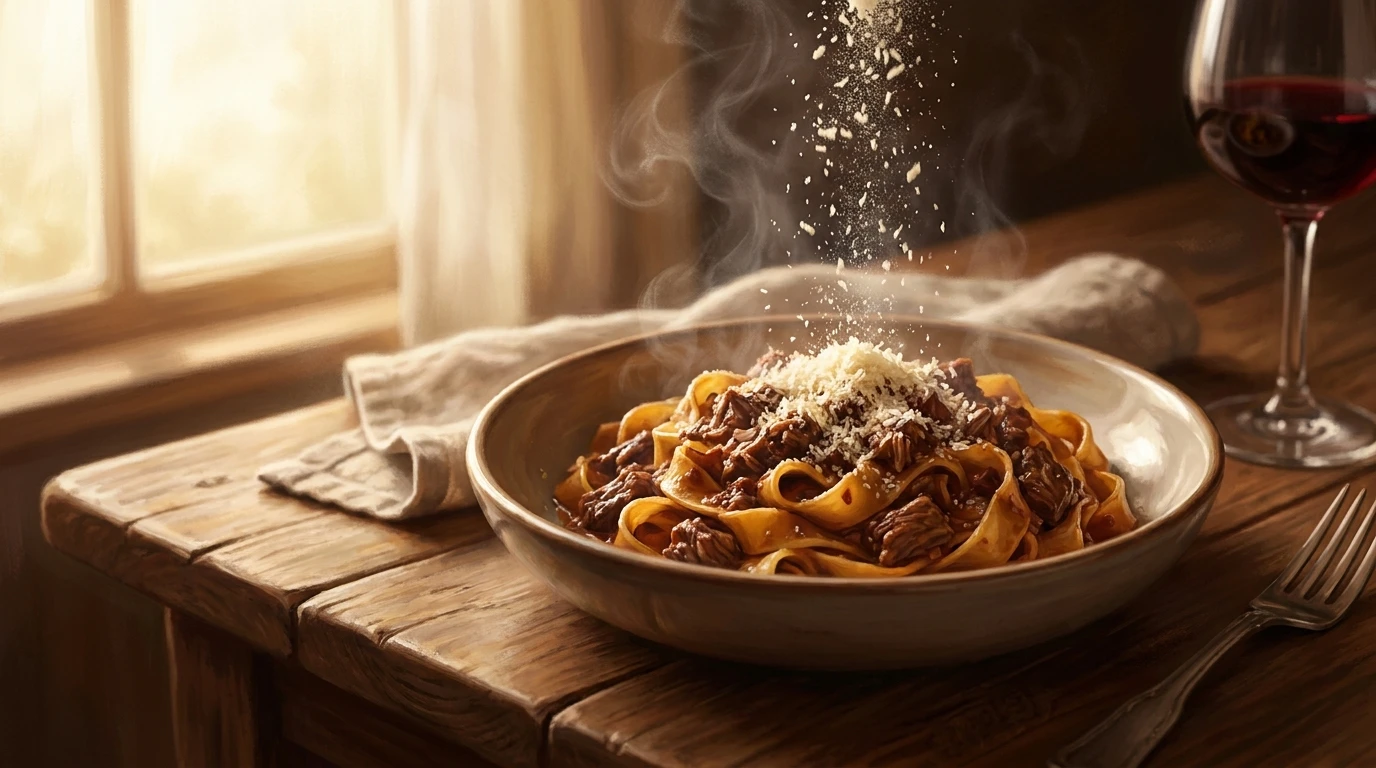
Why Everyone Loves a True Classico Bolognese
Ever spent hours standing over a simmering pot, wondering if the culinary magic is actually happening? To me, a truly authentic classico bolognese is the ultimate test of patience and love. The other weekend, I was hosting some close friends at my place in Kyiv. Tracking down the absolute right pancetta and perfectly ripe tomatoes wasn’t the easiest task at the local weekend market, but standing there slowly browning the meats, it hit me hard. Cooking is just pure chemistry mixed with deep tradition. Forget those super-fast quick fixes you see floating around on social media in 2026; real, unforgettable flavor demands serious time. You don’t just cook this meat sauce; you nurture it over an afternoon. I want to share exactly how to nail that deep, rich, savory flavor profile that makes people close their eyes on the very first bite. It is not just a simple sauce to throw over noodles; it is an entire experience. Let me walk you through the absolute essentials of making a masterpiece that honors its traditional Italian roots without requiring you to have an expensive culinary degree. Grab your apron, pour yourself a glass of wine, and let’s get that pot on the stove.
The Core Elements of a Perfect Ragù
So, what exactly goes into a real ragù? The secret lies in the quality of your ingredients and the specific order in which you introduce them to the pot. When you prepare a classico bolognese, you are building layers of flavor that simply cannot be rushed. The main benefit of doing this the old-school way is the unparalleled depth. For example, when you slowly reduce the wine, it leaves behind an acidic backbone that perfectly cuts through the rich fats. Another great example is the emulsification process; slowly simmering the meat in milk before adding anything acidic ensures the beef and pork remain incredibly tender rather than turning into tough little pebbles.
To really see the difference, check out how the authentic method stacks up against the alternatives:
| Sauce Type | Time Required | Flavor Profile |
|---|---|---|
| Classico Bolognese | 3 to 4 hours | Deep, complex, rich, and balanced |
| Quick Weeknight Sauce | 45 minutes | Sharp, highly acidic, flat meat texture |
| Store-Bought Jarred Sauce | 5 minutes | Overly sweet, artificial, lacking depth |
If you want to achieve that restaurant-quality result, you must follow the foundational rules. Here are the absolute non-negotiables for your pot:
- The Mirepoix (Soffritto): Finely diced onions, celery, and carrots sweated slowly in butter or olive oil until they practically melt.
- The Meat Blend: A careful mixture of ground beef (usually chuck for fat content) and fatty ground pork or pancetta.
- The Liquid Order: Always milk first to protect the proteins, followed by the wine to deglaze, and finally just a touch of tomato.
Trust me, skipping even one of these steps compromises the final dish. You want a sauce that clings to the pasta, not a watery soup that pools at the bottom of your bowl. Taking the time to respect these steps pays off massively when you finally sit down to eat.
Understanding the Deep History of the Dish
The True Origins
People often think that anything Italian automatically includes heavy amounts of garlic and buckets of crushed tomatoes. The reality of a traditional ragù is quite different. The origins trace back to the late 18th century in Imola, near Bologna. The earliest documented recipe for a meat sauce served with pasta was written by Alberto Alvisi, a cook for the local cardinal. Back then, it was essentially a meat stew, cooked very slowly and served over macaroni. It was a dish for the wealthy, simply because meat was extremely expensive. The peasants ate mostly grains and vegetables, while the rich enjoyed the luxury of slowly braised meats. You can feel that rich heritage every single time you prepare it.
The Evolution Over Time
As the centuries passed and meat became slightly more accessible, the recipe began to shift. However, tomatoes were still relatively new to Europe and were viewed with heavy suspicion. Early versions of the dish featured no tomatoes at all, relying entirely on the meat juices, wine, and broth for moisture. It was only much later that a tiny amount of tomato paste or puree was added, not to make a tomato sauce, but just to add a hint of color and a touch of sweetness to balance the savory meats. This evolution highlights how regional Italian cooking adapts while maintaining its core identity.
The Modern State of Ragù
By the time the Accademia Italiana della Cucina officially registered the authentic recipe with the Bologna Chamber of Commerce in 1982, the ingredients were strictly codified. Even now, in 2026, culinary purists will furiously debate the exact ratio of beef to pork, but they all agree on the fundamentals. The modern state of the dish remains surprisingly true to its roots. While food trends constantly shift toward speed and convenience, this iconic recipe stands like a rock. People realize that you simply cannot hack time. The slow simmer remains the defining characteristic, bridging the gap between centuries of tradition and modern weekend home cooking.
The Food Science Behind the Flavor
The Maillard Reaction in Action
You might wonder why we spend so much time browning the meat before doing anything else. It is not just about making the meat grey; it is all about the Maillard reaction. This is a chemical reaction between amino acids and reducing sugars that gives browned food its incredibly distinctive, savory flavor. When you drop the beef and pork into the hot pan, you are literally creating hundreds of brand new flavor compounds. These compounds provide the deeply roasted, nutty notes that define a rich classico bolognese. If you crowd the pan and boil the meat in its own juices, you miss out on this crucial chemical process entirely.
Emulsification and Acid Balancing
Once the meat is browned, the next scientific miracle happens when you pour in the dairy. Adding milk before the wine is highly specific. The fat in the milk coats the meat proteins. When you subsequently add the highly acidic wine and tomatoes, that dairy fat barrier prevents the acid from instantly tightening the proteins and making the meat tough. Instead, it slowly tenderizes.
Let’s look at a few hard scientific facts about what is happening in your pot:
- Collagen Breakdown: Tough cuts of meat contain high amounts of collagen. At temperatures around 160°F (71°C) maintained over several hours, this tough collagen melts into rich, silky gelatin, giving the sauce a luxurious mouthfeel.
- Lactic Acid Tenderization: The lactic acid found in the milk gently weakens muscle fibers in the ground meat, ensuring a soft, melt-in-your-mouth texture rather than a chewy bite.
- Flavor Compounding: Simmering allows water to evaporate, which physically concentrates the flavor molecules. The reduction process forces the fat and water to emulsify into a thick, cohesive sauce that binds perfectly to pasta starches.
Knowing exactly what happens on a molecular level makes you a far better cook. You stop just following instructions blindly and start actively managing the chemistry of your food.
Your 7-Step Ultimate Cooking Plan
Ready to make it happen? I have broken down the entire afternoon into seven manageable steps. Grab your ingredients, set aside a lazy Sunday, and follow this exact sequence for perfection.
Step 1: Preparing the Holy Trinity (Soffritto)
Finely dice one large onion, one celery stalk, and one medium carrot. Heat a mixture of butter and good olive oil in a heavy-bottomed Dutch oven. Add the vegetables and sweat them on medium-low heat for at least 15 minutes. You want them very soft and translucent, completely releasing their aromatic oils.
Step 2: Browning the Proteins
Push the soft vegetables to the edges of the pot. Add about 300 grams of coarsely ground beef chuck and 150 grams of ground fatty pork (or minced pancetta). Break it apart with a wooden spoon and let it sear. Do not stir constantly; let the meat develop a beautiful dark brown crust to trigger that beautiful Maillard reaction.
Step 3: The Crucial Milk Addition
Once the meat is fully browned and the juices have mostly cooked off, pour in one full cup of whole milk. Stir well and let it simmer gently until the milk has almost completely evaporated. This step coats the meat and guarantees tenderness.
Step 4: The Wine Deglaze
Next, pour in one cup of dry white wine (yes, white is highly traditional!). Scrape up all the delicious browned bits stuck to the bottom of the pot. Let the wine bubble away until the harsh alcohol smell is gone and the liquid is mostly reduced.
Step 5: Introducing the Tomatoes
Add about one and a half cups of high-quality pureed San Marzano tomatoes, or just a few tablespoons of highly concentrated double tomato paste mixed with a little beef broth. Remember, this is a meat sauce, so the tomato should strictly be a supporting background actor, not the main star.
Step 6: The Long, Slow Simmer
Turn the heat down to the absolute lowest setting. Partially cover the pot. You want exactly one lazy bubble breaking the surface every few seconds. Let this cook gently for a minimum of 3 hours. Check on it occasionally, adding a splash of broth if it starts looking too dry.
Step 7: The Perfect Pasta Pairing
Boil a pot of generously salted water. Cook fresh egg tagliatelle until perfectly al dente. Drain the pasta, saving a little starchy water. Toss the hot pasta directly into a pan with your rich sauce, adding a tiny splash of pasta water to marry them together. Serve immediately with freshly grated Parmigiano-Reggiano.
Separating Culinary Myths from Reality
There is a lot of misinformation out there about Italian food. Let’s clear up some massive misconceptions right now.
Myth: Spaghetti is the correct pasta for this dish.
Reality: Spaghetti is far too thin and slippery. A heavy meat ragù slides right off. Authentic Italian homes use fresh egg tagliatelle or pappardelle, which have the wide surface area needed to grab and hold the heavy sauce.
Myth: You need tons of fresh garlic.
Reality: The official recipe registered in Bologna uses zero garlic. The flavor base relies entirely on the gentle sweetness of the onion, celery, and carrot soffritto.
Myth: It requires loads of crushed tomatoes.
Reality: A true ragù is a rich, savory meat dish, not a bright red marinara. Tomatoes are used very sparingly just for a touch of acidity and color.
Myth: You can rush it in 30 minutes.
Reality: If it cooks in under three hours, it is a simple weeknight meat sauce, not a complex classic ragù.
Frequently Asked Questions
Can I freeze the sauce?
Absolutely. It actually tastes even better after a few days in the fridge or freezer because the complex flavors continue to meld together.
Should I use white wine or red wine?
While many people use red wine for a darker color, dry white wine is incredibly traditional and provides a cleaner, sharper acidic balance to the heavy meats.
Do I strictly have to use pork?
You can use 100% beef, but adding pork fat or pancetta drastically improves the texture and adds a layer of savory richness you cannot get from beef alone.
Why do we add milk?
Whole milk tenderizes the tough meat fibers and cuts the acidity of the wine and tomatoes.
Can I use a slow cooker?
Yes, but you absolutely must do the browning and reducing steps on a stovetop first before transferring everything to a slow cooker.
What kind of tomatoes are best?
San Marzano tomatoes or a high-quality Italian tomato passata provide the best natural sweetness without harsh acidity.
Is garlic strictly forbidden?
While totally absent in the official Bologna recipe, if you love garlic, feel free to add a clove. Just know it technically breaks tradition!
Final Thoughts
Mastering a real classico bolognese is a rite of passage for any home cook. It demands patience, respect for the ingredients, and a willingness to slow down in a fast-paced world. The sheer joy of smelling that rich pot bubbling away all afternoon is unmatched. Get your ingredients sorted, block out a few hours this weekend, and experience the profound comfort of authentic Italian cooking. Your kitchen will smell amazing, and your dinner guests will be begging for the recipe. Go grab your apron and let’s get cooking!
Leave a Reply